Why This Fails Locally
Most of the housing stock in and around West Bend went up between 1958 and 1999, with the median build year sitting around 1976, and the bulk of it clusters in that 1960s-70s window across the 37 named areas we cover out from town. That matters for cables specifically because a door built or last replaced in that era is running on galvanized aircraft cable that's now had four or five decades of temperature swings to work-harden and fray at the drum. West Bend sits in a cold-band climate with severe winter conditions, and cold steel doesn't flex the way warm steel does. A cable that's been fraying quietly all summer will often let go on the first hard cold snap, right when the door's under the most spring tension and the garage is doing the most work keeping the cold off the rest of the house. This isn't a defect in any one door - it's what happens to lift cables of that age in a climate that swings this hard, on a stock of homes that's old enough to have never had the cable swapped.
The Symptom
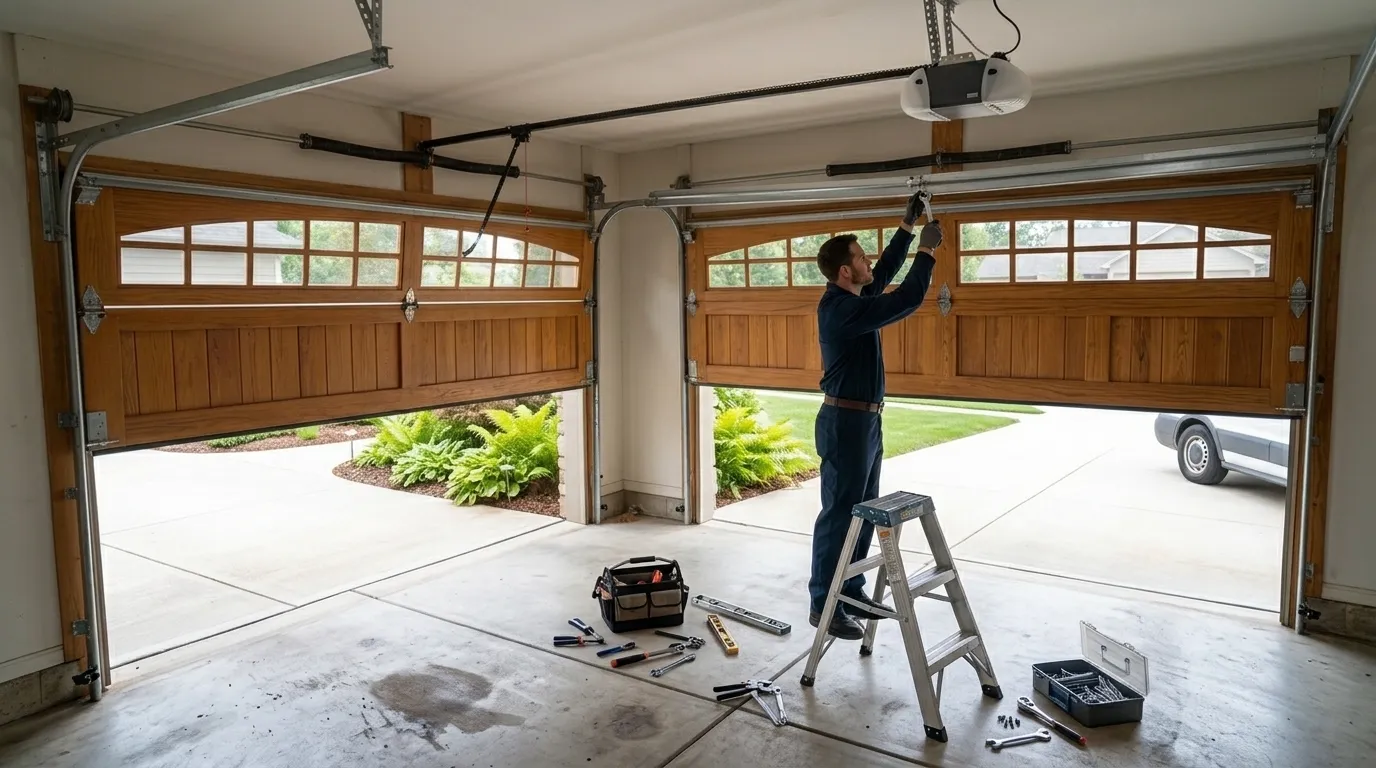
A cable failure looks different depending on which side goes. If one cable snaps and the other holds, the door usually cocks sideways in the track - one corner drops a few inches lower than the other, and the door binds or won't move at all. If it happens while the door is going down, you'll often hear a bang as the unbalanced weight lets the door fall the last foot or so. Sometimes it's slower: a cable that's fraying but hasn't parted yet will show as frayed strands near the bottom bracket, or a door that shudders and jerks partway through its travel instead of running smooth. Either way, once a cable is compromised, the other one is carrying weight it wasn't built to carry alone, and it usually follows within weeks. We don't recommend running a door on one good cable to buy time - the extra strain on the drum and the opener arm tends to turn a cable job into a track and opener job.
What the Repair Takes
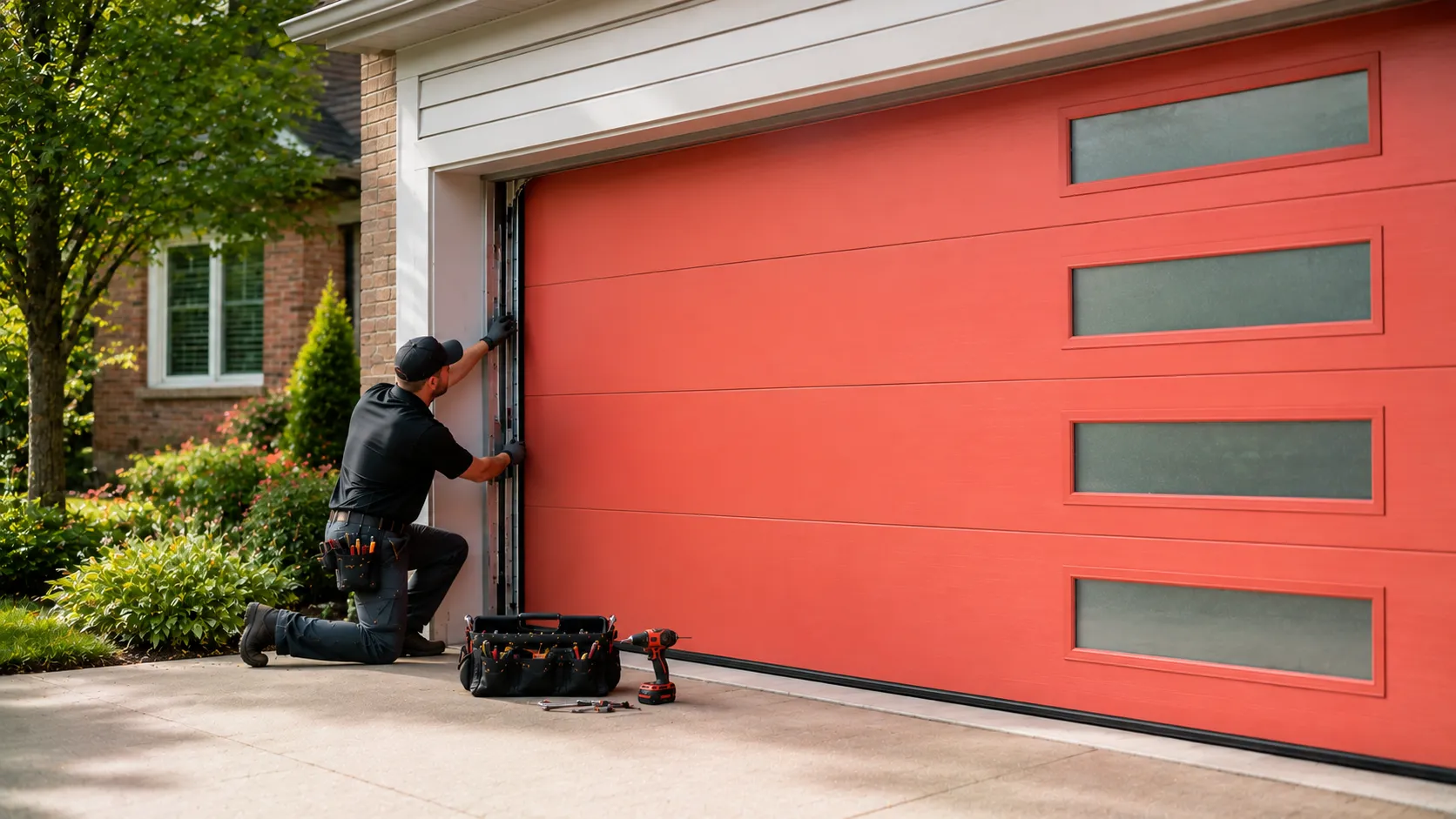
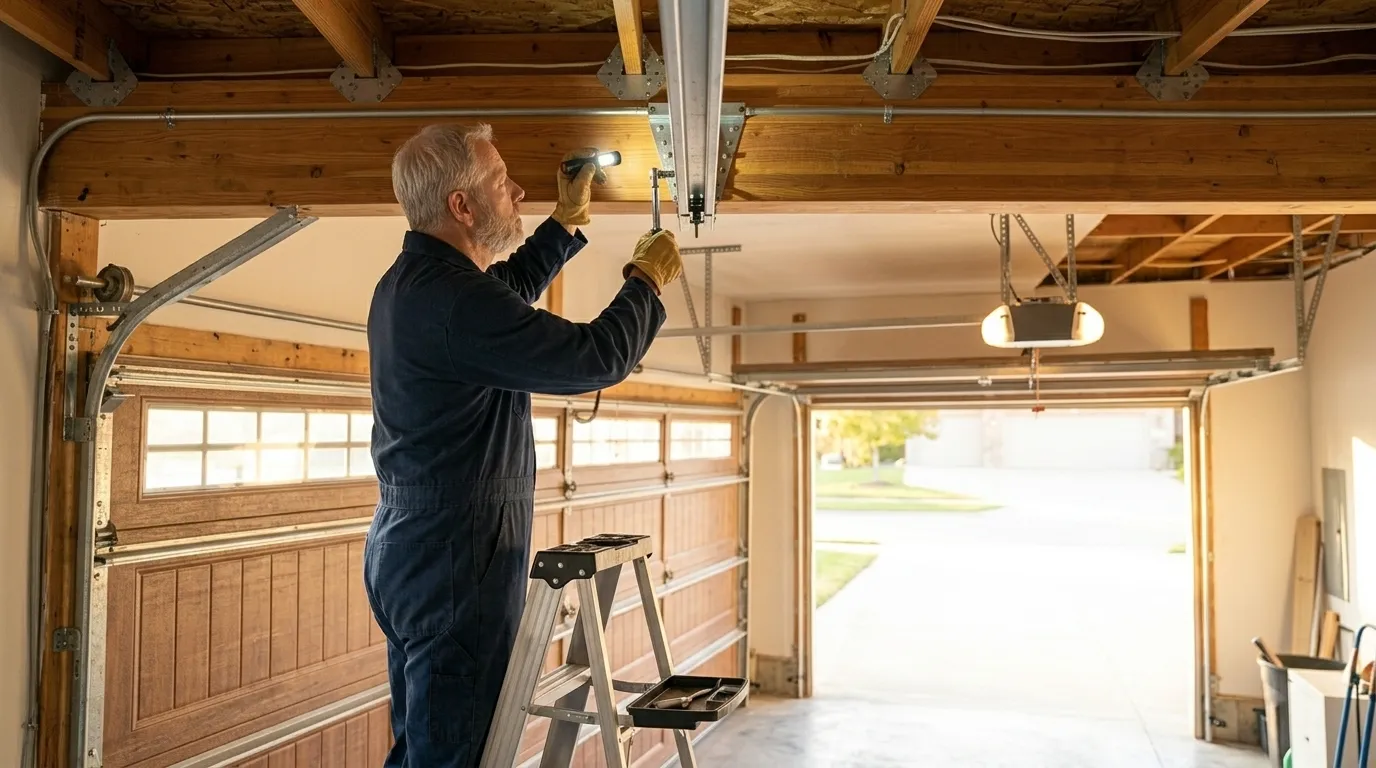
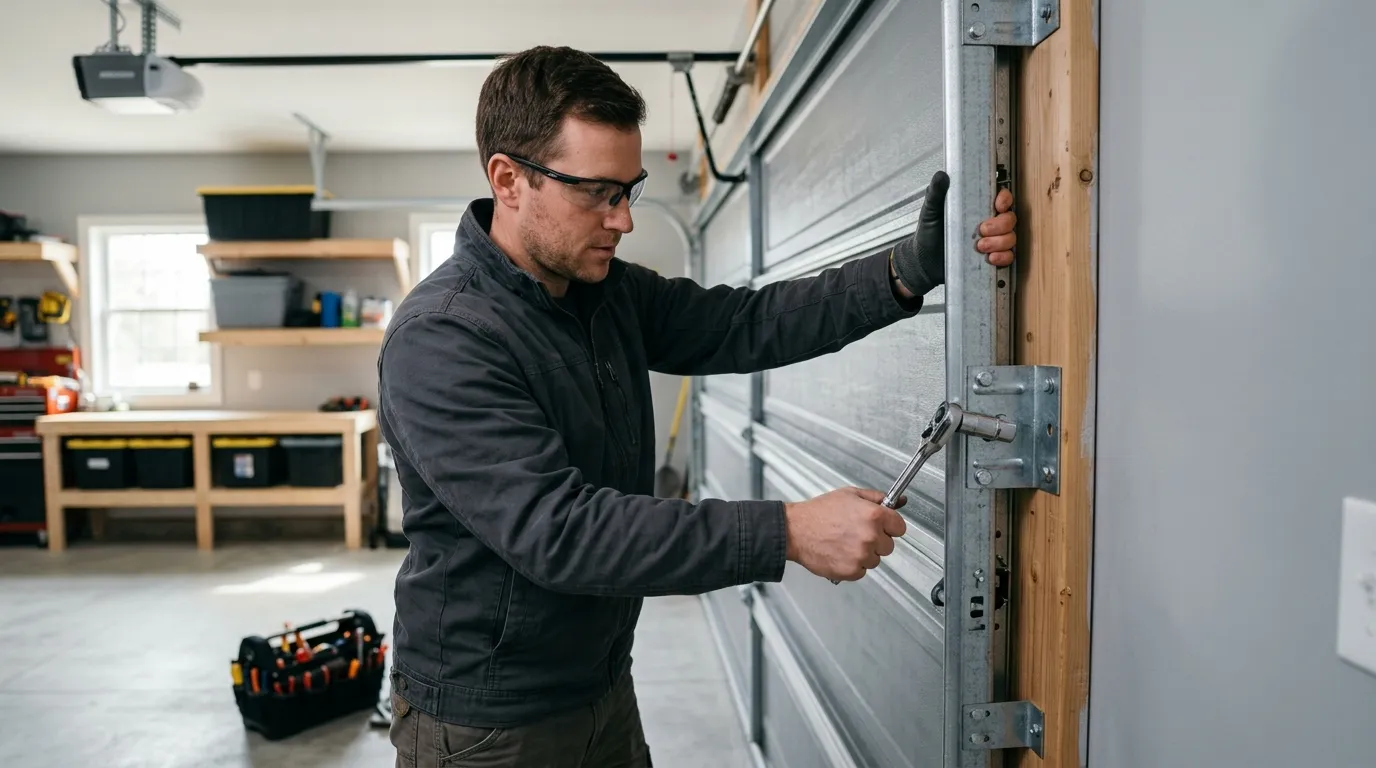
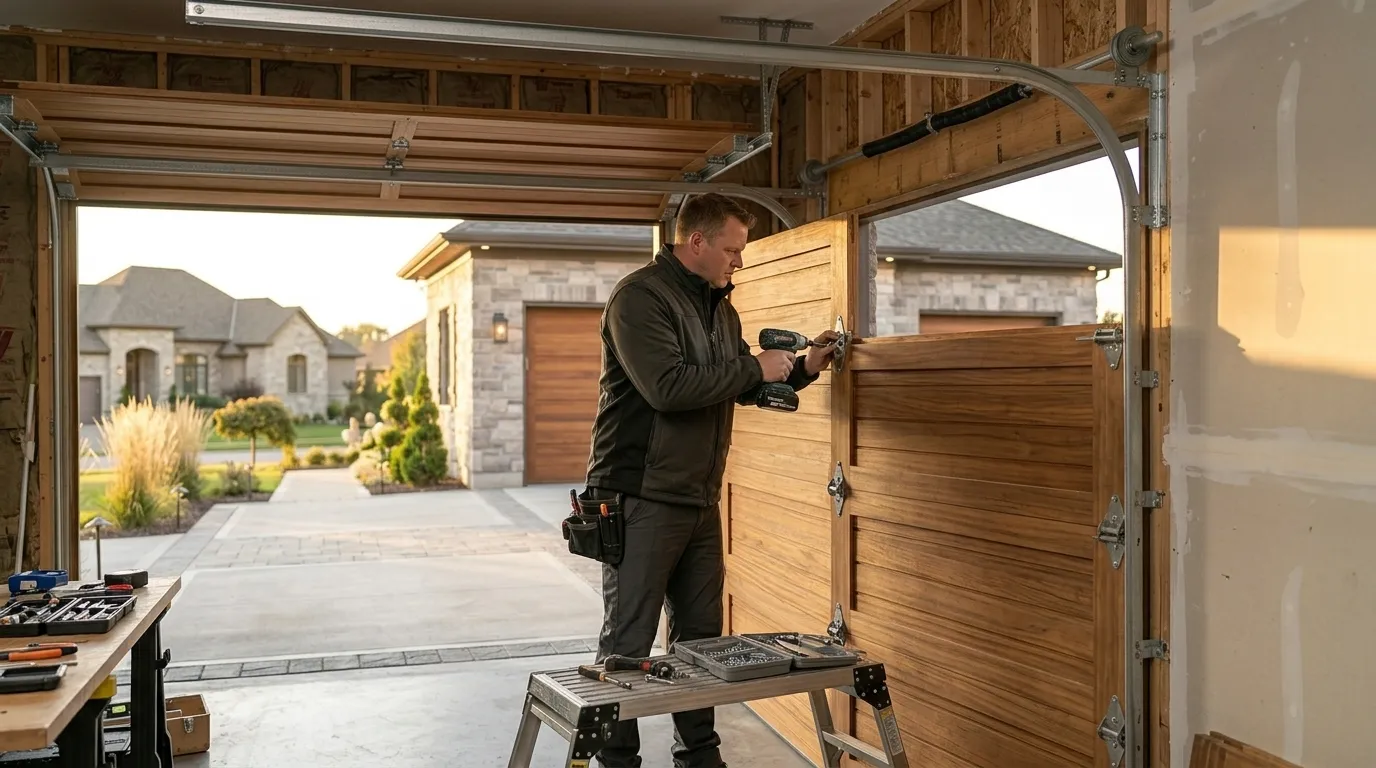
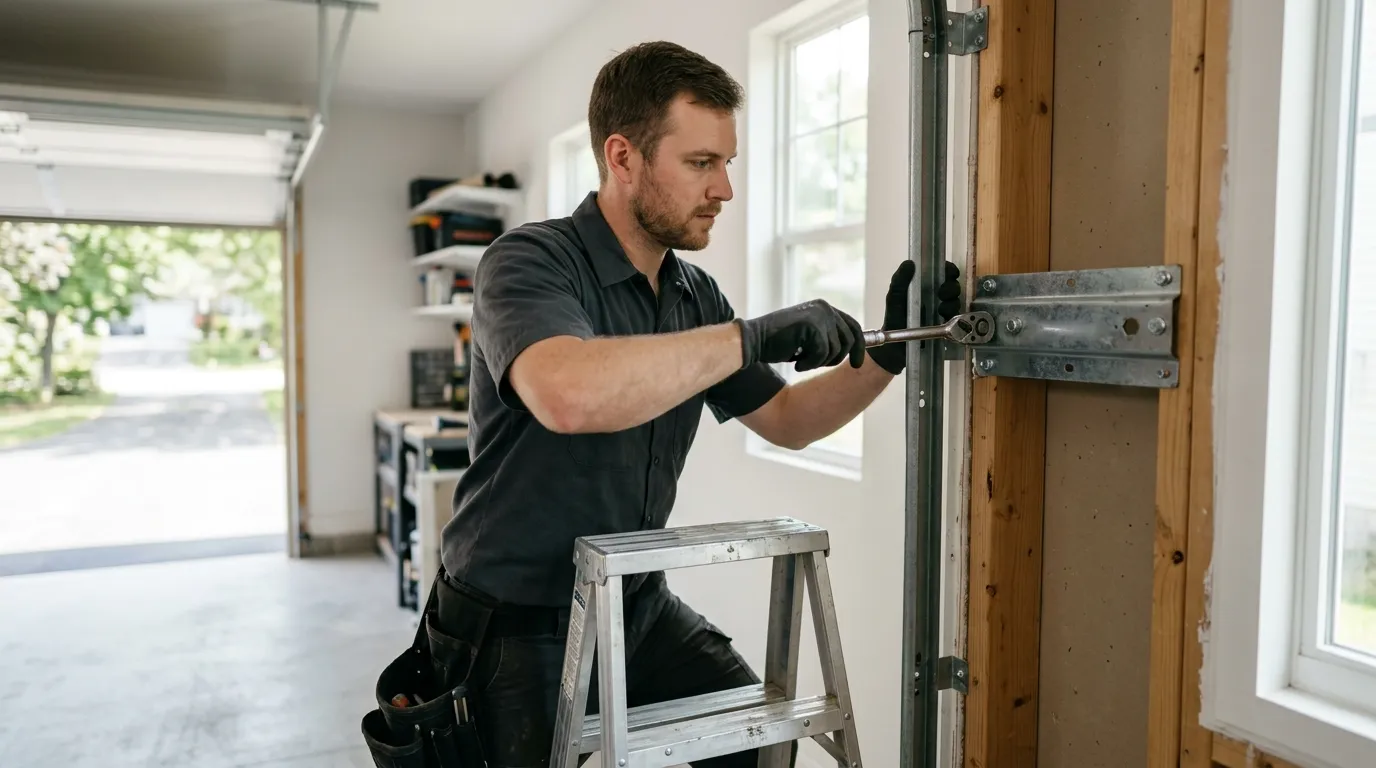
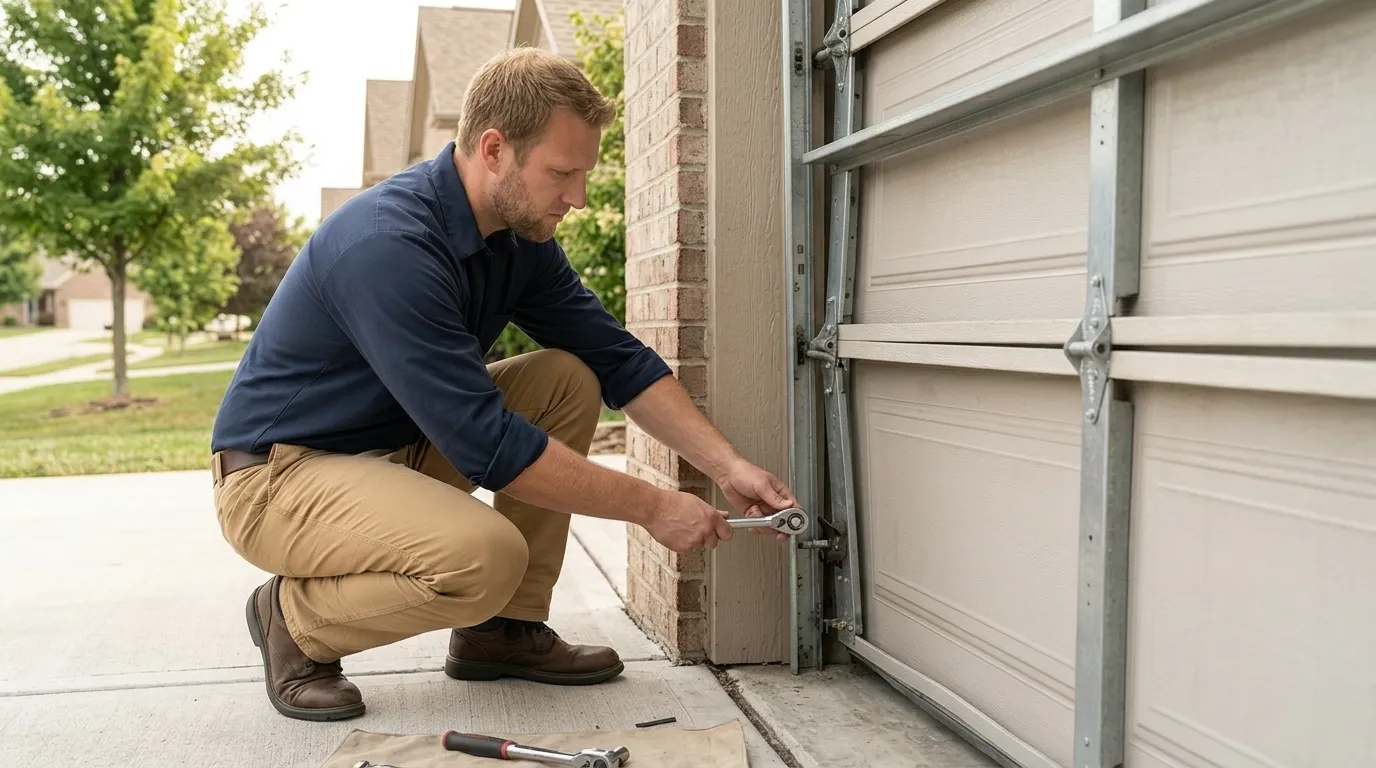
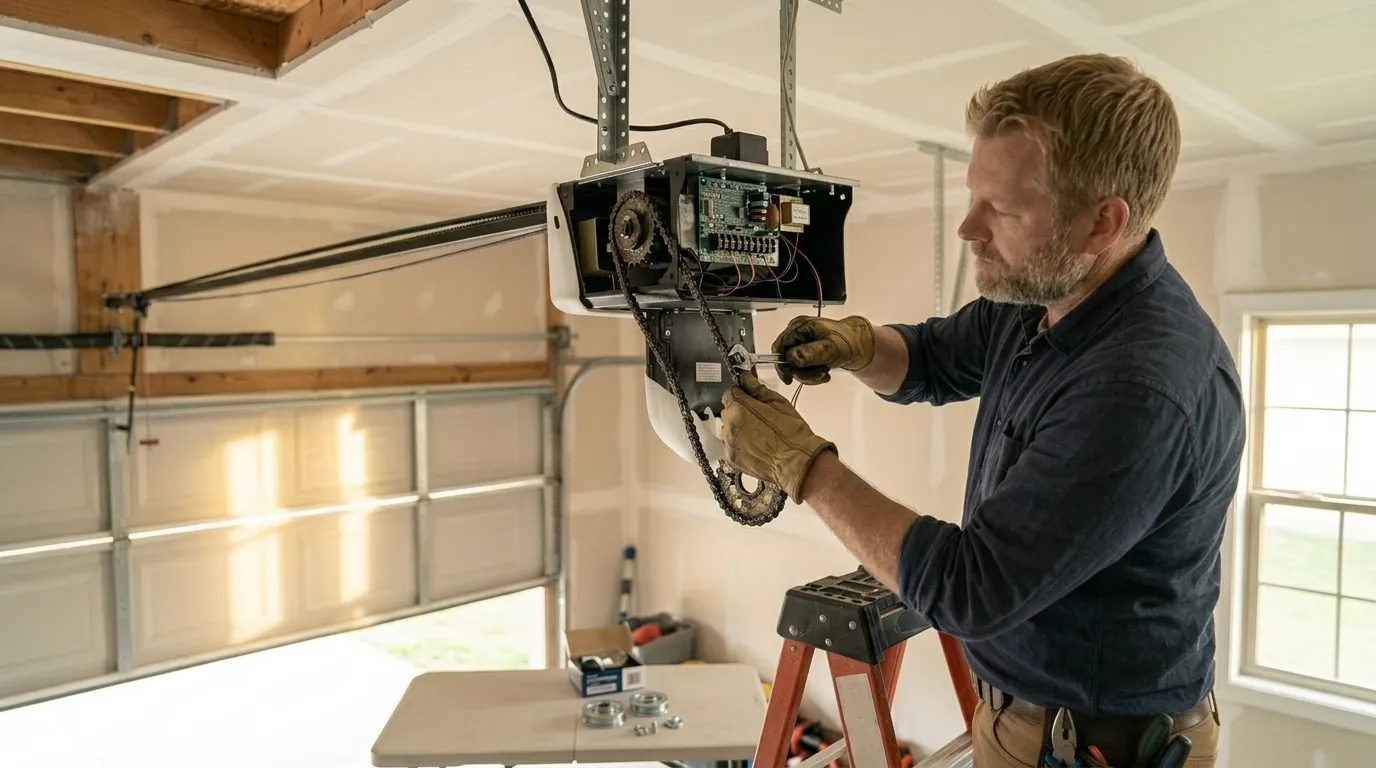
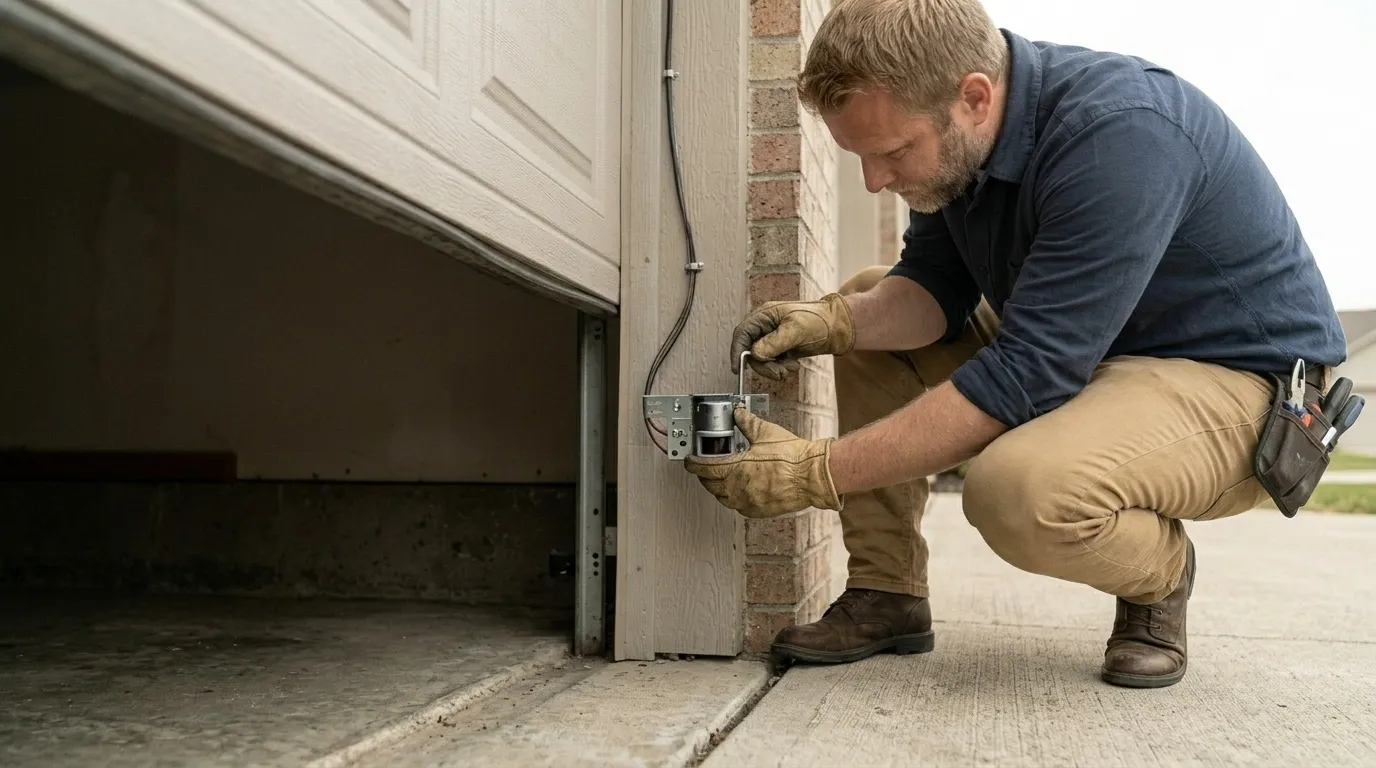
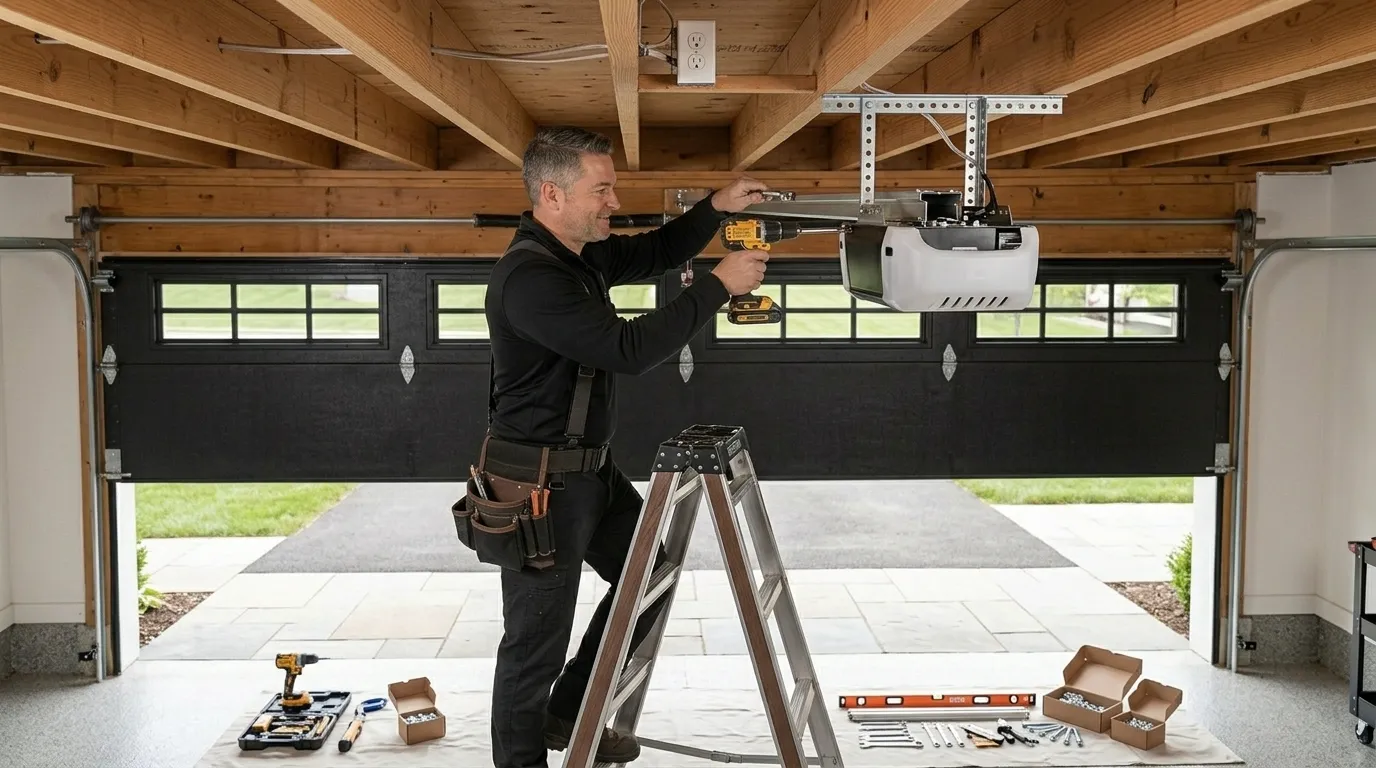
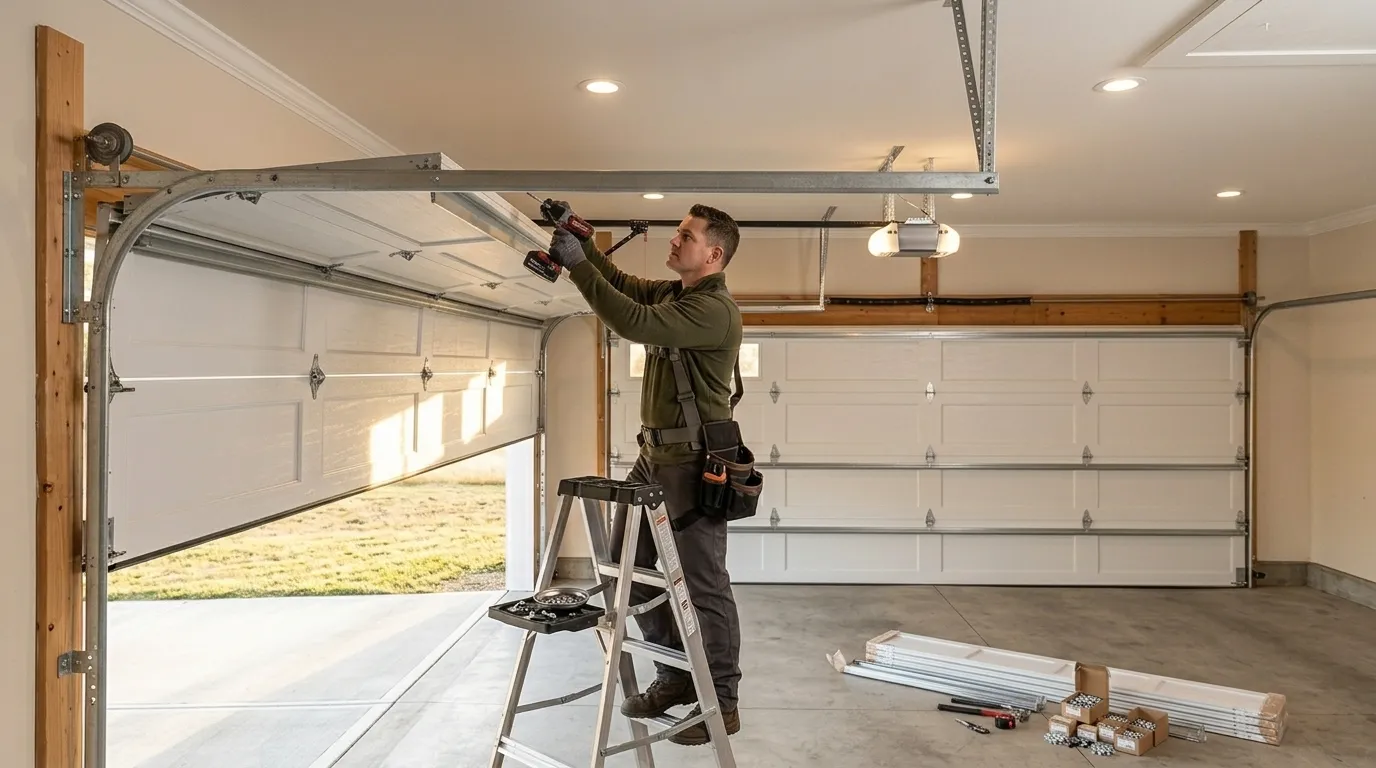
A straight cable job means releasing spring tension safely, pulling the old cables off the drums, running new cable sized to the door's weight and track height, and rebalancing the door so it holds position at any point in its travel - not just at the top. On the older doors common in this area, that also means checking the drums for wear grooves, the bottom brackets for stress cracks, and the track for the kind of misalignment that comes from a door running cocked for even a short stretch. We service the door itself, not just the symptom - a door that's rebalanced wrong will just take out the next cable early. What we don't do on a cable call is replace parts that aren't failing yet; if the springs and rollers still have life in them, we leave them alone and tell you what to watch for.