Why This Fails Locally
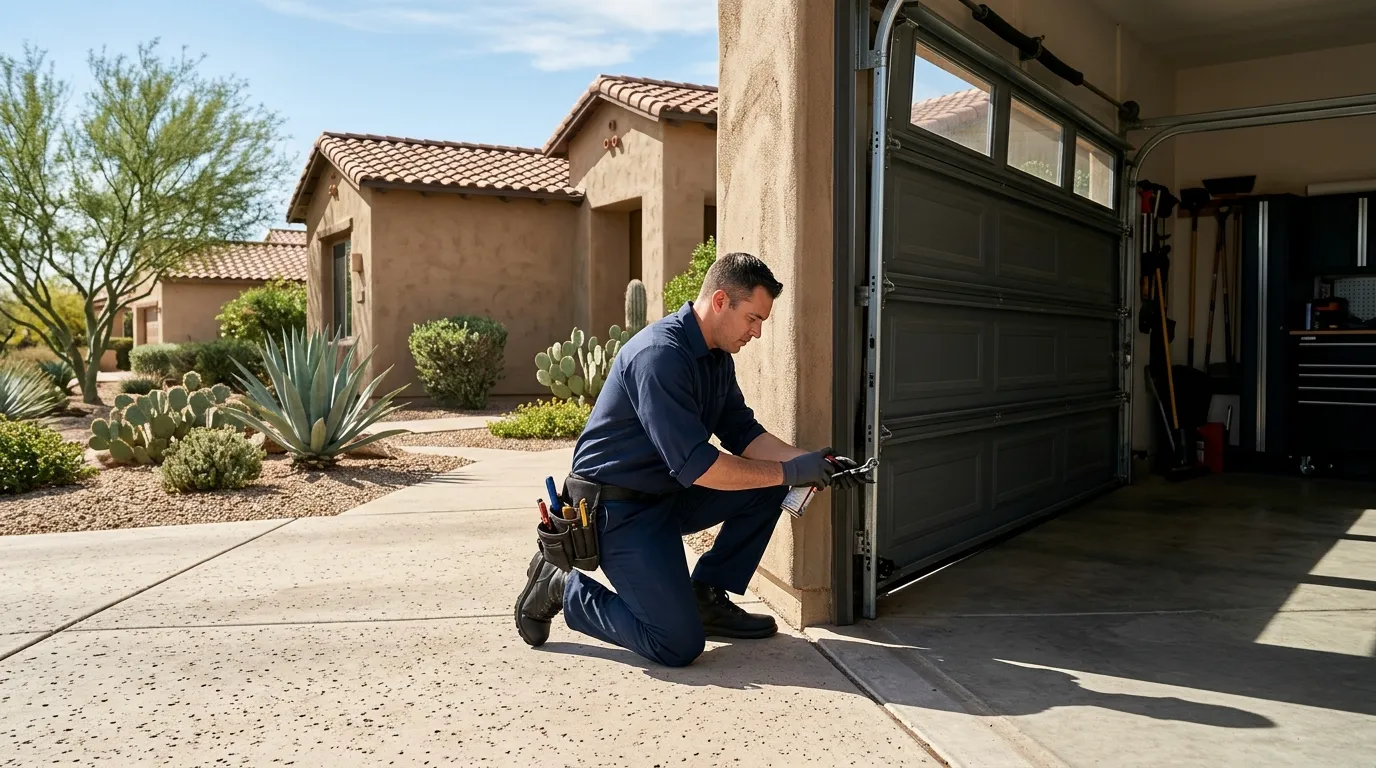
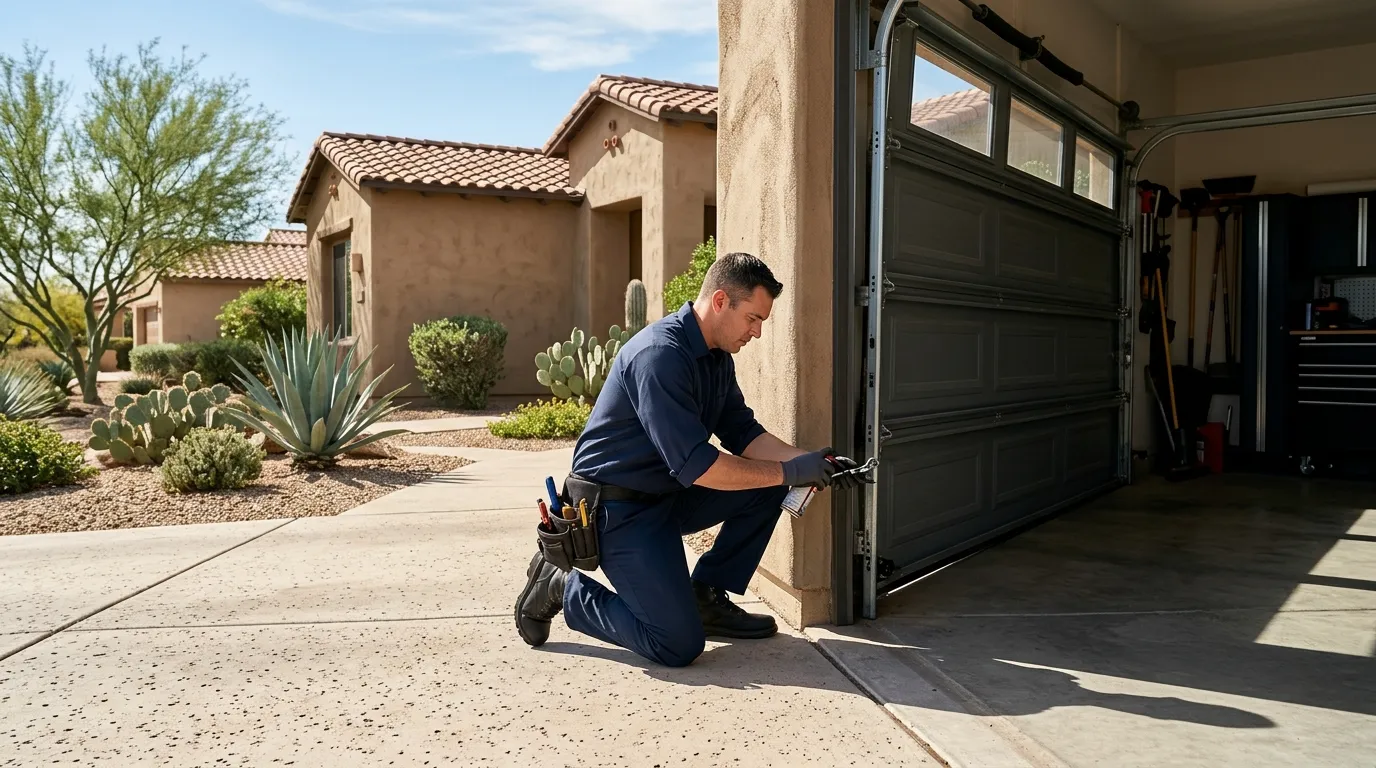
A commercial door in this part of Wisconsin works harder than the same door somewhere warmer. This area sits in a severe cold climate band, and that matters more for a steel sectional door on a warehouse or service bay than it does for a house. Grease in a torsion spring or a set of rollers thickens up when the temperature drops, and an opener motor built to move a 400-pound door in July has to fight that drag every cycle in January. Panels flex with the freeze-thaw swing, seams and weep holes take on moisture, and rust starts from the inside out on doors that look fine from the parking lot. The businesses running these doors aren't just shops downtown - across the wider service area there are 87,448 households and 45,839 owner-occupied houses, which tells you this is a region full of garages, service bays, and small commercial buildings that all lean on a door that has to open every single working day. At a median household income of $88,634, most owners here would rather fix the door right than watch a bay sit closed. The failure isn't random. It's the climate, and it's constant.
The Symptom
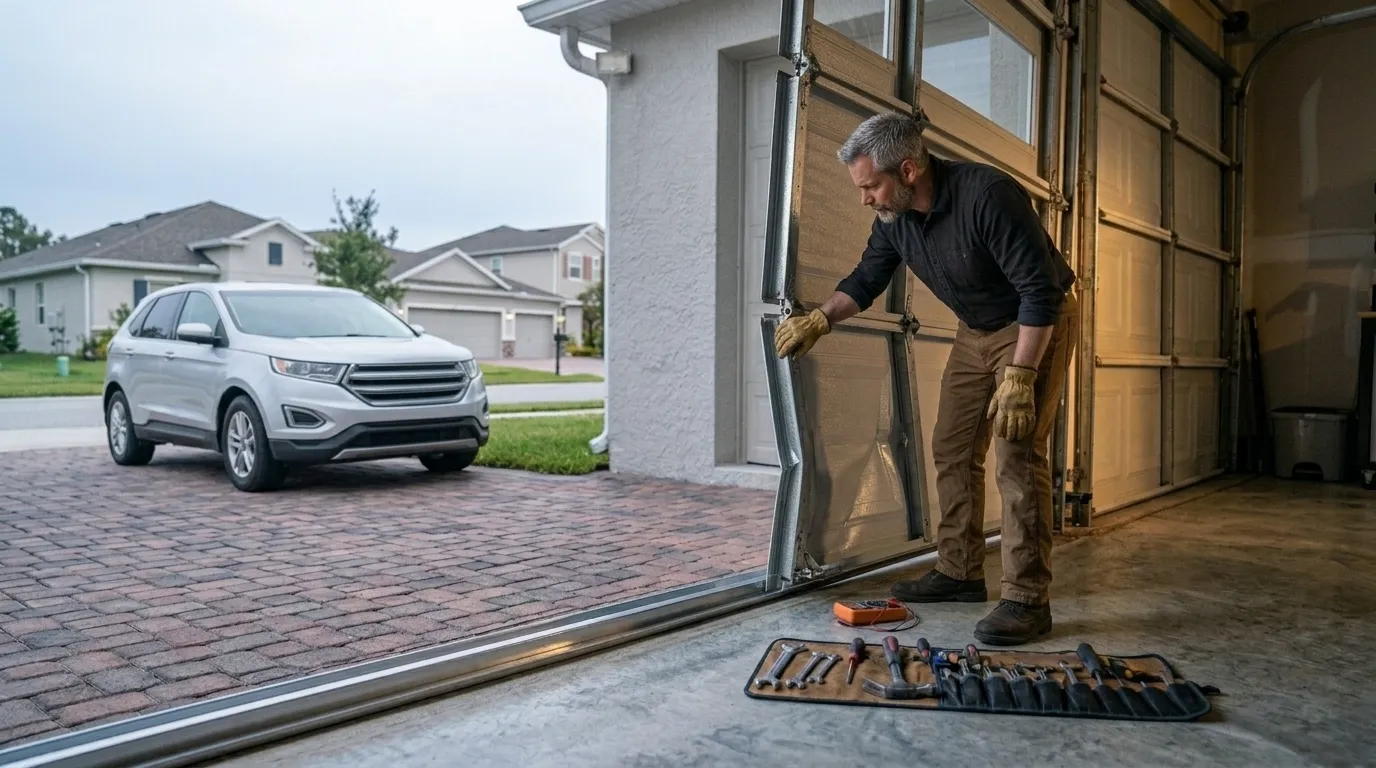
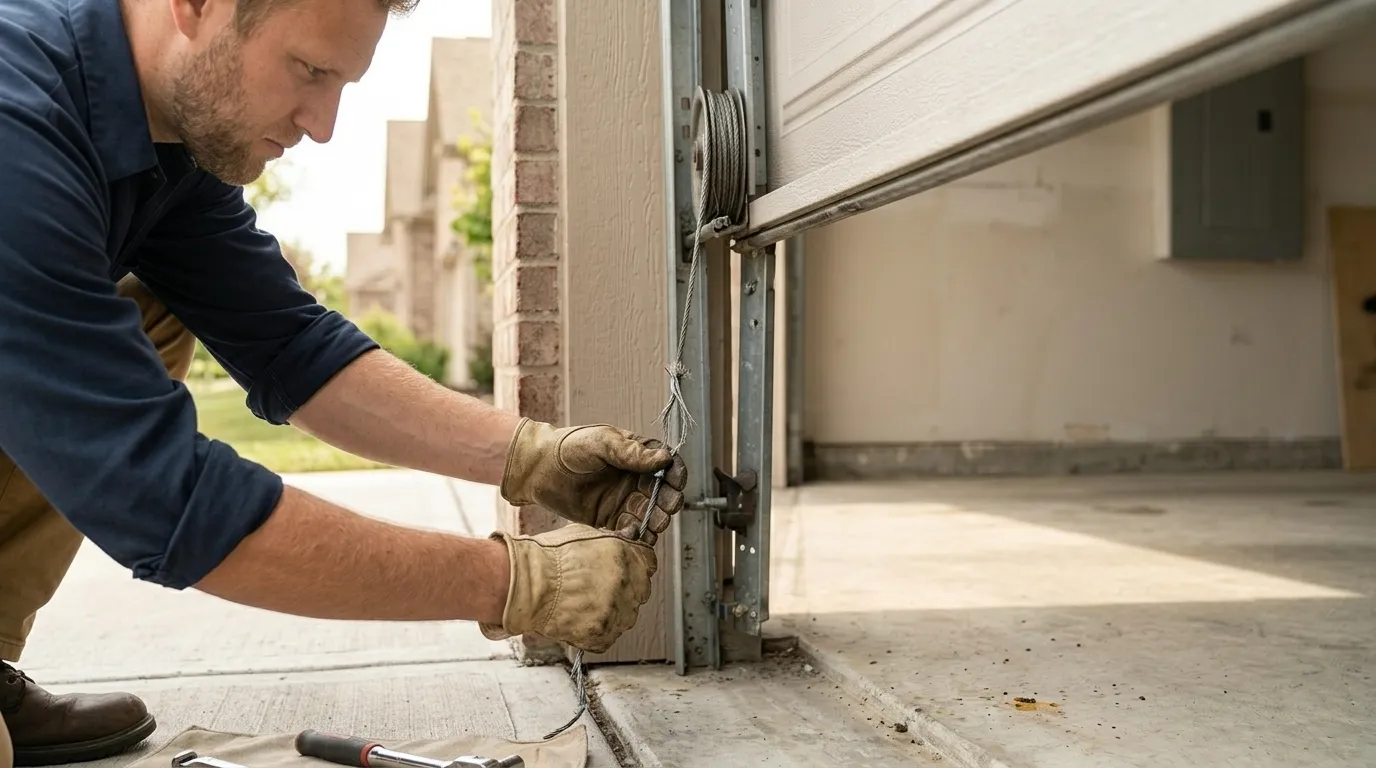
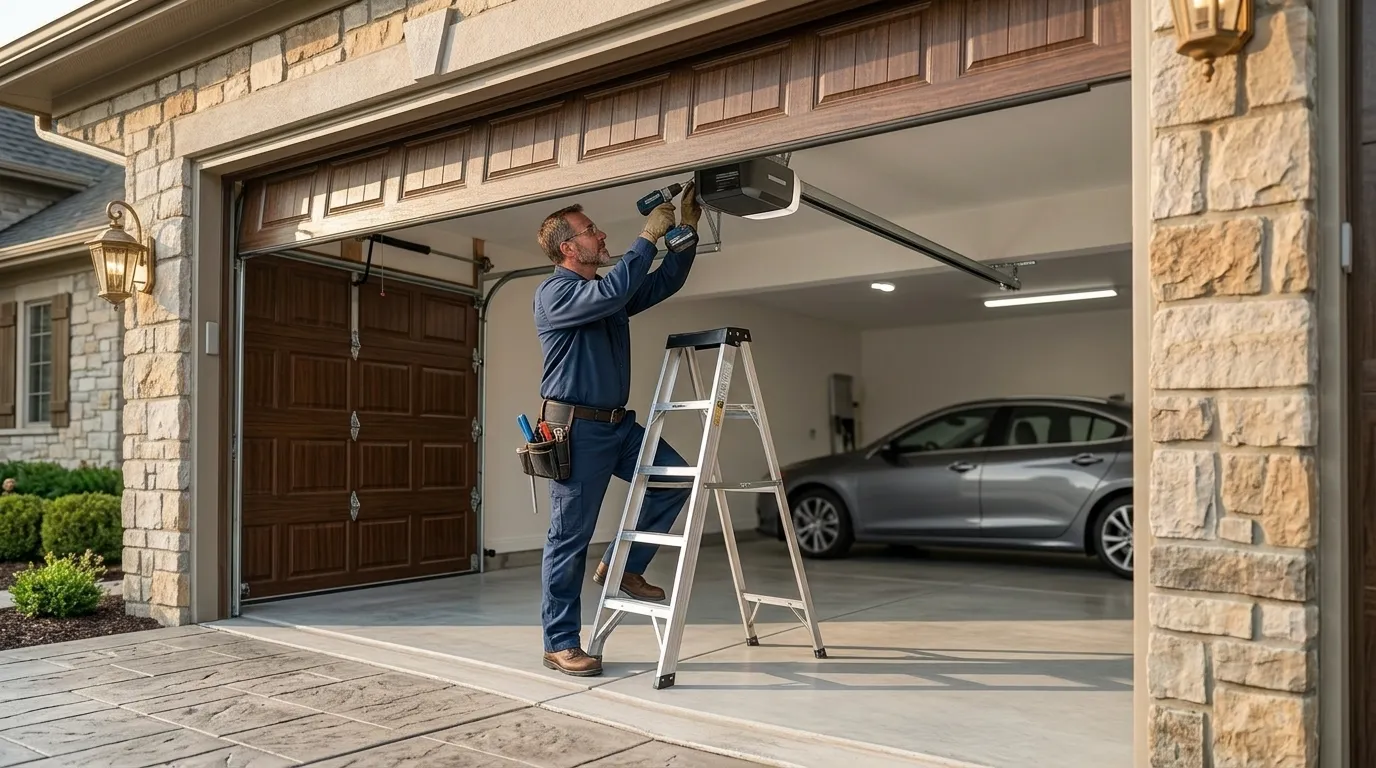
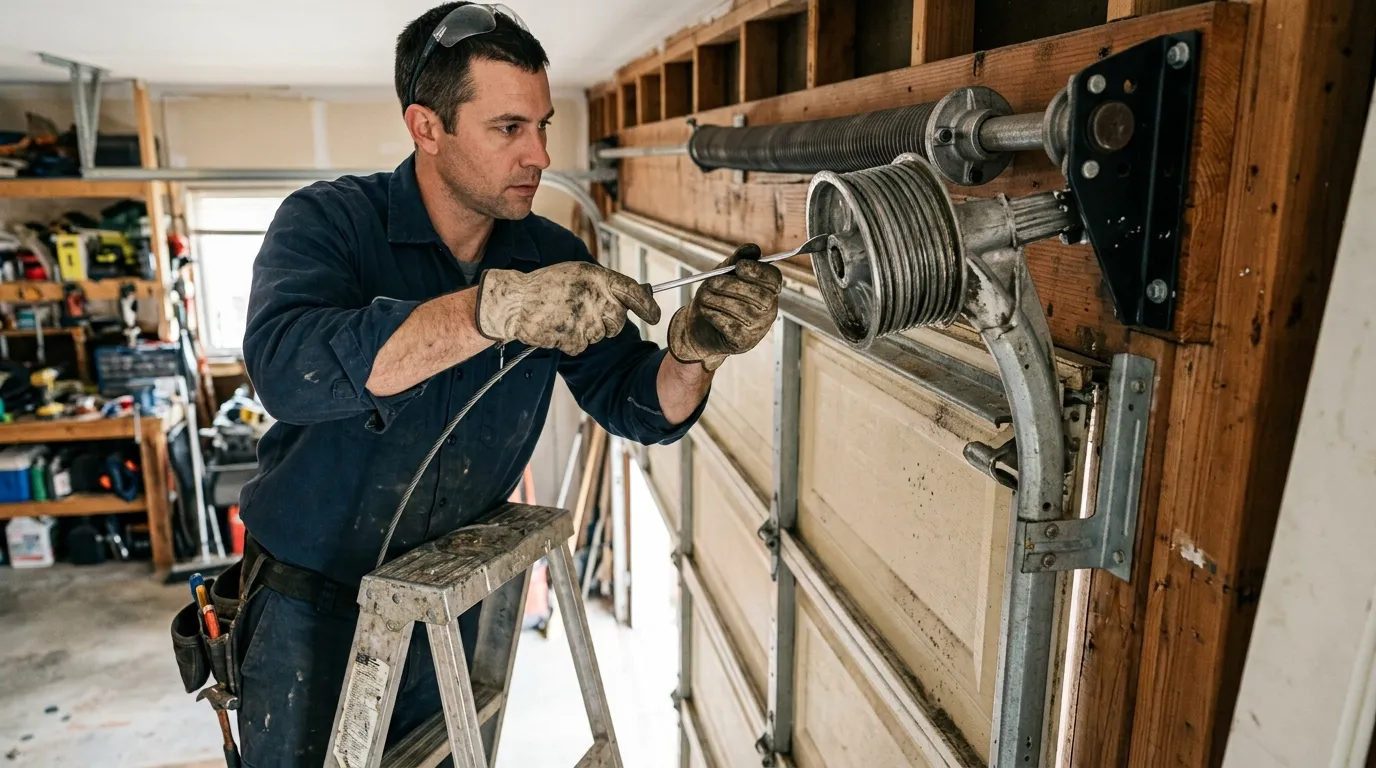
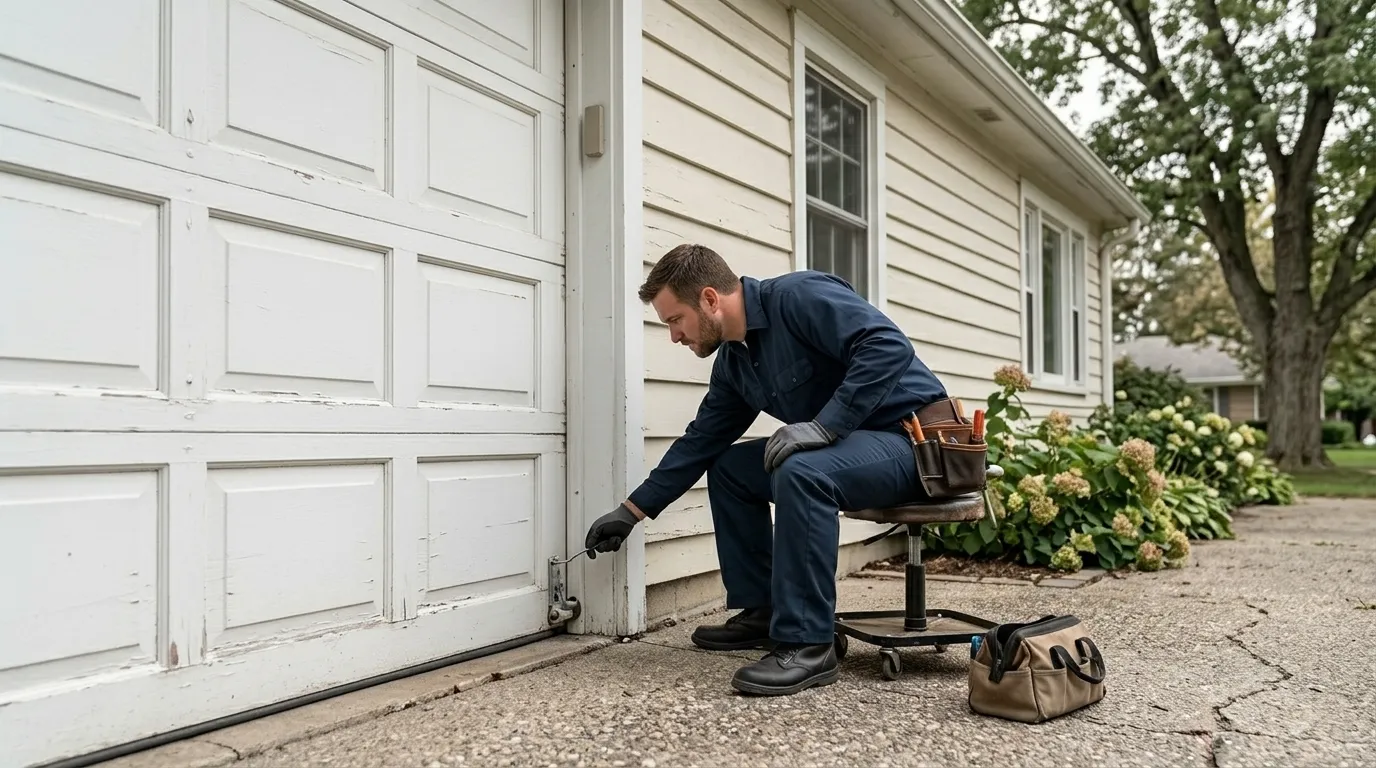
The most common call is a door that won't open on a cold morning, or one that opens partway and stalls - usually a torsion spring that's lost tension, or a spring that's already snapped and just hasn't dropped the door yet. Second most common: a chain hoist or opener that runs but the door doesn't move, which points to a stripped gear or a broken cable rather than the motor itself. Third: a bent or dented panel from a delivery truck or forklift clipping the track, which throws the whole door out of alignment even if the motor and springs are fine. Rollers that have gone hard and loud, especially on doors that see a dozen cycles a day, are a slower version of the same wear pattern. None of this is exotic. It's what happens to steel, springs, and grease that cycle through freeze and thaw in a severe cold climate, on doors that get used more than a residential door ever will.
What the Repair Takes
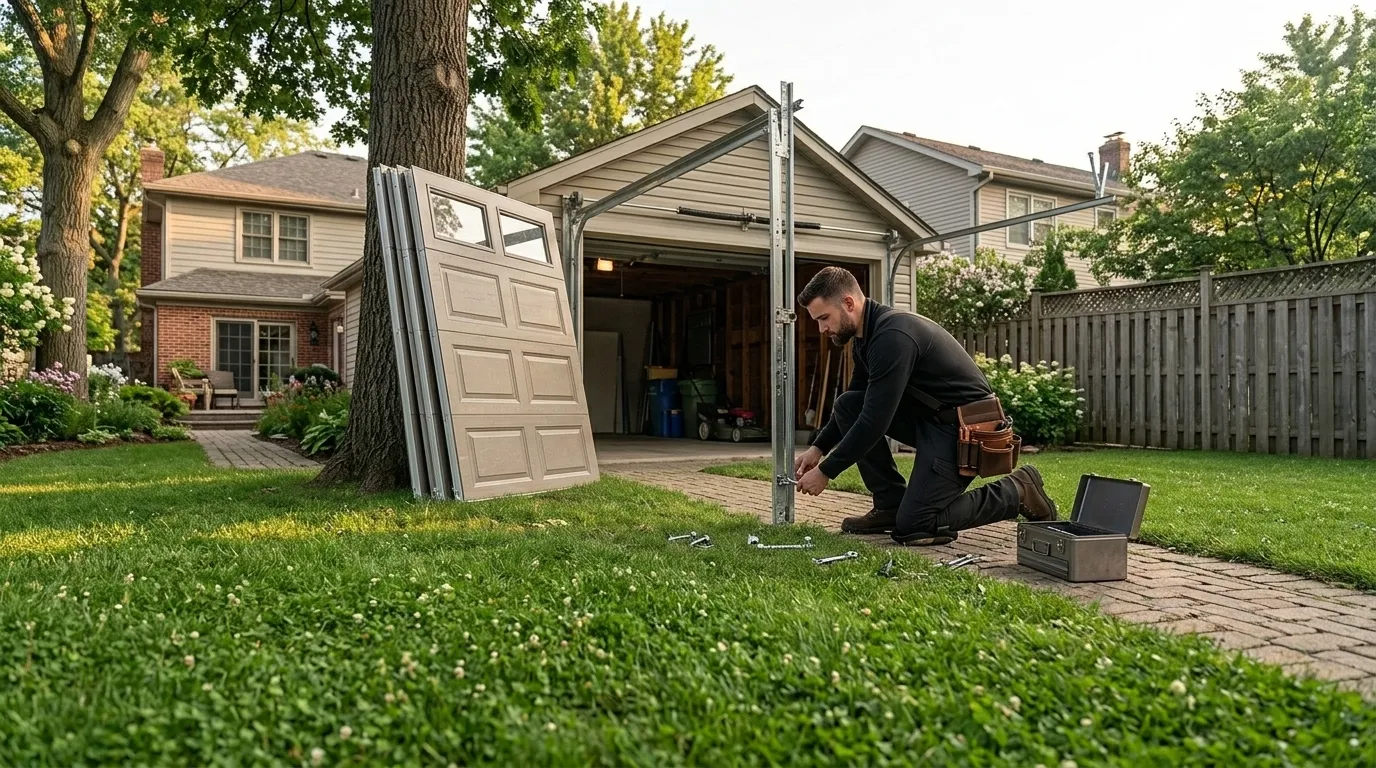
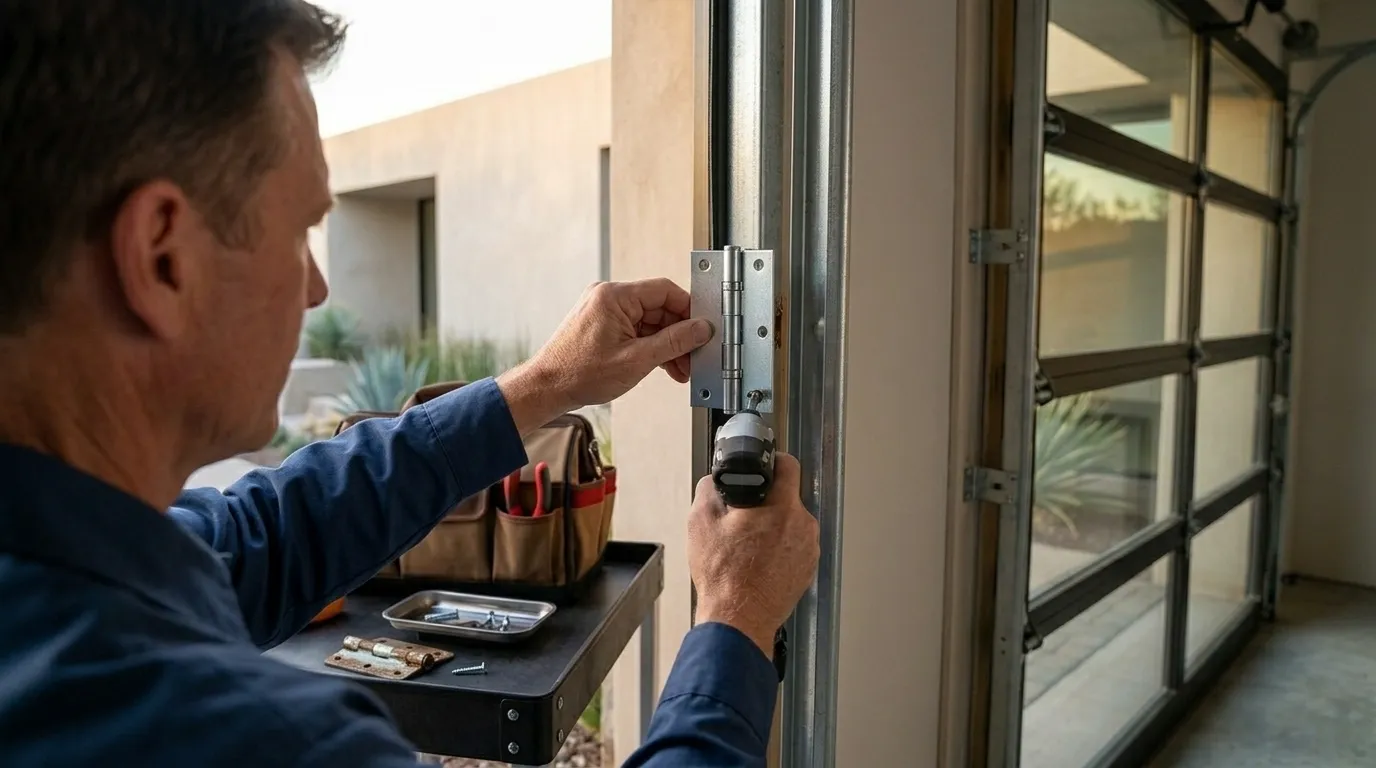
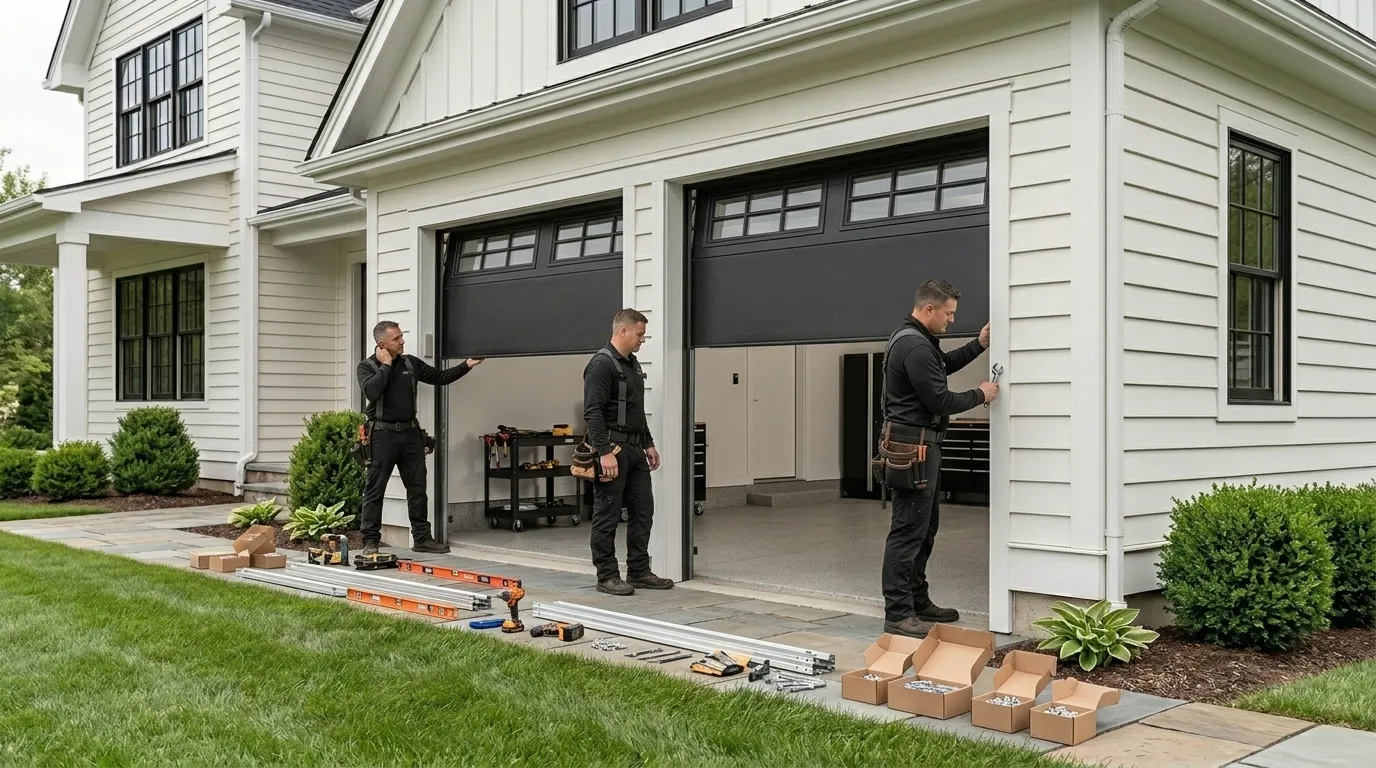
Most commercial spring and cable jobs come down to matching the door's weight and cycle count to the right spring wire size and winding - get that wrong on a heavy warehouse door and you're back out within the year. Track and roller work means checking the whole run for square, not just replacing the bent section, because a door that's been fighting a bad track for months has usually worn the opposite side too. Opener repairs on commercial units often involve gear sets and limit switches rather than the motor itself, since the motor is built to outlast most of the moving parts around it. Panel replacement is the one job where we'll sometimes tell you not to spend the money - if a door's old enough and enough panels are rusted through from years of freeze-thaw cycling, a patch job is a short-term answer and full replacement is the honest one.