What the Repair Takes
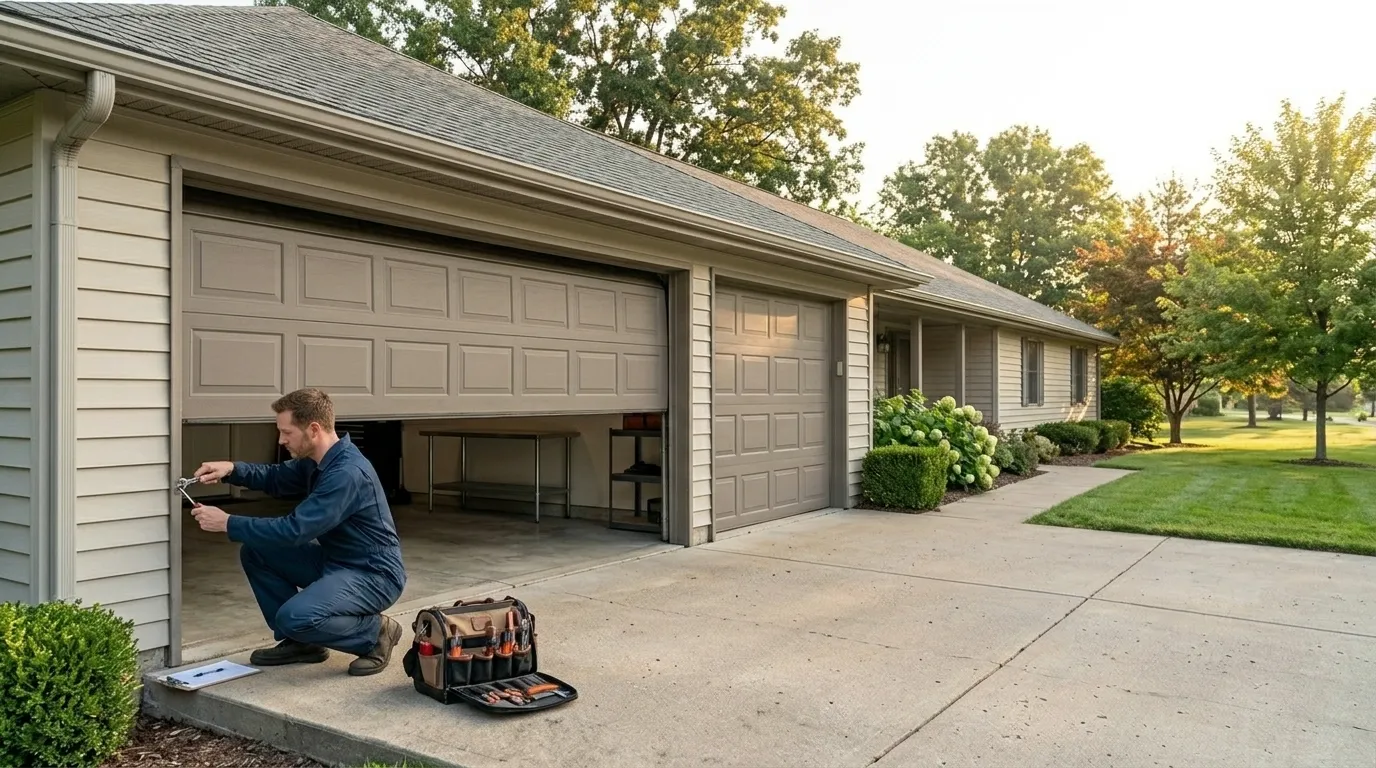
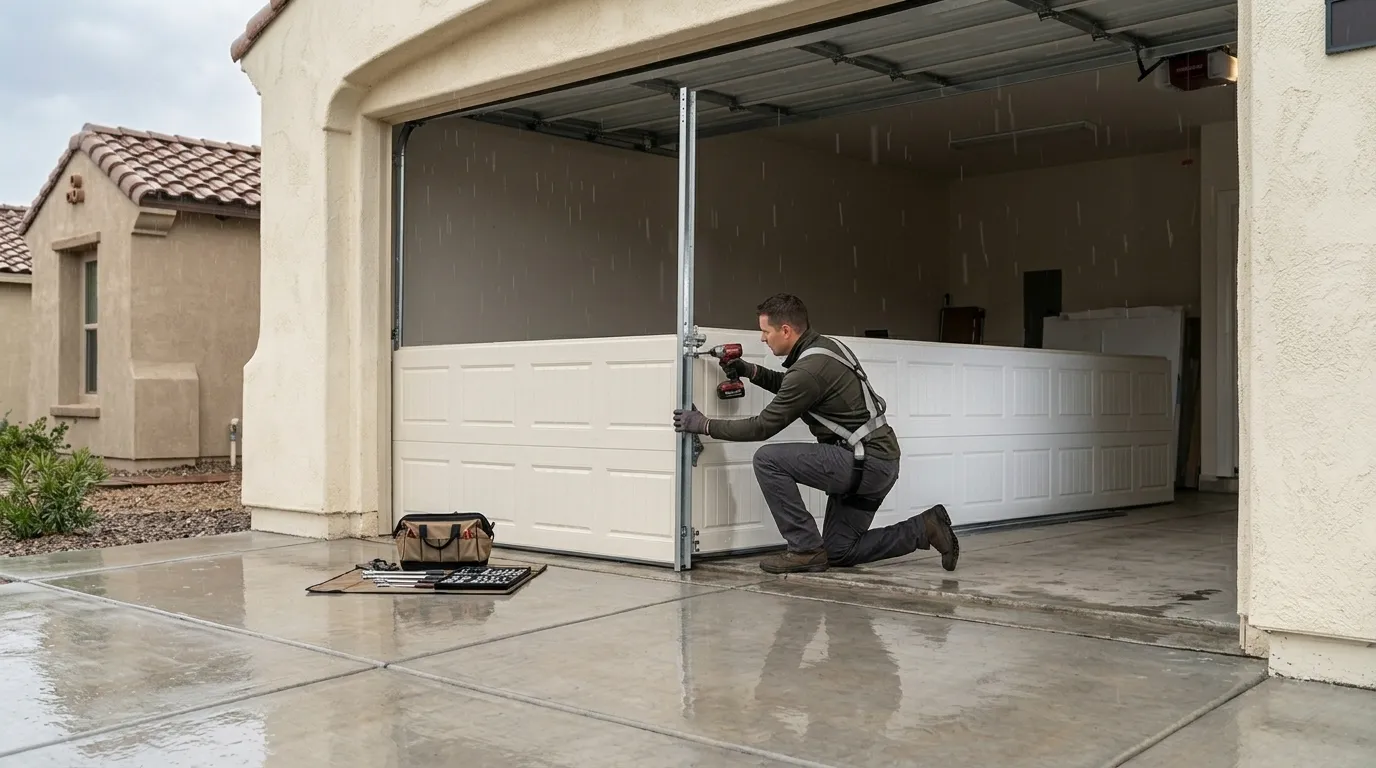
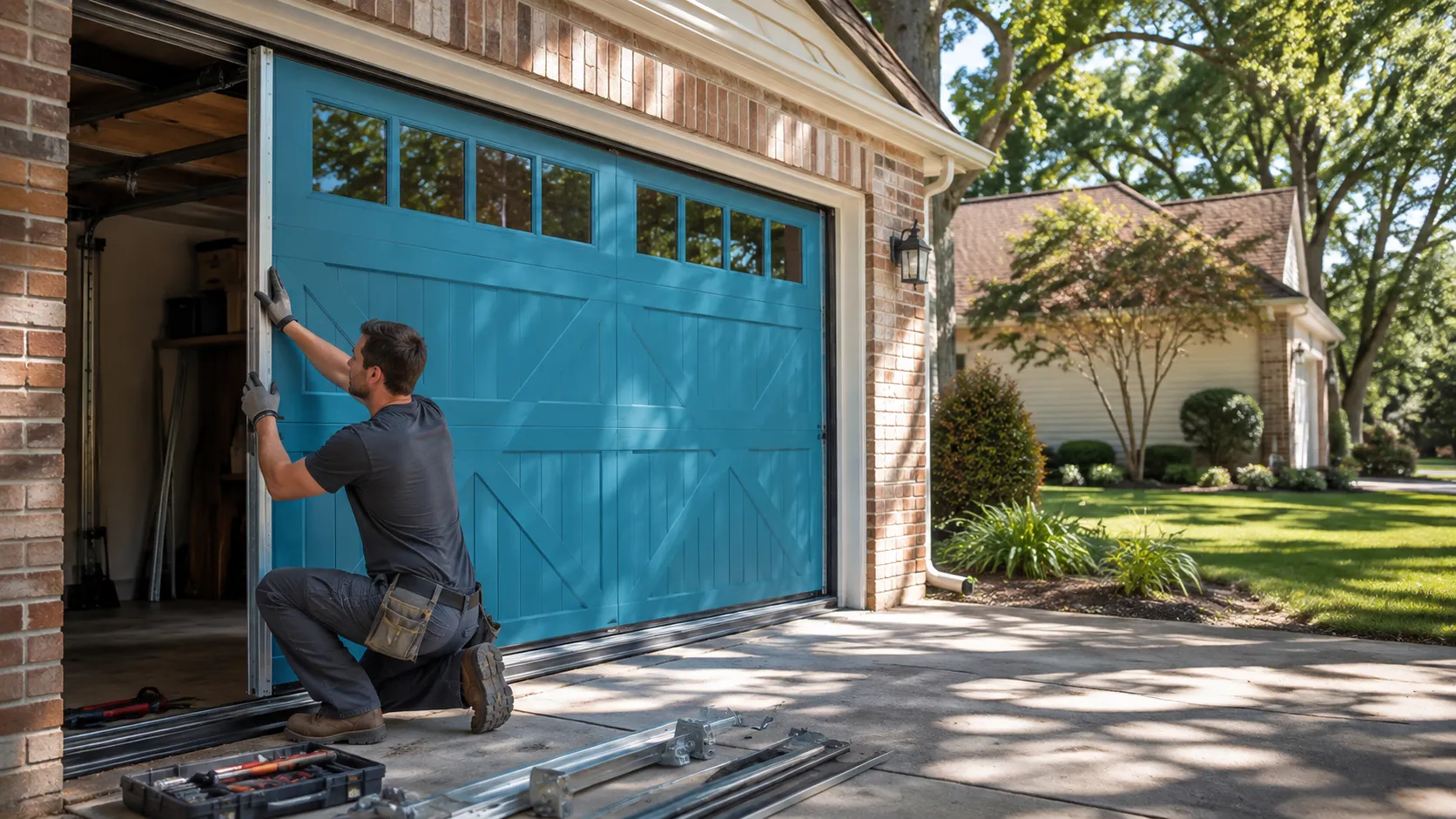
Most of the garage doors we see in Hartford came with the house, and most of those houses were built around 1993 - newer than a lot of the stock we cover elsewhere in the area, where construction runs as far back as 1958. That newer build year shows up in the doors themselves: wider two-car openings, usually a single 16-foot steel door instead of two 8-footers, hung on standard torsion springs sized for that wider span. The panels are builder-grade steel, often with a thin foam-and-vinyl laminate rather than the polystyrene sandwich you'd find in a door put in during the 2000s or later.
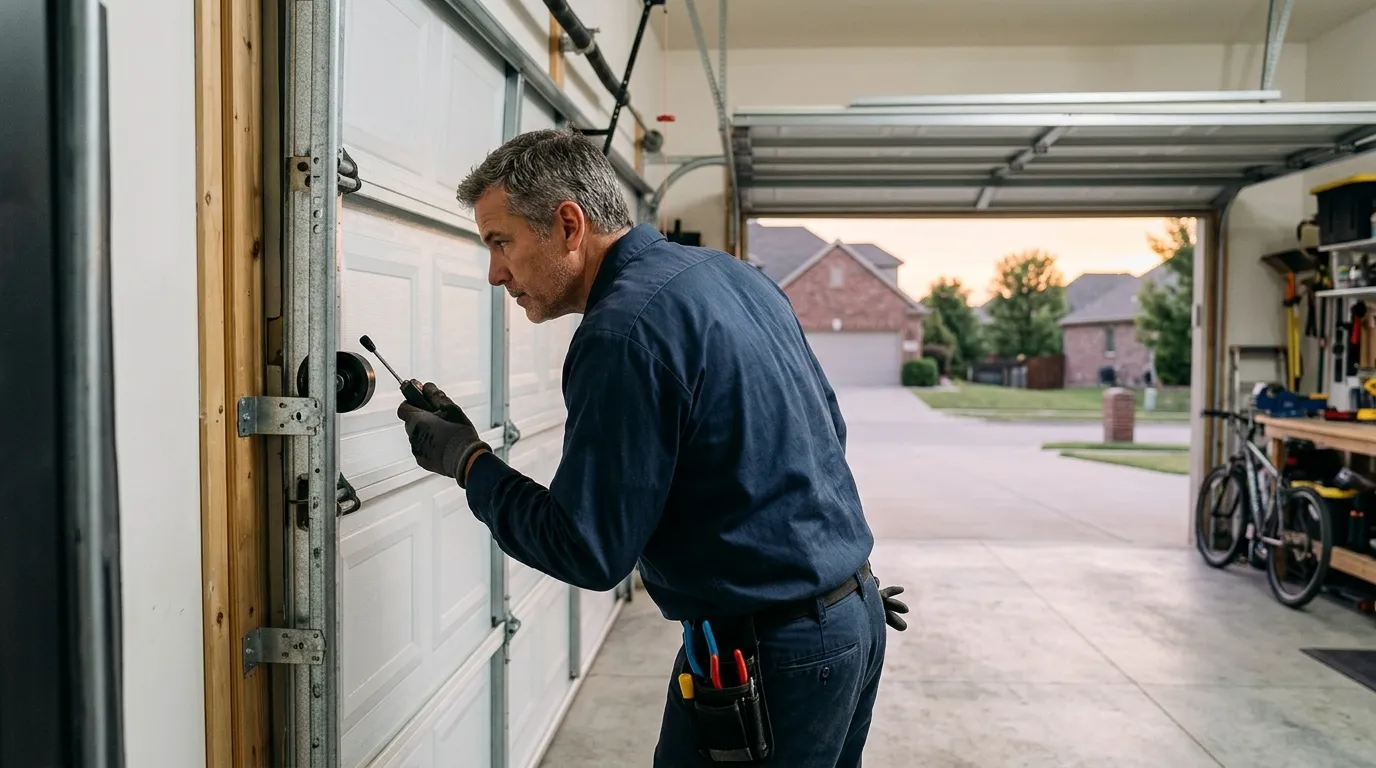
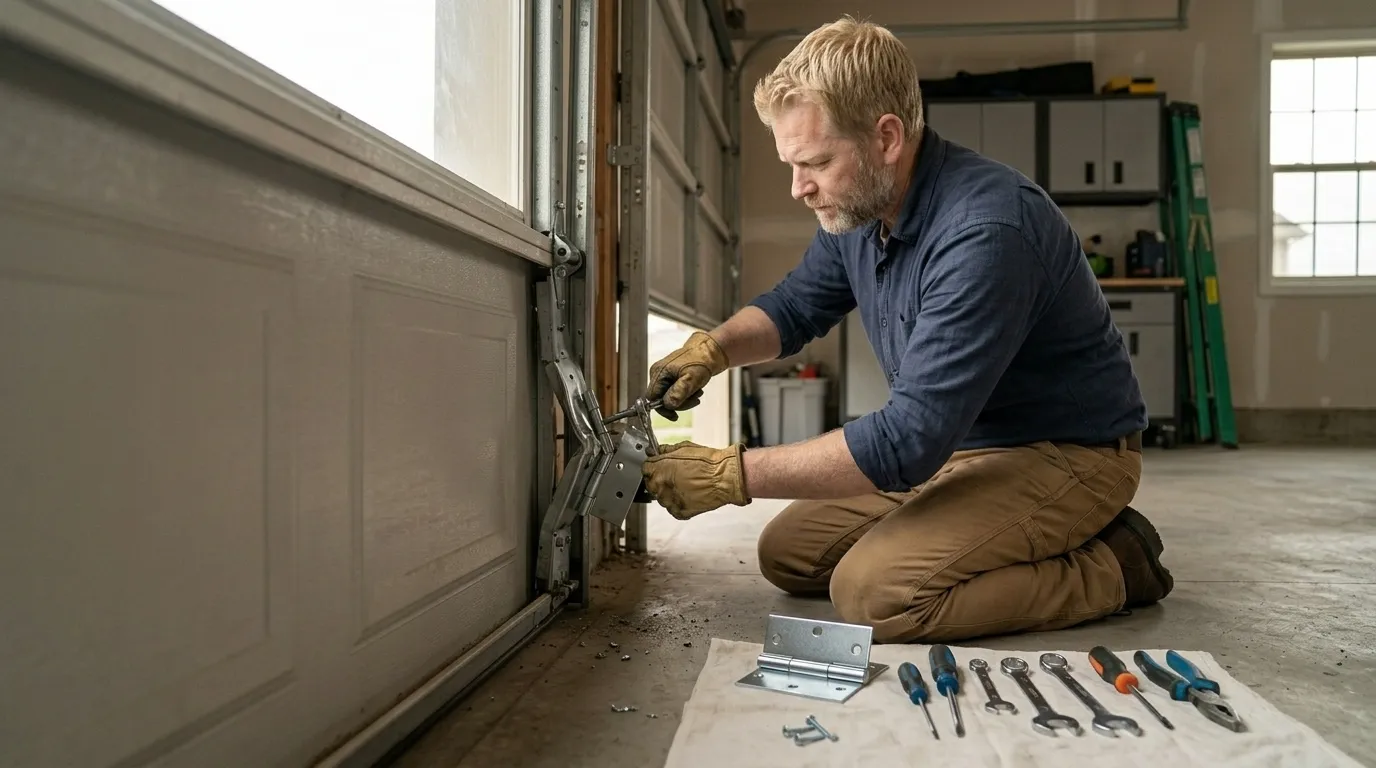
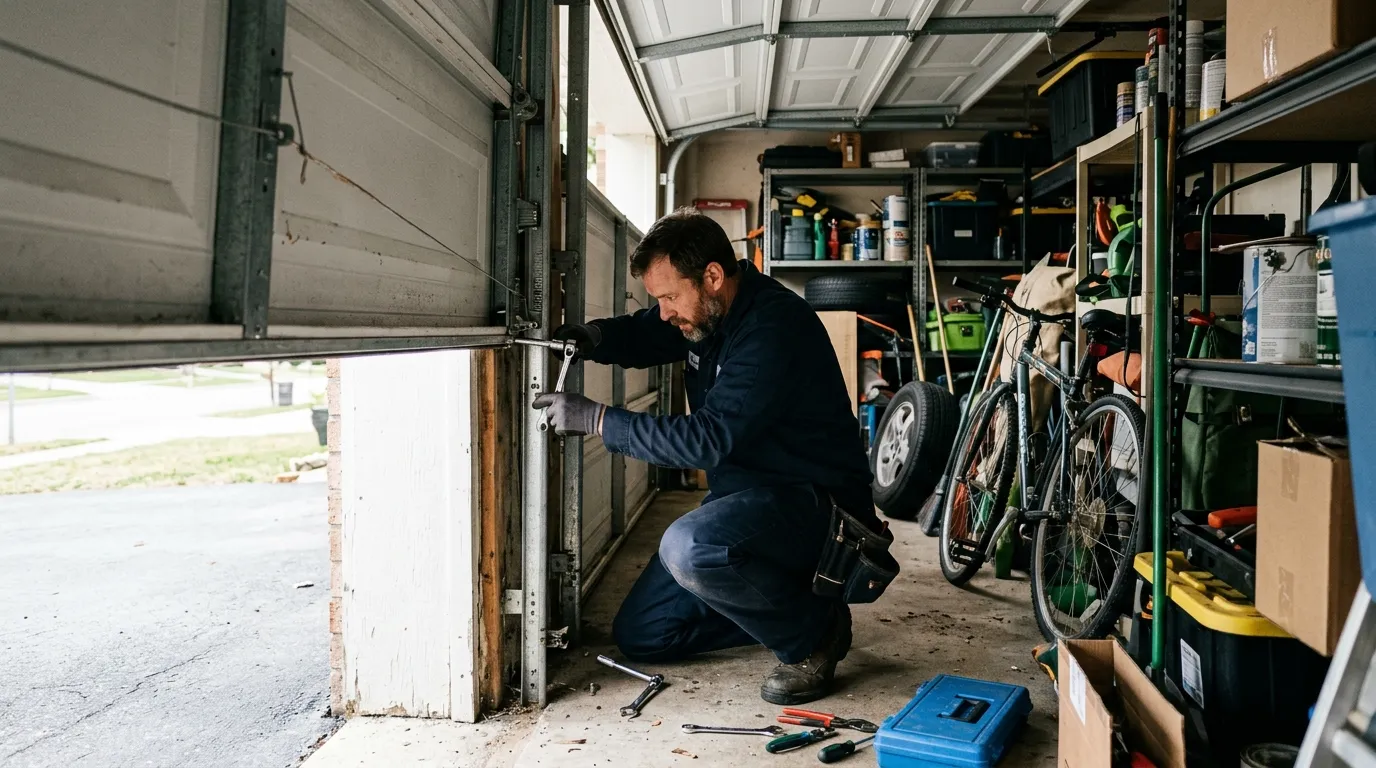
That combination - wide door, standard-duty spring, mid-90s hardware - means the spring does more work per cycle than it would on a narrower door, and when it lets go, it tends to let go on both ends of the shaft at once rather than one side first. Rollers on these doors are usually the original nylon, and by now they've done three decades of cycles in a climate that runs cold and hard on lubrication. A repair here is rarely just "a spring" - it's usually spring plus rollers plus a check on the cable drums, because the whole system aged together.
The Cost of This Job
Hartford households have a median income of $74,252, noticeably below the wider service area's $88,634, which we mention because it changes what "worth fixing" means for a lot of the calls we take here. A wider door built in 1993 usually still has serviceable track and drum hardware even when the spring's gone, so a straight spring-and-roller job is common and doesn't require touching the opener or the track.
What we don't do is quote a number sight unseen. A door that's cycled for 30 years in a cold-climate winter can have wear in three or four places at once, and the only honest estimate comes from someone standing in front of it. We'll tell you upfront if a repair is going to cost close to what a new door runs - on a wide single door that math changes faster than it does on a narrower one, since you're buying more steel and a heavier-duty spring set either way.
How to Book
We run out of West Bend, 12 miles from Hartford, and we cover the town as part of the regular route rather than as a separate branch - there's no local depot here, just a truck that comes out on the schedule. Call and describe what the door's doing: whether it's stuck, sagging on one side, or making a specific noise when it moves. That tells us most of what we need before anyone drives out.
Because Hartford's stock leans toward wider single doors from the 1990s build wave rather than the older narrower doors we see closer to West Bend, it helps to know your door's rough width and whether it's one panel or two before you call - it changes what parts we bring.