Why This Fails Locally
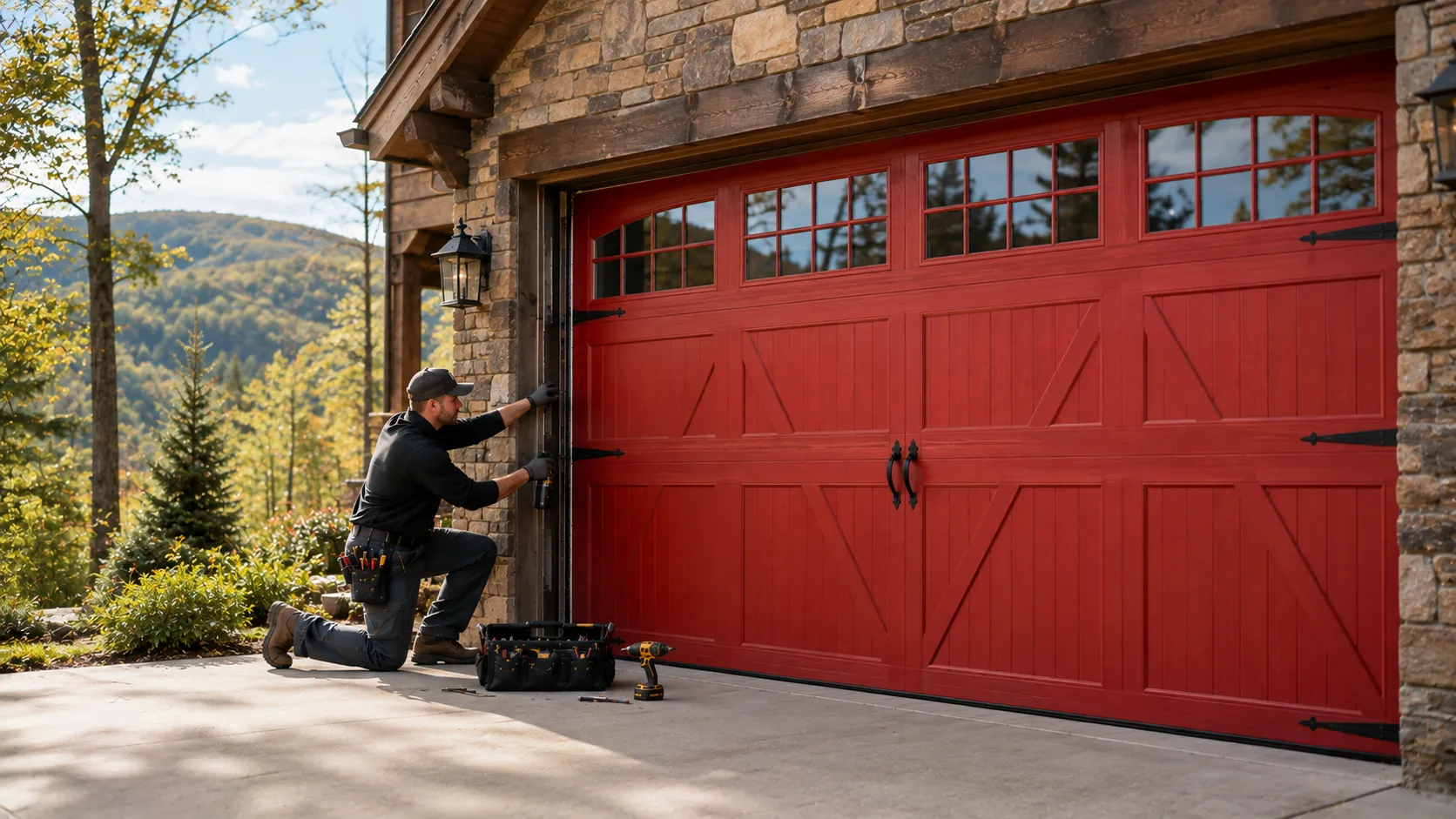
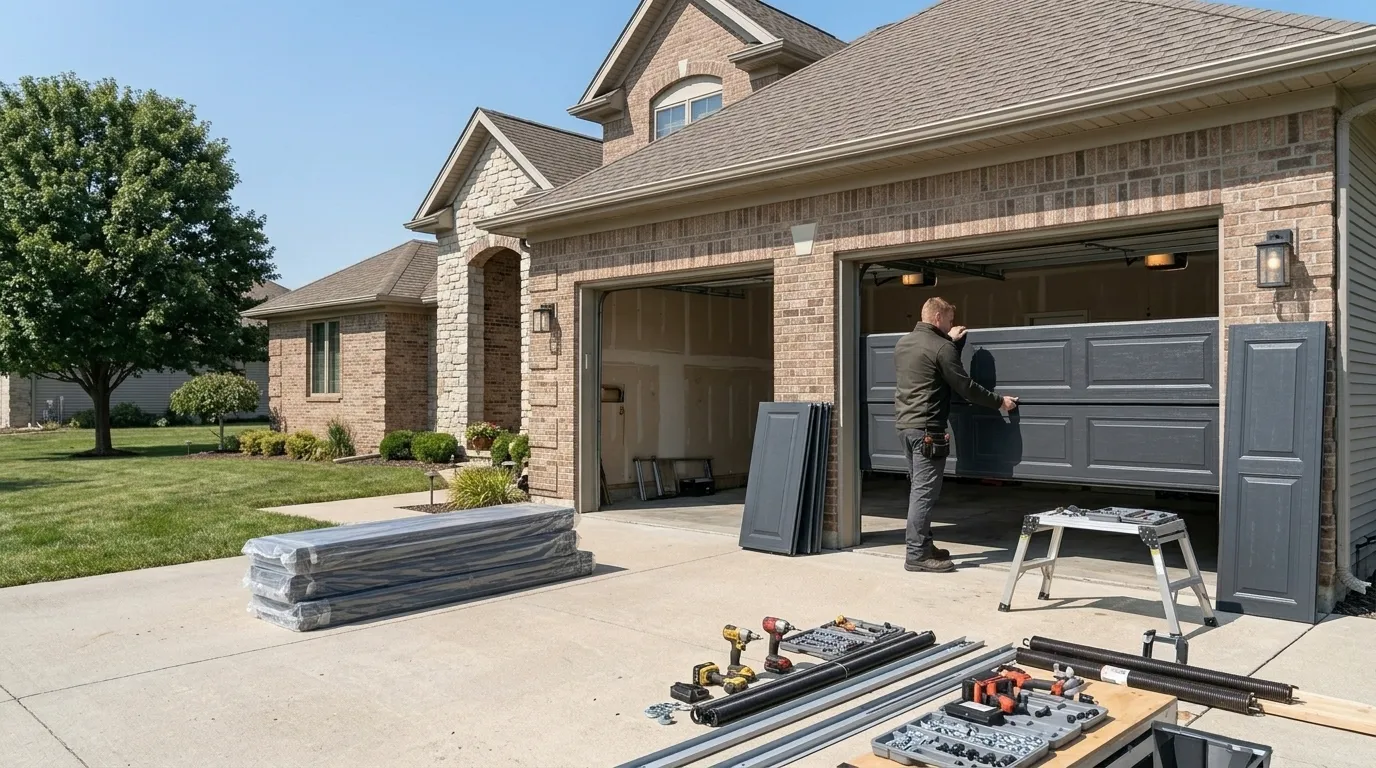
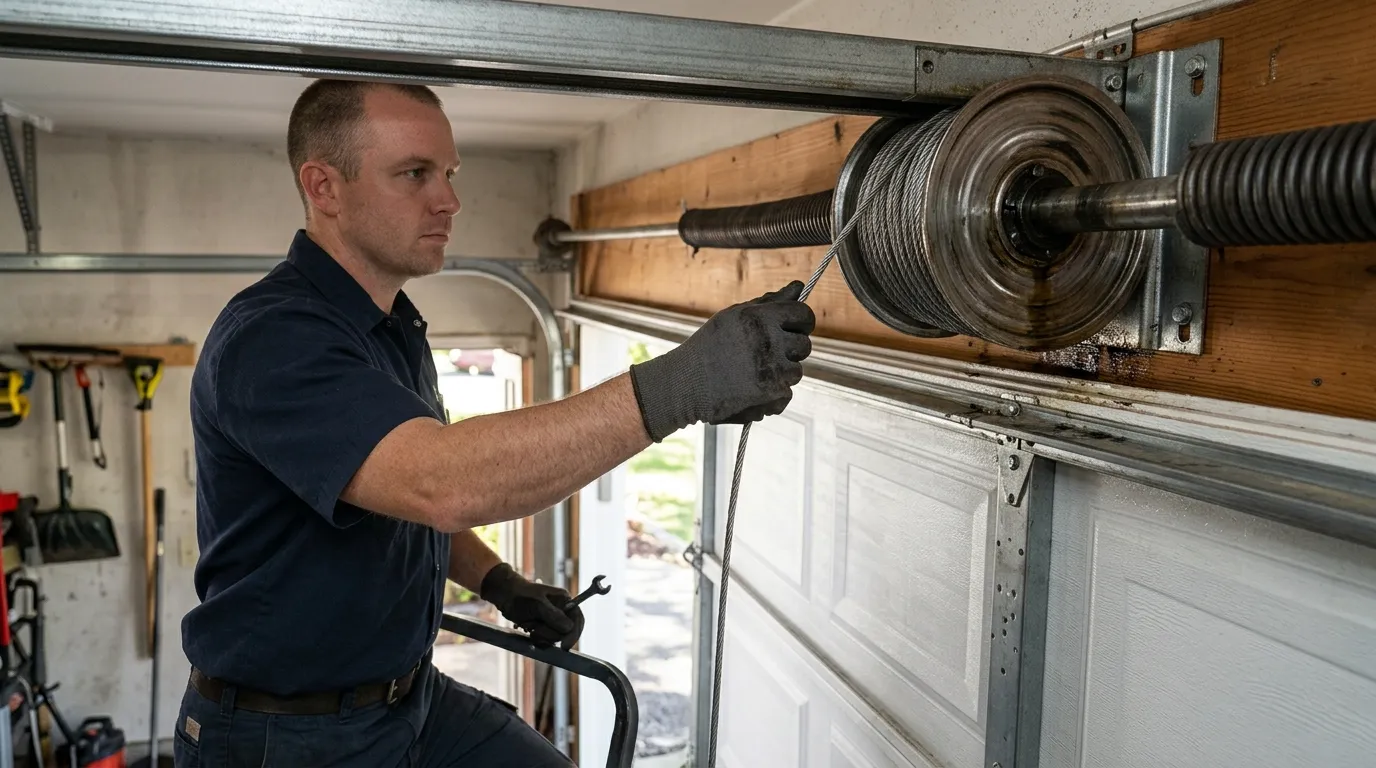
Slinger's median year built is 1993, noticeably newer than the 1958-1999 spread across the rest of the service area, where the median lands closer to 1976. That matters because a door built in the early '90s is almost always a steel sectional, wider than the old single-car doors from the '60s and '70s, running on torsion springs mounted on a center bracket over the opening rather than the older side-mounted setups. These doors are heavier per panel and depend on a spring rated to that specific weight. When the spring stretches or a cable frays, the door doesn't creak first - it drops. Nothing about that changes because the town is Slinger, but the fact that this housing went up mostly in one decade means most doors on a given block are aging out of their factory lubrication and weatherstripping at close to the same time. We drive out from West Bend, 7 miles away, and see clusters of the same failure - not one house, but three or four on the same street, within a season of each other. That's a build-era pattern, not bad luck.
How to Book
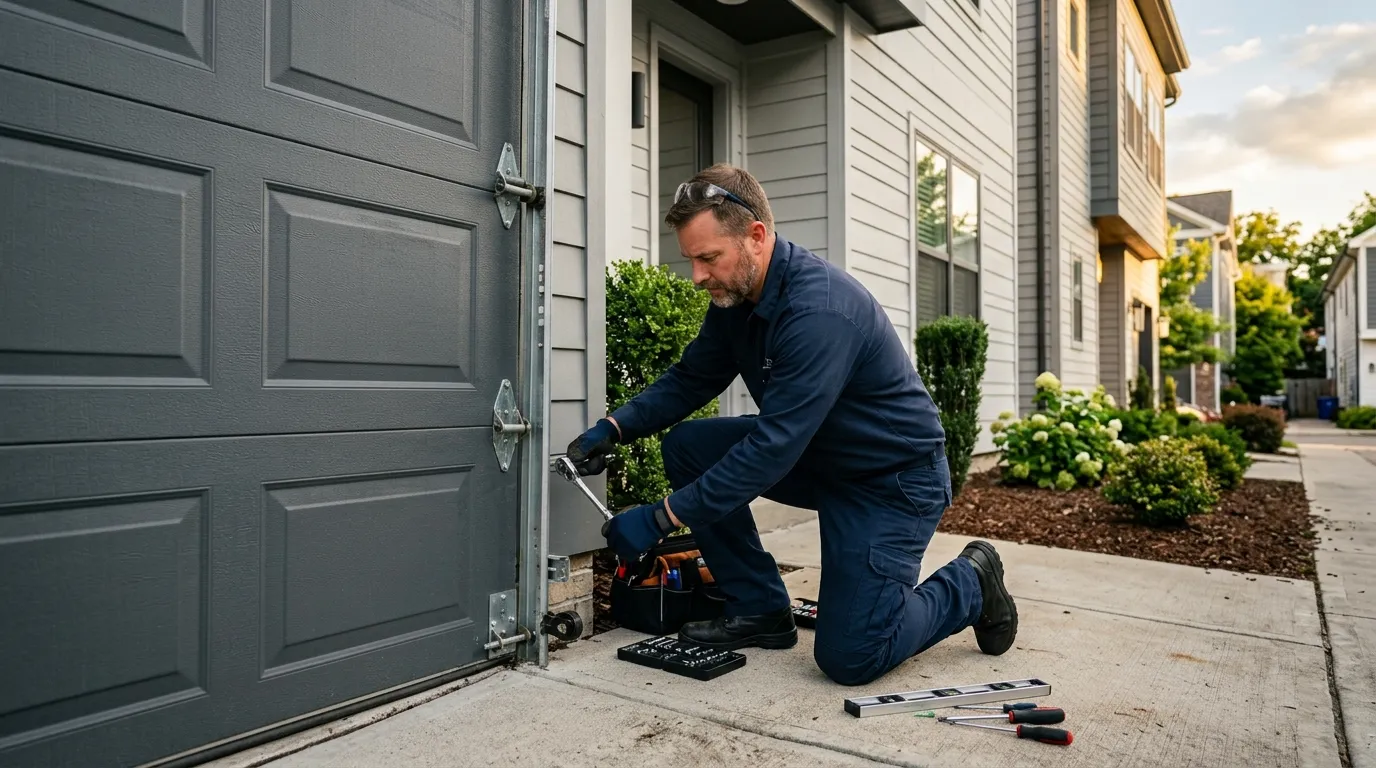
We work Slinger from our West Bend location, about 7 miles out, so there's no separate branch here - just a truck that comes when you call. Tell us the door's approximate age and whether it's a single or double opening; for 1990s construction that's usually enough for us to bring the right torsion springs instead of guessing on site. If you know the household is one of the newer builds in town rather than an older infill lot, mention that too - it changes what we expect to find on the spring and cable setup. Booking maintenance ahead of a fault, rather than after one, is the cheaper visit almost every time. See the Slinger garage door service page for what a standard visit covers.
Can You Do This Yourself
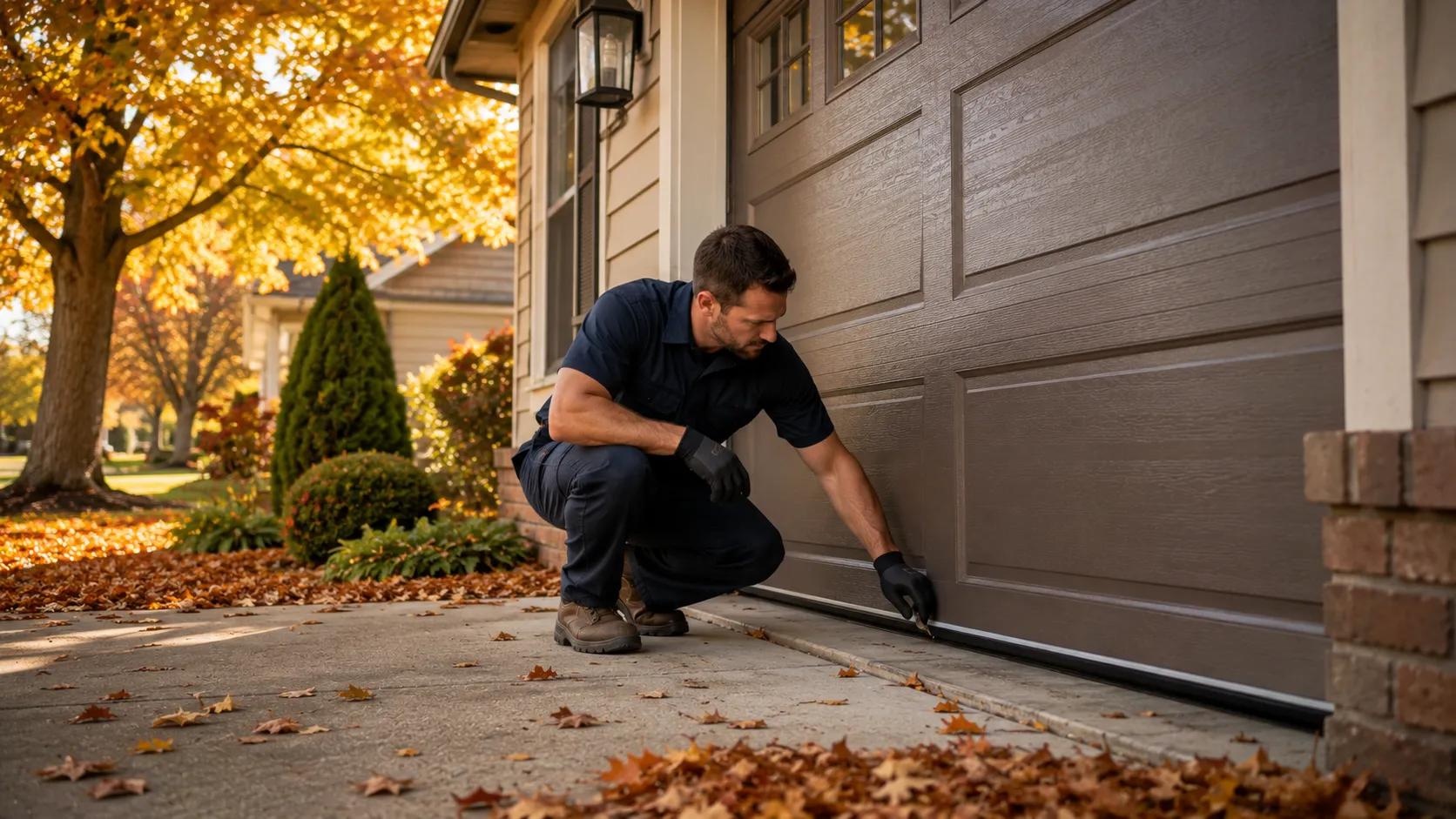
Lubricating the rollers, hinges, and track with the right garage door lubricant, and checking that the bottom weatherstrip still seals when the door's down - both of those are fine to do yourself, and doing them twice a year keeps a lot of the small problems from becoming service calls. What you shouldn't touch is the torsion spring. It's under enough tension to cause a serious injury if it lets go while you're adjusting it, and on a door this size, that tension is not trivial. If you're not sure which category a task falls into, treat it as the spring category and call it in.
The Cost of This Job
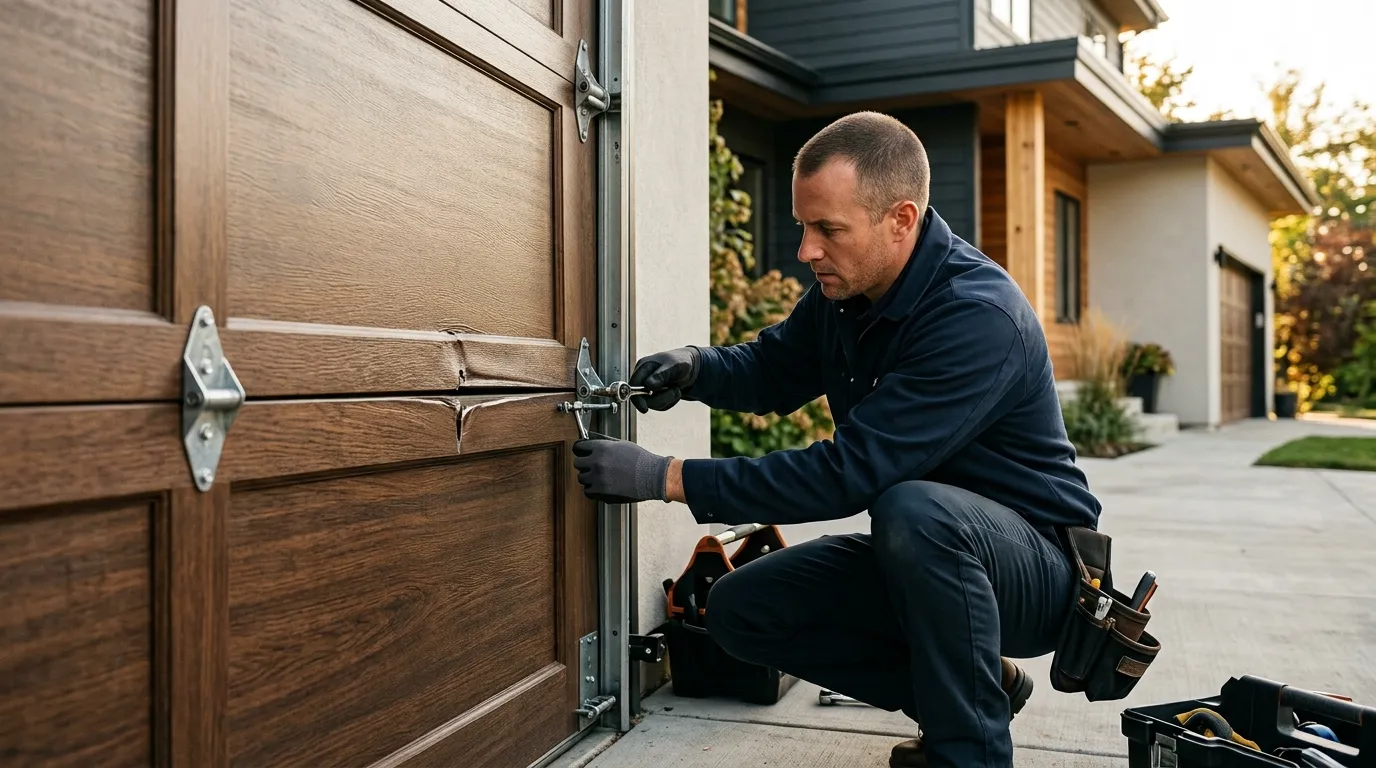
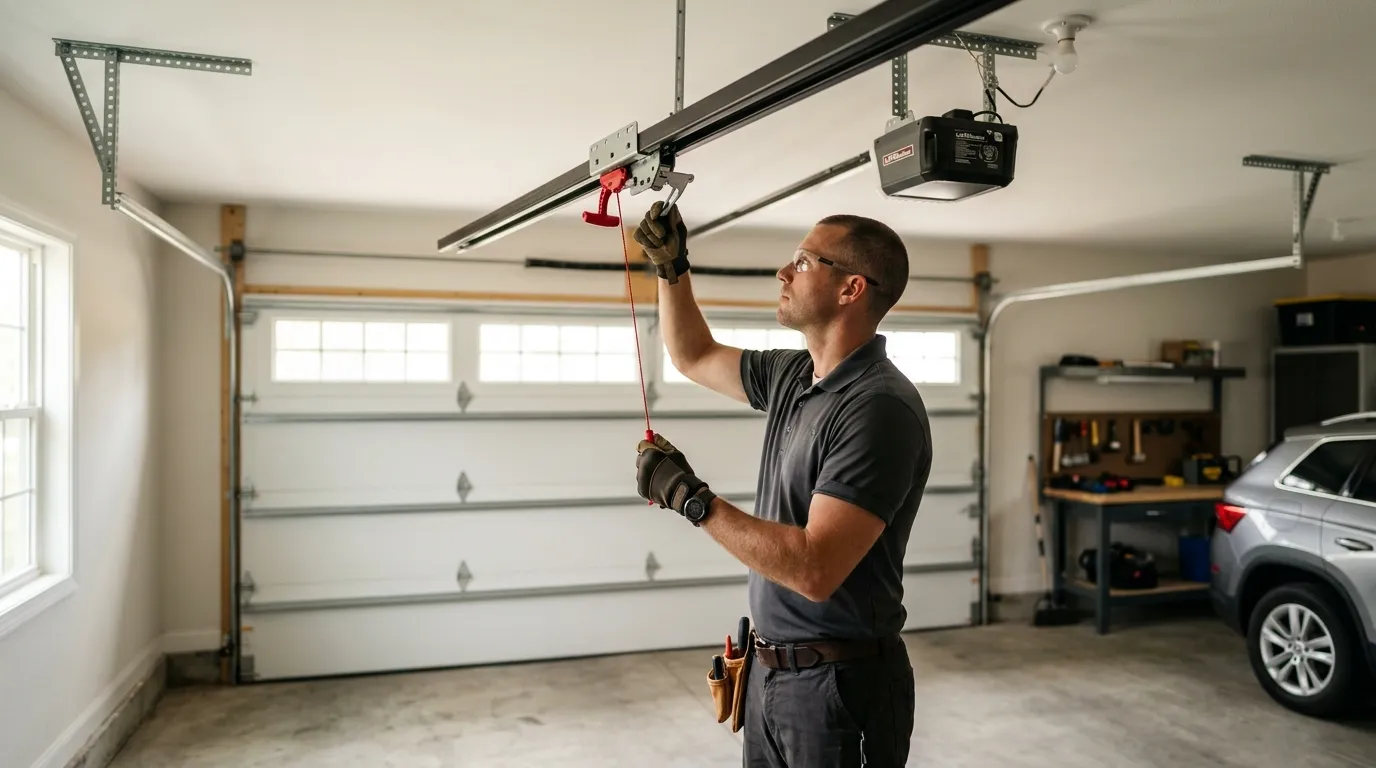
We don't have a set price to quote here without seeing the door - spring weight, opener type, and how far things have drifted out of adjustment all move the number. What we can say is that a maintenance visit catching a weak spring or worn rollers before either fails outright is reliably cheaper than an emergency call after the door won't open at all. For the general service menu and what's included in a standard maintenance visit, the West Bend maintenance page covers that in more depth.