The Cost of This Job
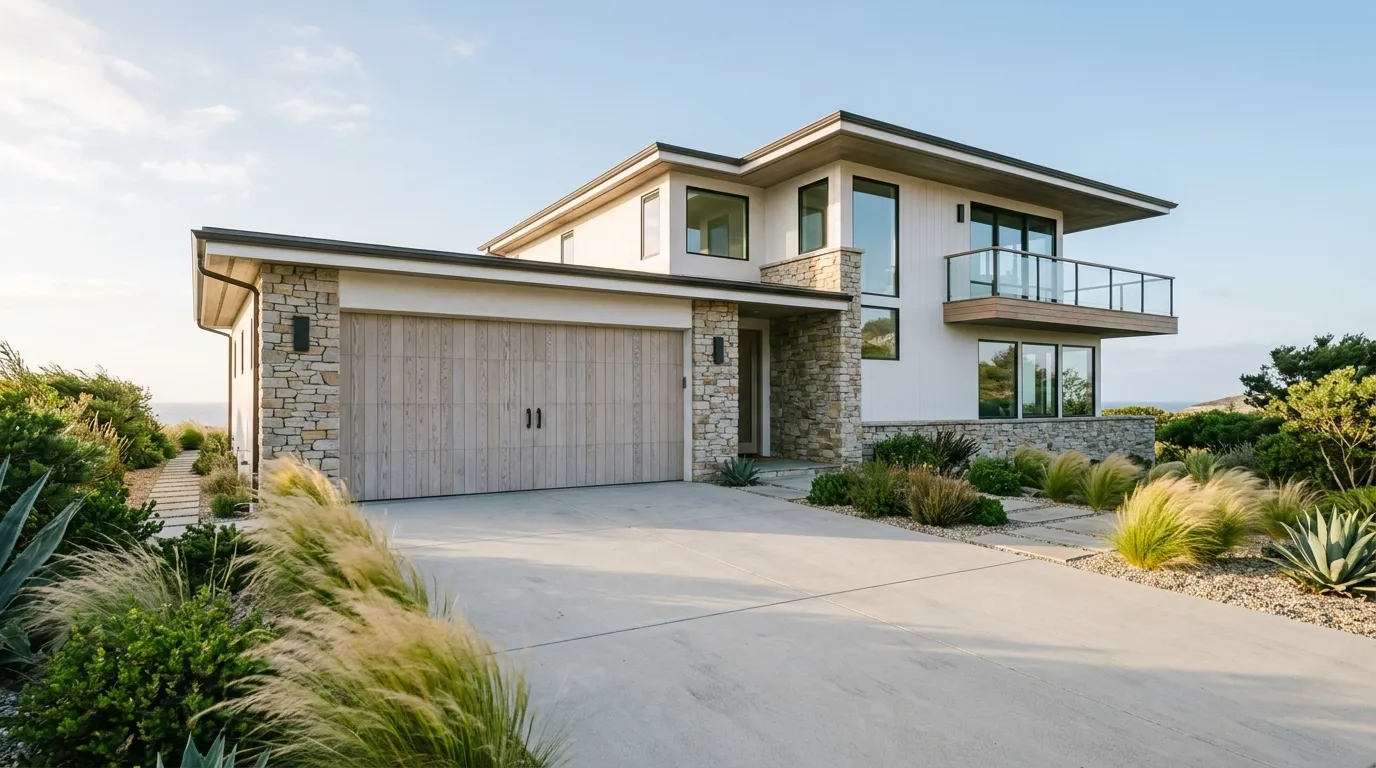
Jackson's housing stock skews newer than most of the towns we cover out of West Bend - a lot of it went up around 1999, well past the 1958-1999 range that spans the wider service area. That matters for repair cost because newer construction usually means steel doors on factory-set torsion springs and pre-wound extension systems, not the older side-mounted setups you still find in towns with more 1960s and 70s stock. Parts for a late-90s door are easier to source and usually cheaper than parts for something original to a 1962 build. We can't quote a number here without seeing the door, the spring size, and what's actually broken - a snapped cable job and a bent track job aren't priced the same, and we're not going to pretend they are. What we can tell you is that a household in this area, with median income near $95,960, is more often looking at a full opener swap than a patch job, simply because the door itself is still in good shape and the failure is electrical or mechanical, not structural rot from age.
What Can Go Wrong
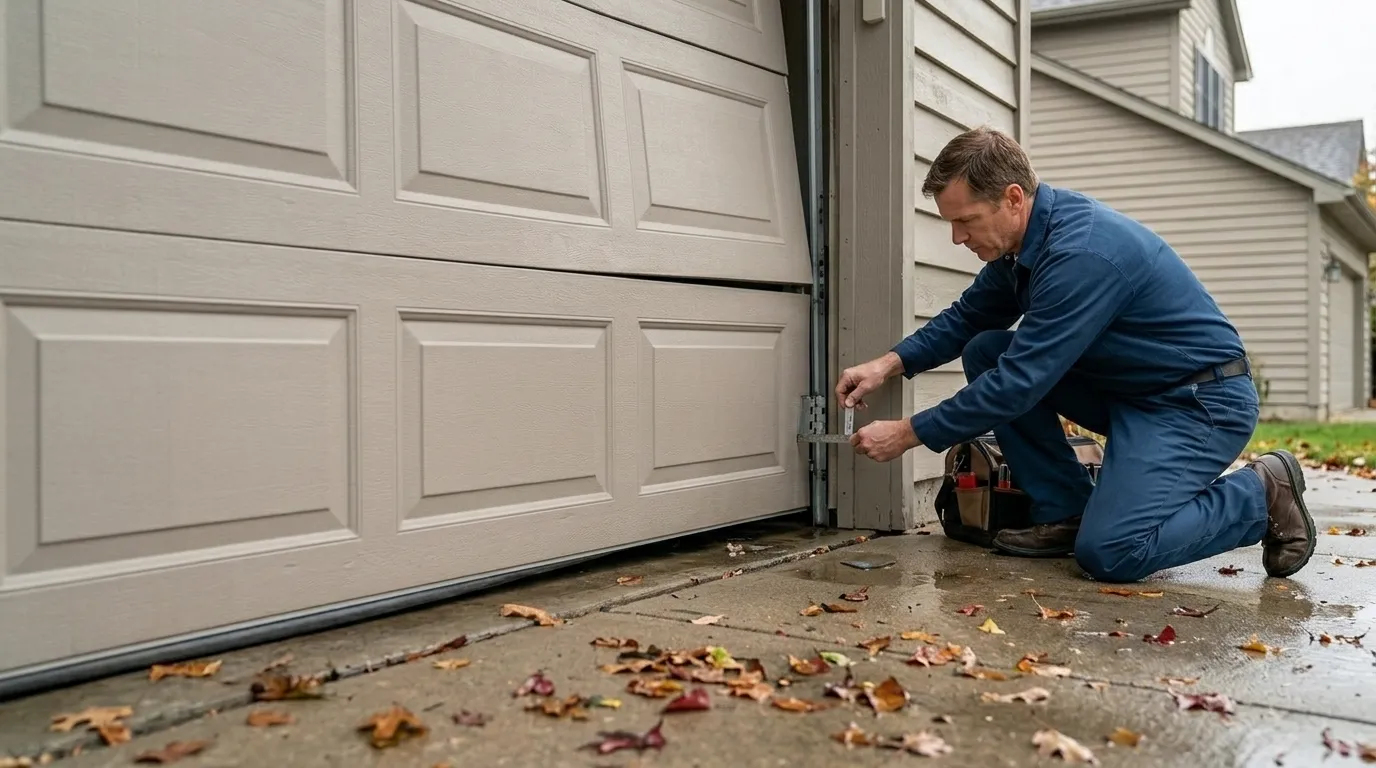
On a door from the late 90s, the most common emergency call is a broken torsion spring - factory springs from that era are rated for a set cycle count and most of them are past it by now. Second most common: opener logic boards failing outright rather than degrading slowly, since a lot of those units used circuit boards that don't age gracefully after two decades. Cables fraying at the drum are less common here than in older housing stock nearby, since the winding hardware is a newer style. Winters in this part of Wisconsin sit in the severe-cold band, and cold makes any weak spring or worn cable more likely to fail on the exact morning you need the door open - metal contracts, lubricant thickens, and a spring that was 80% worn becomes a spring that's done.
How Long You Are Without the Door
We're not based in Jackson - we run out of West Bend, about 7 miles out, and that drive time is part of the honest math here. A same-day emergency call still means a wait for the truck to get across, not an instant fix. Once we're there, most single spring or cable repairs on a door this age take under two hours start to finish, since the hardware is standard and parts for late-90s doors aren't hard to match. An opener board replacement can run longer if we don't have the exact model on the truck and need to source it, which is the honest limitation here - we stock common boards, not every board ever made for every opener sold in the last 25 years.
What the Repair Takes
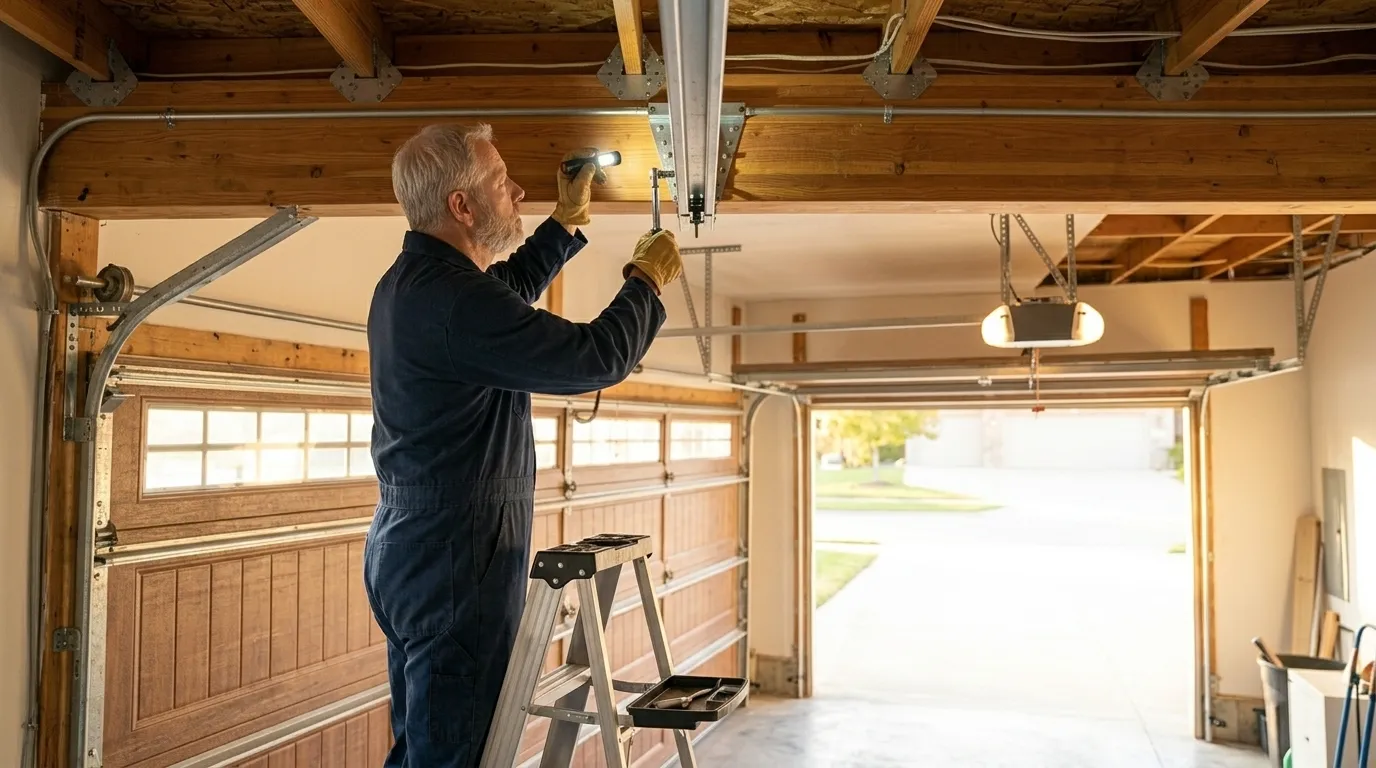
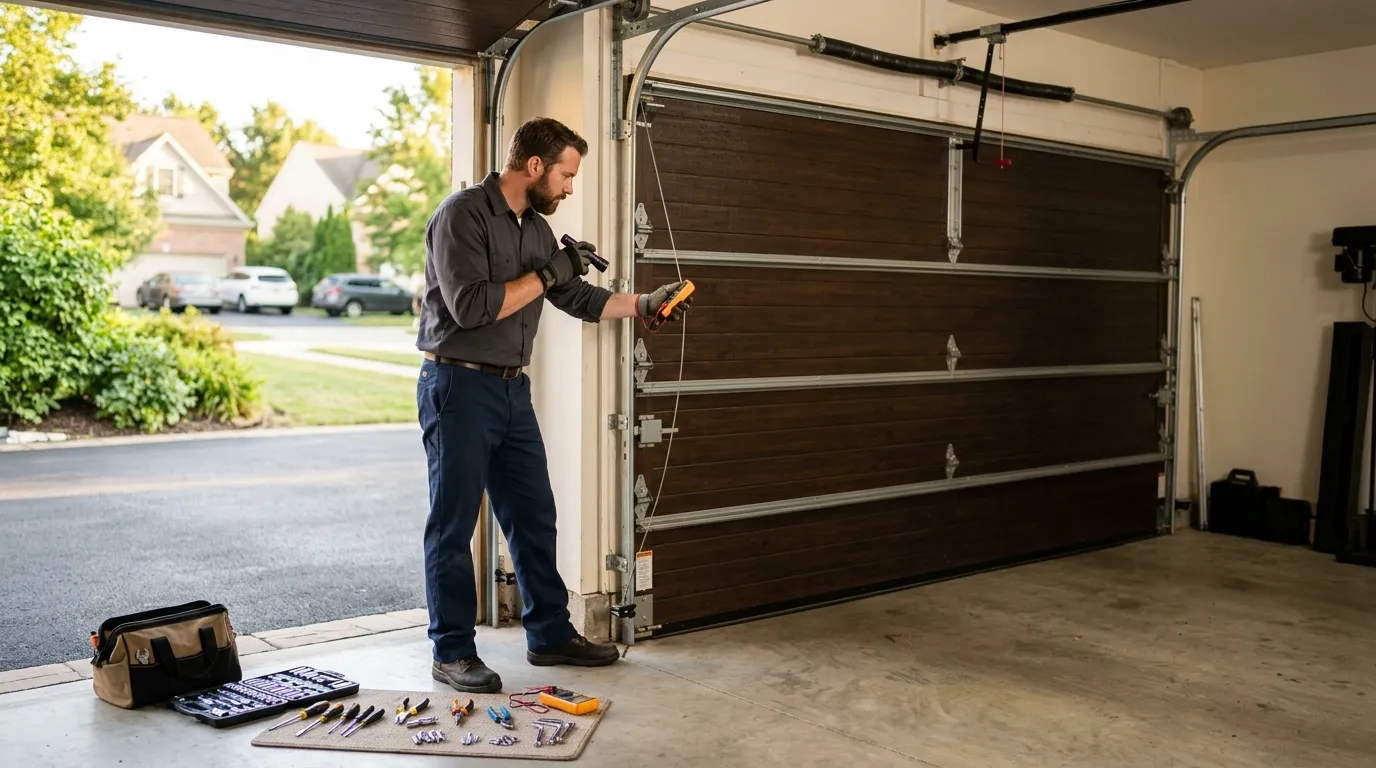
For a broken torsion spring, the job is: unload the tension on the old spring safely, pull it, measure the door for wire size and wind, and set a replacement rated for the door's weight and cycle count. For a failed opener board, it's diagnosis first - check the logic board, the capacitor, the wiring to the wall unit - before deciding a full opener swap makes more sense than a board-only fix. Given the age of doors in this area, we're usually working with standard-width residential doors on torsion hardware, not the wider or heavier custom setups you sometimes see on older homes with hand-built garages. That keeps the parts list short and the job predictable, which is part of why turnaround here tends to run faster than on an older door with nonstandard hardware.