The Cost of This Job
A maintenance visit in Jackson is a short add-on to the route out of West Bend - seven miles, nothing that turns into a special trip or a long wait for a slot. That matters more than it sounds like it should, because a maintenance call isn't an emergency call. It's scheduled, it's planned, and the drive time doesn't get passed on the way it would for an after-hours repair.
What we can't do is quote a number here, because we don't have a published price to put on this page. What we can tell you is what drives the cost on a job like this: how many moving parts the door has (single door versus double, one spring versus two), how old the hardware is, and whether anything beyond basic lubrication and adjustment turns up during the inspection. With 3,509 households in Jackson and a median income of $95,960 - well above the $88,634 median across the wider service area - a fair number of owners here treat maintenance as a yearly line item rather than something they get to after a spring lets go. That's the cheaper way to run a garage door, long term.
What Can Go Wrong
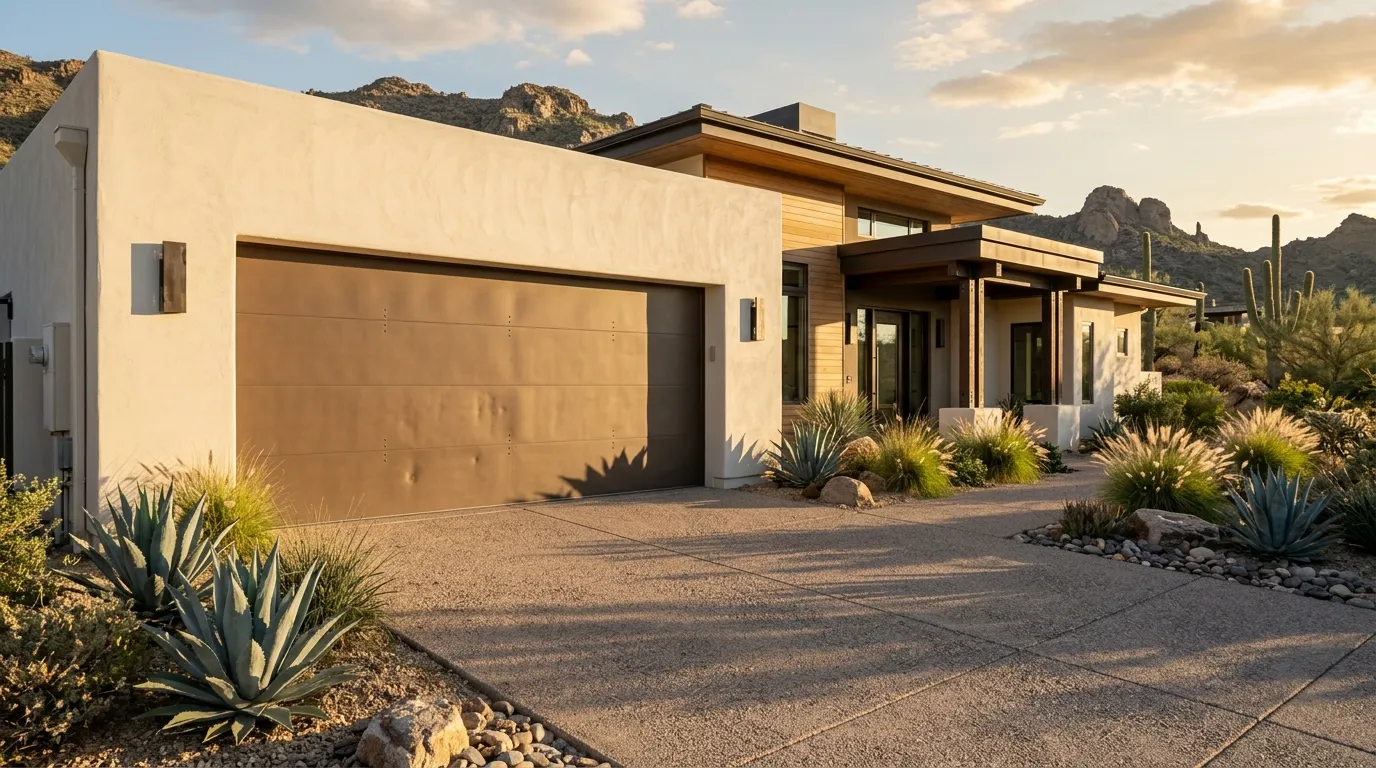
Jackson's housing stock runs newer than the region it sits in - median build year 1999 here, against 1976 across the wider service area, which itself spans homes built between 1958 and 1999. That difference changes what actually fails. Houses from this era were built with double torsion springs and steel, insulated doors as standard, not the older single-spring, side-mounted setups you find on houses from the 1960s. So the common issues here skew toward opener logic boards losing calibration, photo-eye sensors knocked out of alignment, and weatherstripping that's worn thin from repeated freeze-thaw cycles rather than worn-out original hardware.
The region sits in a severe cold climate band, and that matters for a newer door too - insulated steel panels still need their seals intact to keep ice and condensation out of the track. A maintenance visit on a 1999-era door is mostly about keeping factory hardware tuned, not replacing parts that have simply aged out.
How Long You Are Without the Door
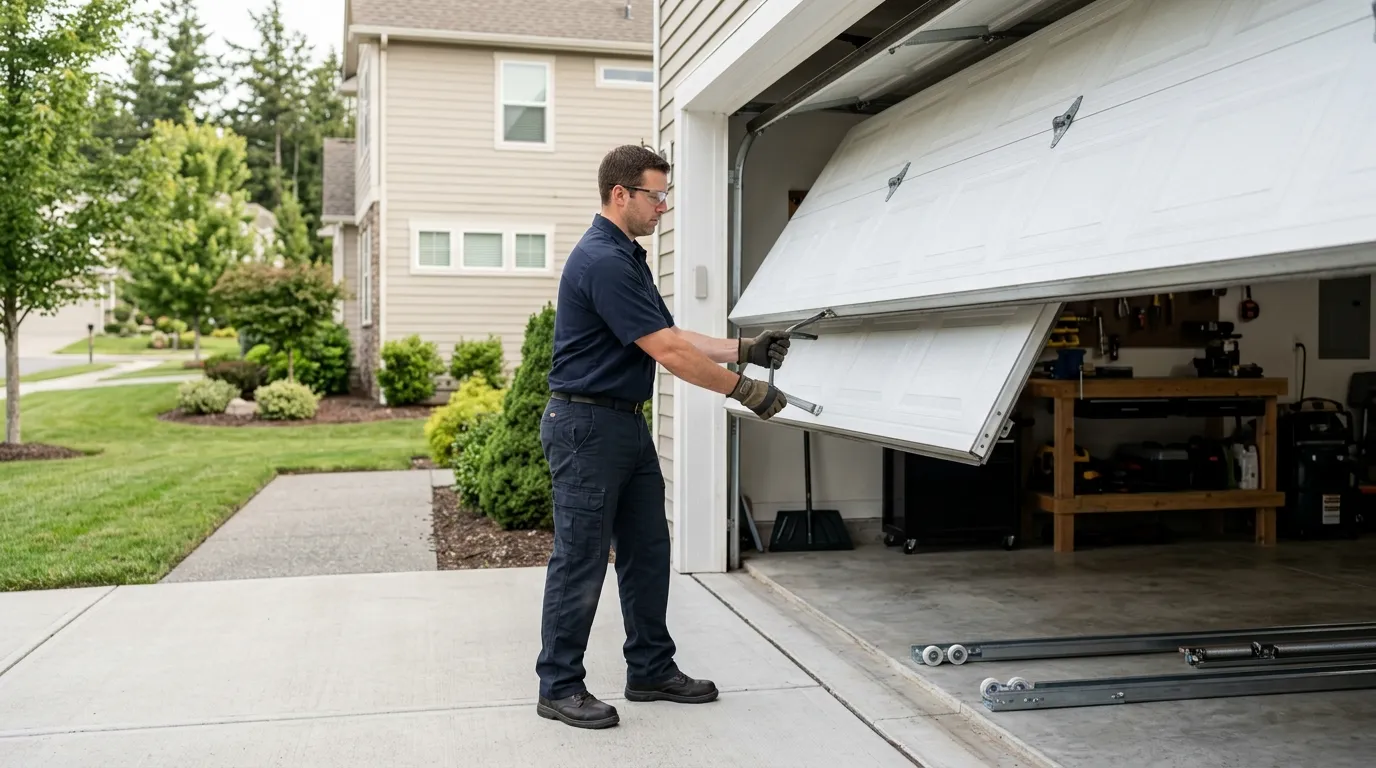
Maintenance isn't a repair, so in most cases the door stays usable through the whole visit - we work section by section, testing balance and cycling the door between adjustments rather than pulling it fully out of service. If the inspection turns up something that needs a part on hand, that becomes a separate conversation, and we won't pretend to give you a timeline here that depends on parts availability we don't control.
We travel from West Bend for every visit in Jackson, so there's no local branch and no stocked inventory sitting seven miles closer than it actually is. That's worth saying plainly: what we bring on the truck is what's available that day, and anything outside standard hardware may mean a second trip.
What the Repair Takes
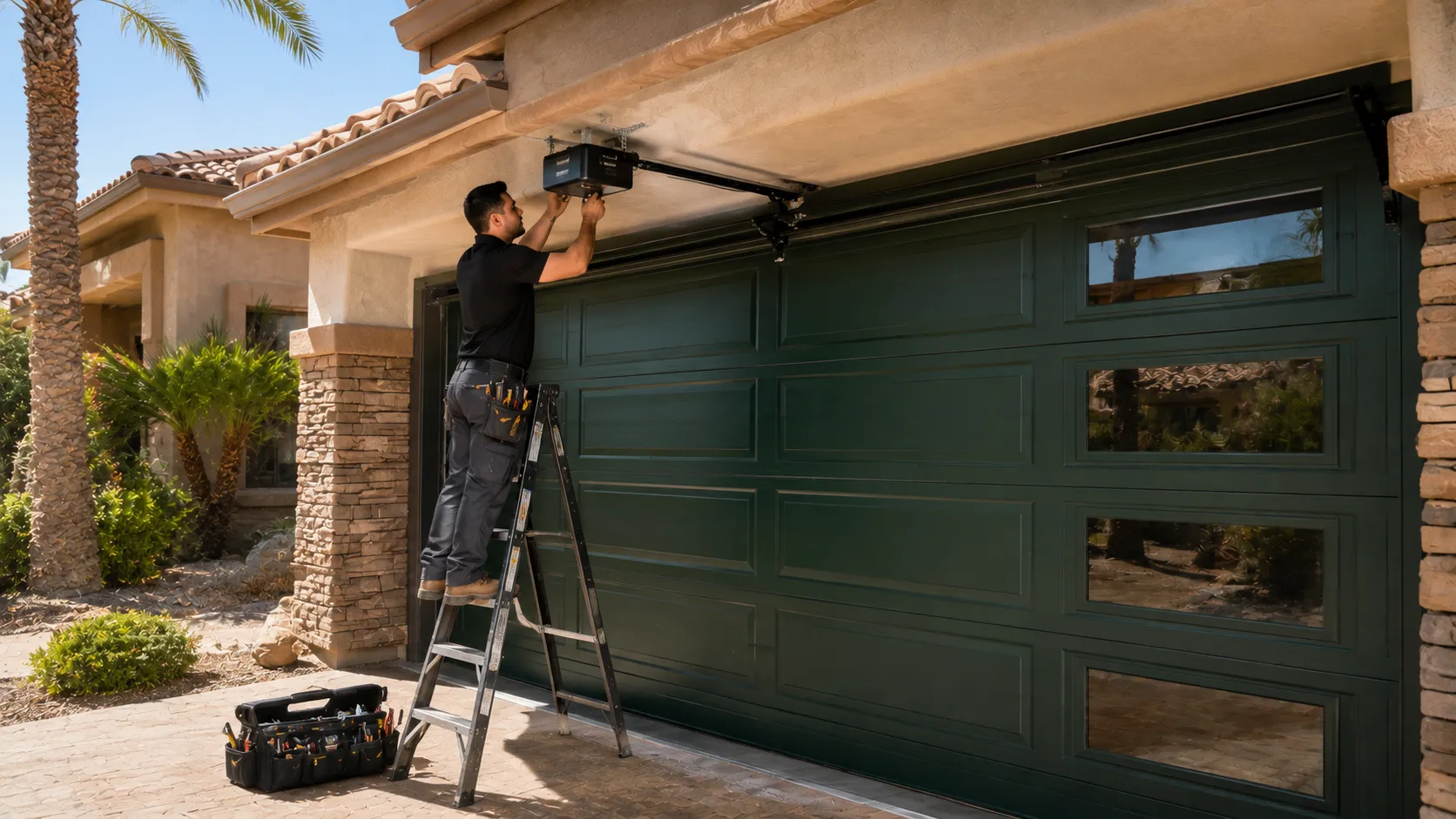
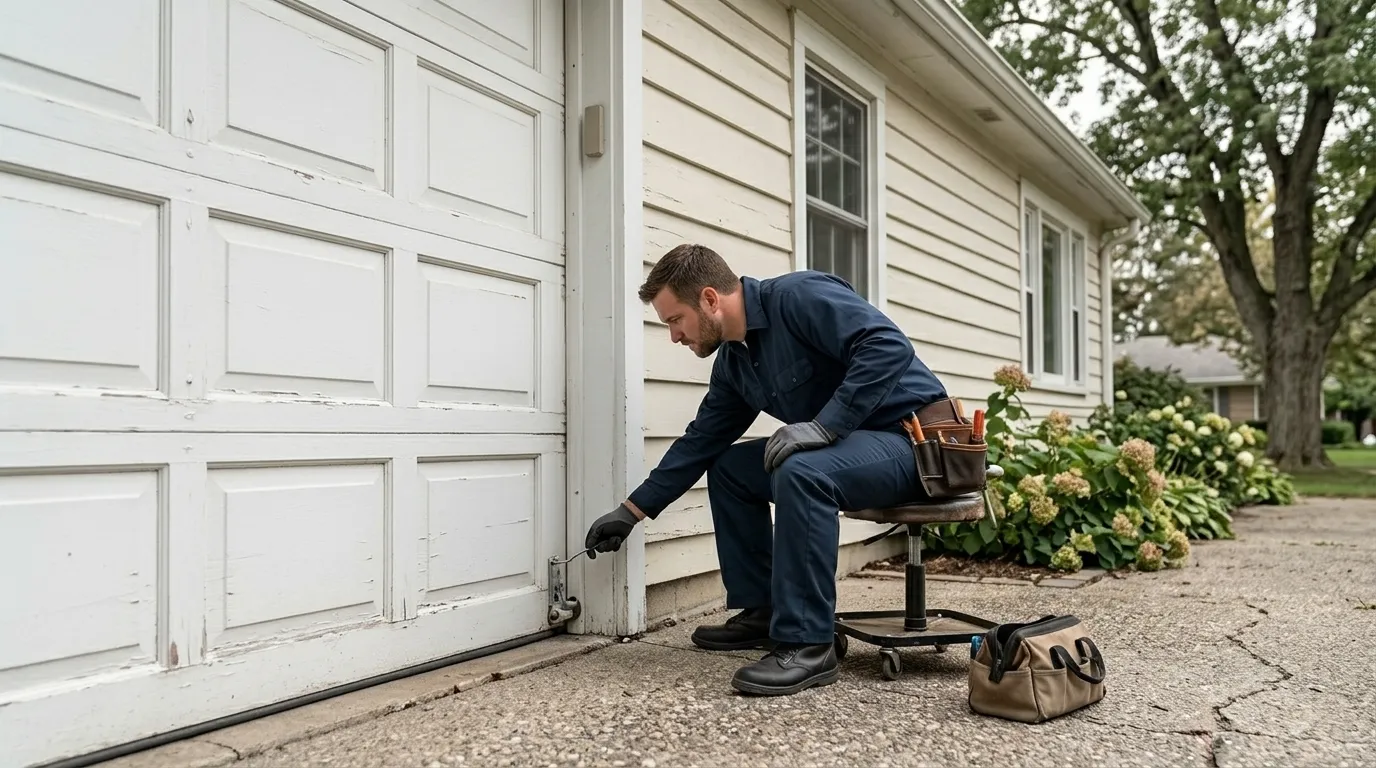
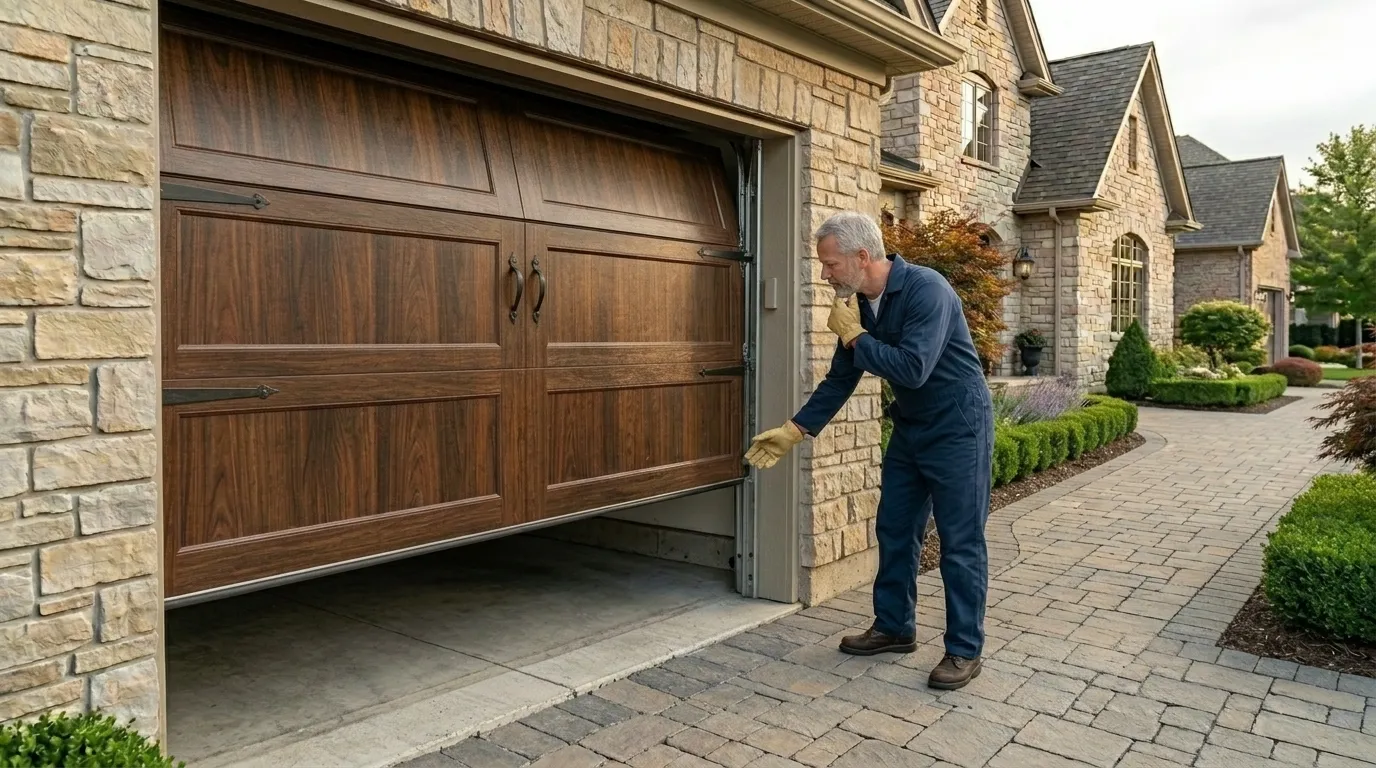
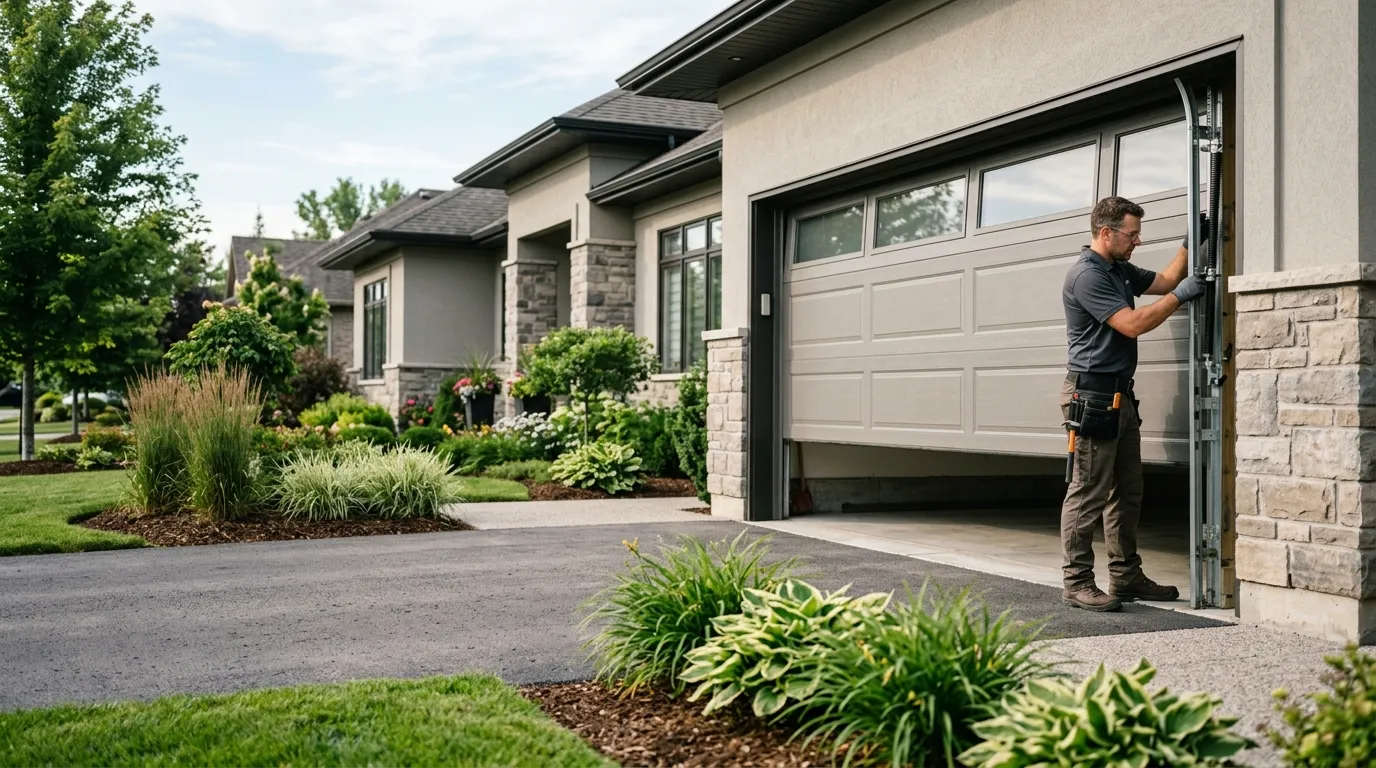
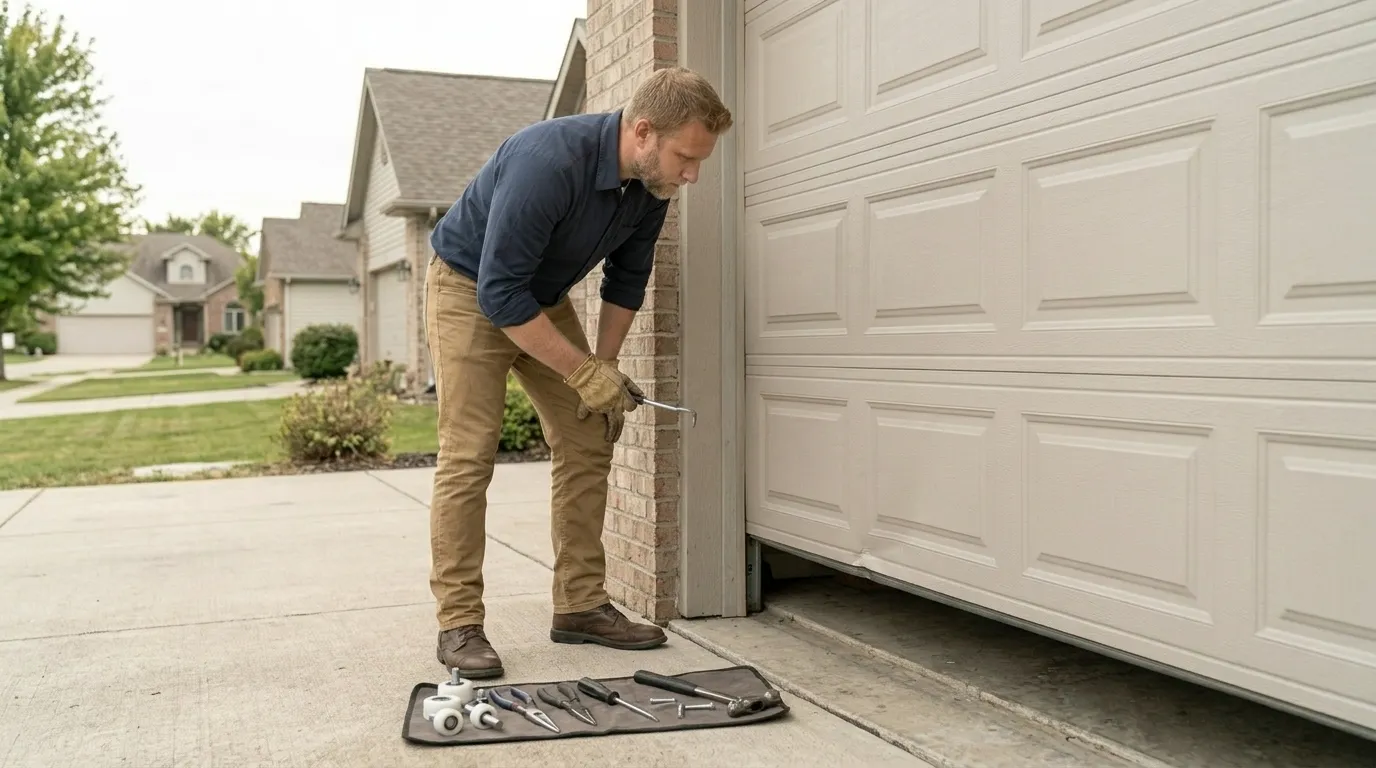
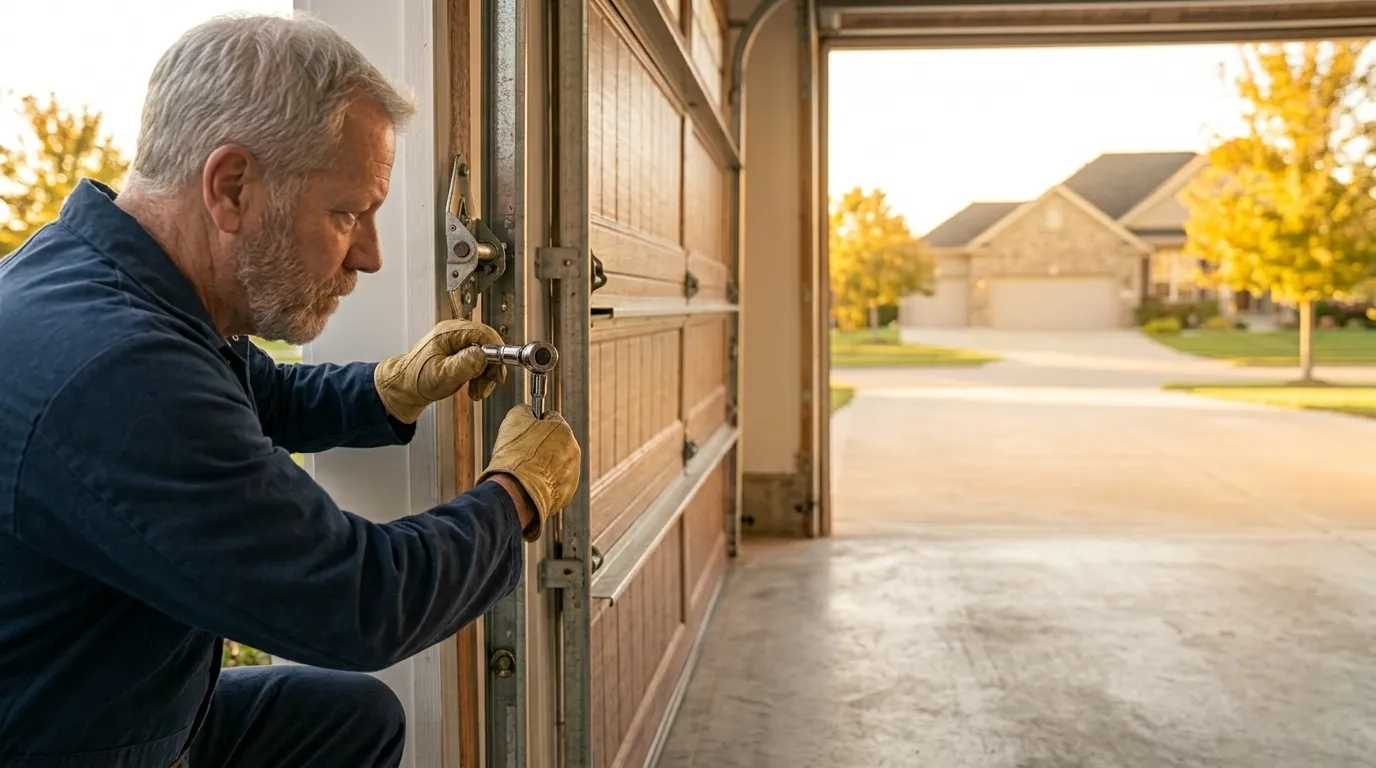
A standard maintenance visit runs through the same sequence regardless of the door's age: lubricate rollers, hinges, and the torsion shaft; check spring tension and cable wear; torque down loose lag bolts and track brackets; test the auto-reverse safety feature; and inspect weatherstripping along the bottom seal and sides. On the newer, steel-panel doors common in Jackson's 1999-era housing, we also check the opener's force settings and photo-eye alignment, since those tend to drift before any hardware actually wears out.
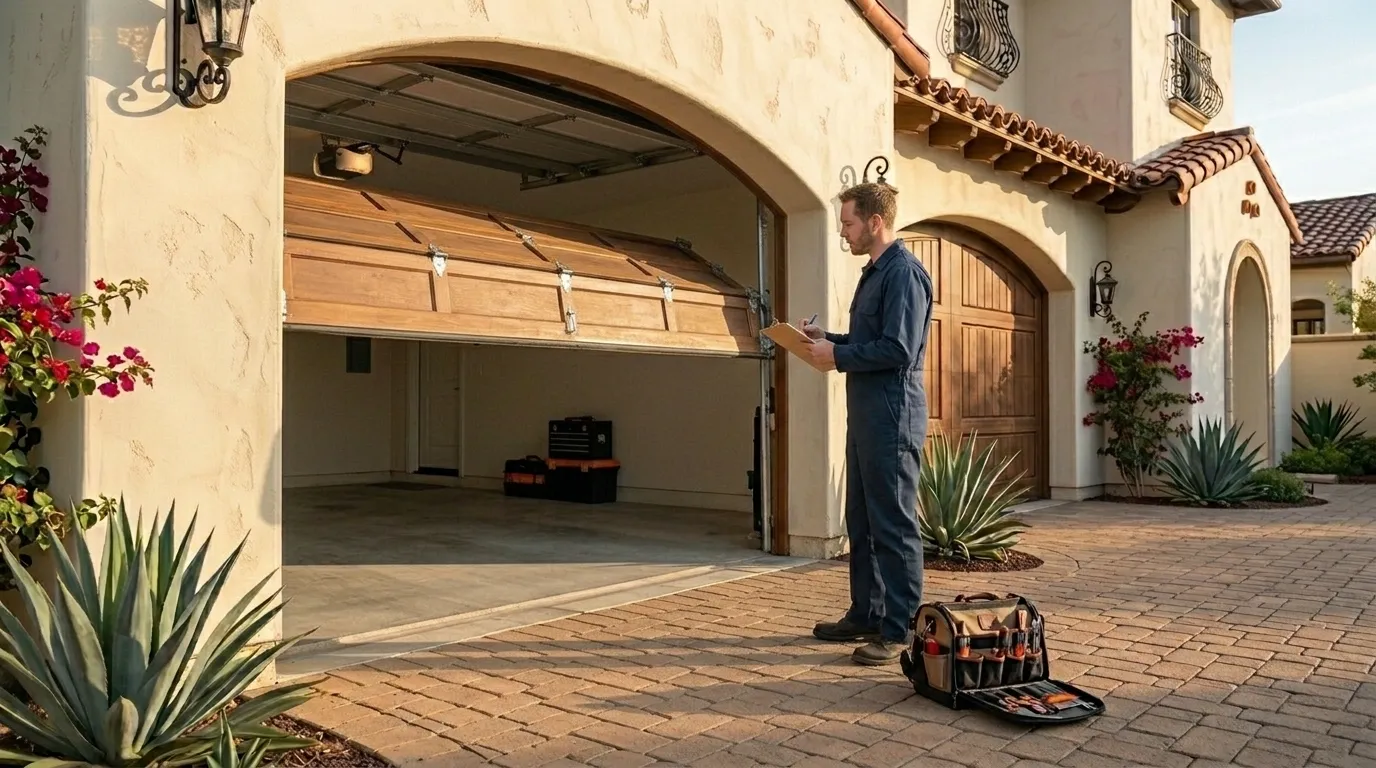
We'll flag anything that's marginal rather than fix it without asking - a roller that's noisy but not failing, a seal that's cracked but not letting in water yet. Whether it gets addressed that day or scheduled separately is your call, not ours. That's the honest version of what a maintenance visit is: keeping ahead of the failure, not chasing it.