What Can Go Wrong
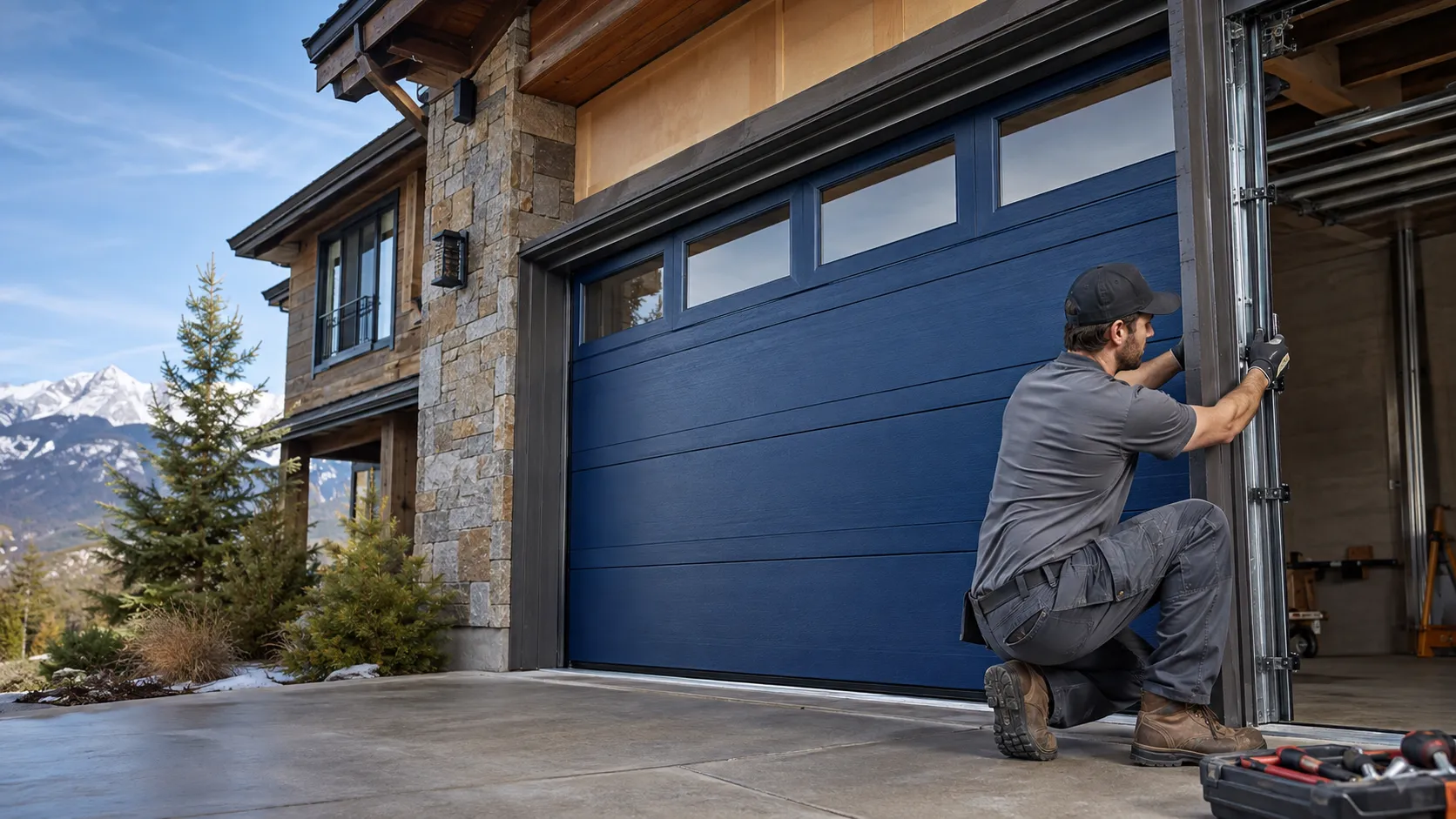
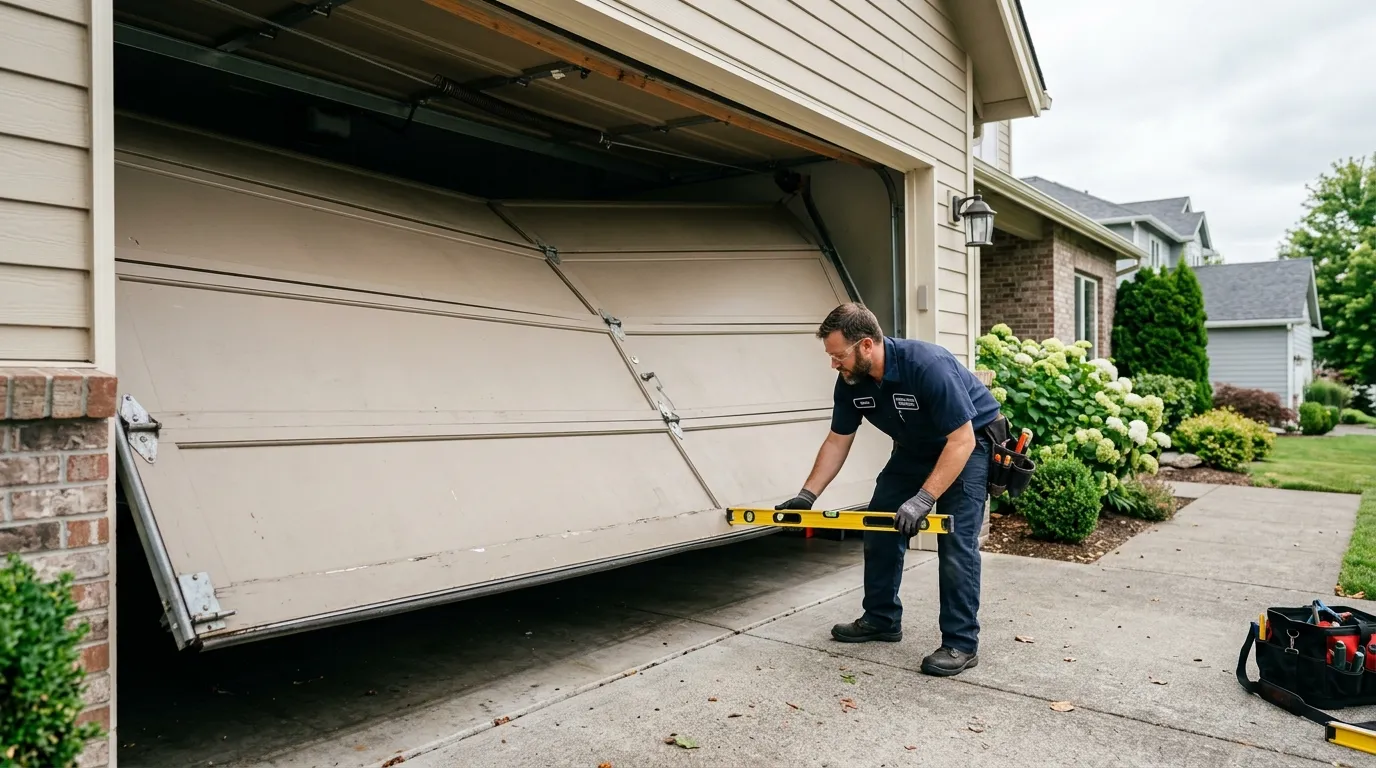
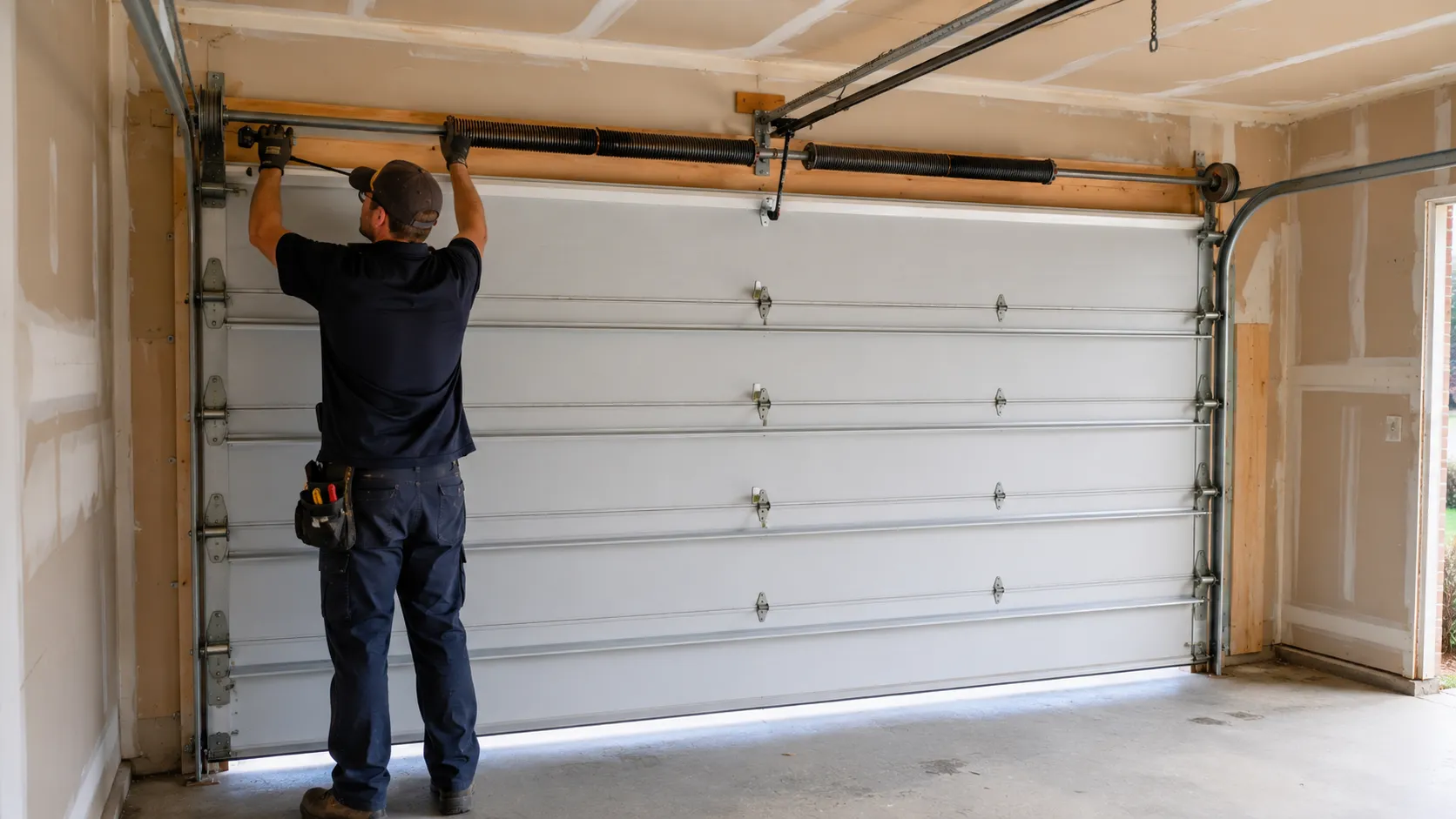
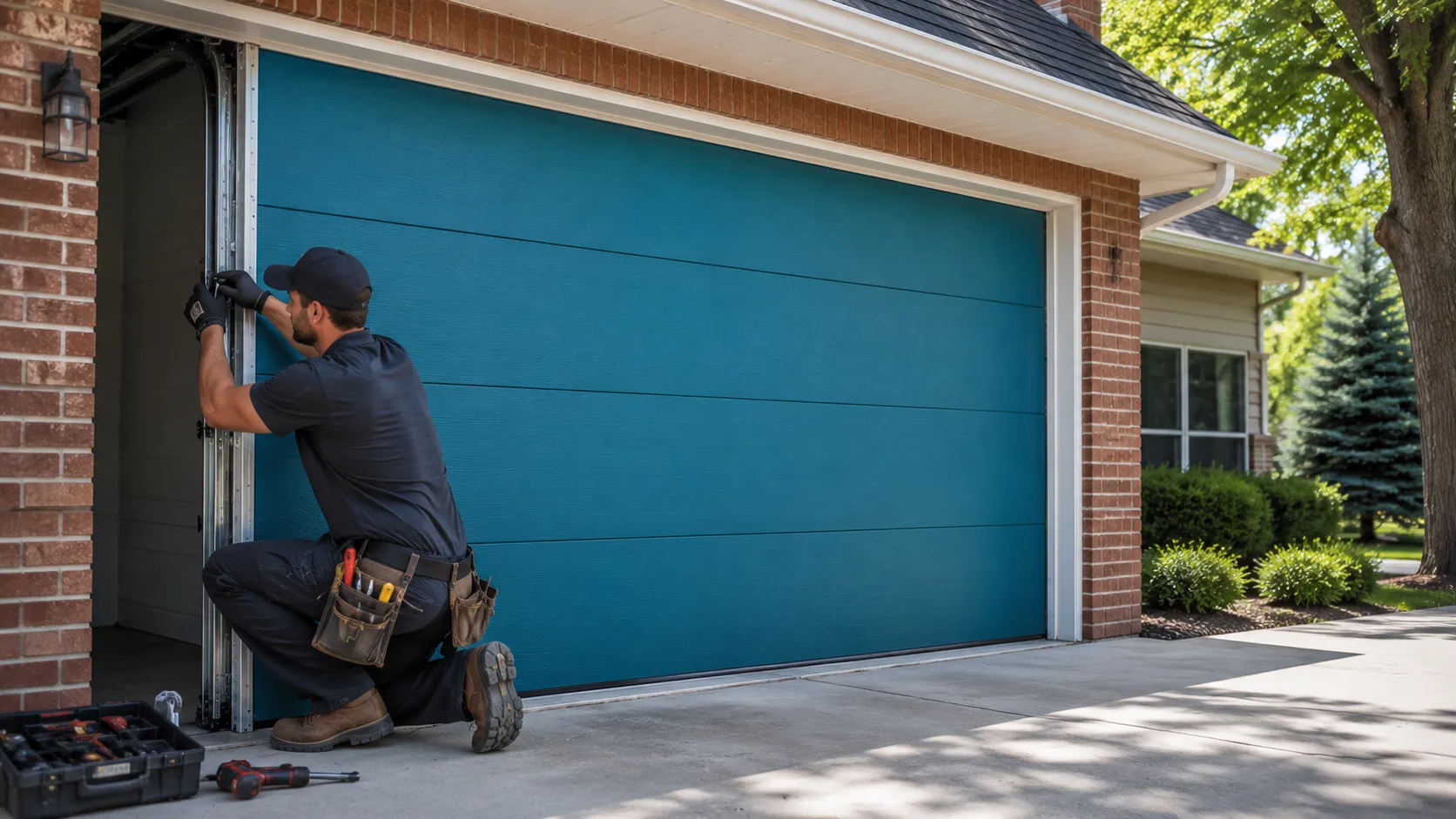
Grafton's own housing and building stock centers on 1986, a decade newer than the 1976 median across the rest of the territory this company covers. That matters for commercial doors too, because the properties built or expanded around that same wave tend to carry steel sectional doors on torsion hardware rather than the older single-panel or wood doors you still find in the territory's earlier-built pockets. On a commercial bay or dock door, that means the common failure points are torsion springs sized for a heavier door, worn rollers from higher daily cycle counts, and chain-drive opener boards that take more wear than a residential opener ever sees. Cables fray at the drum before they snap outright, and a misaligned track shows up as a door that shudders partway through its travel instead of running clean. None of this is exotic - it's what happens to steel doors and heavy-use openers after fifteen to twenty-five years of daily cycling, which is exactly the age band a lot of Grafton's commercial stock is sitting in right now.
The Symptom
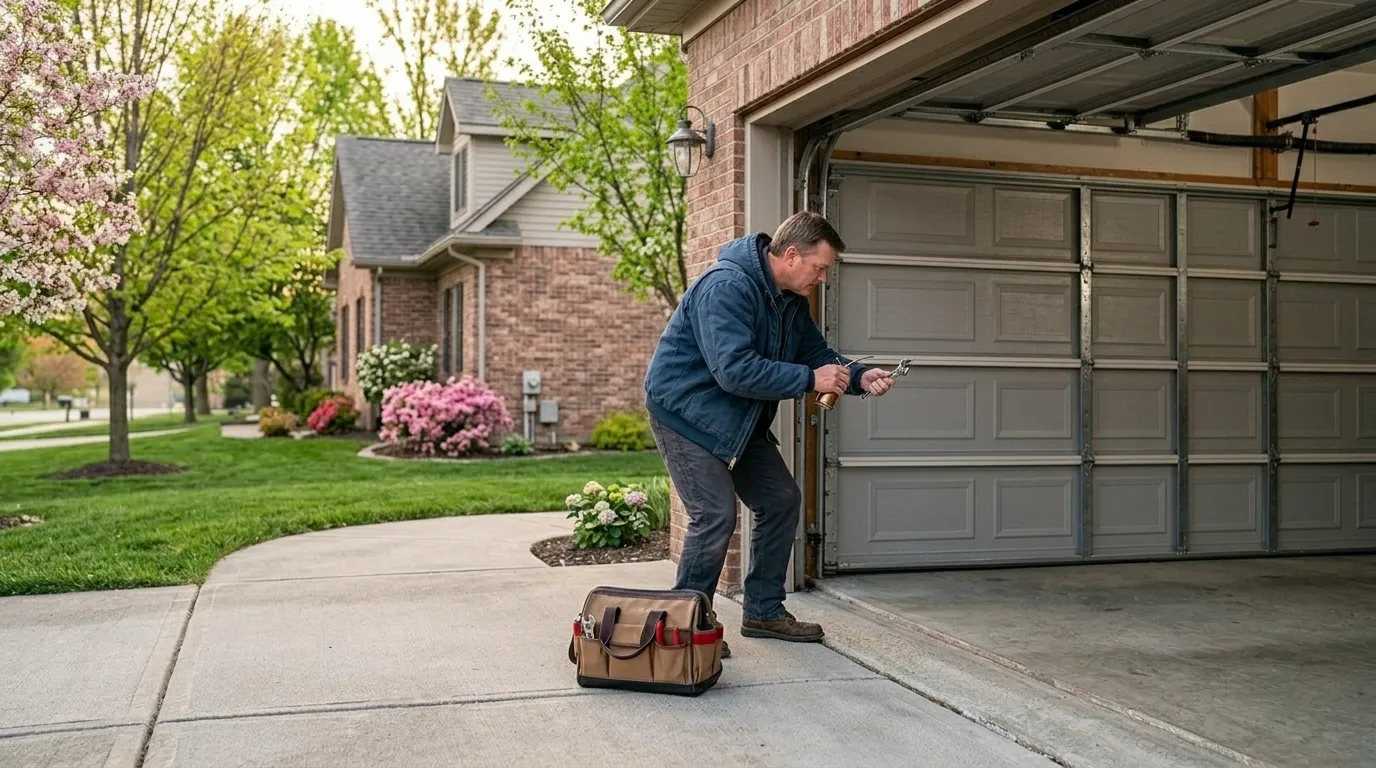
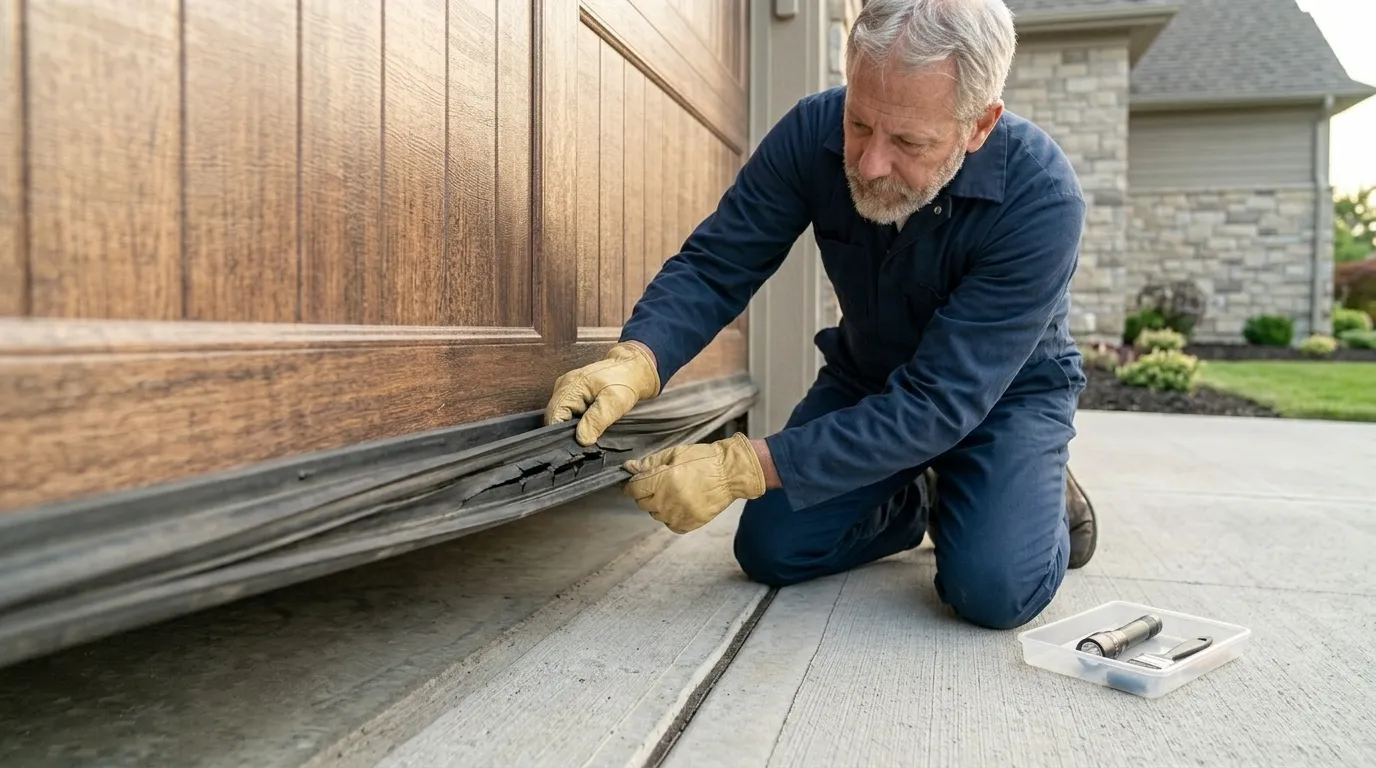
In this cold-climate territory, a commercial door that closed fine in October starts dragging or reversing on the photo eye by December as the lubricant thickens and the torsion spring loses tension in the cold. That's the symptom that brings in most calls this time of year - not a door that won't move at all, but one that hesitates, reverses without an obstruction, or takes two tries to seat fully at the floor. On a chain-drive commercial opener, the same cold snap can show up as a grinding or stalling sound right at the point the door meets resistance, because the chain has more slack than it did in warmer months and the motor is working against a spring that's already lost some lift. A door that's noisy at one specific point in its travel, every time, is usually a track or roller problem. A door that's inconsistent - fine one morning, stuck the next - points at the spring or the opener's force settings, and that's worth a call before the cable takes the extra strain and lets go.
Why This Fails Locally
With a median household income of $88,634, Grafton building owners more often choose to fix the one worn part on a door that's otherwise sound than replace the whole unit outright, and that repair-first math holds up mechanically as long as the spring, track, and opener are matched to the door's actual age and weight rather than swapped for whatever's cheapest. Grafton counts 5,612 households, a fraction of the 87,448 spread across this company's full territory, which is why we size the truck stock for common torsion springs rather than every commercial variant - a door built to a size and weight common in the mid-1980s is a different repair than one from a 1960s building elsewhere in the territory. Cold-severe winters push every mechanical failure earlier: a spring rated for the door's weight in July can be undersized in January once lubricant thickens and steel contracts. That combination - newer building stock, income that supports a proper repair over a patch job, and winters that find the weak part fast - is what shapes which parts actually fail here and when.
Stocked Parts
The truck carries standard torsion springs, cables, rollers, and drums in the sizes that cover most of the sectional commercial doors built across this territory's mid-decade construction wave, along with common chain-drive opener boards and limit switches. What it doesn't carry, honestly, is every wide-bay or oversized commercial door part - a 12 or 14-foot insulated panel, a custom-width dock door, or a less common opener model usually means a special order and a second trip once the part arrives. That's not a Grafton-specific gap; it's true of any wide commercial door regardless of which town it's in, and it's worth knowing before you schedule so the wait isn't a surprise. For the torsion springs, cables, and standard chain-drive openers that make up most of the calls in this size of commercial building, the part is usually on the truck the first time out.