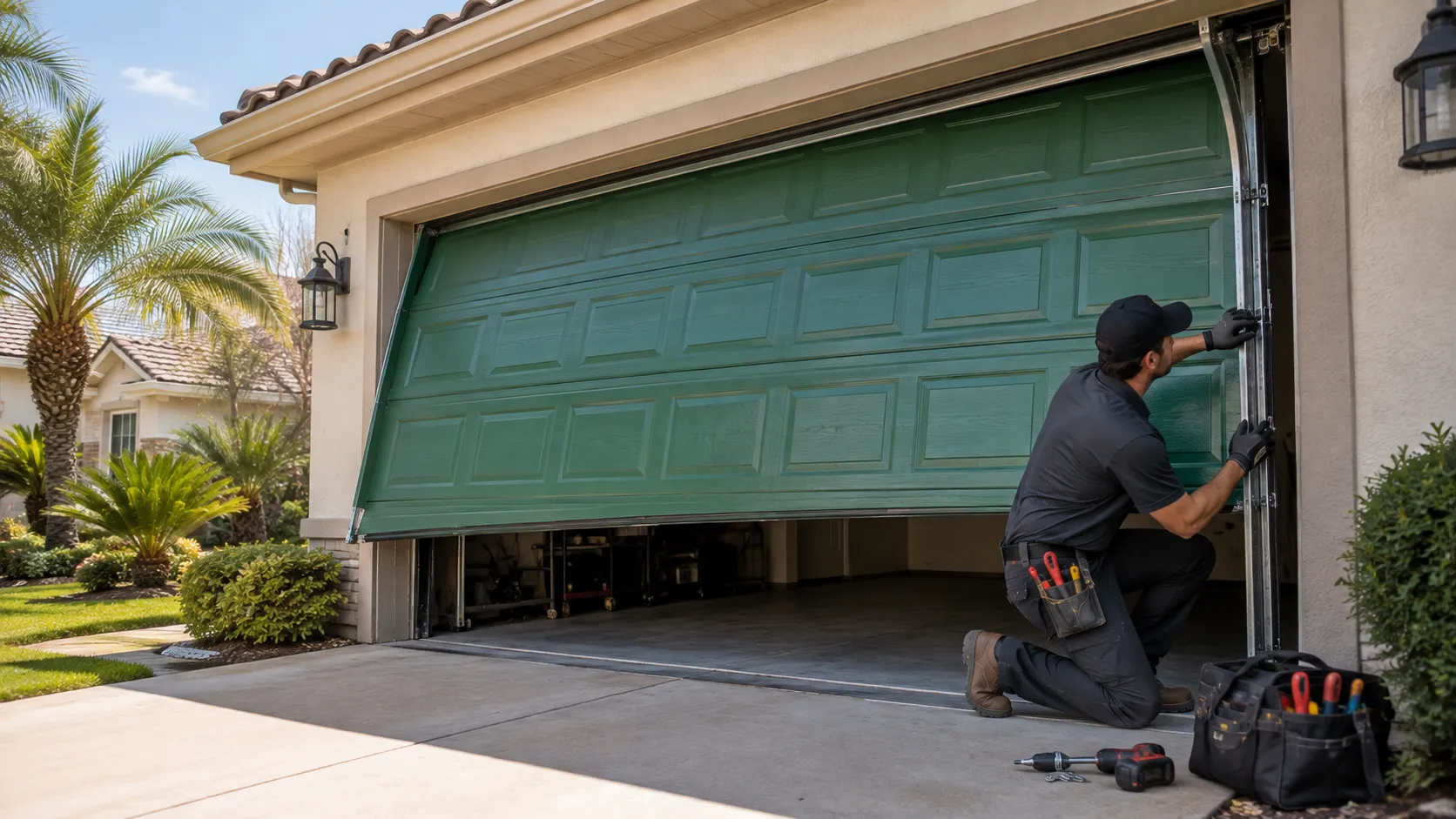
What Can Go Wrong
Grafton is 14 miles out from our shop in West Bend, which changes how we run a job here more than most people expect. We don't stock a Grafton truck the way we might for a street two blocks from the shop - every job out this way gets loaded before we leave, because a forgotten roller or the wrong end bearing plate means a second trip and a homeowner standing in a cold garage waiting. That's not a complaint about distance. It's why we ask more questions on the phone before we ever pull out of the lot.
The housing stock here adds to it. A lot of Grafton went up around 1986, which puts most of these garages past the original one-piece slab doors but square in the first generation of steel sectional doors with extension springs and openers that were standard through the late 80s and 90s. Those doors are 35-plus years old now. The steel skins have usually held up fine. The insulation inside them, the seals, and especially the spring systems have not.
The Symptom
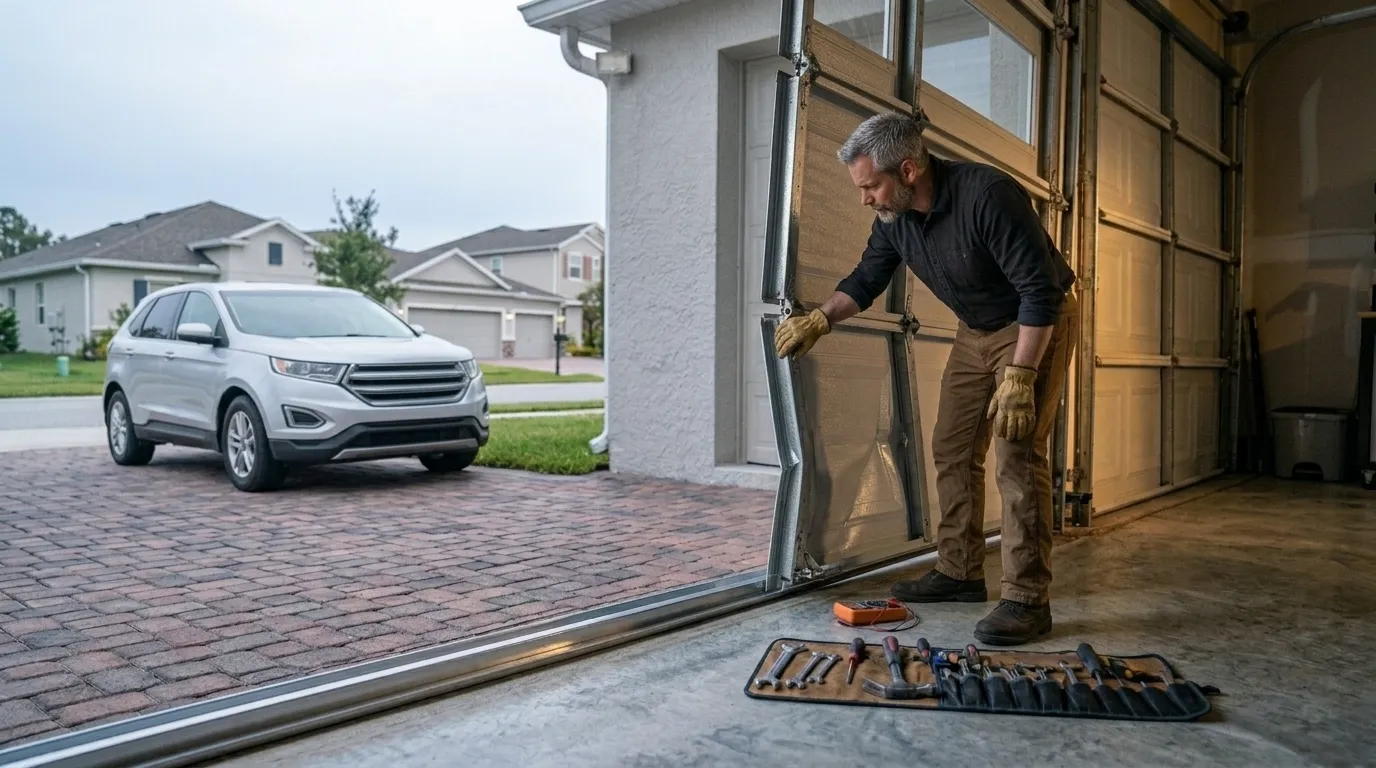
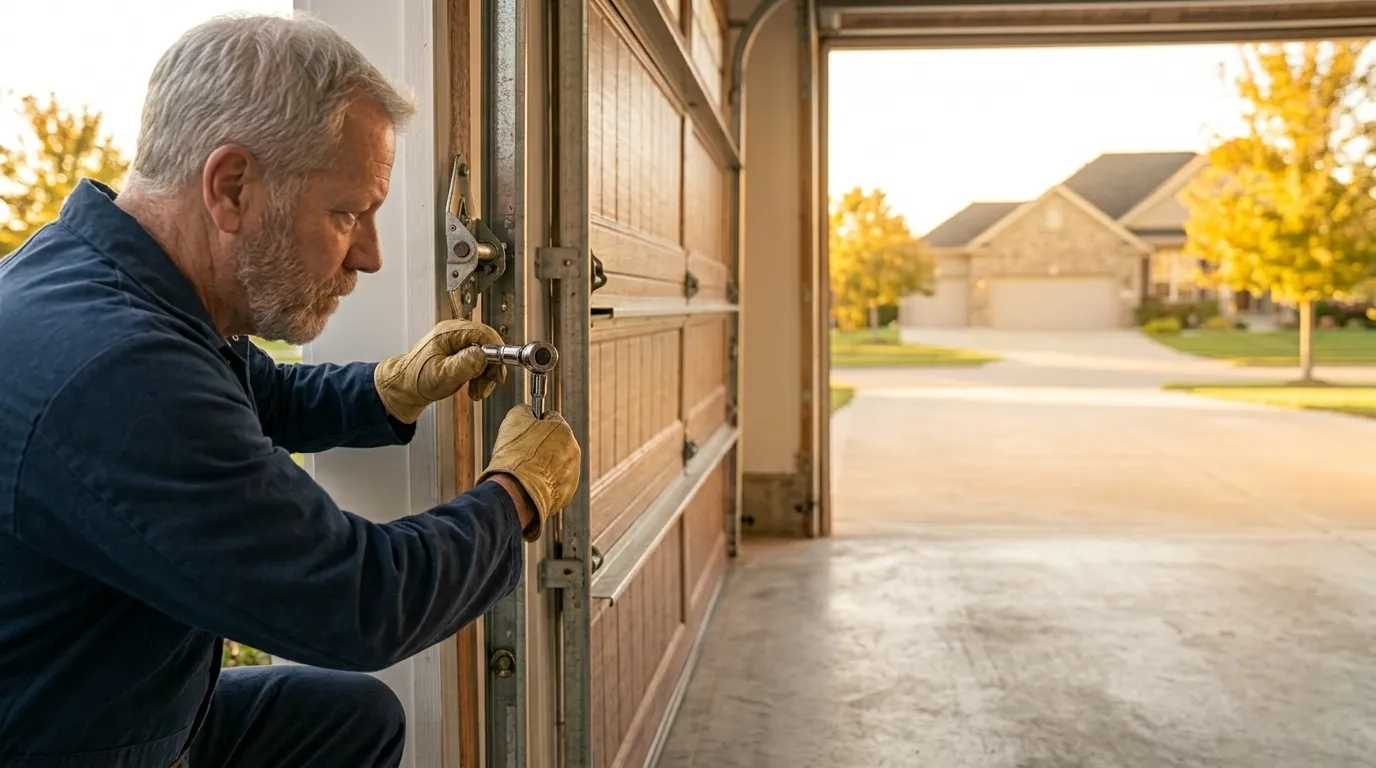
The call we get from this era of house is usually the same shape: the door still opens, but it's heavier than it used to be, or it slams the last foot of travel, or the opener strains and reverses partway up. That's a spring giving out, not the opener failing - though owners almost always blame the opener first because that's the part making the noise.
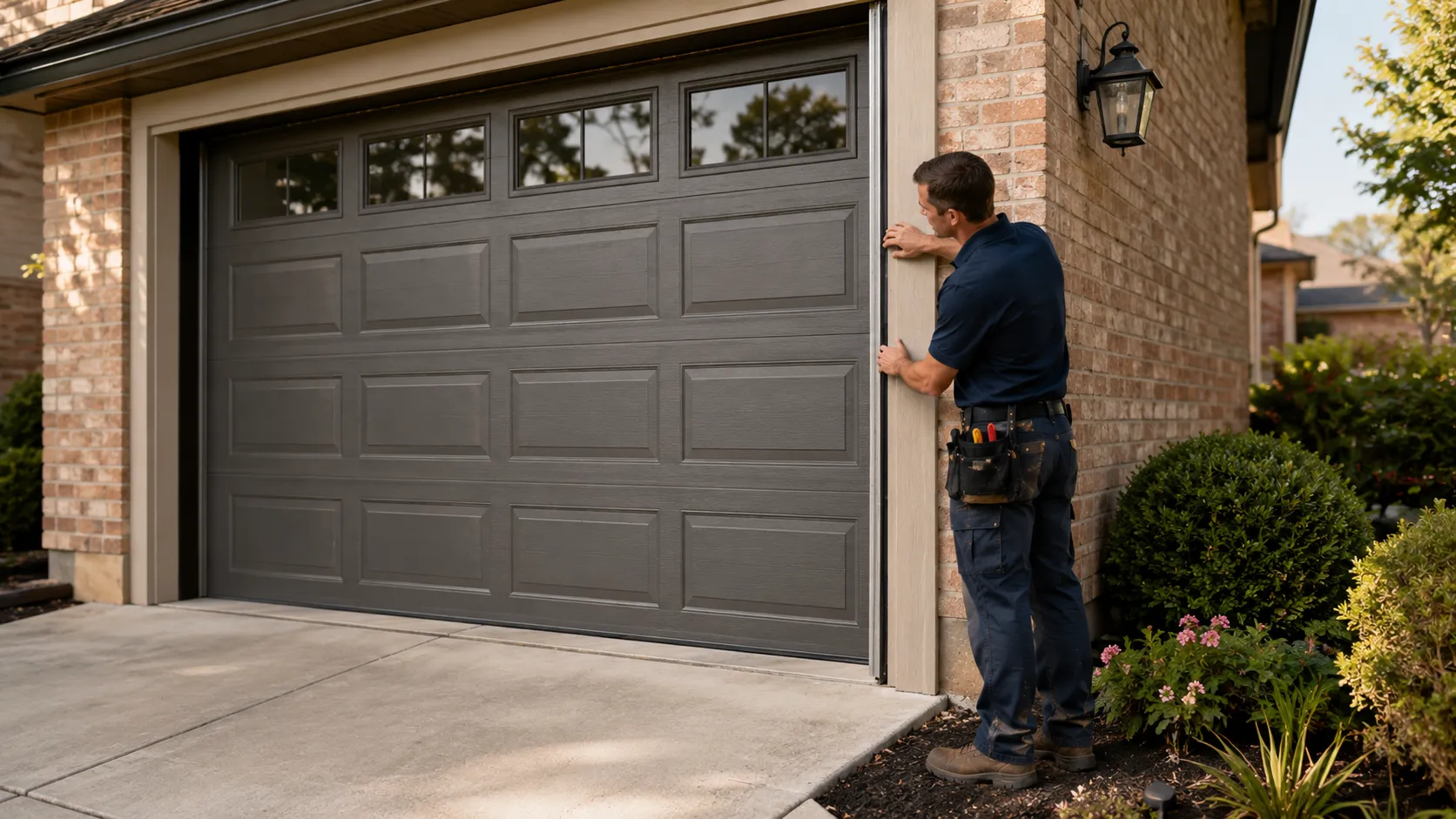
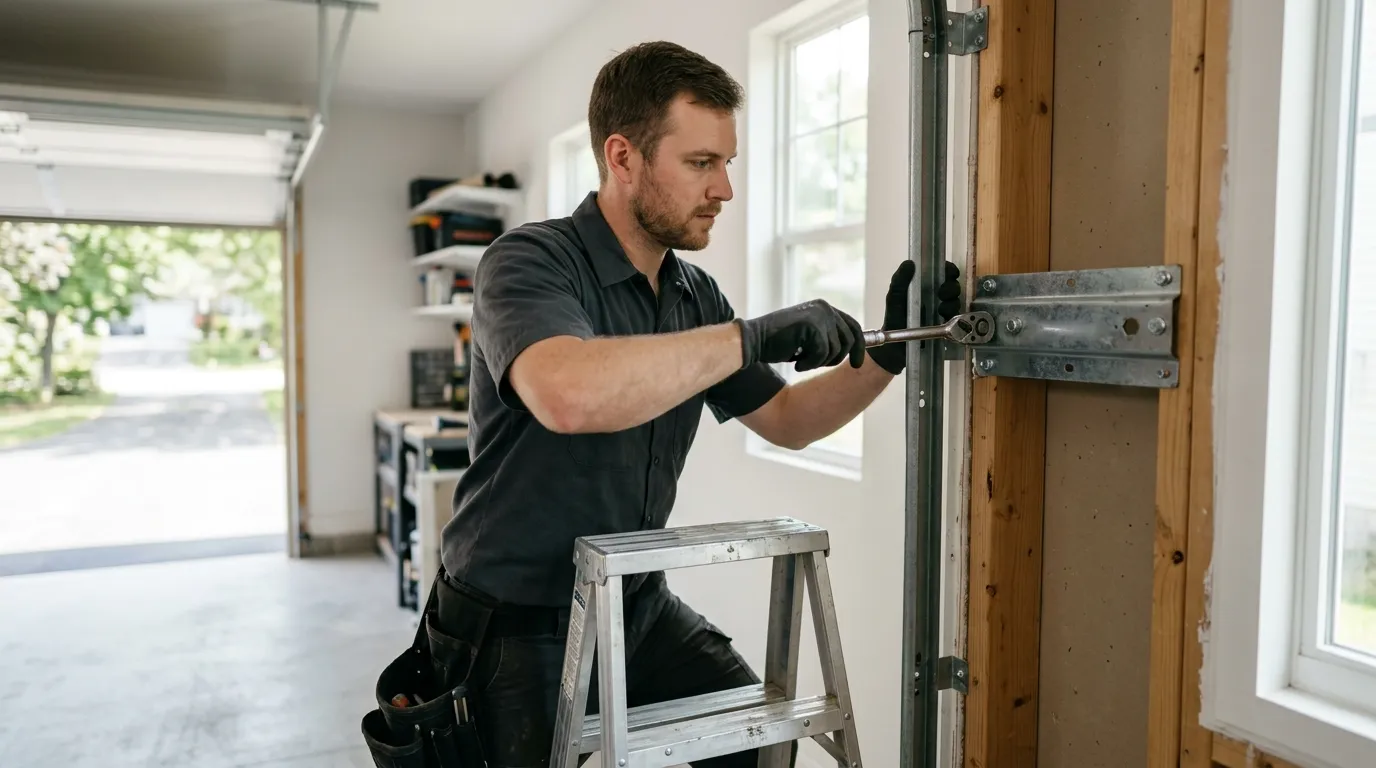
On a 1986-built garage, this is often the original spring system, or a second one installed sometime in the 90s or 2000s that's now also past its cycle life. Once a homeowner is looking at a full spring swap on a door this old, plus worn rollers and a section or two that's dented or delaminating, a straight repair starts costing close to what a new door runs. That's the point where we tell people plainly: fixing it again isn't always the better deal, and we'd rather say that than sell a third spring in five years.
Why This Fails Locally
This part of Wisconsin sits in a severe cold climate band, and a door from the 1986 wave usually has thin, non-foam insulation or none at all - common for that period, not a defect, just what was standard then. Over a full winter, that shows up as a cold slab of steel radiating into the garage, condensation on the inside face, and hardware that stiffens up in deep cold because the old lubricant has gone gummy.
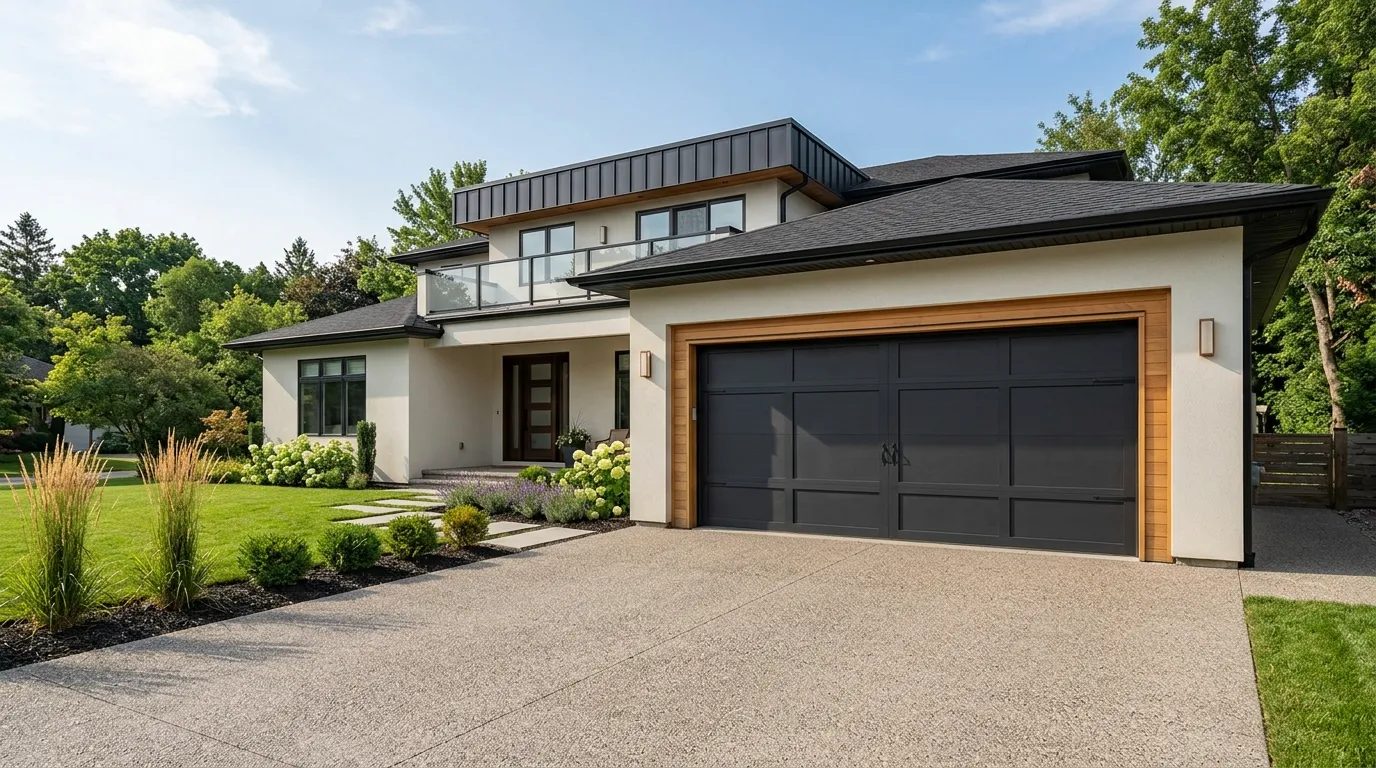
A new door changes that math directly: better-sealed bottom astragals, insulated panels, and springs rated for the cycles a Wisconsin winter actually puts on them. At a median household income of $88,634 across this area, most owners we talk to would rather do the job once, properly insulated for the cold band we're in, than keep patching a door that was never built for it in the first place.
Stocked Parts
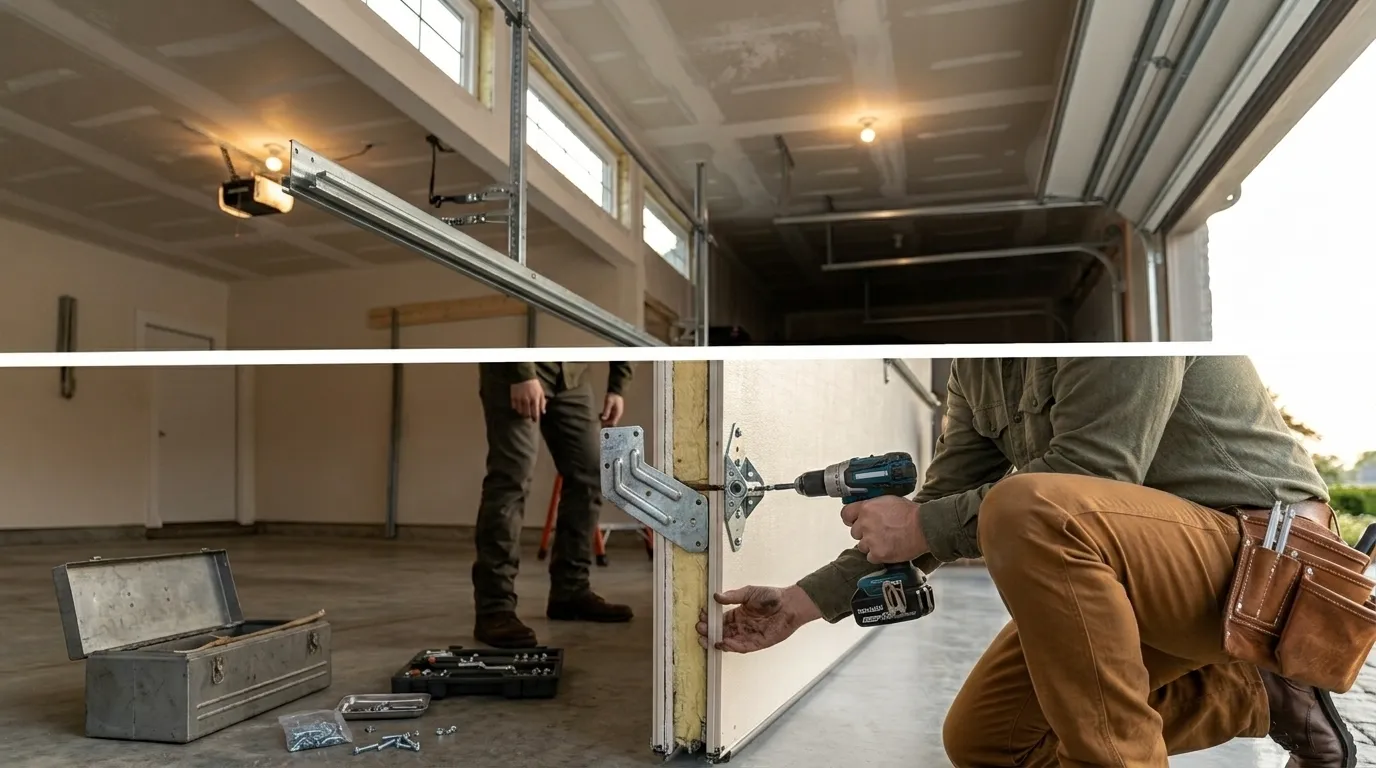
We carry the springs, cables, rollers, and standard-width track hardware that cover most of the doors from Grafton's main building era on the truck, because that's the bulk of what a 1986-vintage garage needs. What we don't carry as standard stock are odd or discontinued panel sizes - if a homeowner wants to keep an original door and just replace one damaged section, and that section was a size or profile no longer made, that's a special order with its own lead time, and we'll say so up front rather than promise a same-visit fix we can't deliver.
For a full new install, though, the parts on the truck cover the job end to end - door, opener, track, and hardware sized to the opening we measure on site, not assumed from a spec sheet.