24/7 Emergency Service Open 7 days · 7am–8pm Serving West Bend, WI & nearby
(262) 401-2166
West Bend, WI

When the Power Drops, Your Opener in West Bend Is the First Thing to Fail

Garage door openers in West Bend's 1960s-70s homes often lack battery backup, and severe cold plus power cuts during storms can leave doors stuck for hours.

When the Power Drops, Your Opener in West Bend Is the First Thing to Fail

The Problem

Most houses in the service area around West Bend went up between 1958 and 1999, with the typical build year sitting at 1976. That means a lot of the openers still running in these garages are either original to the house or a single replacement done decades ago, back when battery backup wasn't standard equipment on a chain-drive unit. Nobody thought about it because outages weren't the concern they are now.

Here's the problem that shows up every winter: the power goes out, and the opener - the only thing standing between you and a door that opens - goes dead with it. No backup, no override built in, just a motor that won't run. If you haven't located the manual release cord and tested it before the outage hits, you're standing in a cold garage trying to figure out how to get your car out. It's not a rare event. It's what happens to openers in houses this age, in a climate this cold, when the grid hiccups.

The Common Mistake

The mistake we see most is homeowners assuming the manual release will just work when they need it, without ever having pulled it once since move-in. On an opener that's been running since the 1970s or 80s housing boom that shaped this area, that release mechanism can be stiff, corroded, or partly frozen to the track by the time you actually need it in a January outage.

The second mistake is treating the opener like it's separate from the cold. It isn't. When temperatures drop hard in a climate this severe, grease inside an old opener's gear housing thickens up, the motor draws harder to compensate, and a unit that's already twenty or thirty years old burns out trying to do a job it used to do easily. People wait for the opener to die completely before calling, and by then the failure usually takes the drive gear with it, not just a sensor or a switch. Testing the manual release once a year, before the cold sets in, catches most of this before it becomes an emergency call.

The Cost of This Job

We're not going to hand you a number here without seeing the opener and the door it's lifting - the honest answer is that it depends on the unit's age, whether the drive gear or motor is what failed, and whether you want a battery backup added while we're in there. A straight repair on an opener from a house built in the 1958-1999 window is usually cheaper than replacement, but once the gear housing is stripped or the motor's burned from fighting cold grease, repair stops making sense.

Adding a battery backup unit to an older opener costs more up front than doing nothing, but for a household in an area averaging $88,634 in median income, it's usually a reasonable trade against sitting locked out during a storm. We'll tell you straight if your unit's old enough that putting money into it doesn't make sense - sometimes the honest job is a new opener, not a patched one.

What the Weather Here Does to It

This area sits in a climate band marked severe cold, and that's not a label without teeth. Openers built for a milder average temperature range weren't engineered with West Bend winters in mind, even though that's exactly what they've been running in for decades. Cold does two things to a garage door opener: it thickens the lubricant in the gear housing, making the motor strain on every cycle, and it lets condensation inside the housing freeze and swell components that were never sealed tight to begin with.

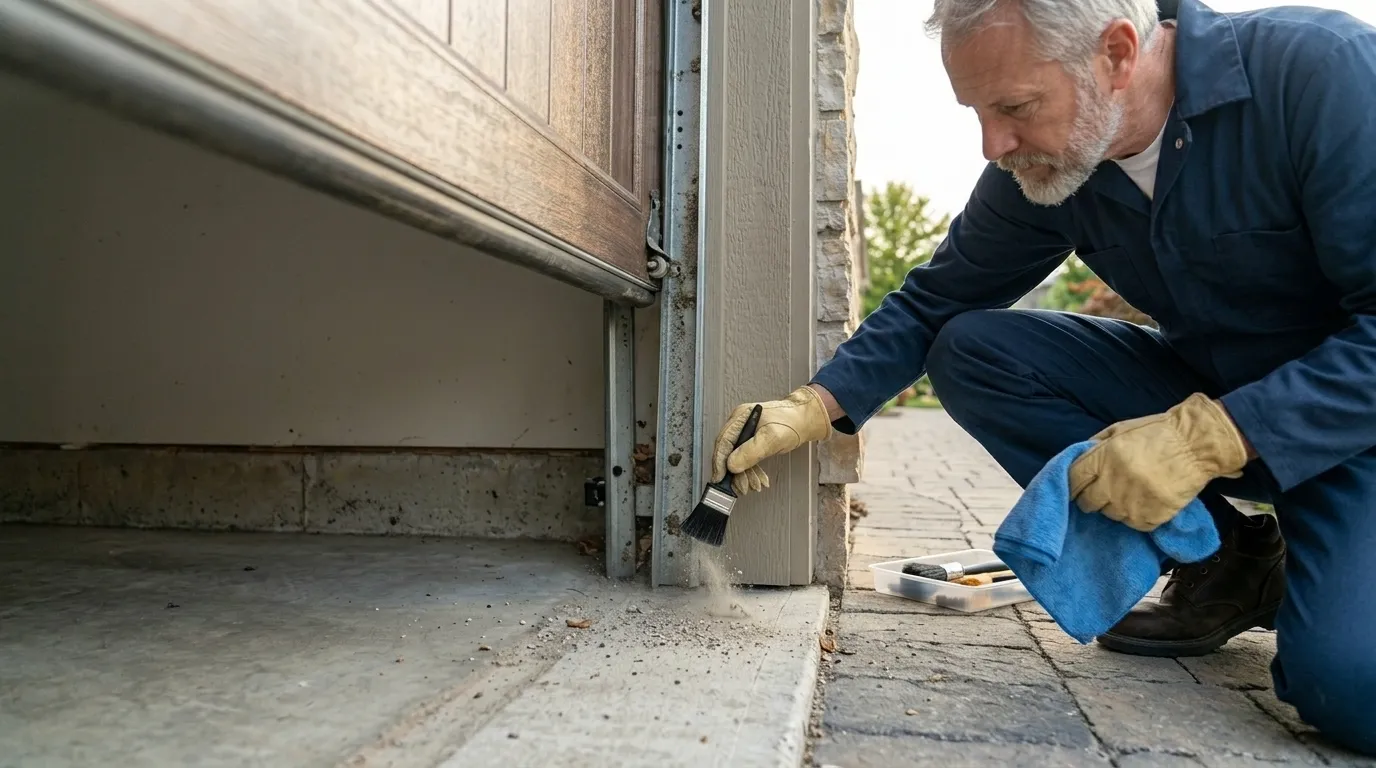
Power cuts compound it. A storm cold enough to knock out power is also cold enough to freeze a door's weatherstripping to the slab, so even with the manual release working, you're fighting the door itself. Owners in the older stock through this area - homes built mostly in the 1960s and 70s - feel this more than newer construction because the openers are older and the seals around the door are original too. None of this is a design flaw so much as forty-plus years of weather doing what forty-plus years of weather does.
How it works

From “it’s stuck” to “it’s fixed”

Tell us what’s wrong - West Bend garage door service

Tell us what’s wrong

Describe the symptom - won’t open, loud bang, opener runs but the door won’t move.

On-site diagnosis - West Bend garage door service

On-site diagnosis

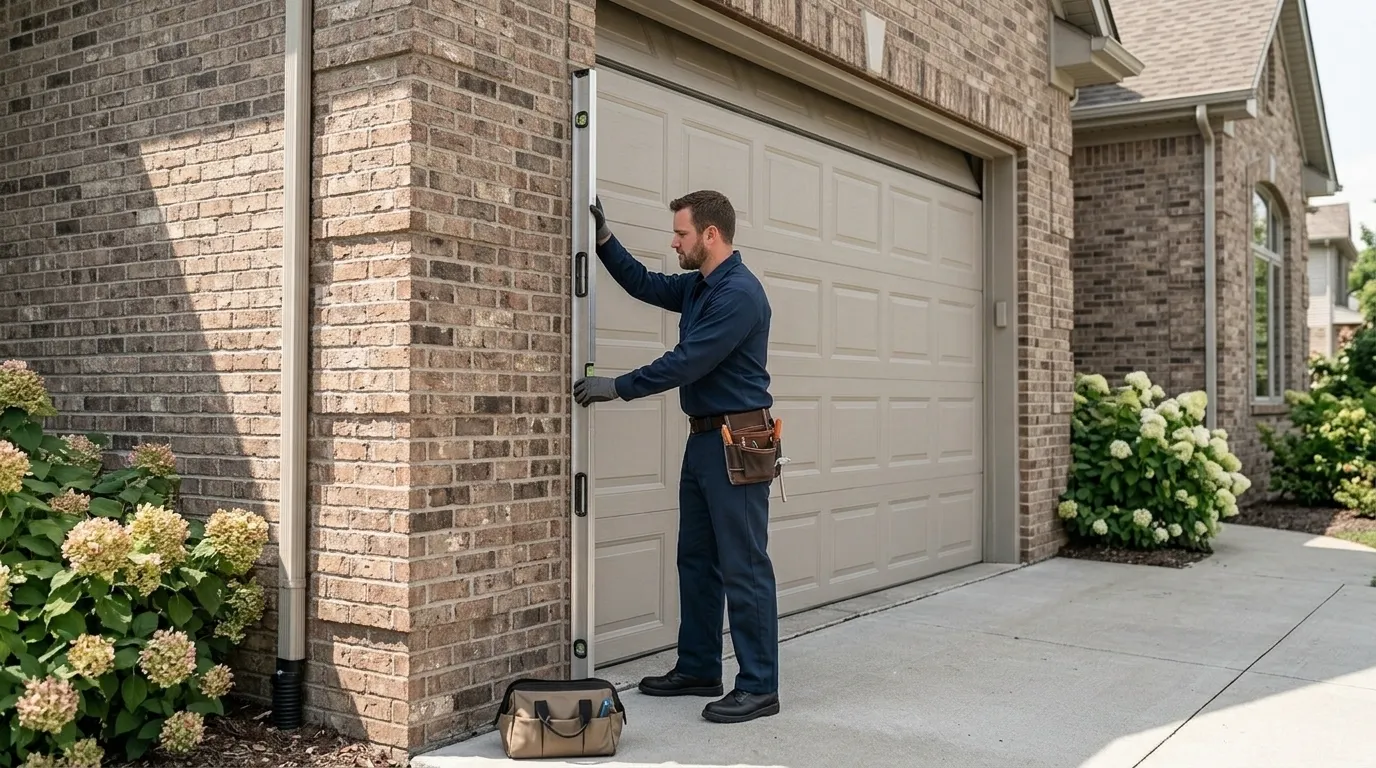
A technician tests the door under power and by hand and finds what actually failed.

Clear, up-front plan - West Bend garage door service

Clear, up-front plan

You get the fix that’s needed and what drives the cost - before any work starts.

Repaired & tested - West Bend garage door service

Repaired & tested

The repair is done, the door is set true and tested, and the work area left clean.

Serving West Bend, WI - tell us what your door’s doing and we’ll take it from there.

How we work

What to expect

Diagnosis firstEvery visit starts by finding what actually failed - not a pre-written parts list.
The right part for the doorSprings and openers matched to the door’s weight and age, so the fix holds up.
Straight answersWhen a repair makes more sense than a replacement - or the reverse - you hear it plainly.
Clean, careful workTension released safely, hardware set true, the door tested under power before we leave.
Questions

Frequently asked

Straight answers about garage door repair in West Bend. Still unsure? Ask us directly.

Should I add a battery backup to my existing opener or just replace the whole unit?

It depends on the opener's age and condition. If the motor and gears are sound, a backup battery is the cheaper fix and gets you through outages. If the unit's already twenty-plus years old and straining in cold weather, putting a battery on it just delays the inevitable - we'll tell you honestly which situation you're in.

How do I know if my manual release even still works?

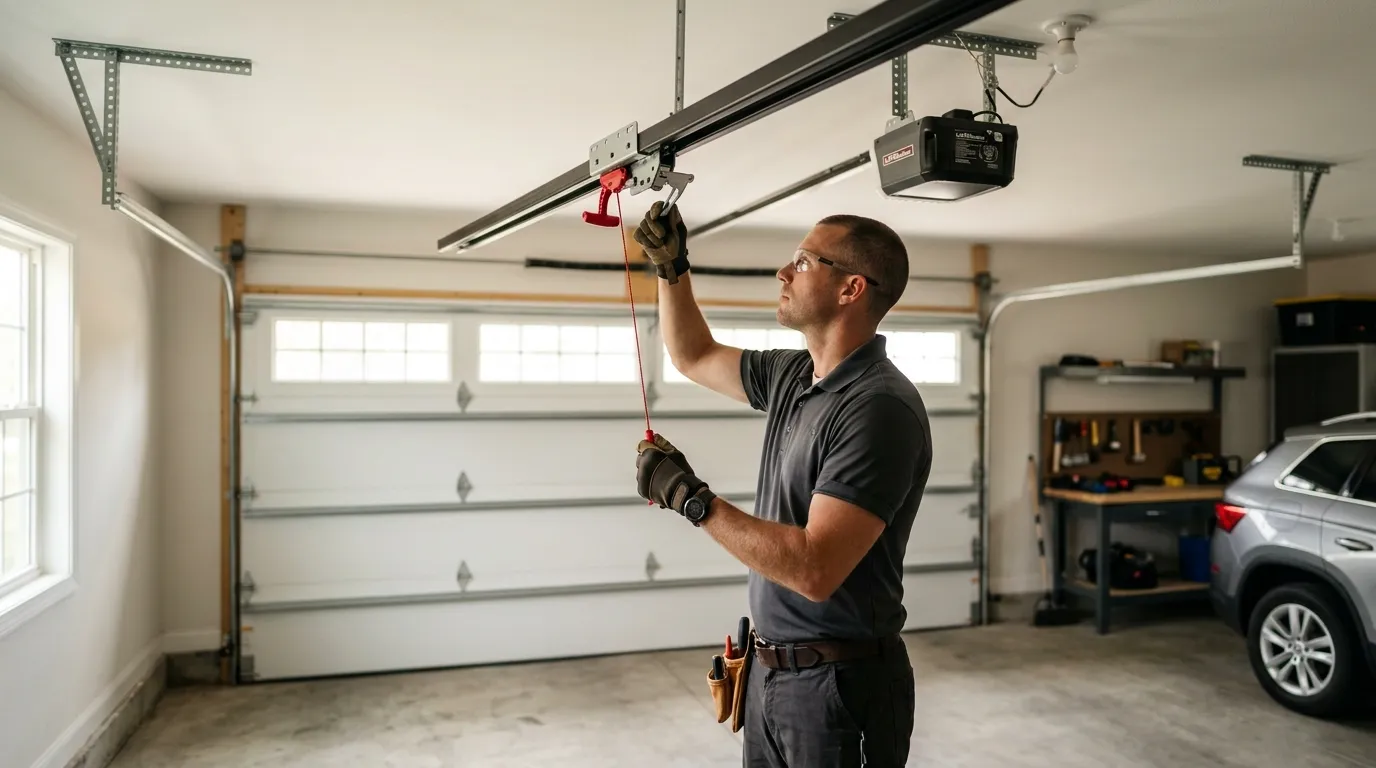
Pull the red cord with the door closed and see if it disengages cleanly. If it's stiff, sticks, or the door doesn't move freely once released, it's due for lubrication or repair. Test it before winter, not during a power outage, since cold makes any existing stiffness worse.

Why did my opener die right after a cold snap and a power outage on the same week?

That combination is hard on an older motor. Cold thickens the gear grease so the motor works harder on every cycle, and a power cut adds electrical stress when it comes back on. An opener already near the end of its life often fails right after, not during, that kind of week.

Is it normal for openers in houses this old to still be original?

In this area, yes. Most housing here went up between 1958 and 1999, median around 1976, and a fair number of those garages still have openers original to the house or from one replacement decades back. Original units from that era were never built with battery backup in mind.

Ready to get your garage door sorted?

Tell us what it’s doing and where you are in West Bend - we’ll take it from there.

Request a QuoteCall