What Was Built Here
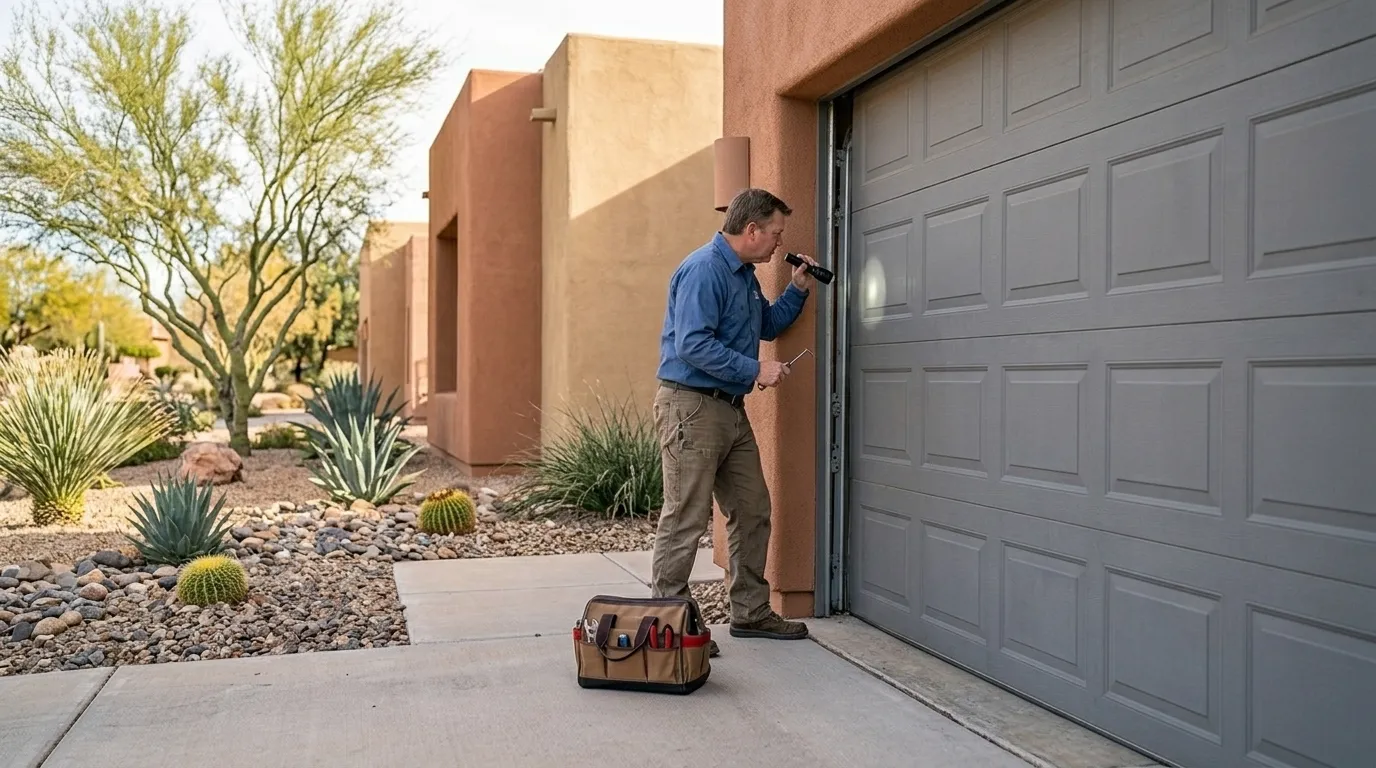
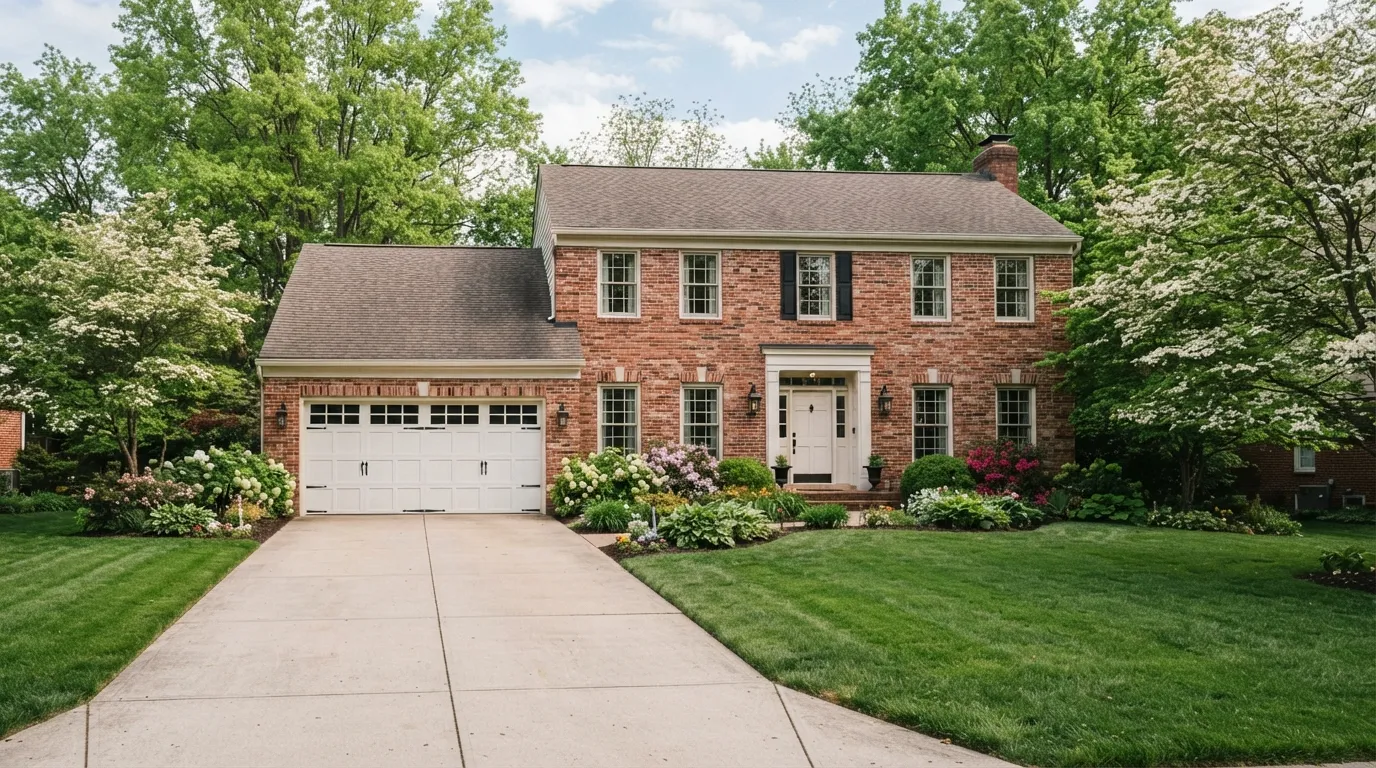
Cascade's houses skew older than most of what we cover out of West Bend. The median build year here lands around 1959, close to two decades ahead of the 1976 median across the broader 87,448-household service area. That gap matters. A neighborhood built in the late 1950s got its garage doors, tracks and openers on a different set of standards than one built in 1976 or 1985 - different steel gauges, different spring setups, sometimes no insulation at all in the original panel.
This is also cold country. The service area sits in a severe cold climate band, and Cascade doesn't get a pass on that just because it's a smaller pocket. Cold snaps stiffen lubricant, shrink metal, and put more load on hardware that's already sixty-plus years old. In a town where the housing stock skews this old, that combination shows up in the door before it shows up almost anywhere else in our coverage area.
With 275 households in Cascade, it's a small area relative to some of what we serve, but small doesn't mean the doors are simpler. Often the opposite - older stock means more original hardware still in place, not yet swapped out for something newer.
How That Shows Up in the Door
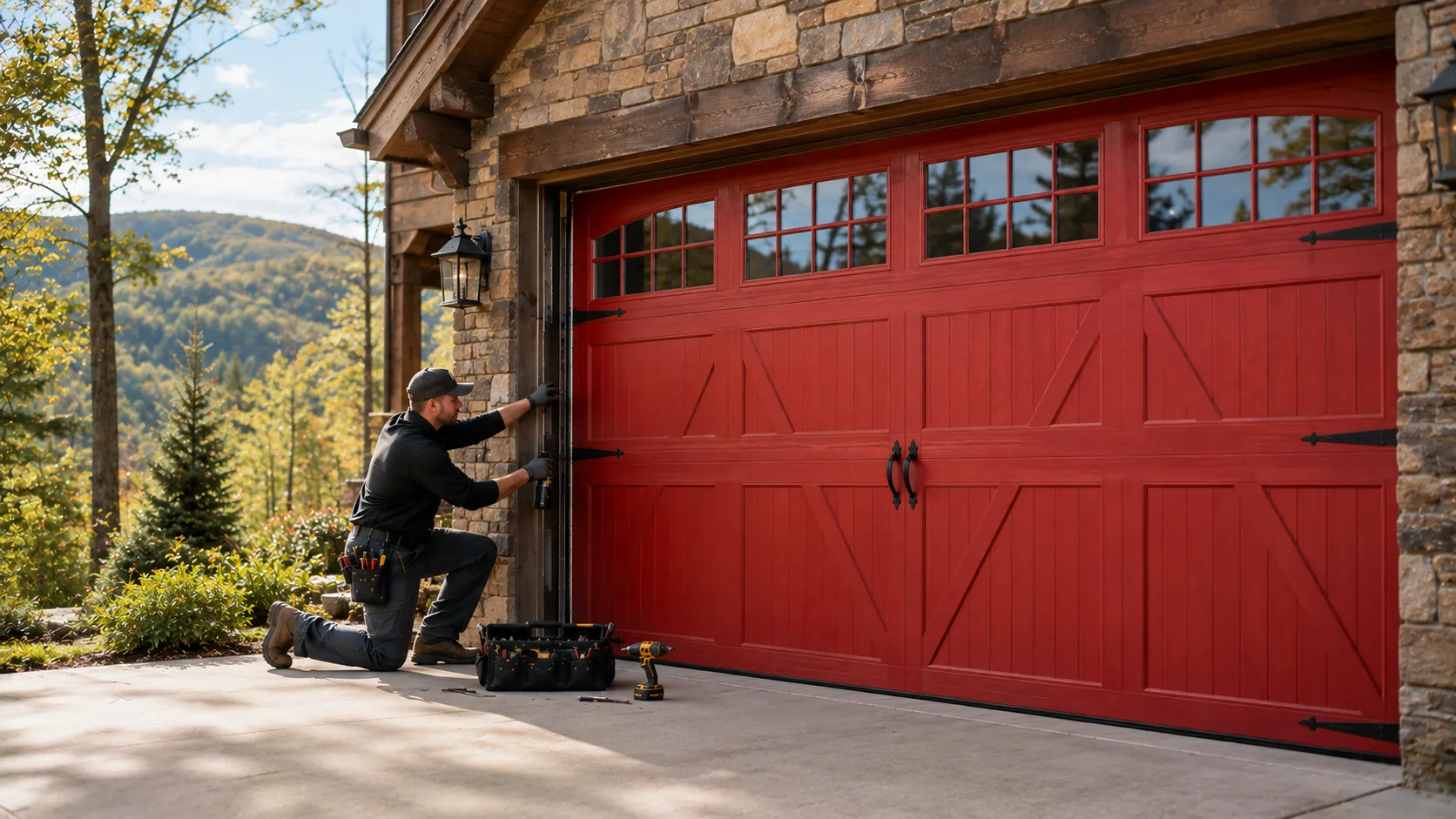
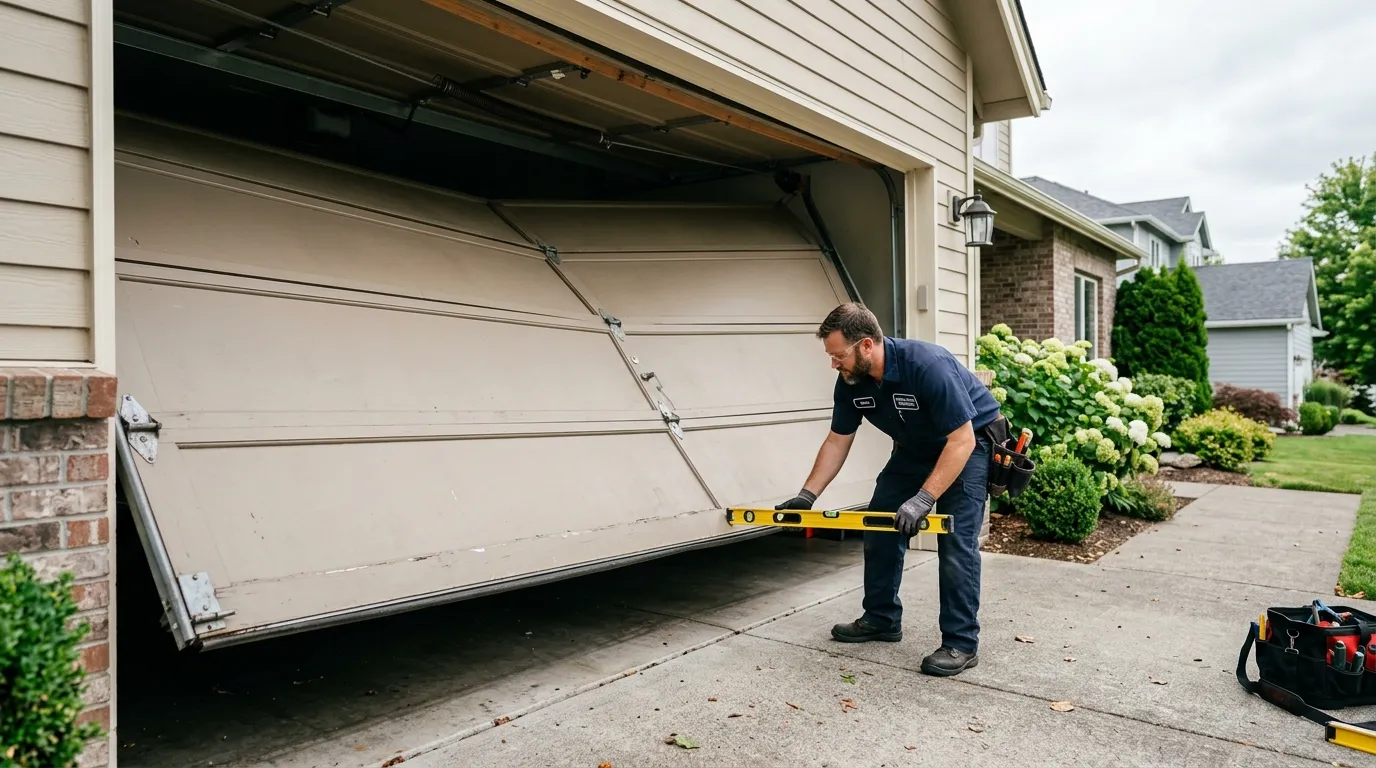
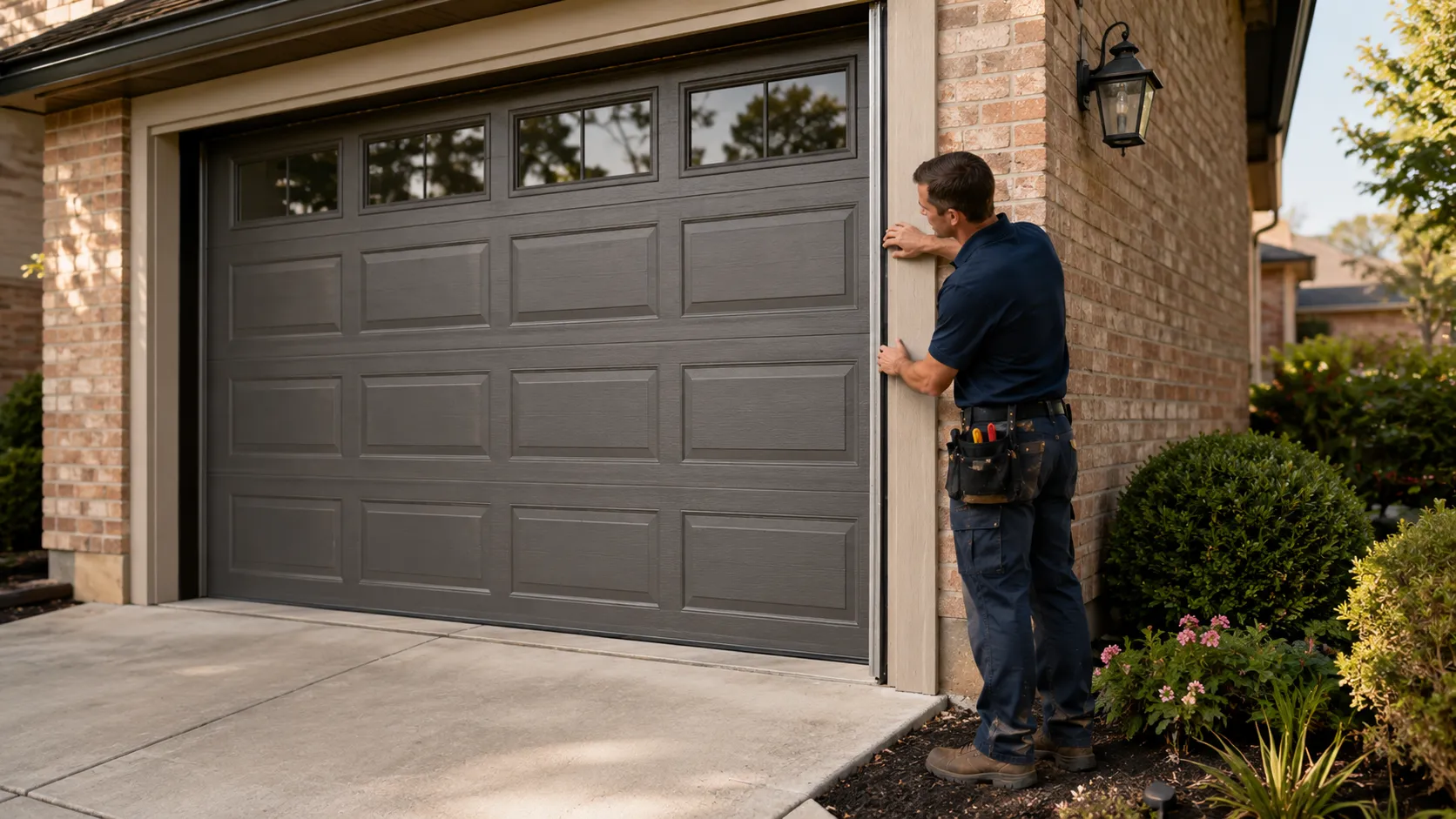
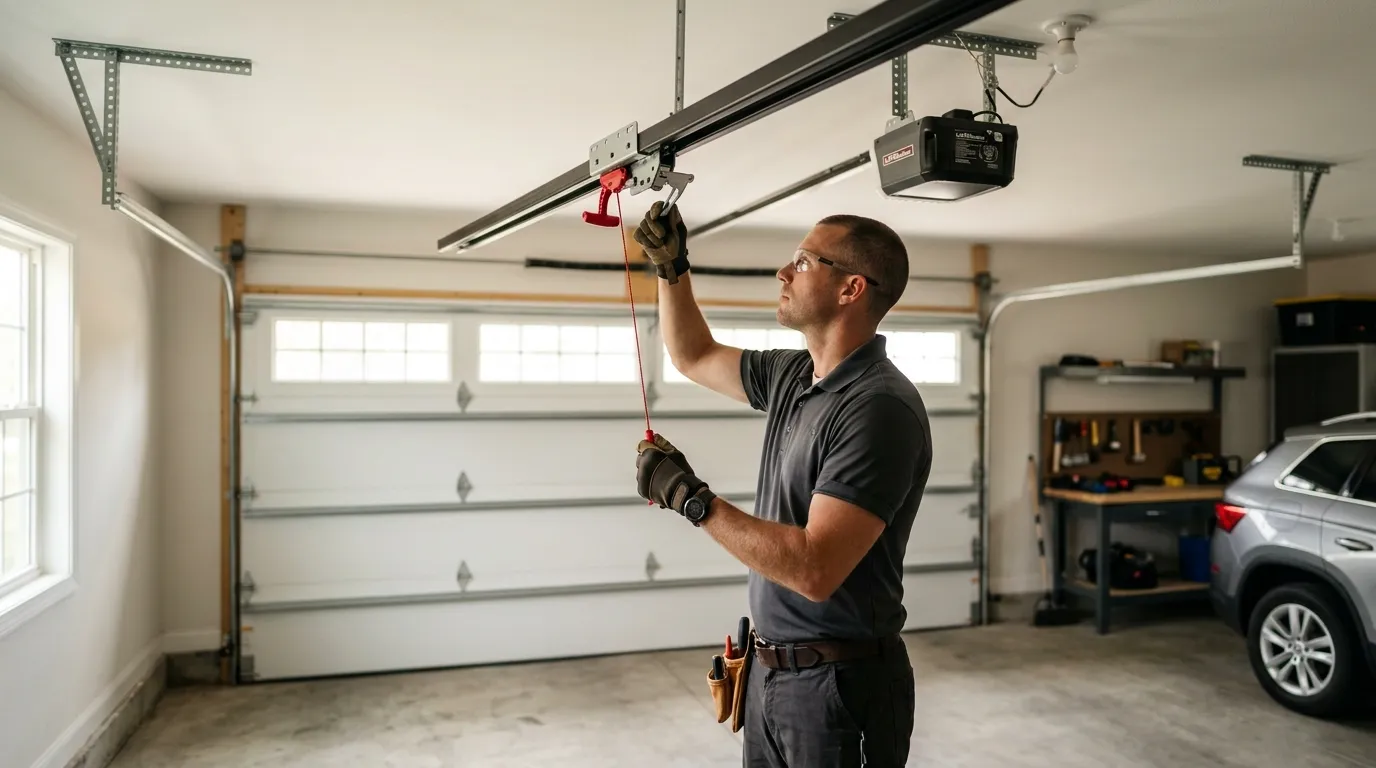
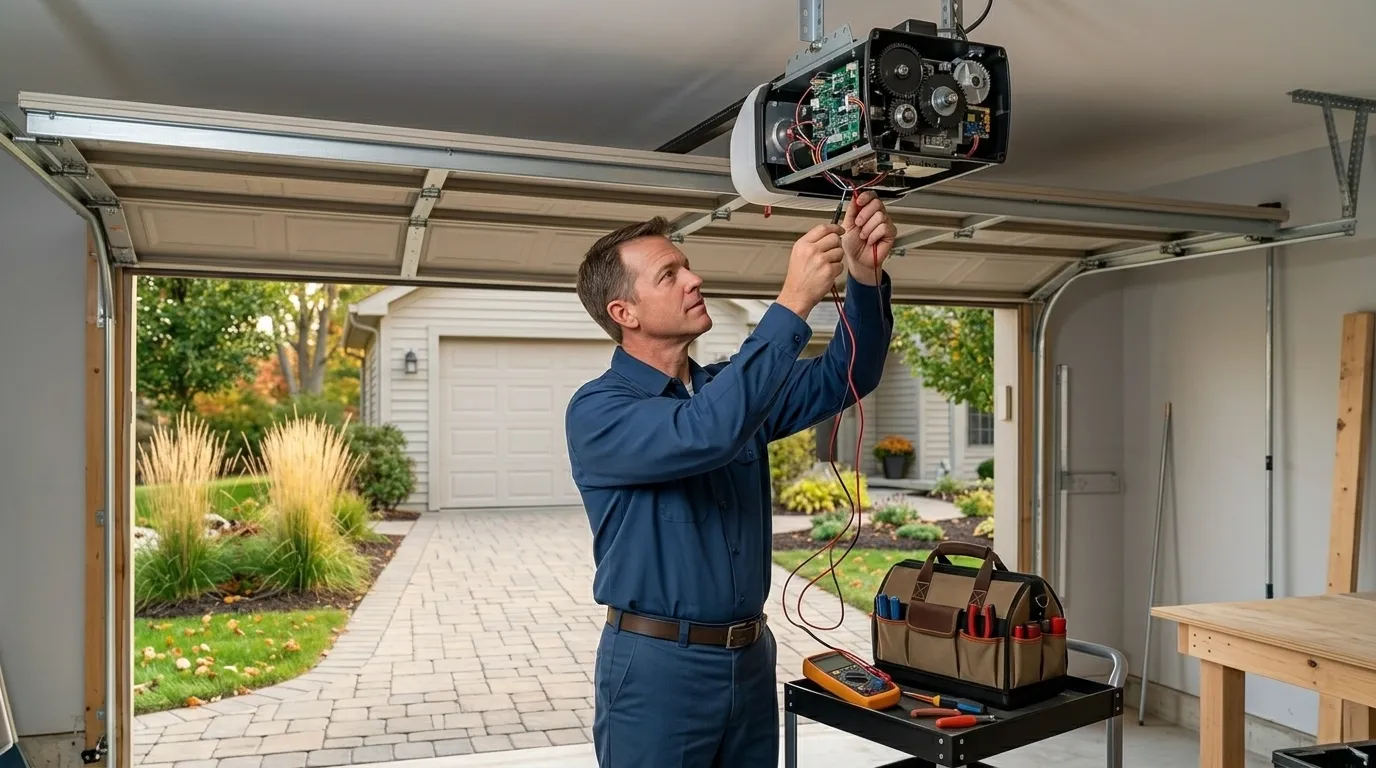
A door installed around 1959 was likely built for a single-car or narrow double opening, with steel panels that are thinner than what's sold today and springs sized for a lighter door. Over sixty-plus years, a lot of that original hardware gets replaced piecemeal - a new opener bolted onto an old track, a new spring on an old drum - and the mismatches start to cause problems that don't look like a clean failure. A door that binds partway up, or drops fast on the last foot, is often a symptom of parts from three different decades trying to work together.
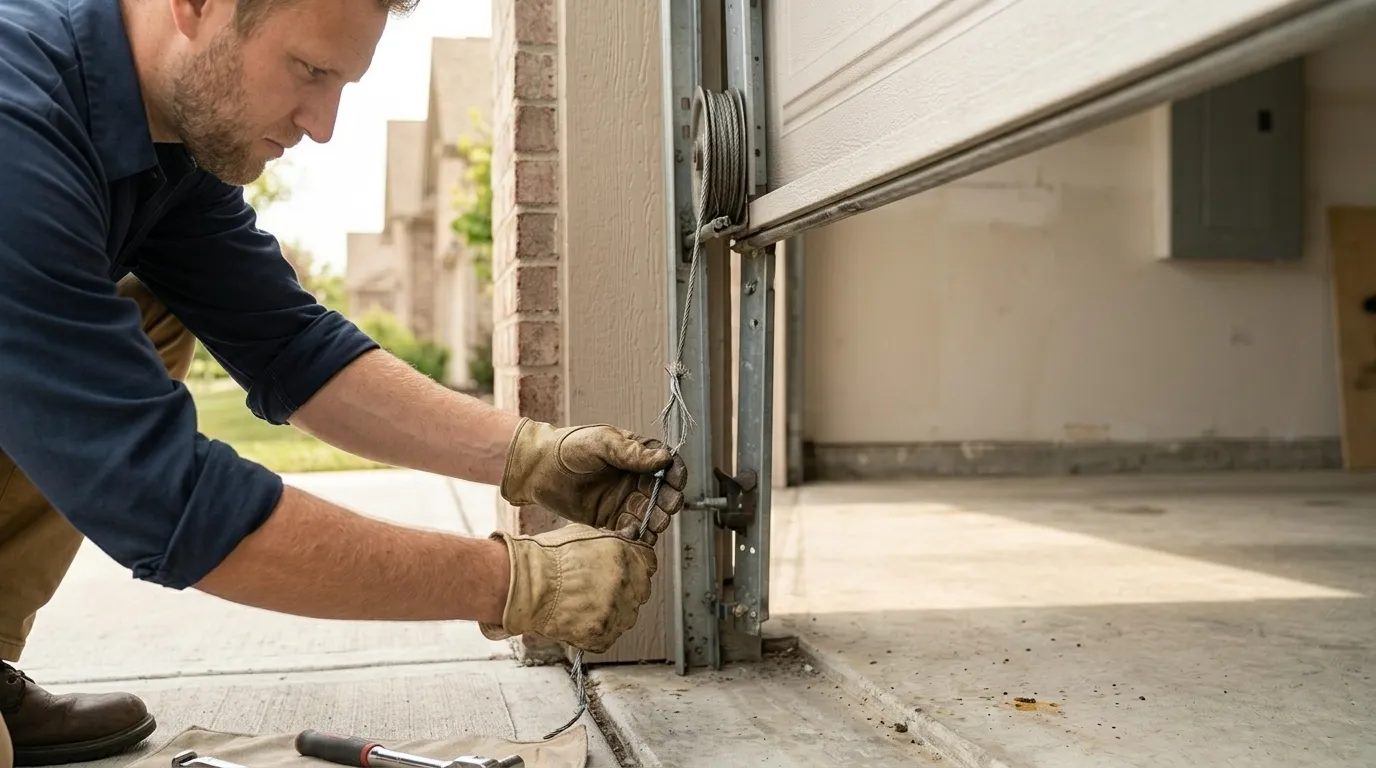
Cold makes it worse. Steel contracts, grease thickens, and a door that ran fine in September starts groaning or sticking once temperatures drop. On original hardware, that stress tends to land on whichever part is already weakest - usually the spring or the rollers, sometimes the track alignment if the header has shifted with the house over the decades.
We don't assume every Cascade door needs full replacement just because it's old. Plenty of doors from that era are structurally fine and just need the moving parts brought up to spec. But when the door itself has warped or rusted through, patching hardware onto it stops being worth the labor.
Timing on This Area
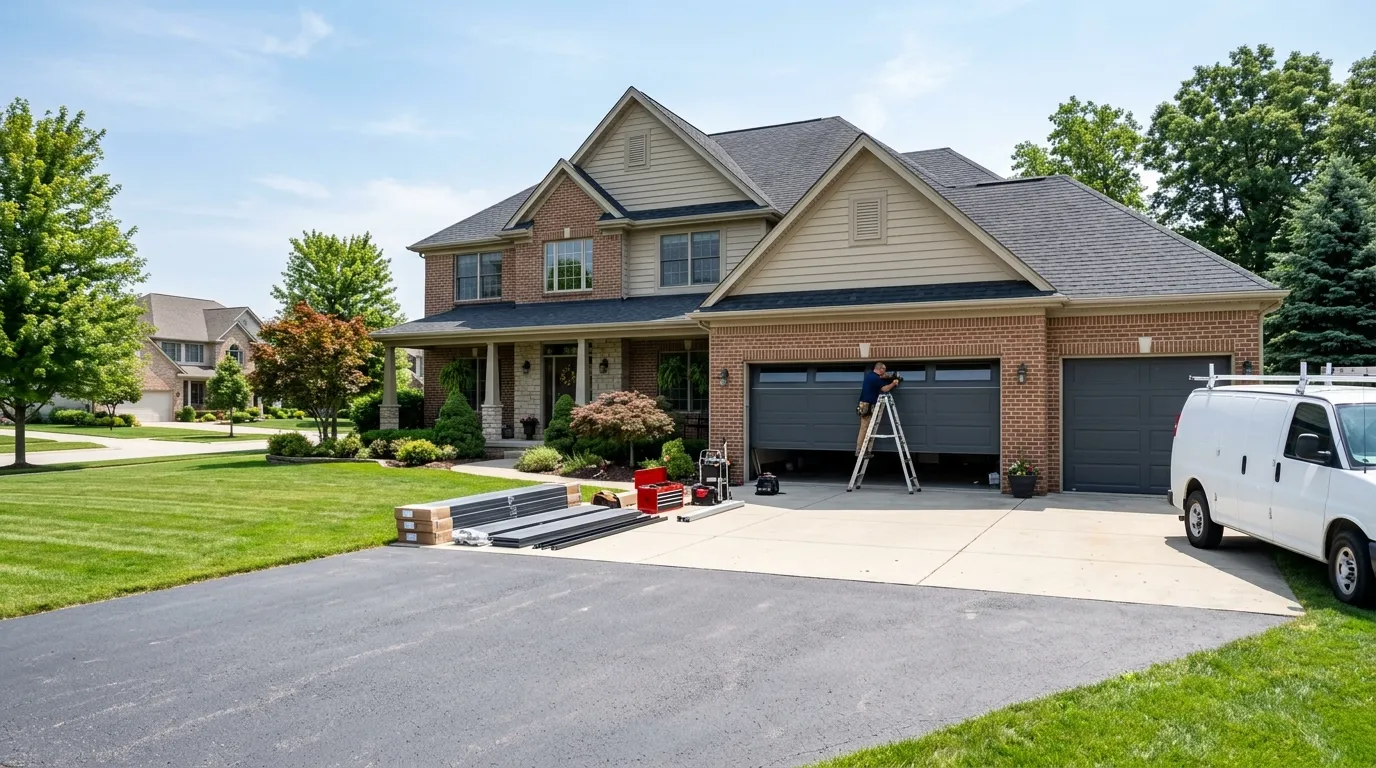
We run out of West Bend, about 19 miles from Cascade, and we don't keep a depot in town. That drive gets built into scheduling - a same-day call in Cascade means routing a truck out here specifically, not swinging by on the way to somewhere closer. We're upfront about that rather than promising something we can't back up.
Parts for older hardware are the other timing factor. A standard torsion spring or roller set, we carry on the truck. A specific bracket or drum sized for 1950s-era track, less so - sometimes that means a short delay while we source the right part rather than forcing a modern one onto an opening it wasn't made for. We'd rather tell a Cascade homeowner it'll take an extra day than install something that won't hold.
Given the distance and the age of the stock here, we plan Cascade visits with a little more lead time built in than we would for an area closer to West Bend or with newer housing. It's not a limitation we hide - it's just the honest shape of covering a town this far out with hardware this old.