What Was Built Here
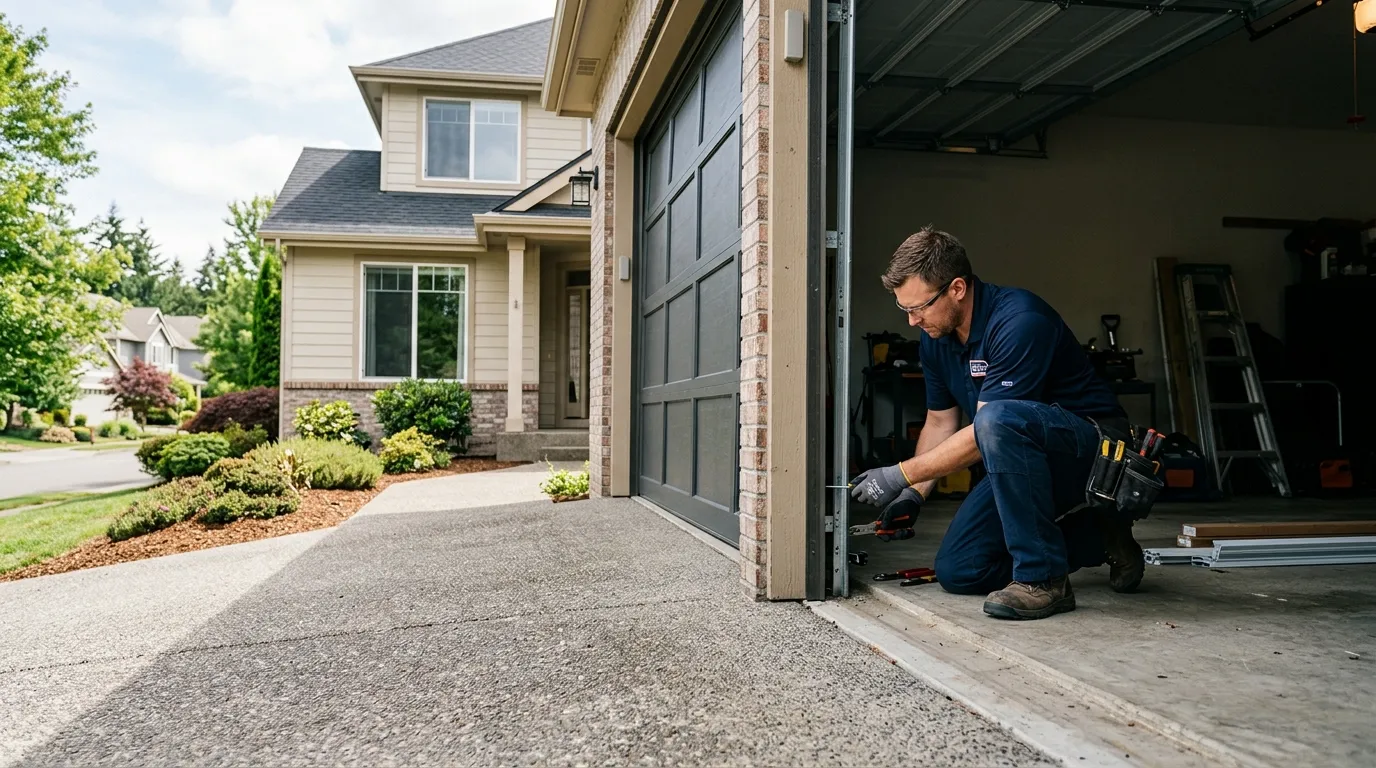
Cedarburg's housing stock centers on 1975, right in the middle of the 1958-1999 window that covers this whole service area. That's a touch newer than a lot of the older farmhouses and pre-war stock you find elsewhere in the region, but it's not new construction either. A house built in 1975 is now pushing fifty years old, and the garage door on it has usually been replaced once already - sometimes twice - but the track, the header framing, and the electrical run to the opener are often original. With 5,297 households in the area, that adds up to a lot of doors sitting right at the point where the springs, the rollers, and the opener motor are all wearing out around the same time, even if none of them has failed yet. That clustering matters more than the exact year. When a neighborhood goes up in the same five- or ten-year stretch, the doors in it tend to fail in the same stretch too, just staggered by whichever one gets used the hardest.
How That Shows Up in the Door
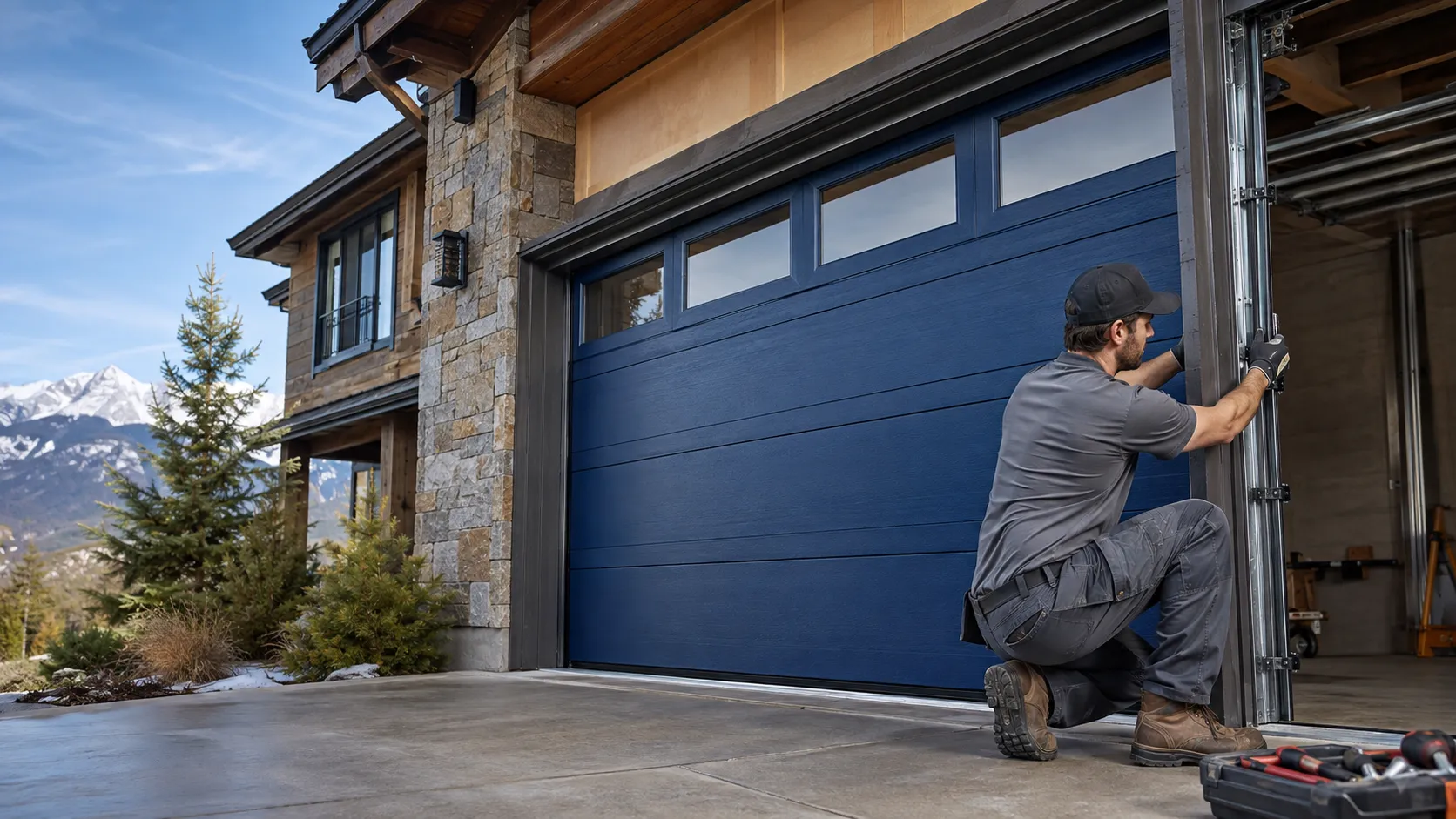
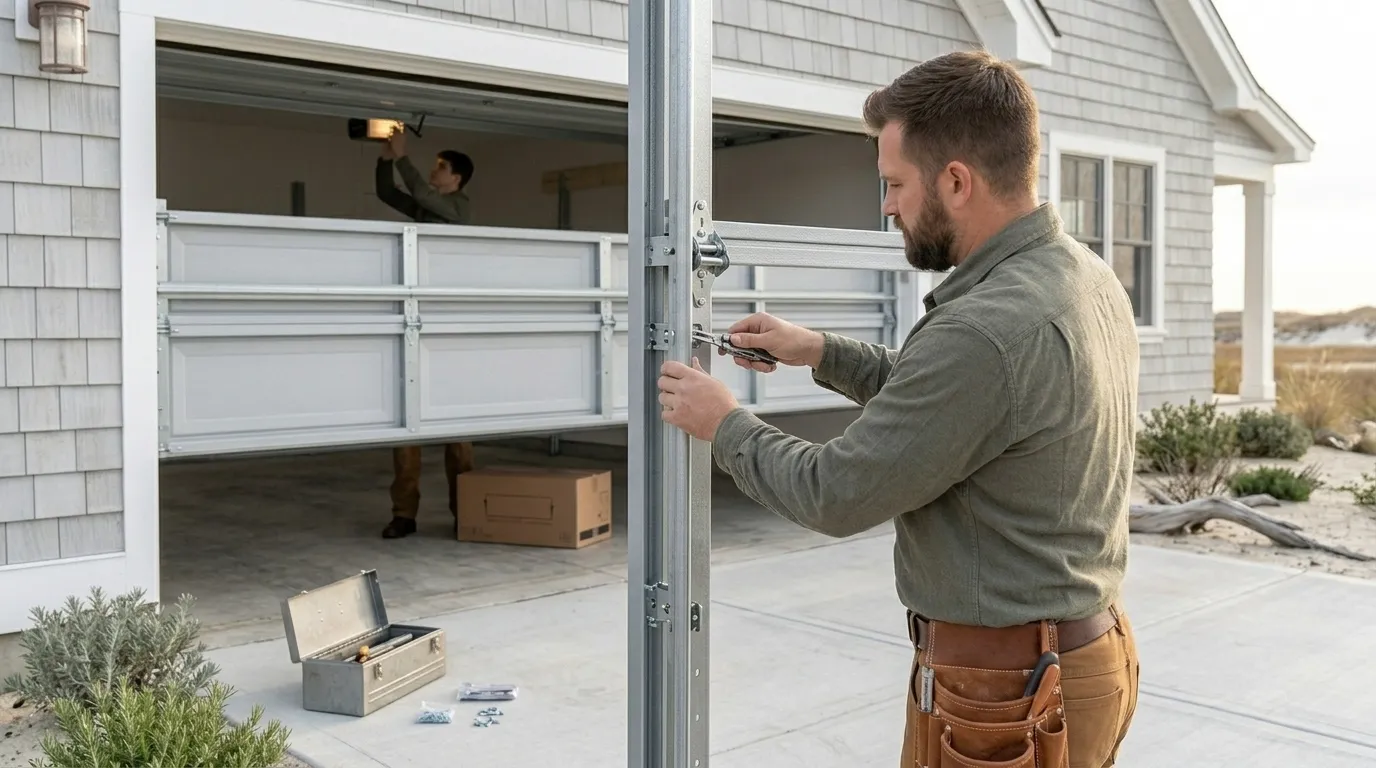
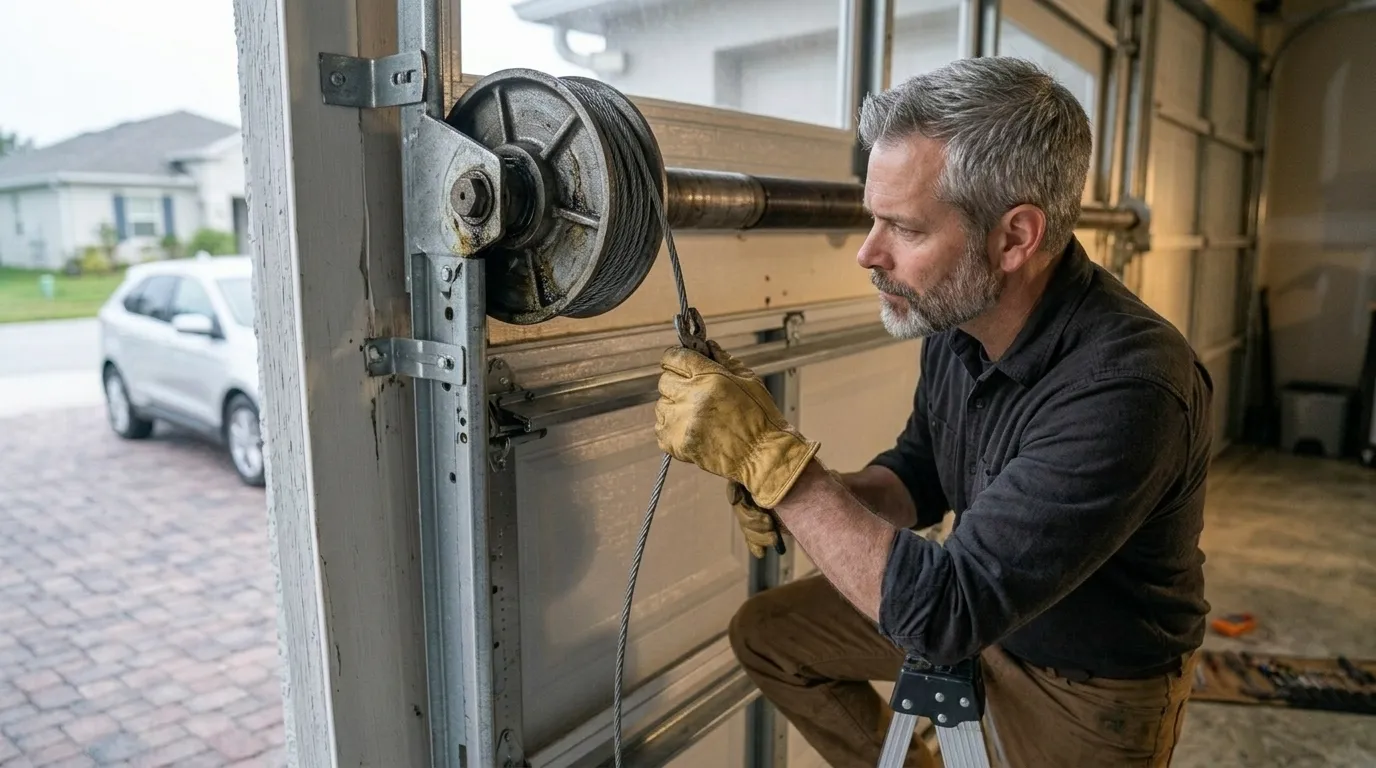
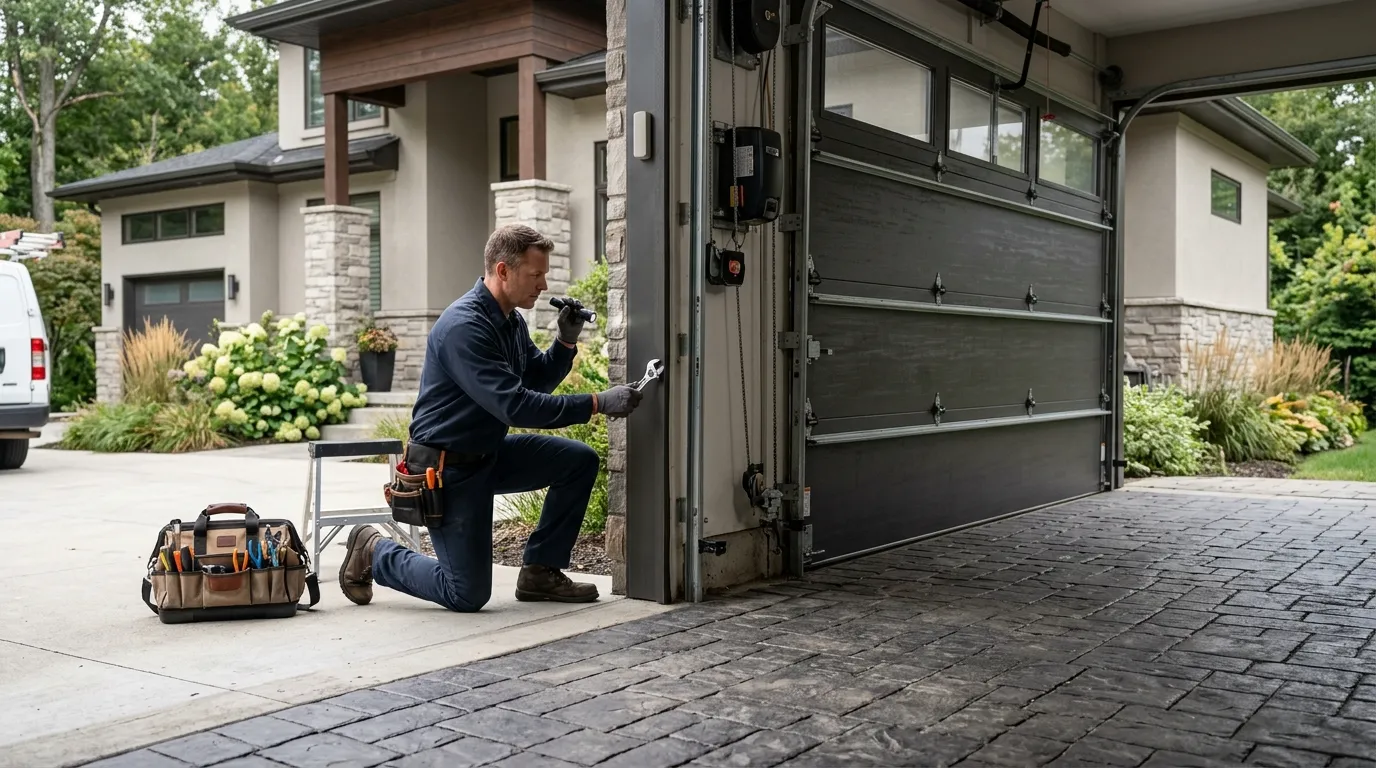
Doors from the mid-1970s in this climate band, which the federal data marks as cold and severe, were mostly built with steel sections and torsion or extension springs sized for a lighter door than what often replaces them today. When a homeowner upgrades to a heavier insulated door and keeps the original spring or the original opener, the hardware ends up undersized for the load. That's one of the more common reasons a door here starts sagging on one side or an opener starts straining and slipping the gears. The other issue tied to the era is aging weatherseal and worn bottom brackets - normal for a door of this age, but in a cold-and-severe climate a bad seal means real heat loss and ice buildup at the threshold, not just a draft. None of this is unique to any one house. It's what you'd expect from a door installed when Cedarburg was being built out and never fully updated since.
Timing on This Area
We run out of West Bend, about 13 miles from Cedarburg, so we don't have a local depot or crew stationed in town - every job here means a truck making that drive. That doesn't change what we can fix, but it does mean we schedule Cedarburg calls into the route rather than treating them as a walk-in stop. If your spring lets go on a Tuesday morning, tell us that up front so we can plan the trip out instead of squeezing it in at the end of the day. For anything urgent - a door stuck open or shut, a cable off the drum - say so when you call; that's the kind of job that reshuffles the route, not the kind that waits for a slow afternoon.