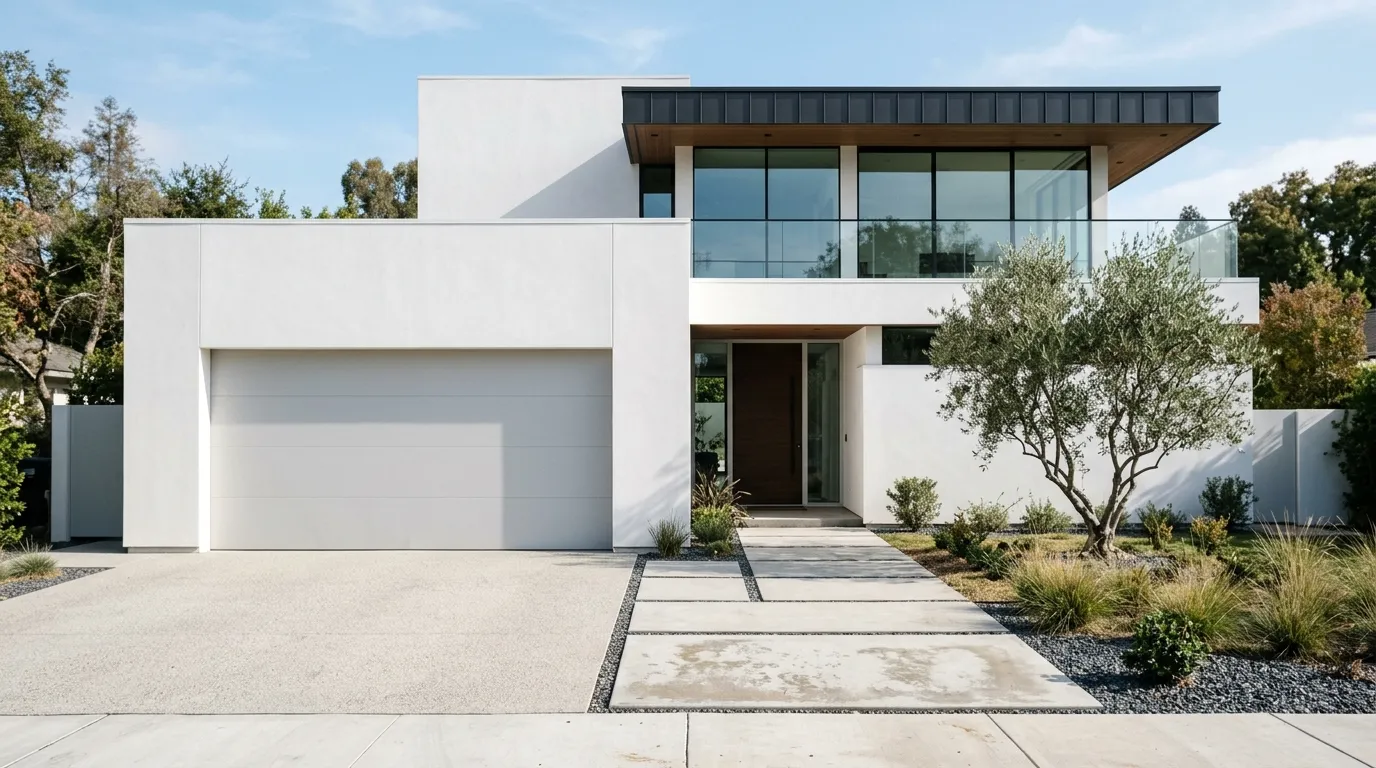
What Was Built Here
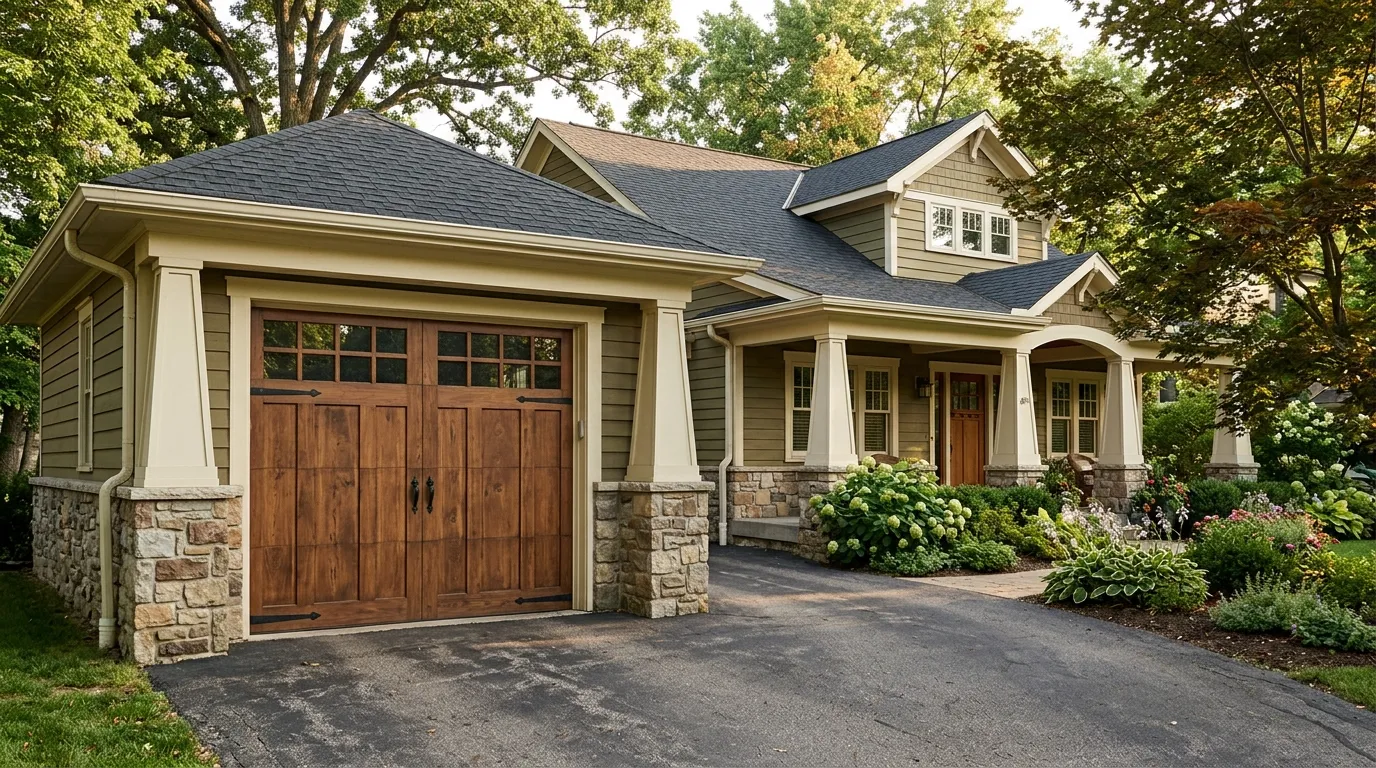
Farmington's housing stock centers on 1991, which puts it noticeably later than the wider West Bend service area, where the median build year across the 37 communities we cover runs closer to 1976. That gap matters. A lot of the doors we pull off in Farmington aren't the heavy, warped one-piece slabs you find on 1960s farmhouses closer to town - they're early-90s steel sectional doors, often still on their original galvanized torsion springs because nobody's ever had reason to touch them. With 1,344 households in the area and a median income of $102,500, this is also a place where homeowners tend to replace rather than patch once a door starts giving them trouble, which changes what we bring on the truck when we get a call out here.
How That Shows Up in the Door
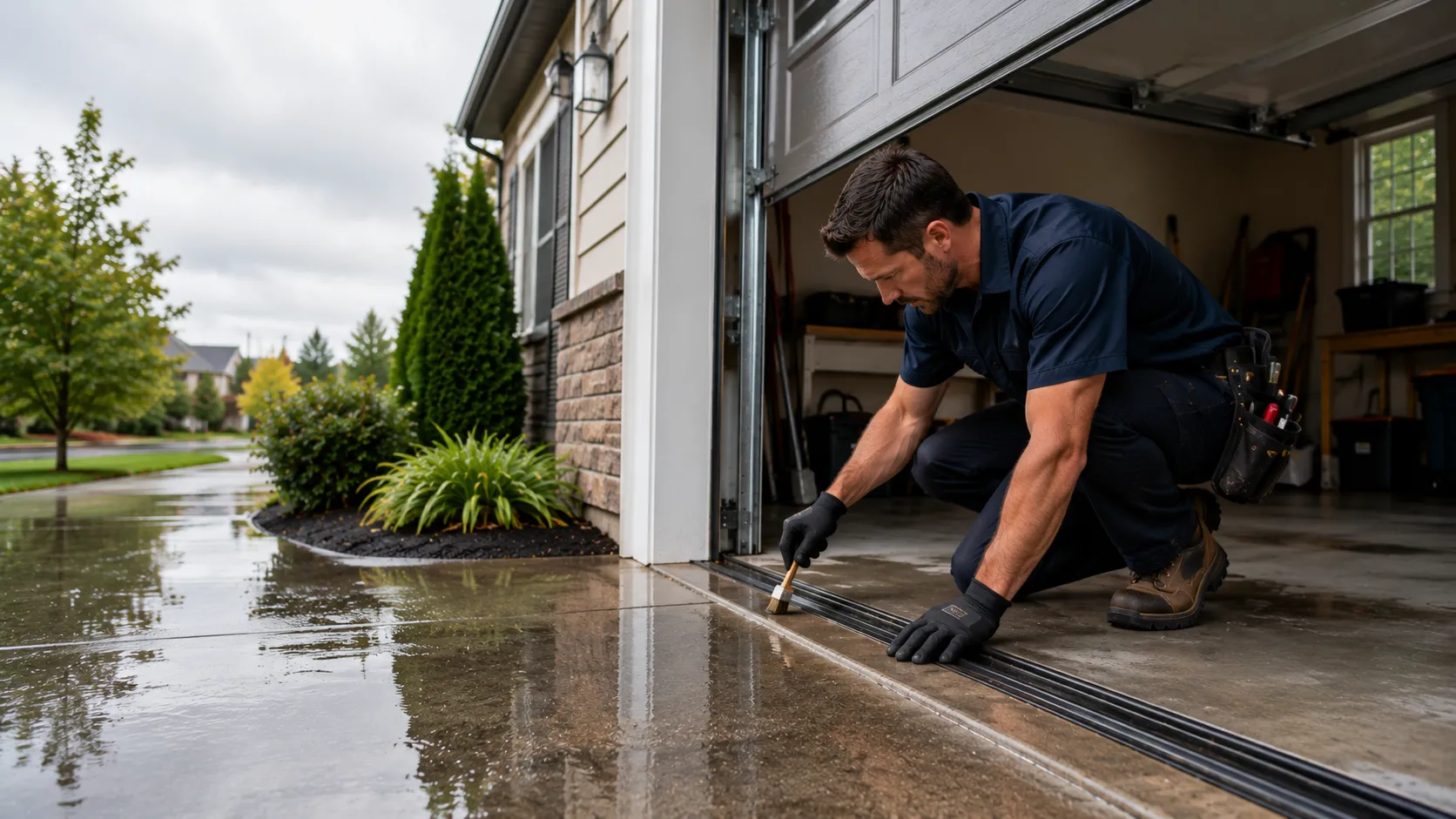
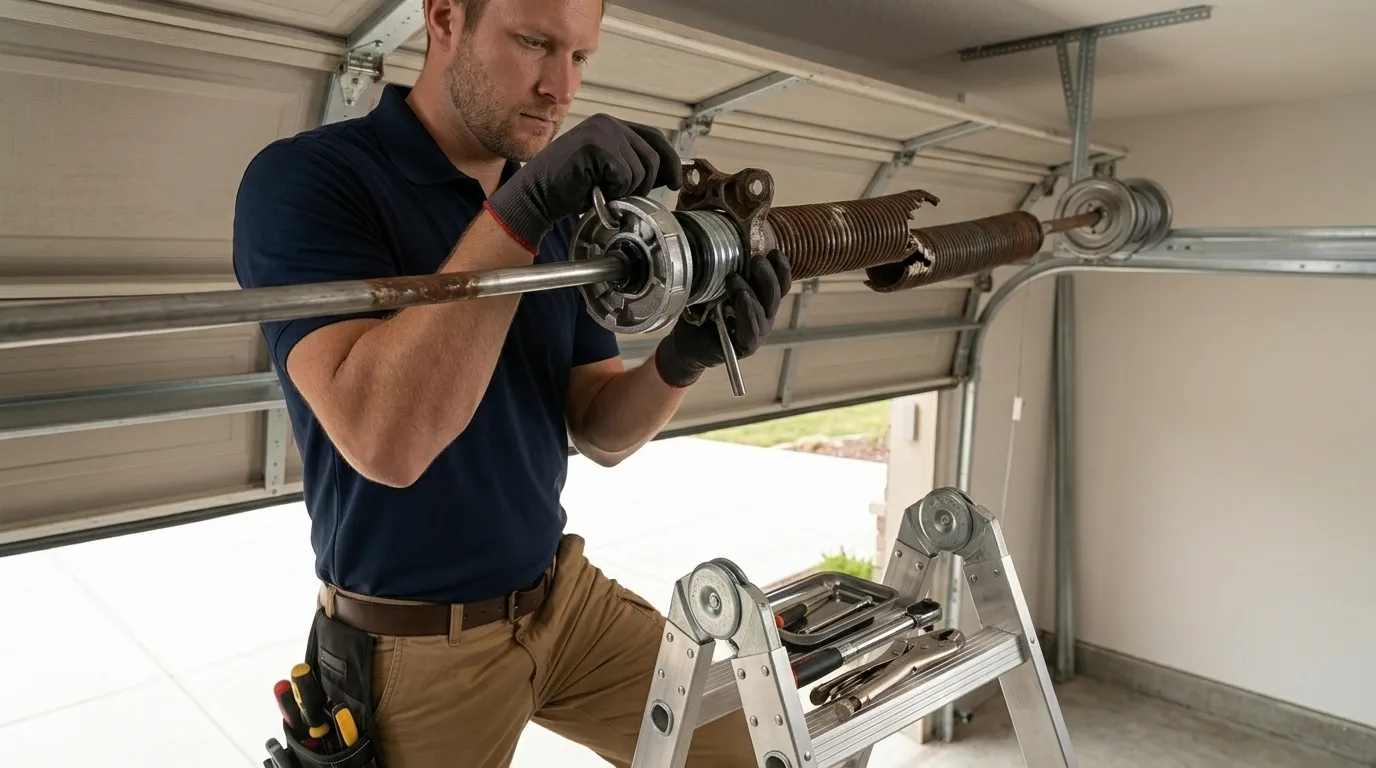
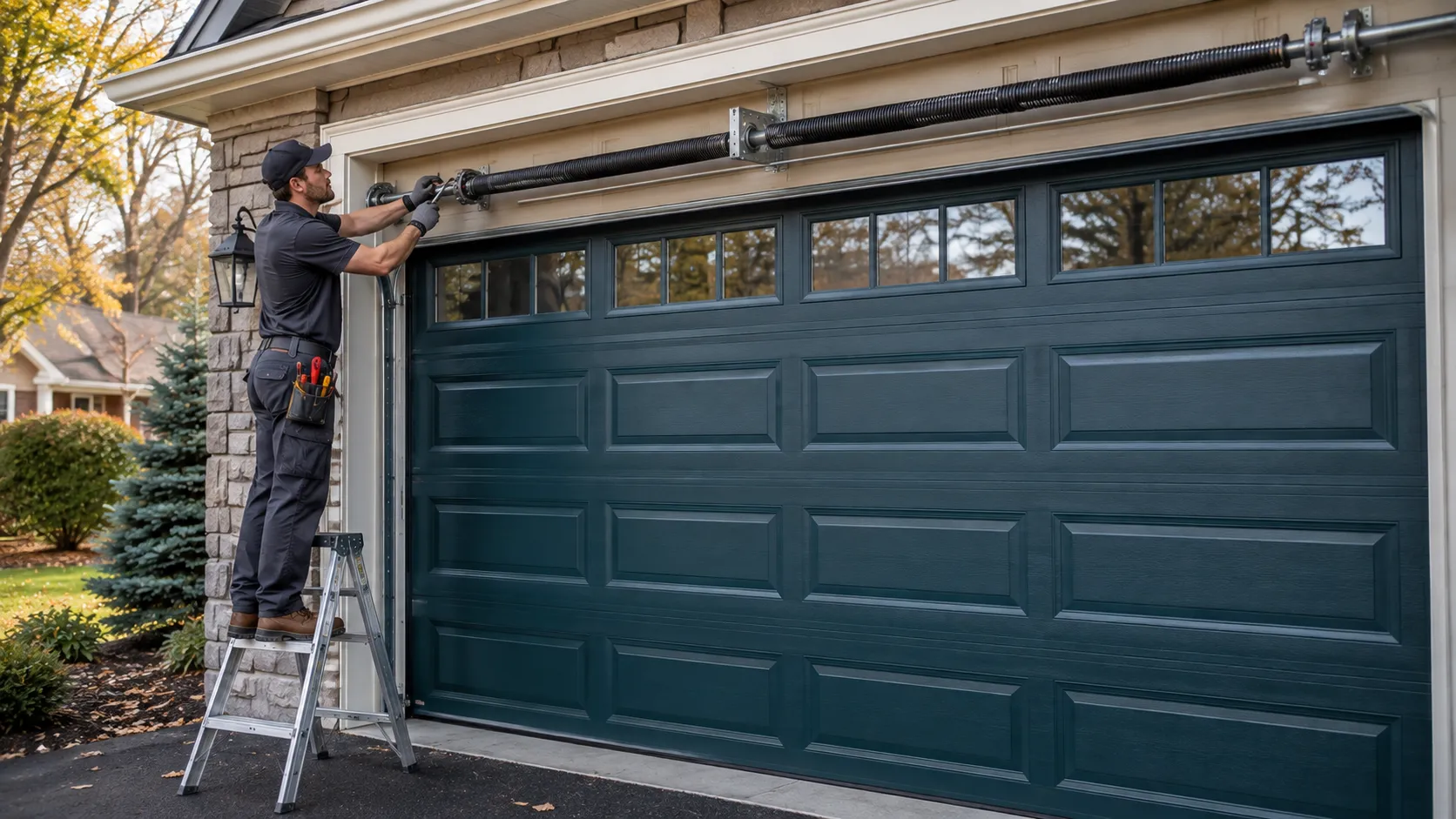
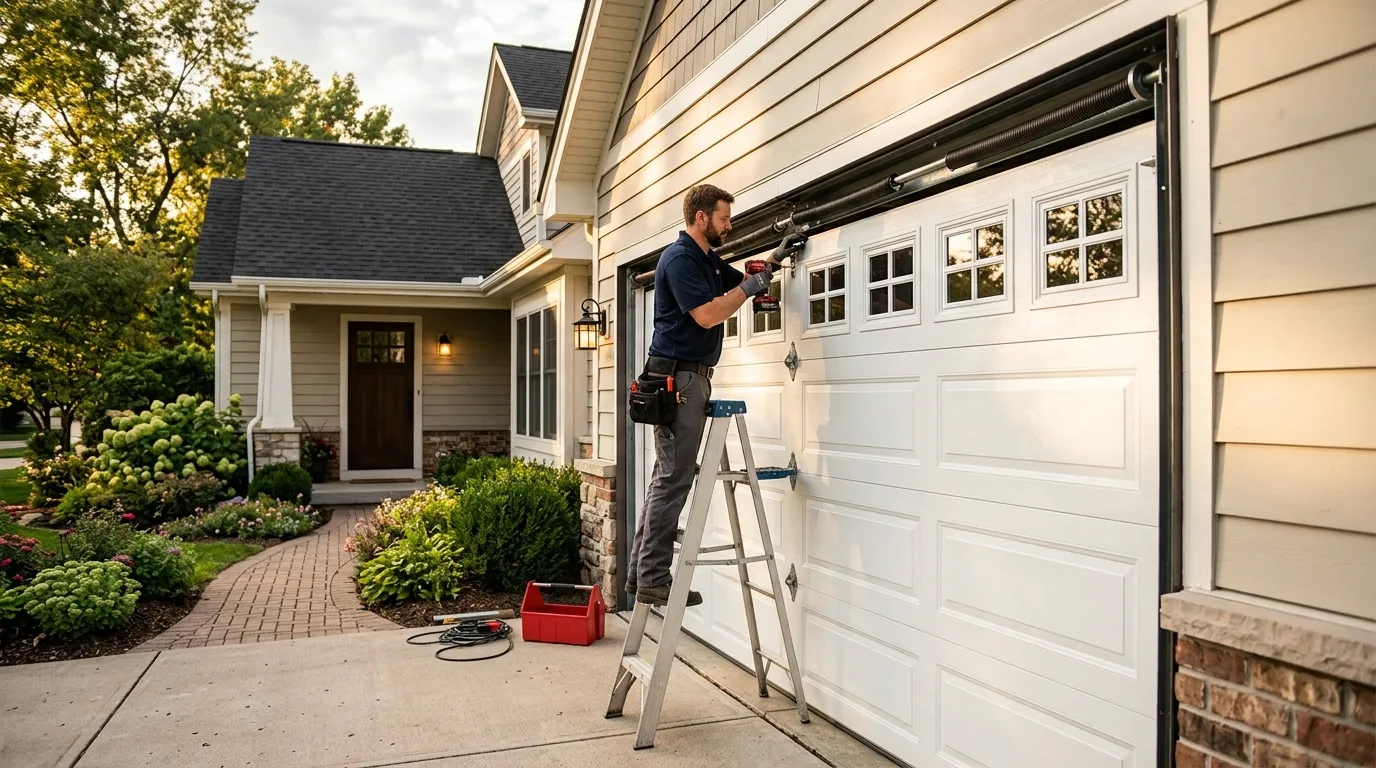
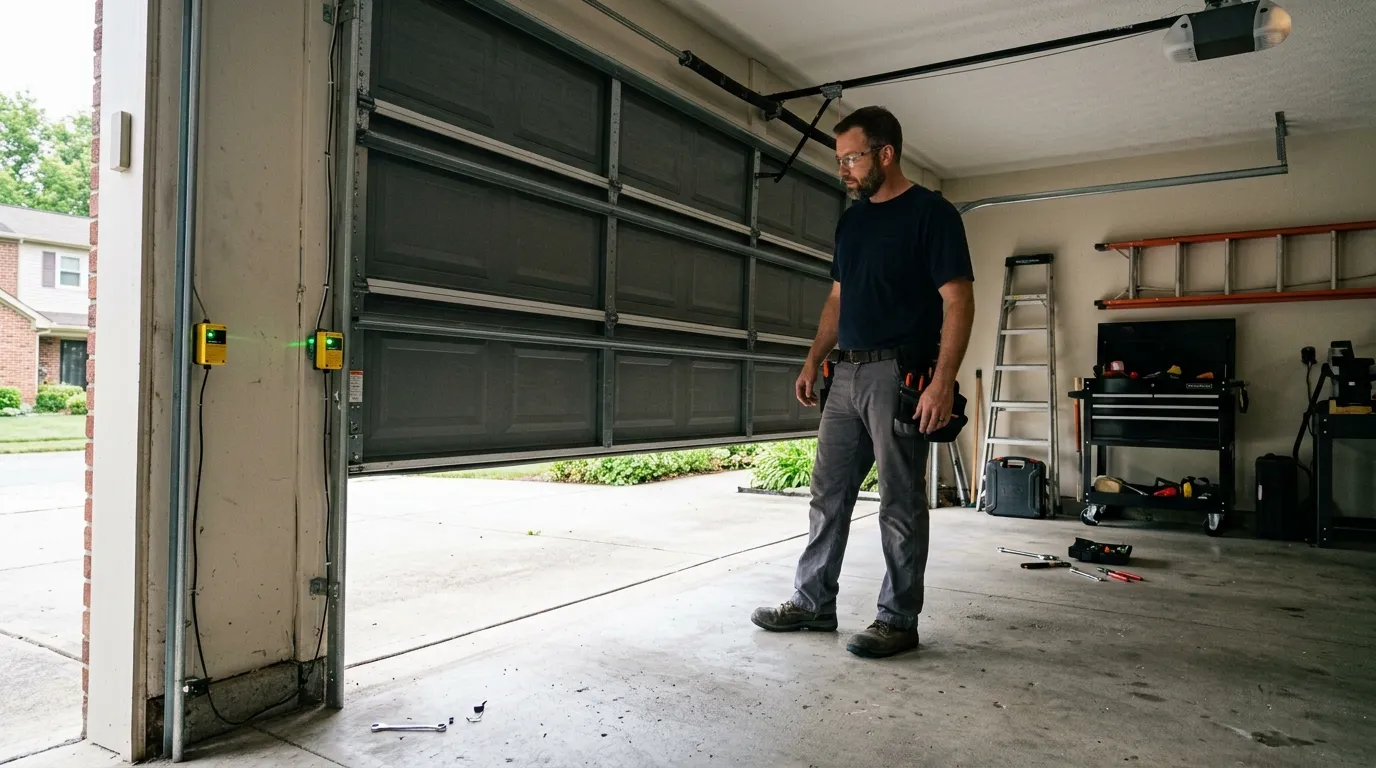
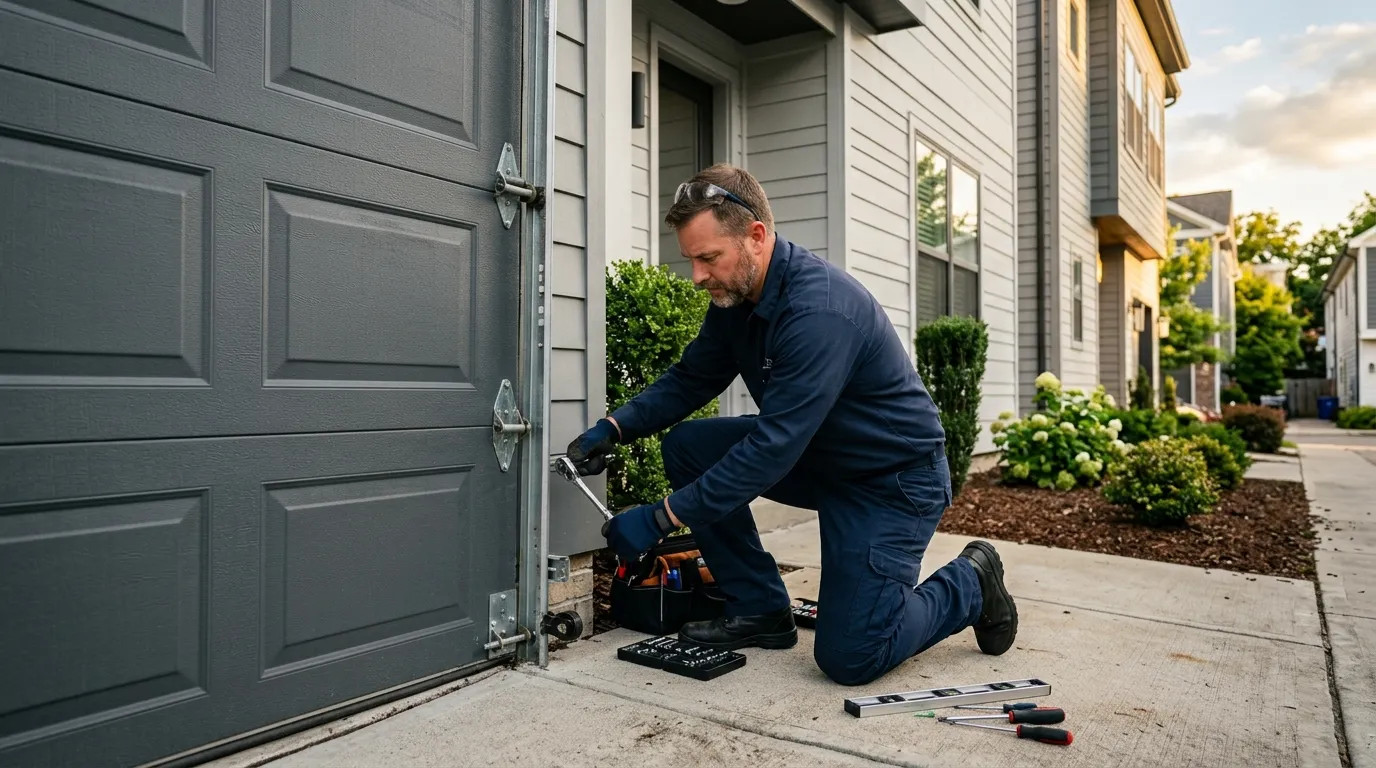
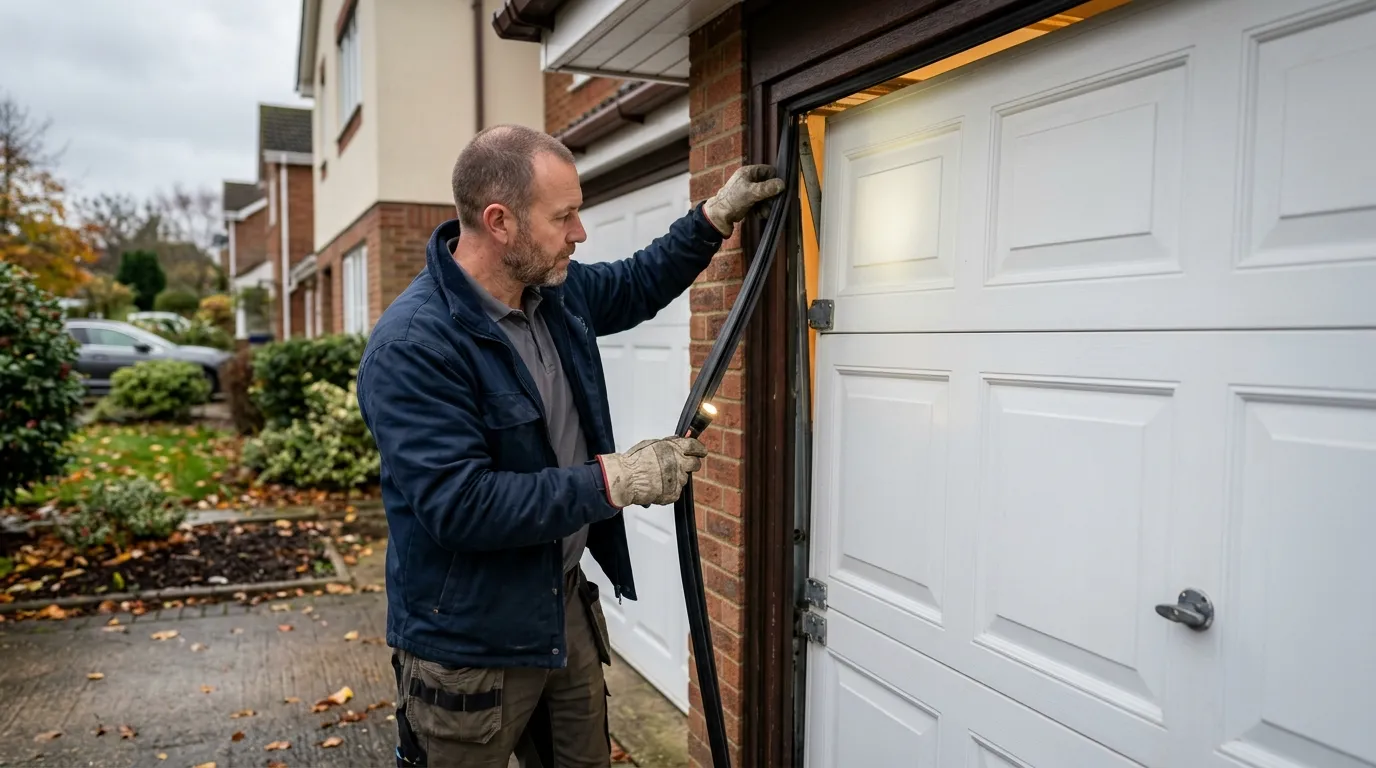
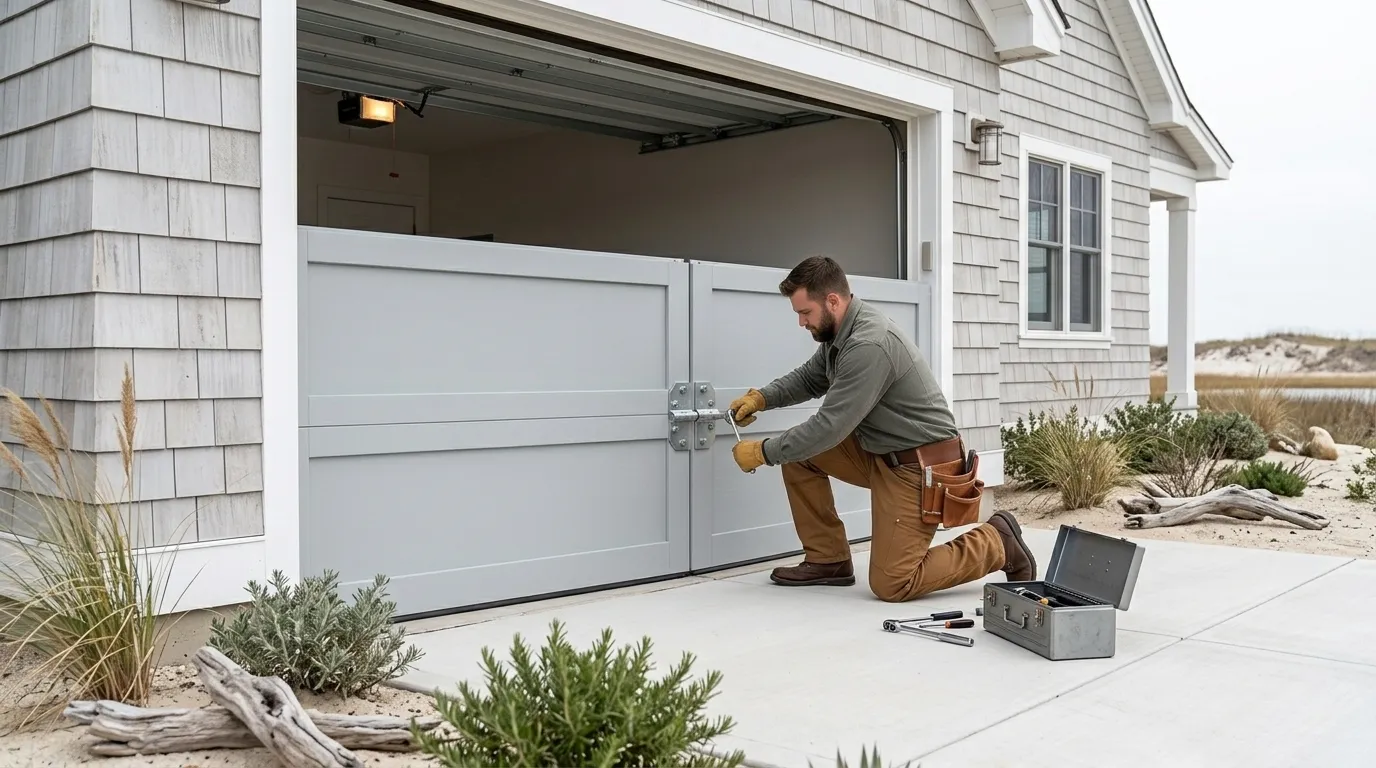
A 1991-era door is a different animal from a 1970s door. The track spacing, the spring cycle rating, and the opener mounting hardware from that build era were standardized in ways older doors weren't, so parts availability is actually better here than on some of the older streets we service. What we see more of in Farmington: original torsion springs finally hitting their cycle limit after three decades, worn nylon rollers that were never upgraded to steel, and openers from the same era with drive gears that have stripped out. The cold severe climate this whole area sits in doesn't discriminate by build year - steel contracts and cracks weatherstripping the same whether the house went up in 1965 or 1991 - but a newer frame usually means the door itself is squarer and easier to true up than the sagging older doors we see closer to West Bend.
Timing on This Area
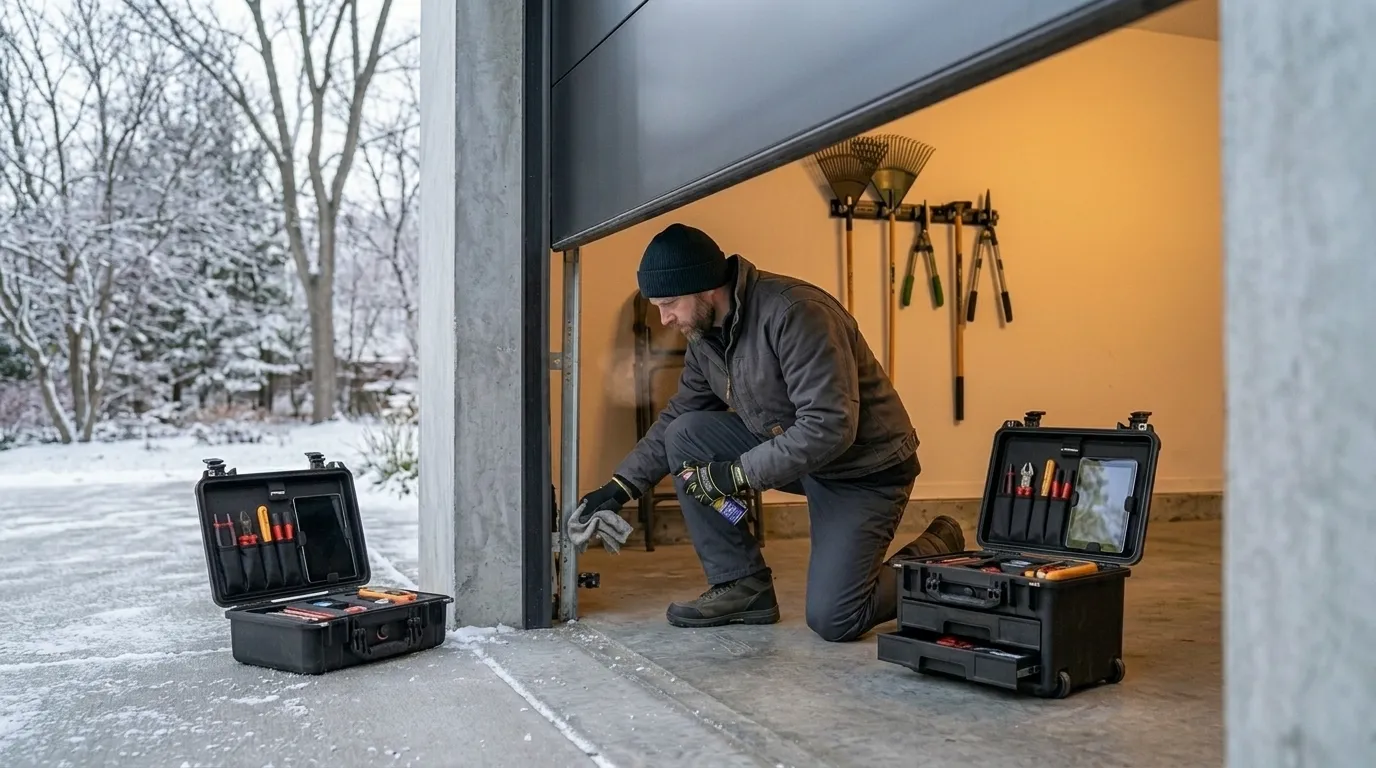
We run out of West Bend, about 7 miles from Farmington, so we're not sitting in the area waiting for calls - we schedule the drive in with other stops nearby. That's usually a short trip, not a special trip, which keeps it practical for us to take on the smaller jobs (a single roller, a cracked panel) that some companies won't drive out for. Cold severe winters mean spring failures cluster in the coldest stretches of the year, when steel is least forgiving and a spring that's been marginal for a season finally lets go. If you're calling in January, expect that we're hearing the same thing from other households in the area that week.