24/7 Emergency Service Open 7 days · 7am–8pm Serving West Bend, WI & nearby
(262) 401-2166
West Bend, WI

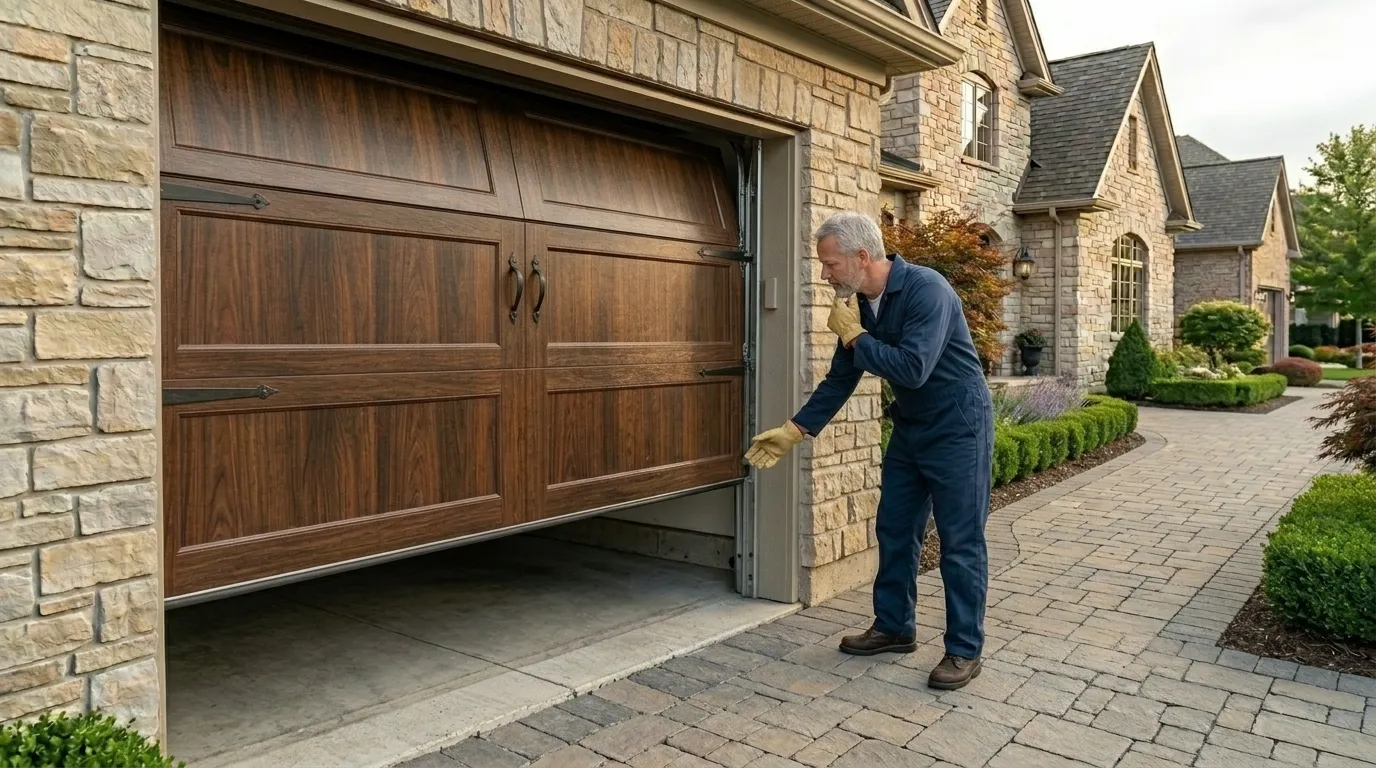
What Our Technicians Check First on a West Bend Garage Door

In West Bend, most garage doors date to the 1958-1999 building boom, and our severe cold climate hits old torsion springs hard. Here's what we check first.

What Our Technicians Check First on a West Bend Garage Door

The Problem

Most of the housing stock around West Bend went up between 1958 and 1999, with the median build year sitting around 1976 and the heaviest concentration of that stock dating to the 1960s and 70s across the area's 37 named neighborhoods. That matters because a door installed in 1974 does not use the same hardware as one installed in 2015. A lot of these doors still carry their original torsion or extension springs, original steel rollers, and openers that predate modern force-sensing safety standards. When a call comes in, the first thing a tech has to figure out isn't "what's broken" - it's "how old is this system, and does it even match current parts." A cable that looks fine on a 2020 door can be a different gauge entirely on a door from the Carter administration. Skipping that step means guessing at a fix instead of diagnosing one.

The Common Mistake

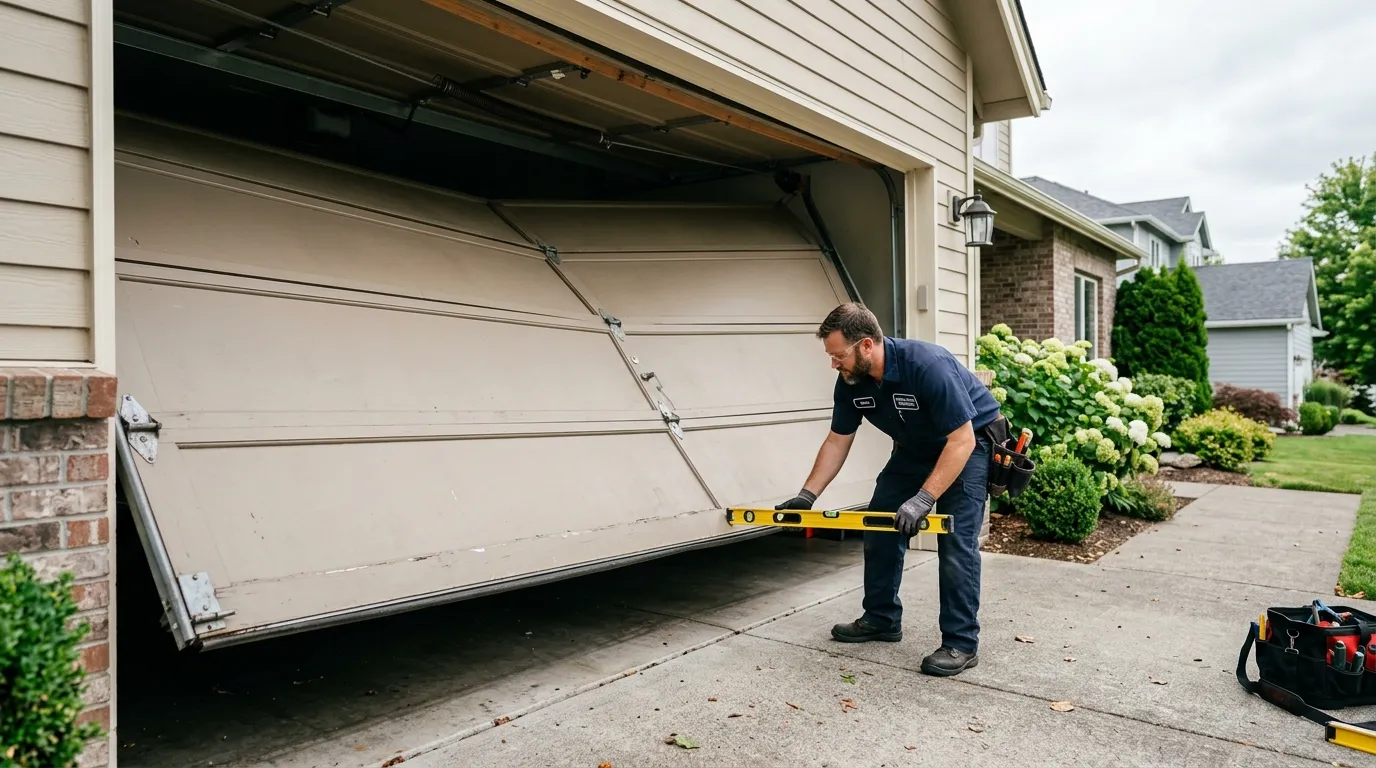
The mistake we see most is homeowners - and sometimes techs in a hurry - treating every door the same regardless of its age. Someone sprays lubricant on a noisy roller and calls it fixed, without checking whether the track itself is original 1970s steel that's worn oval instead of round. Or they replace a single frayed cable without checking the drum it's wound on, which on older doors is often mismatched to newer cable stock. On a door built when West Bend's housing boom was still going, the spring, drum, cable, and track were sized as a set. Swap one piece without checking the others and you get a door that runs rough for a month and then fails again. The fix that actually holds is checking spring type, drum size, cable gauge, and track condition together before touching anything - not patching the one part that's making noise today.

The Cost of This Job

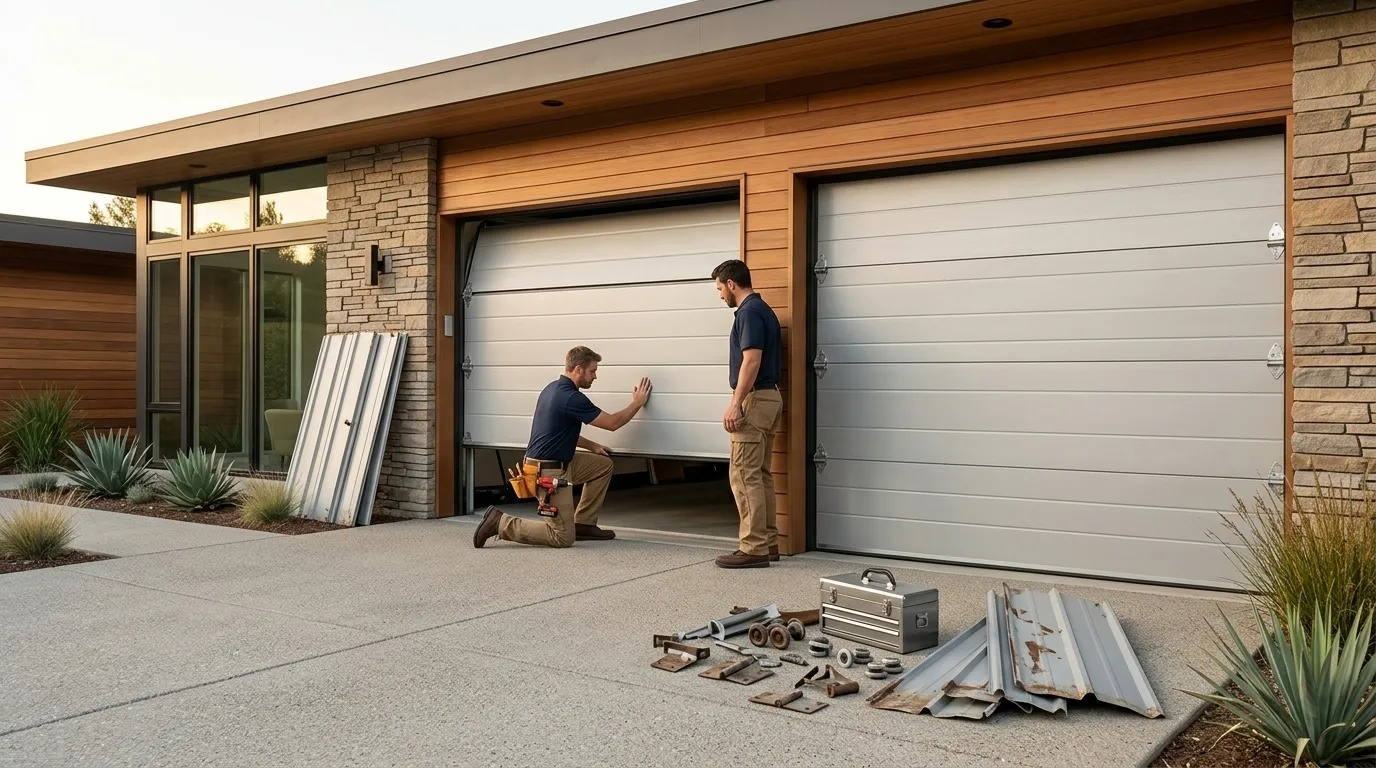
We don't have a set number to quote here, and that's on purpose - the price swings a lot depending on whether we're working with a door original to the 1958-1999 building stock or a newer replacement unit. An original torsion setup on a house from that era often needs parts that aren't stocked on every truck, which can add a day to the job if we have to order them. With 45,839 owner-occupied houses in this service area and a median household income of $88,634, most owners here can reasonably choose full spring or track replacement over a patch job when the hardware is original-era and already fatigued. Where we're honest with you: if the door is original to a house built in the 1960s or 70s and the track is bent along its length, replacing the whole assembly is usually the better call than trying to true up thirty-plus-year-old steel.

What the Weather Here Does to It

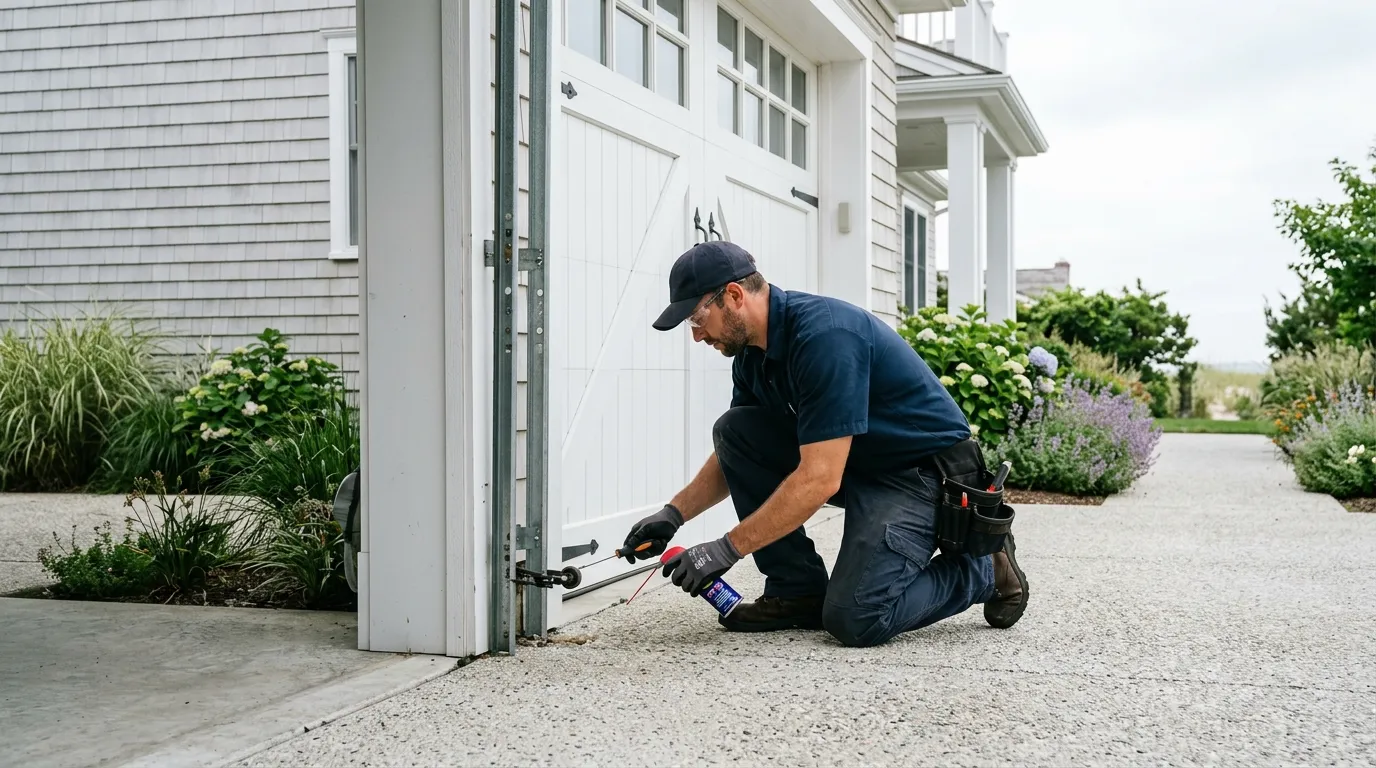
West Bend sits in a severe cold climate band, and that changes what fails and when. Steel torsion springs lose tension differently in deep cold - the metal contracts, and a spring that was already near the end of its cycle count on an original-era door tends to let go on the coldest mornings, not the mild ones. Grease on rollers and hinges thickens up in sub-freezing temperatures, which is why a door that ran fine in October suddenly drags or won't fully close in January. Bottom seals on older doors, especially the original vinyl from a 1970s install, get brittle and crack in hard cold, letting in the draft that makes an unheated garage feel like the outdoors. A tech working here checks spring tension, seal condition, and roller lubrication first in winter calls, in that order, because cold hits those three parts before it hits anything else on the door.
How it works

From “it’s stuck” to “it’s fixed”

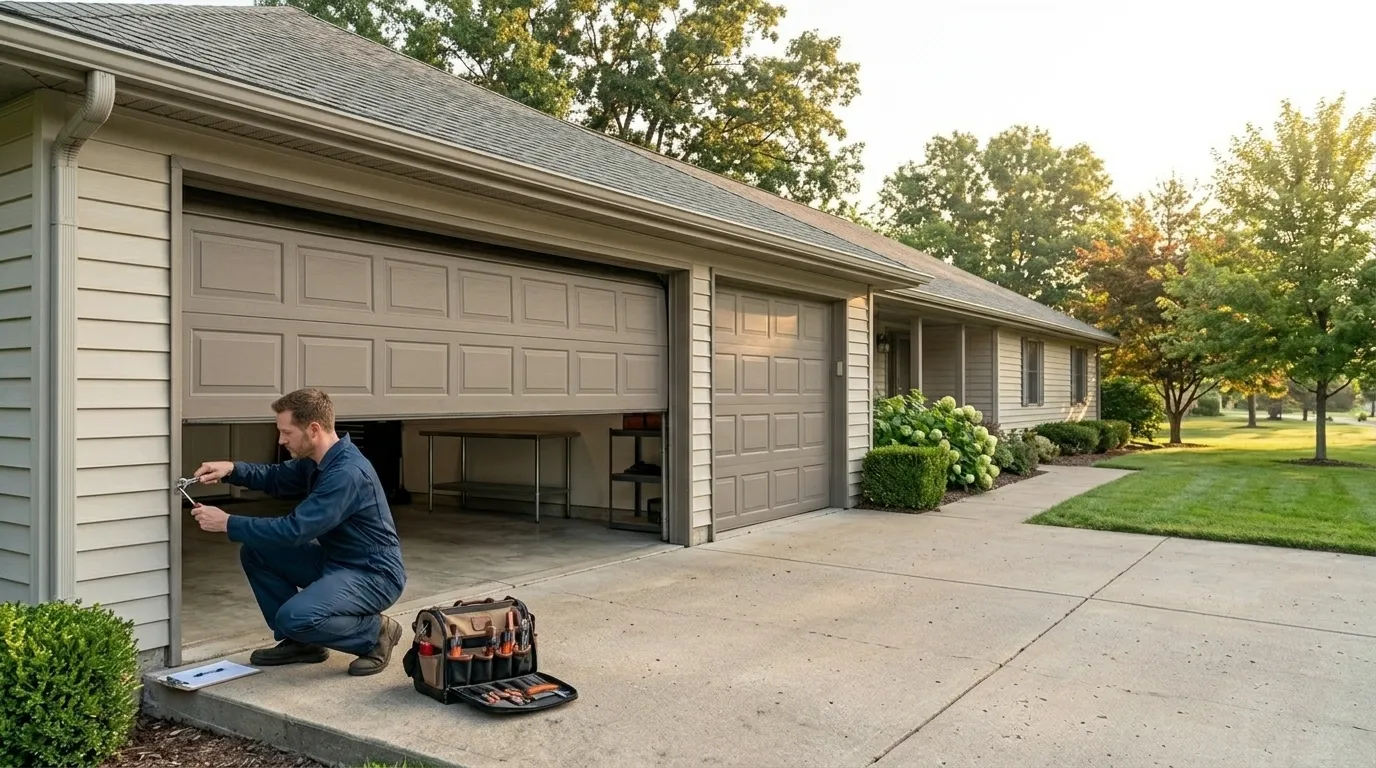
Tell us what’s wrong - West Bend garage door service

Tell us what’s wrong

Describe the symptom - won’t open, loud bang, opener runs but the door won’t move.

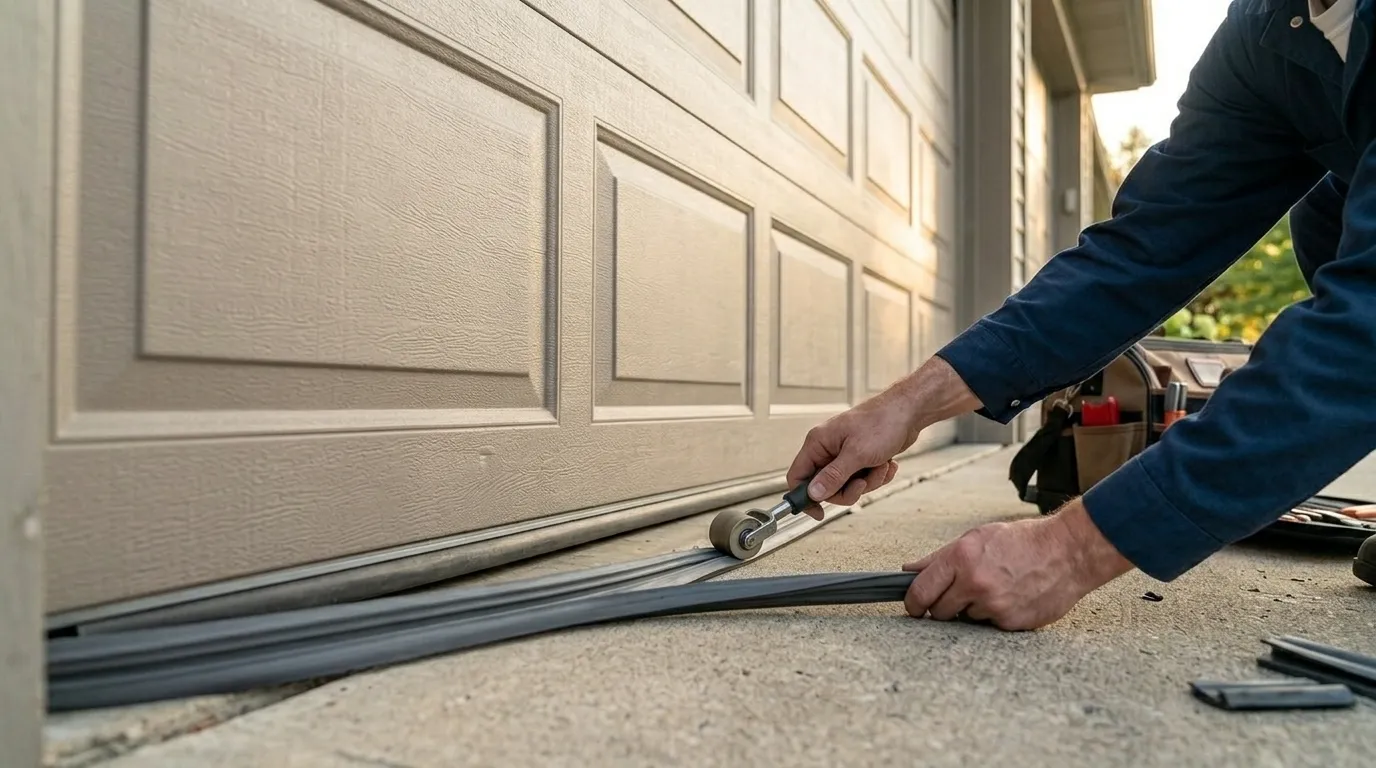
On-site diagnosis - West Bend garage door service

On-site diagnosis

A technician tests the door under power and by hand and finds what actually failed.

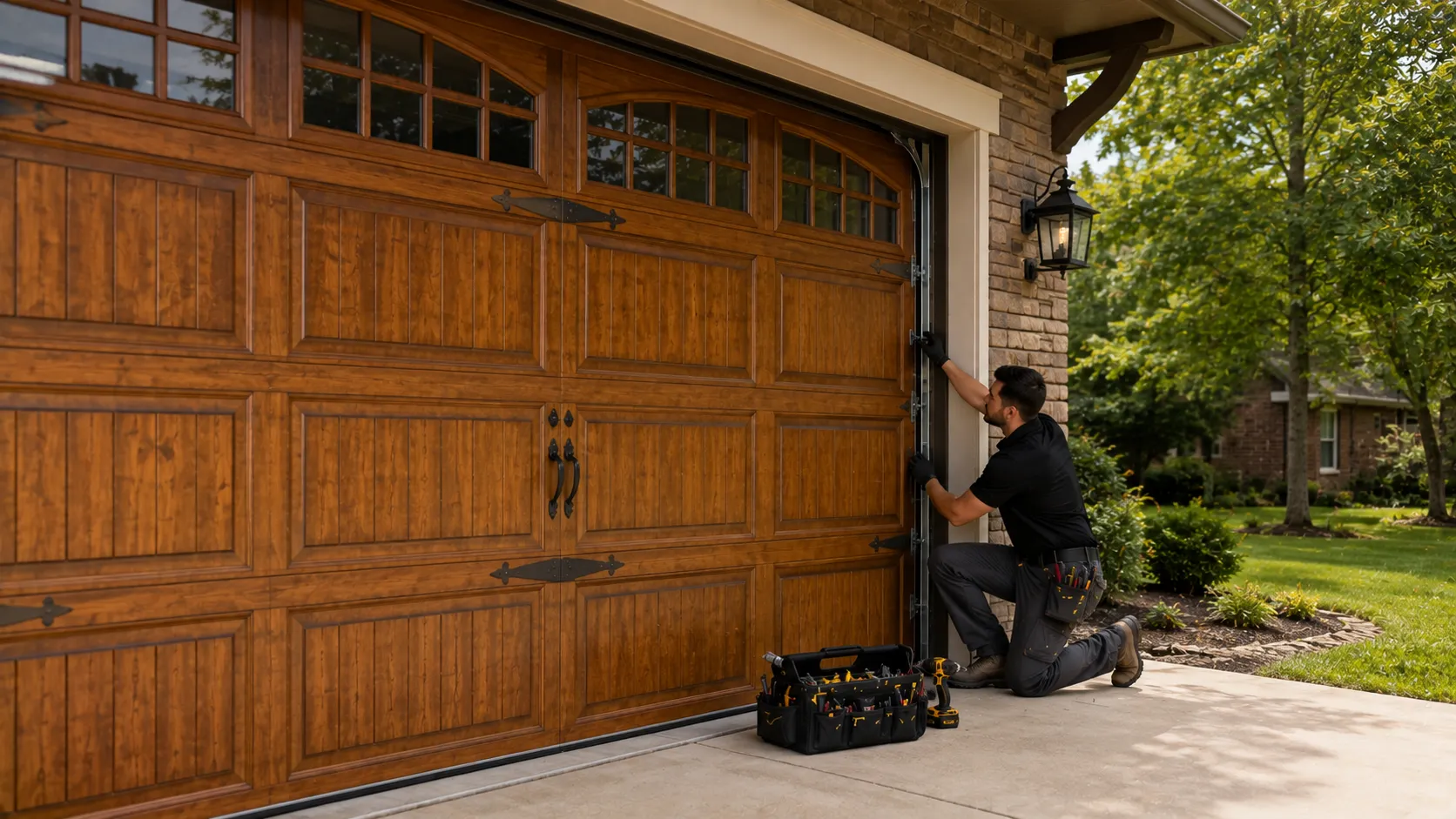
Clear, up-front plan - West Bend garage door service

Clear, up-front plan

You get the fix that’s needed and what drives the cost - before any work starts.

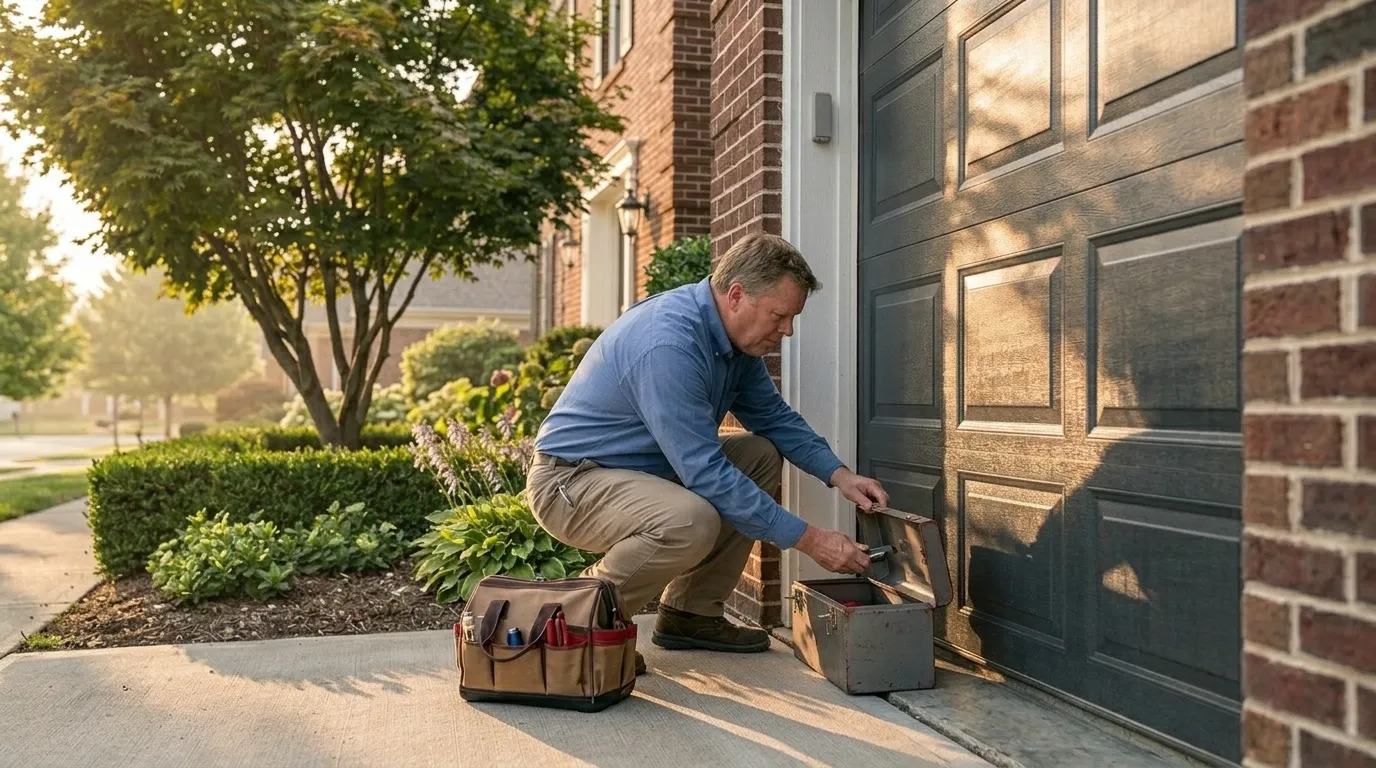
Repaired & tested - West Bend garage door service

Repaired & tested

The repair is done, the door is set true and tested, and the work area left clean.

Serving West Bend, WI - tell us what your door’s doing and we’ll take it from there.

How we work

What to expect

Diagnosis firstEvery visit starts by finding what actually failed - not a pre-written parts list.
The right part for the doorSprings and openers matched to the door’s weight and age, so the fix holds up.
Straight answersWhen a repair makes more sense than a replacement - or the reverse - you hear it plainly.
Clean, careful workTension released safely, hardware set true, the door tested under power before we leave.
Questions

Frequently asked

Straight answers about garage door repair in West Bend. Still unsure? Ask us directly.

Why does my garage door only act up in winter?

Cold steel behaves differently than warm steel. In West Bend's severe cold band, torsion springs lose tension faster and lubricant on rollers and hinges thickens, so a door that ran fine in fall can start dragging or refusing to close once temperatures drop hard.

My house was built in the 70s - does that matter for repairs?

Yes. A lot of houses in this area date to the 1960s and 70s building boom, and doors from that era often run original spring, drum, and cable sizing that doesn't match parts made for newer doors. A tech needs to check the whole set, not just the failed part.

How much will a spring replacement cost?

It depends on the door's age and hardware. Original-era torsion setups sometimes need parts that aren't on every truck, which can add time. We don't quote a flat number without seeing the door first.

Should I replace the whole door or just fix the track?

If the track is bent along its length on a door original to a house from the 1958-1999 building era, replacing the assembly usually holds up better than trying to straighten thirty-plus-year-old steel.

Ready to get your garage door sorted?

Tell us what it’s doing and where you are in West Bend - we’ll take it from there.

Request a QuoteCall