Why This Fails Locally
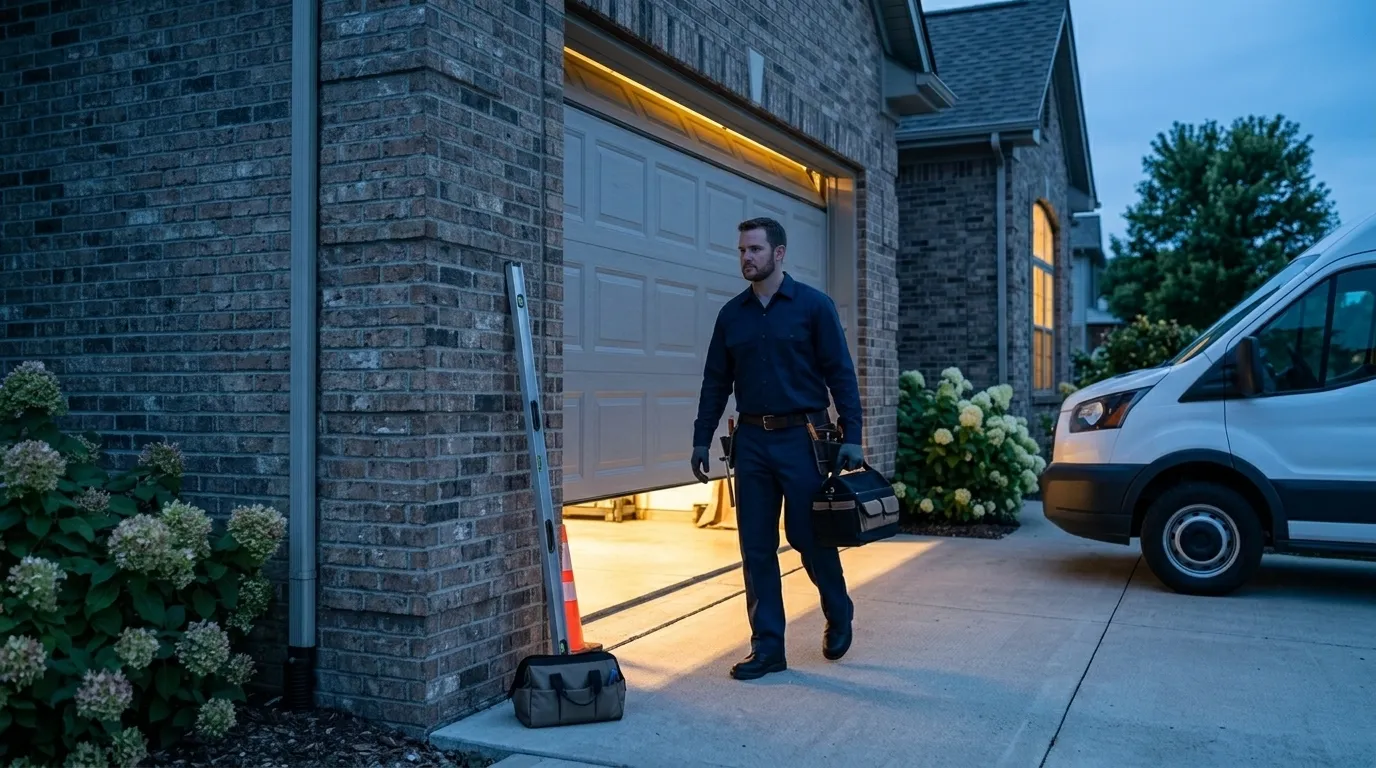
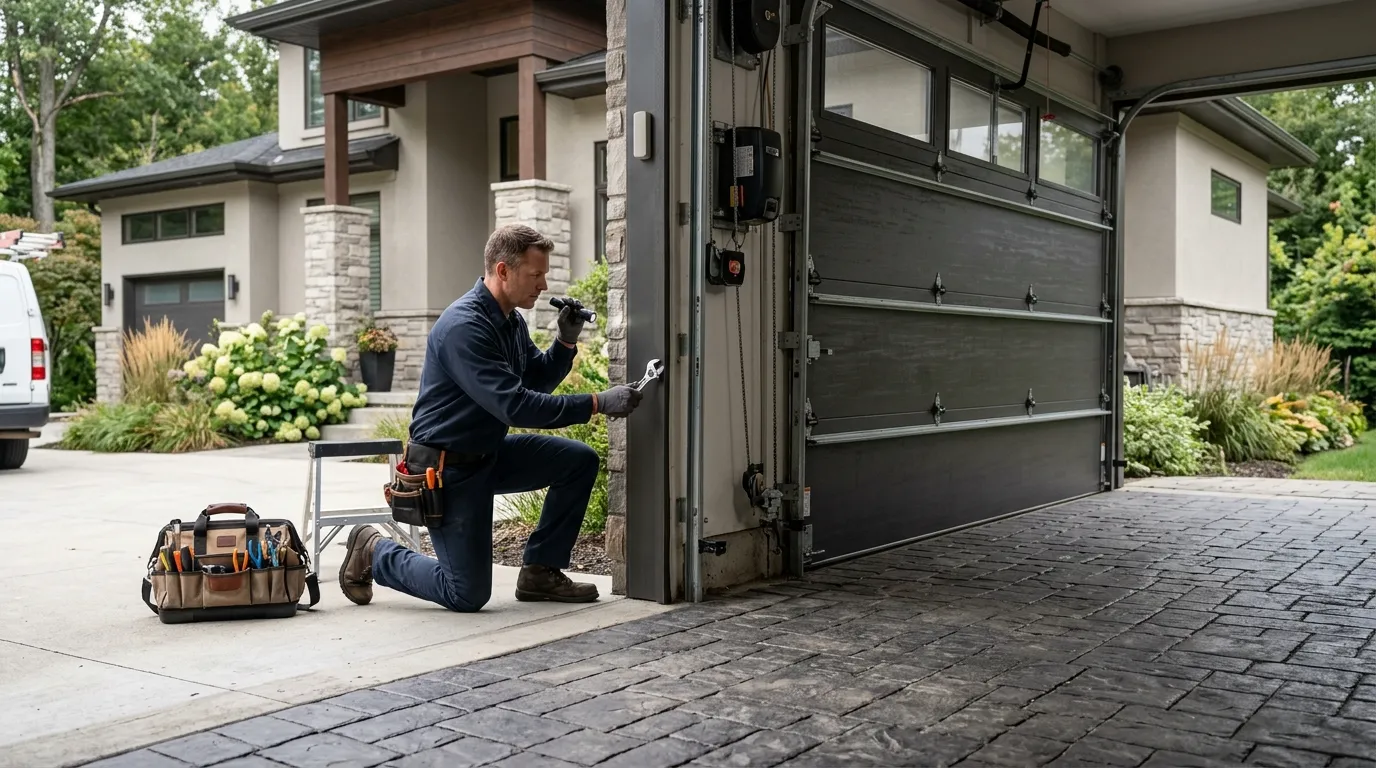
West Bend's housing mostly went up between 1958 and 1999, with the median build year sitting around 1976. That means a huge share of the doors we get called on are original torsion or extension spring setups, or first-generation replacements installed on hardware from that era. Springs in this area take a beating for a reason that has nothing to do with age alone: this is a severe cold climate, and steel contracts and gets brittle when it sits at single digits for weeks at a stretch. A spring rated for a certain cycle count in a mild climate simply doesn't make it that far here. Add in the fact that a lot of the 37 named neighborhoods and townships around West Bend still have the original galvanized track and roller assemblies from when the house was built, and you get a predictable failure pattern: spring snaps first, then the cables that were riding on it fray, then the rollers that were already worn from decades of cold-stiffened travel start binding in the track. It's not bad luck. It's a 1970s door meeting a Wisconsin winter, year after year, until something gives.
The Symptom
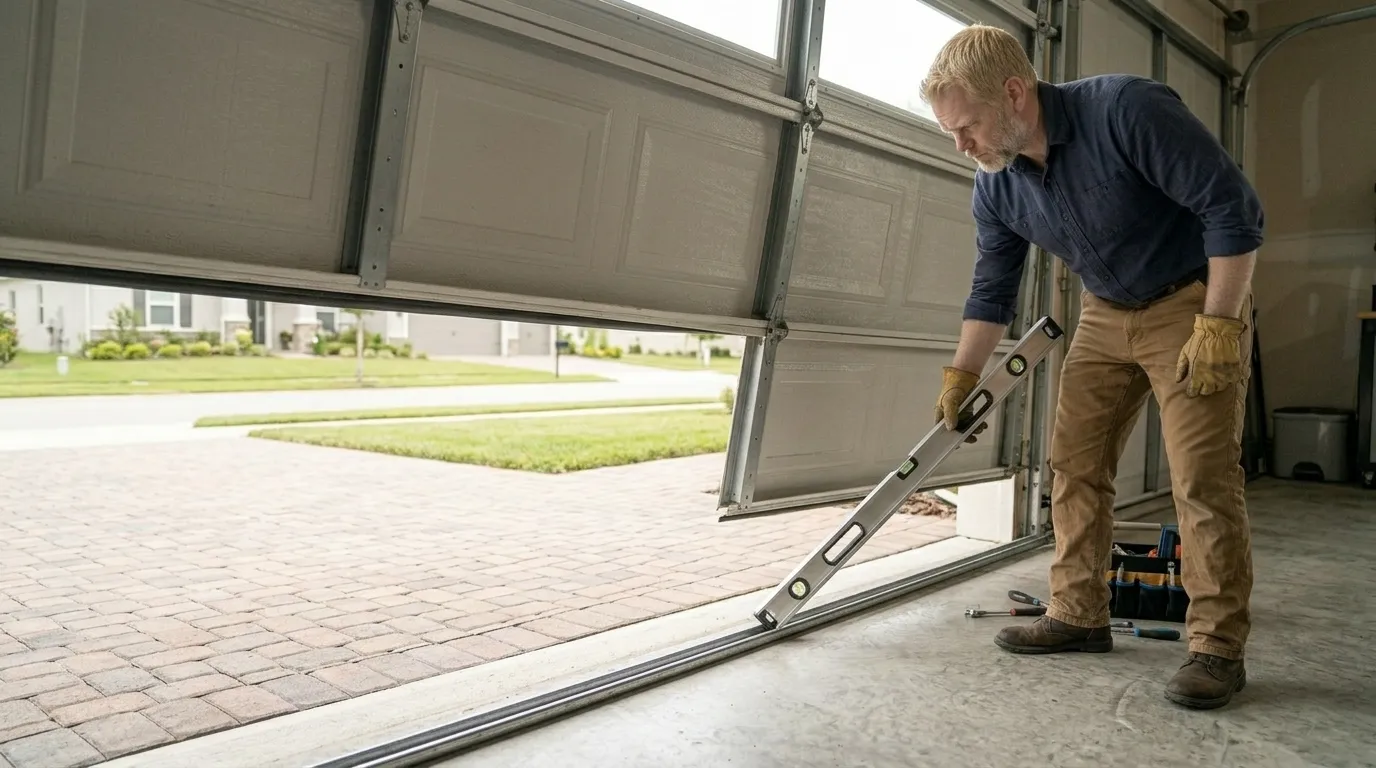
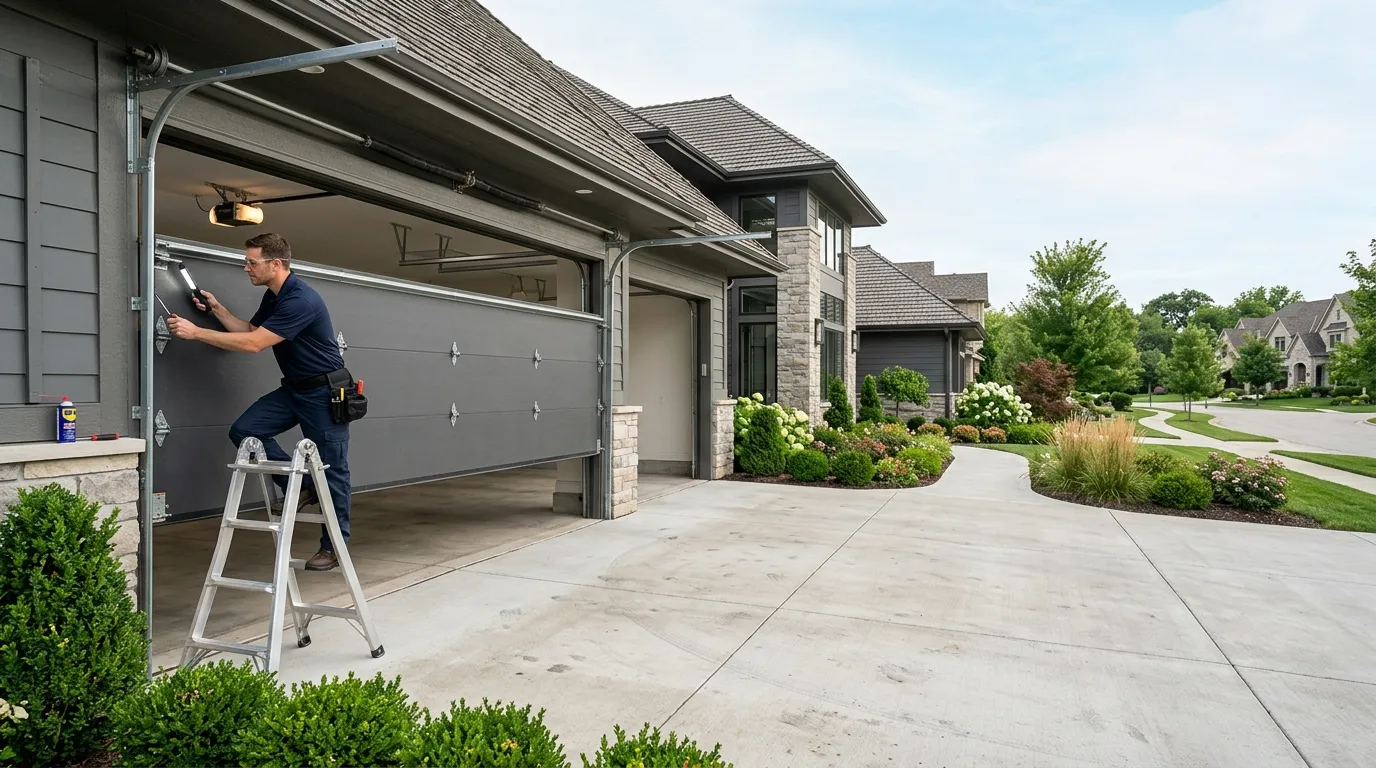
The call almost always starts the same way: the door won't move, or it moves about six inches and stops, or you hear a bang from the garage right before it quits. That bang is the torsion spring letting go, usually on the coldest morning of the stretch, because cold steel is stiffer and less forgiving under the same tension it handled fine in July. On older extension-spring doors, common on houses from the 1958-1999 build era, you'll sometimes see one side droop while the other holds, which means one spring failed and the door is now trying to lift unevenly. If the opener strains, clicks, or reverses instead of lifting, don't keep hitting the button. A motor fighting a broken spring burns out the gear itself, and now it's two repairs instead of one.
What the Repair Takes
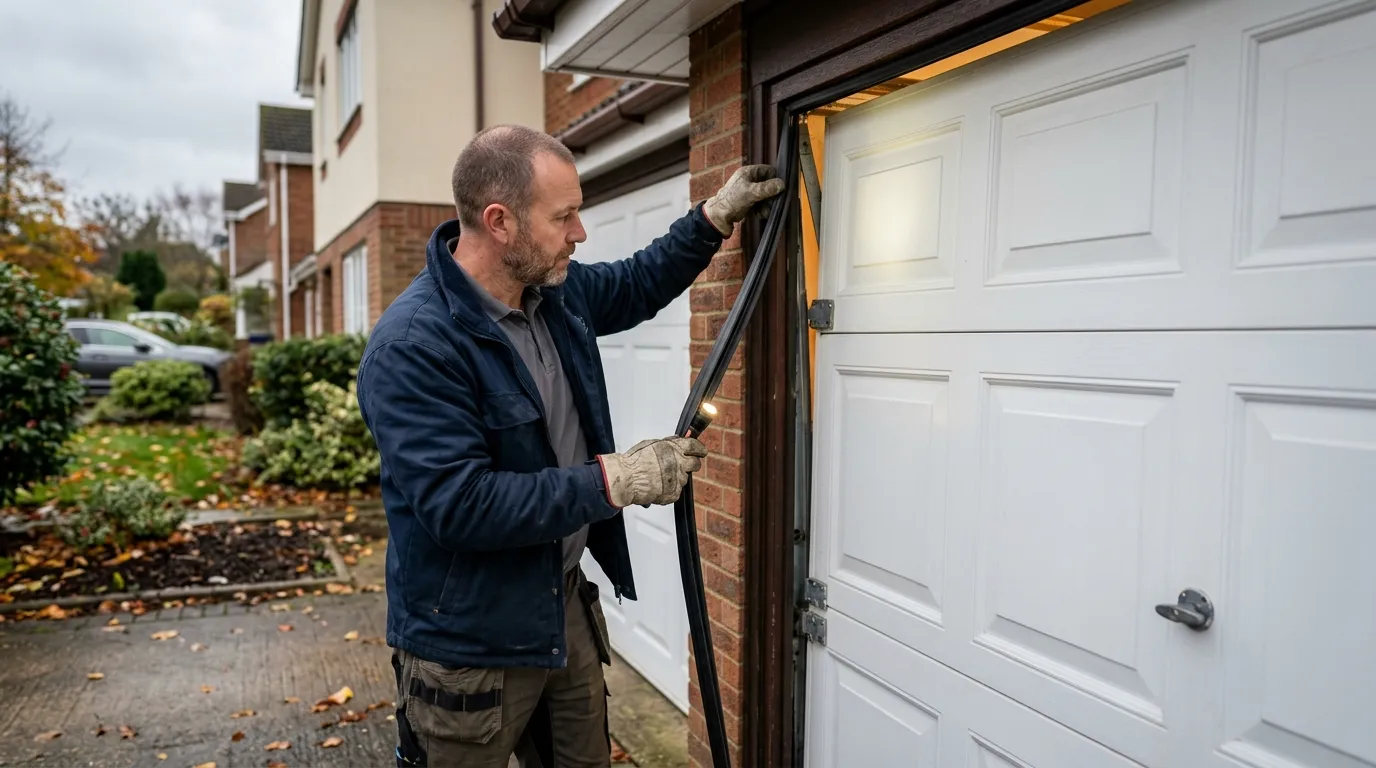
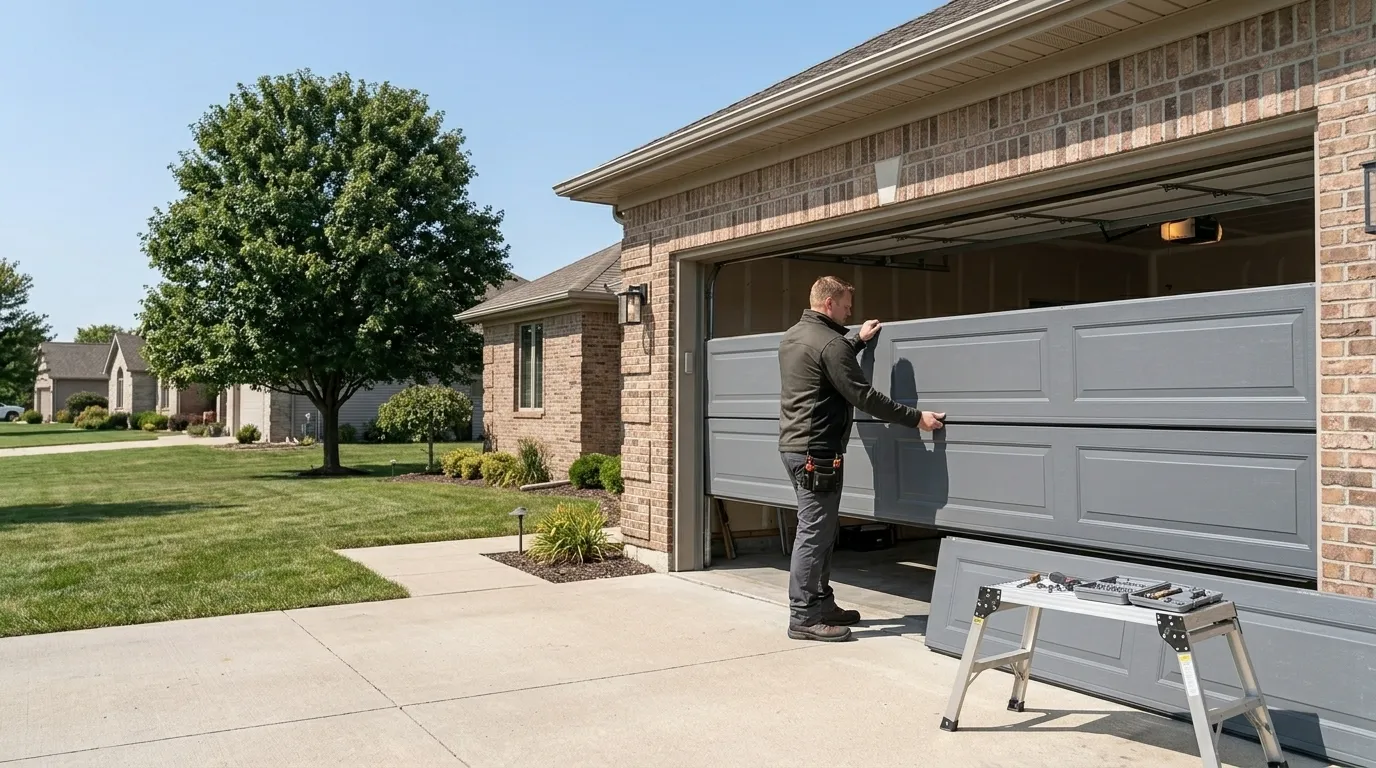
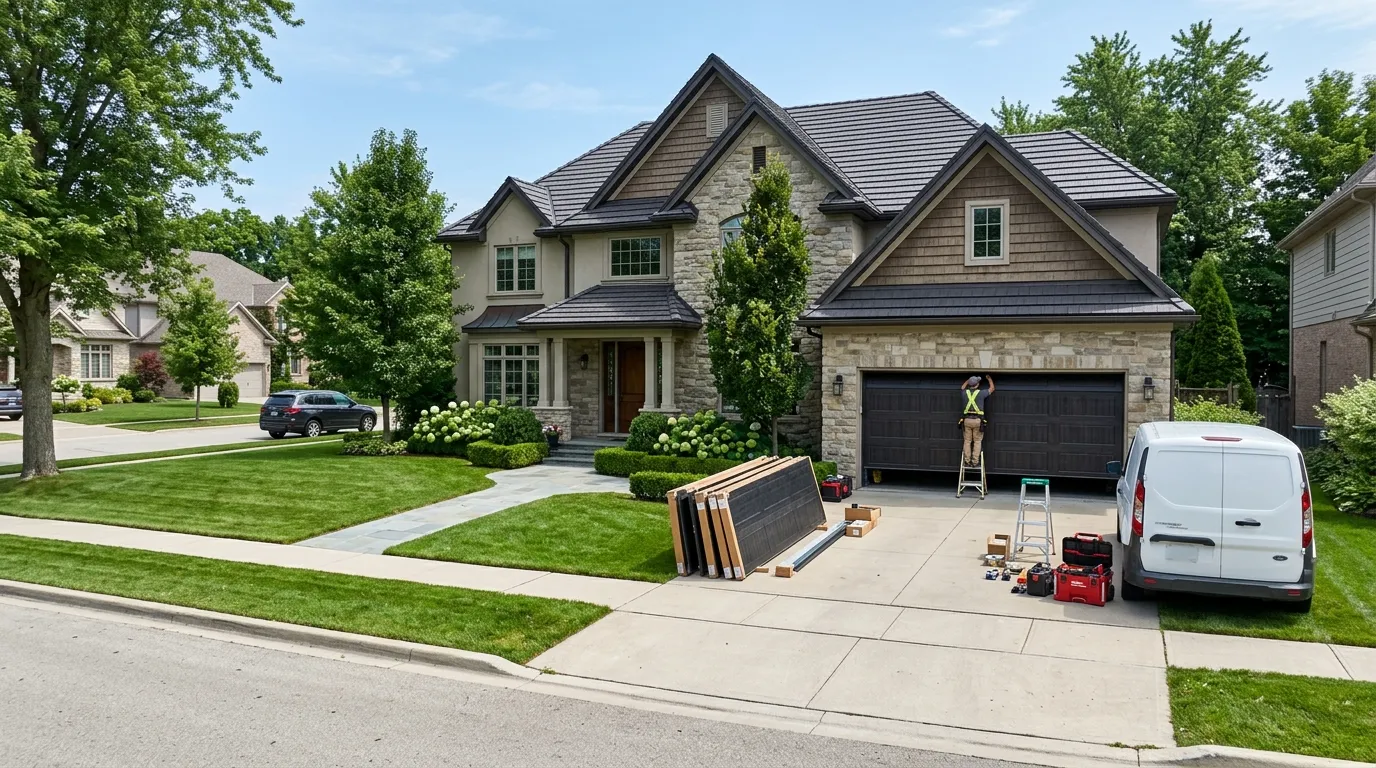
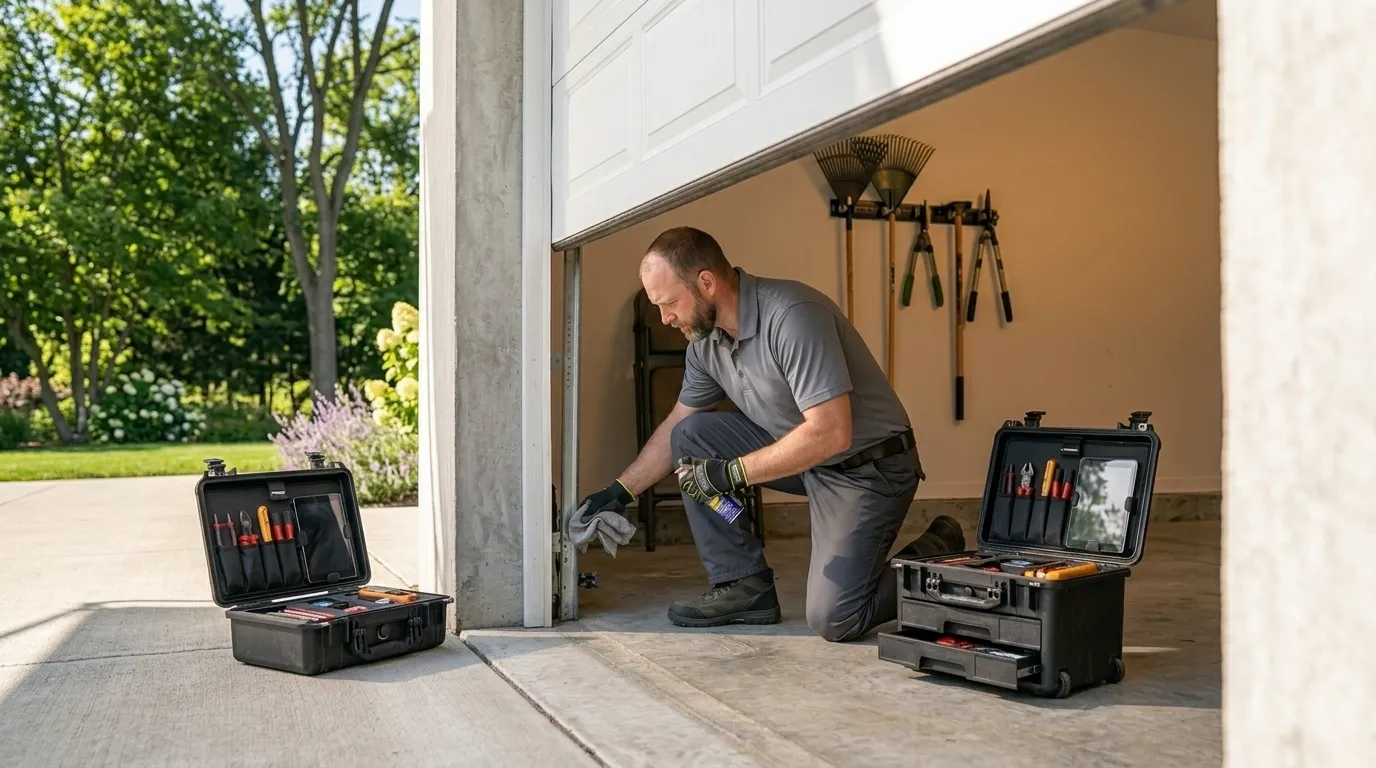
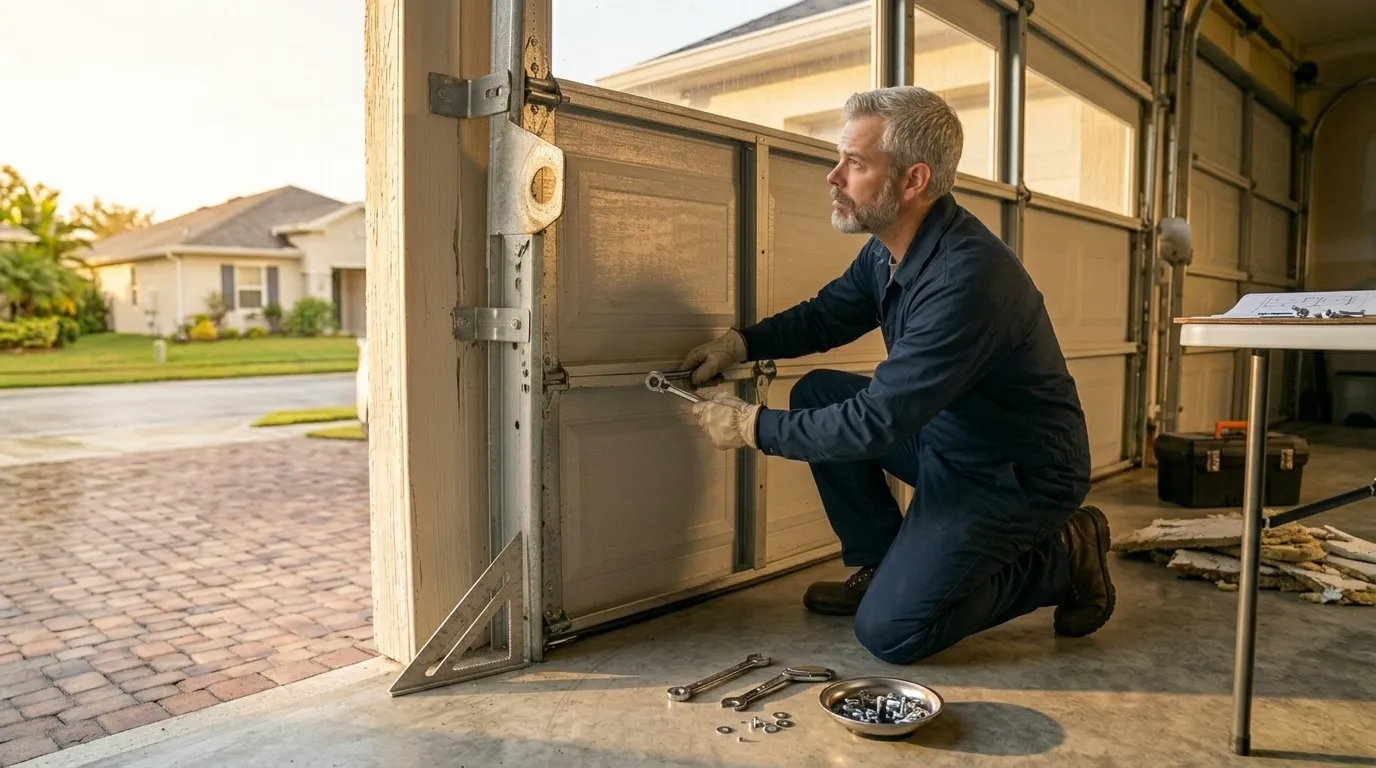
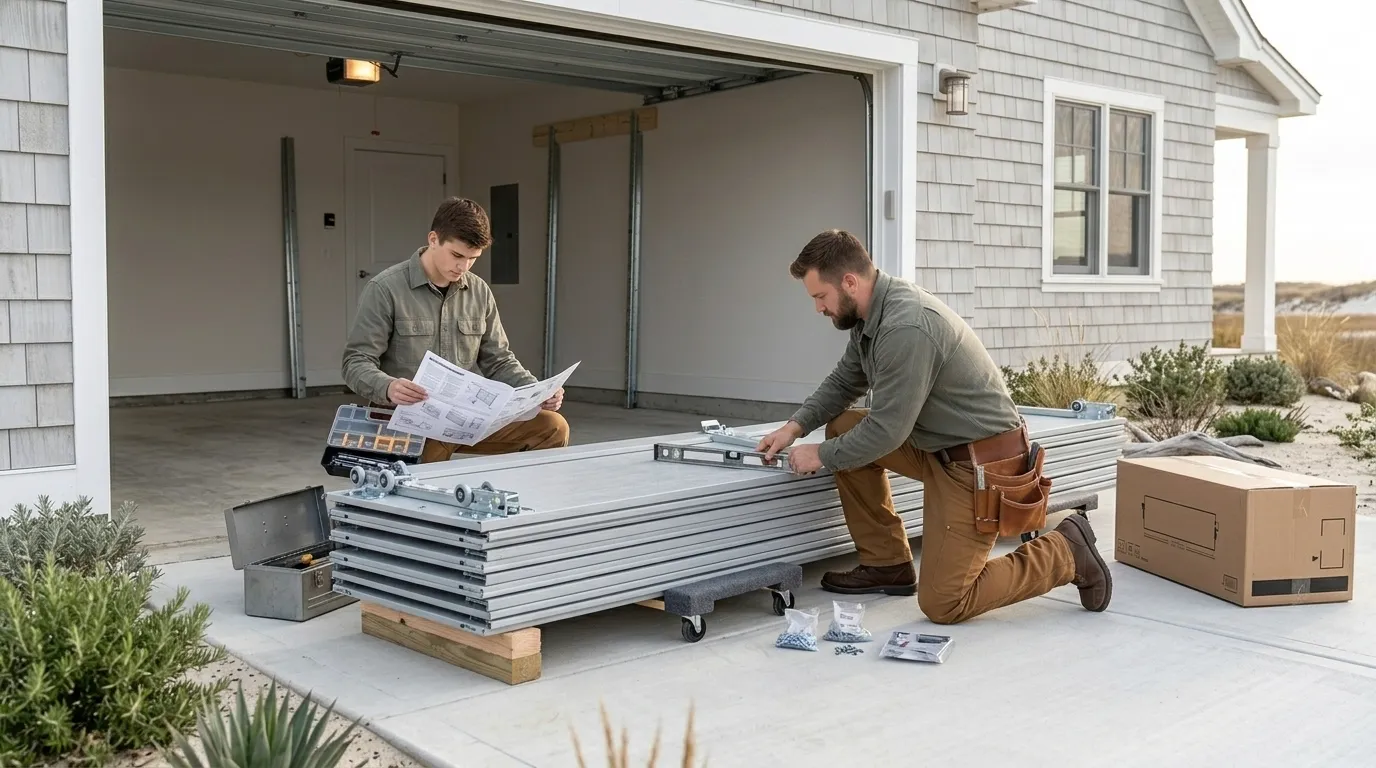
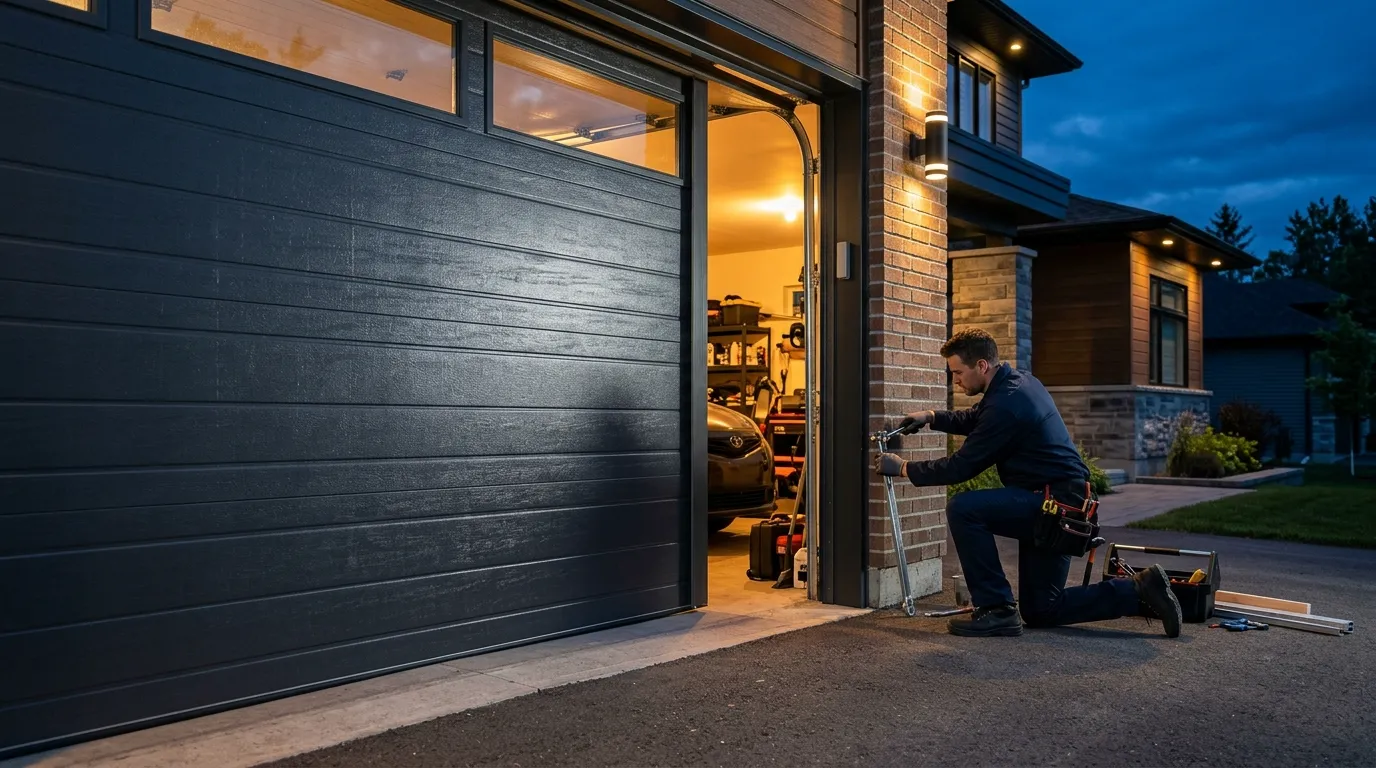
Spring repair means matching wire size, coil diameter, and length to your specific door and drum, not grabbing whatever's closest. On a lot of West Bend homes built during that 1958-1999 run, we're also checking whether the original cables and end bearings have enough life left, because a new spring on a worn cable is a repeat call waiting to happen. For anyone weighing repair against full replacement: if the door itself is original, wood-panel or early steel from that same construction era, and the spring failure is the second or third hardware issue in a few years, replacement often costs less over time than another round of parts. We'll tell you straight if that's where you're at instead of running up a repair bill on a door that's done.