24/7 Emergency Service Open 7 days · 7am–8pm Serving West Bend, WI & nearby
(262) 401-2166
West Bend, WI

What Actually Happens When We Come Out to Your Door

A West Bend garage door call means checking 1960s-70s hardware, cold-climate wear on springs and tracks, and what actually needs fixing versus replacing.

What Actually Happens When We Come Out to Your Door

The Problem

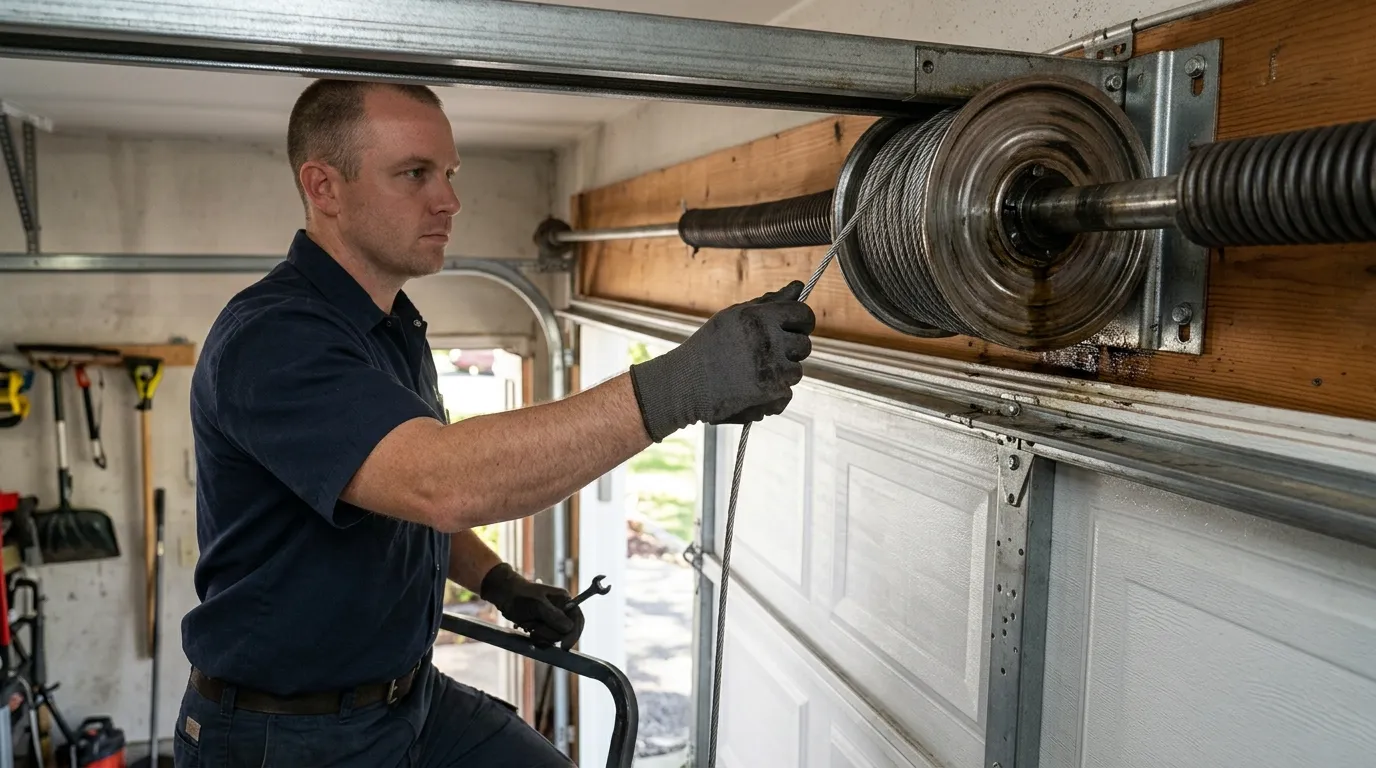
Most of the housing stock in this part of Washington County went up between 1958 and 1999, with the median landing around 1976. That means a lot of doors and openers still running original or first-replacement hardware from an era when torsion springs were wound heavier and tracks were bolted, not welded, to the jamb. A service call on a house like that isn't the same as a call on new construction. We're often looking at galvanized springs that have taken forty-plus winters of contraction and expansion, rollers that were never nylon to begin with, and cable drums sized to door weights that don't match what's sold off the shelf today. The problem homeowners run into is that the fix isn't always obvious from the driveway. A door that won't open could be a $30 sensor or a spring that's about to let go on a torsion bar rated for a door twice as heavy as anything built now. We open the door, check balance, check cable wear, check the opener's force settings against the door's actual weight, and only then say what's wrong. Anything less is a guess, and guessing on a door with that much stored spring tension is how people get hurt.

The Common Mistake

The mistake we see most is treating every garage door service call like a generic tune-up, the kind you'd get anywhere. Across the 37 communities we cover, the stock leans heavily into 1960s and 70s builds, which means a lot of doors with hardware that simply isn't stocked at the big box store anymore. Homeowners buy a universal roller kit or a spring rated by the sticker on a newer neighbor's door and end up with a mismatch that throws the whole system out of balance. A door that's out of balance doesn't just wear faster, it strains the opener motor, which then fails early and gets blamed on the opener instead of the real cause. Another version of the same mistake: assuming a noisy track means new track, when on a lot of these older houses it means the track was never square to begin with, or the jamb has shifted an eighth of an inch over five decades of freeze and thaw. We measure before we replace anything. If the fix is a $15 bracket and a re-square, that's the call we make, even though a full track swap would be an easier job for us to bill.

The Cost of This Job

We're not going to hand you a number here that doesn't hold up once we're standing at your door, because the honest answer is that cost depends on what we find, not on a flat rate for "garage door repair." What we can tell you is what drives it: whether the spring size matches a door built to 1970s-era standards or needs a custom wind, whether the opener is original and needs a full swap rather than a part, and whether the track and hardware are still in usable shape or have been quietly failing for years. With median household income across our service area sitting around $88,634, a lot of owners we talk to are making a real repair-versus-replace call, not just approving whatever we suggest. We respect that. If a door is original to a house built in the 60s or 70s and the drum, springs, and track are all near the end of their life at once, replacement often costs less over five years than patching each part as it fails. We'll tell you which side of that line your door is on before we start work, not after.

What the Weather Here Does to It

This area sits in a severe cold climate band, and that matters more to a garage door than most people think. Steel contracts in the cold, and a torsion spring that's already fatigued from decades of use loses tension faster in a January stretch than it would in a milder region. We see more snapped springs and cable failures in the first real cold snap of the season than at any other time of year, because the metal that held together in October is suddenly working harder in negative wind chill. Lubricant matters too - the wrong grease thickens and stops doing its job right when you need the door to move smoothly on a track that's already stiff from cold. Weatherstripping on older doors, especially anything original to a 1970s build, tends to crack and lose its seal after enough freeze-thaw cycles, which lets in the kind of cold air that makes an attached garage noticeably colder inside. On a service call in winter, we're checking spring tension, cable condition, and seal integrity together, because in this climate those three things fail on the same schedule.
How it works

From “it’s stuck” to “it’s fixed”

Tell us what’s wrong - West Bend garage door service

Tell us what’s wrong

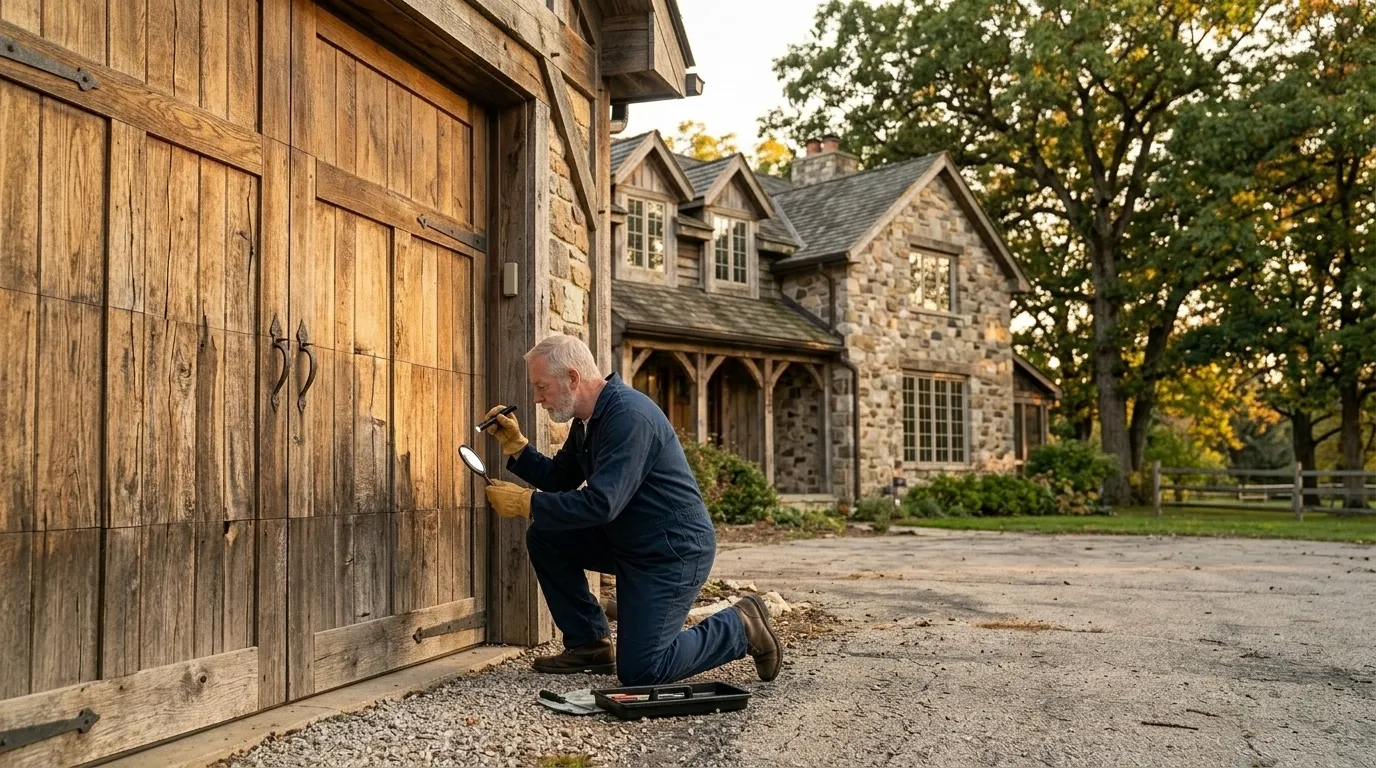
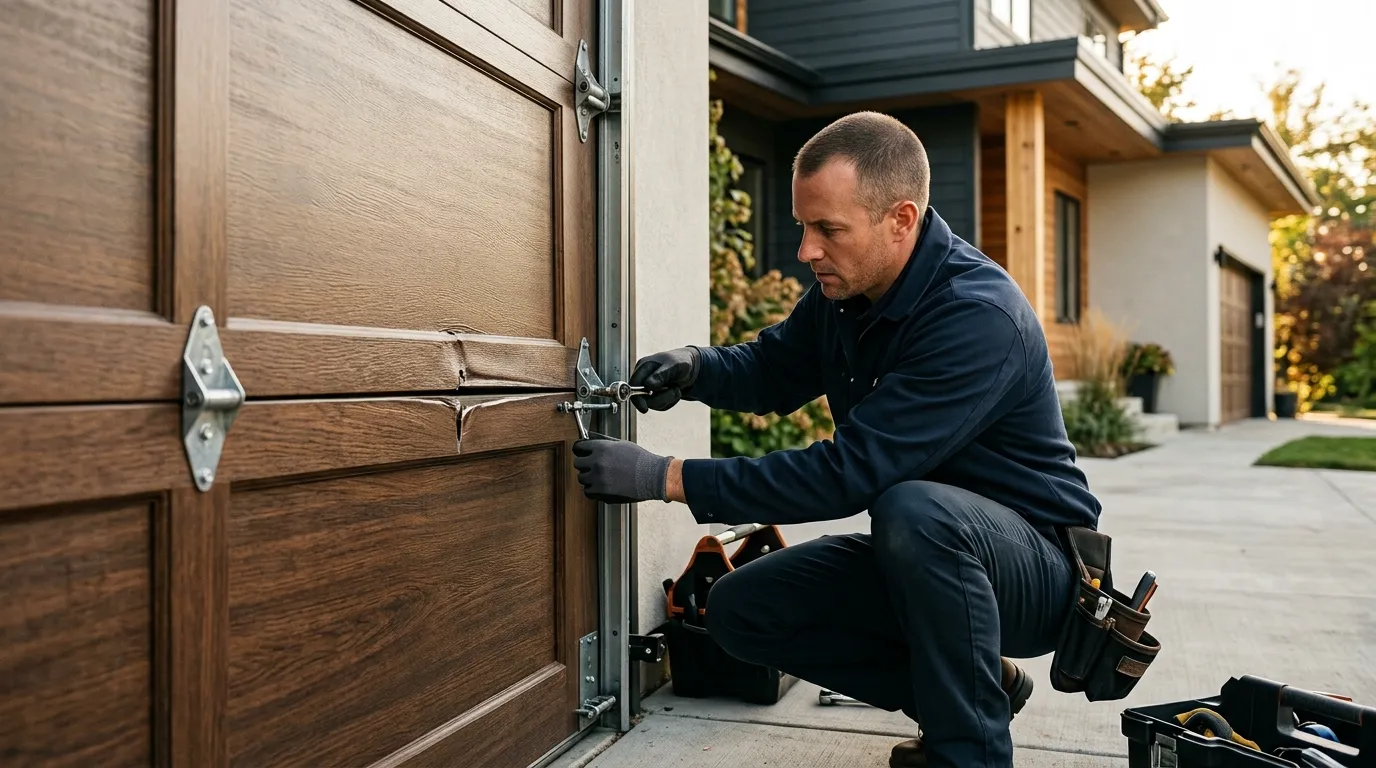
Describe the symptom - won’t open, loud bang, opener runs but the door won’t move.

On-site diagnosis - West Bend garage door service

On-site diagnosis

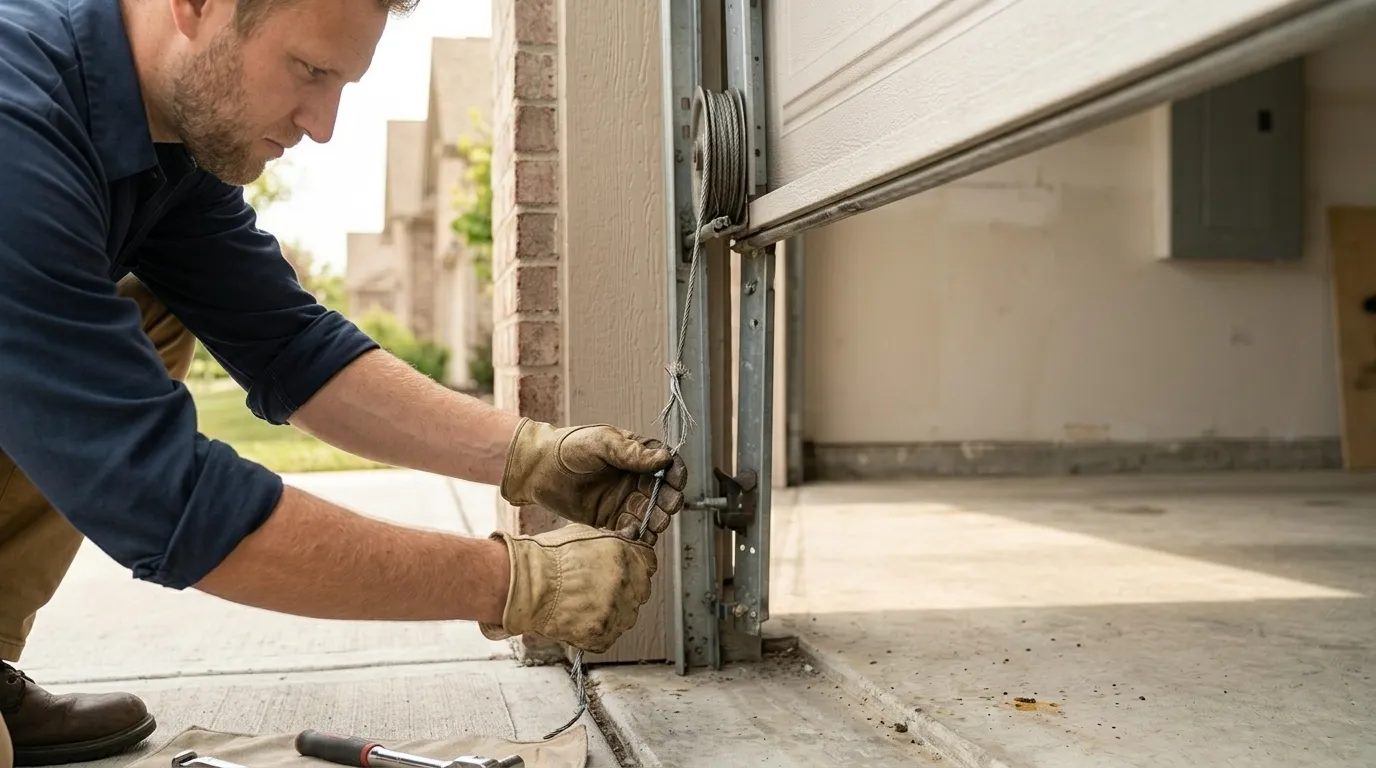
A technician tests the door under power and by hand and finds what actually failed.

Clear, up-front plan - West Bend garage door service

Clear, up-front plan

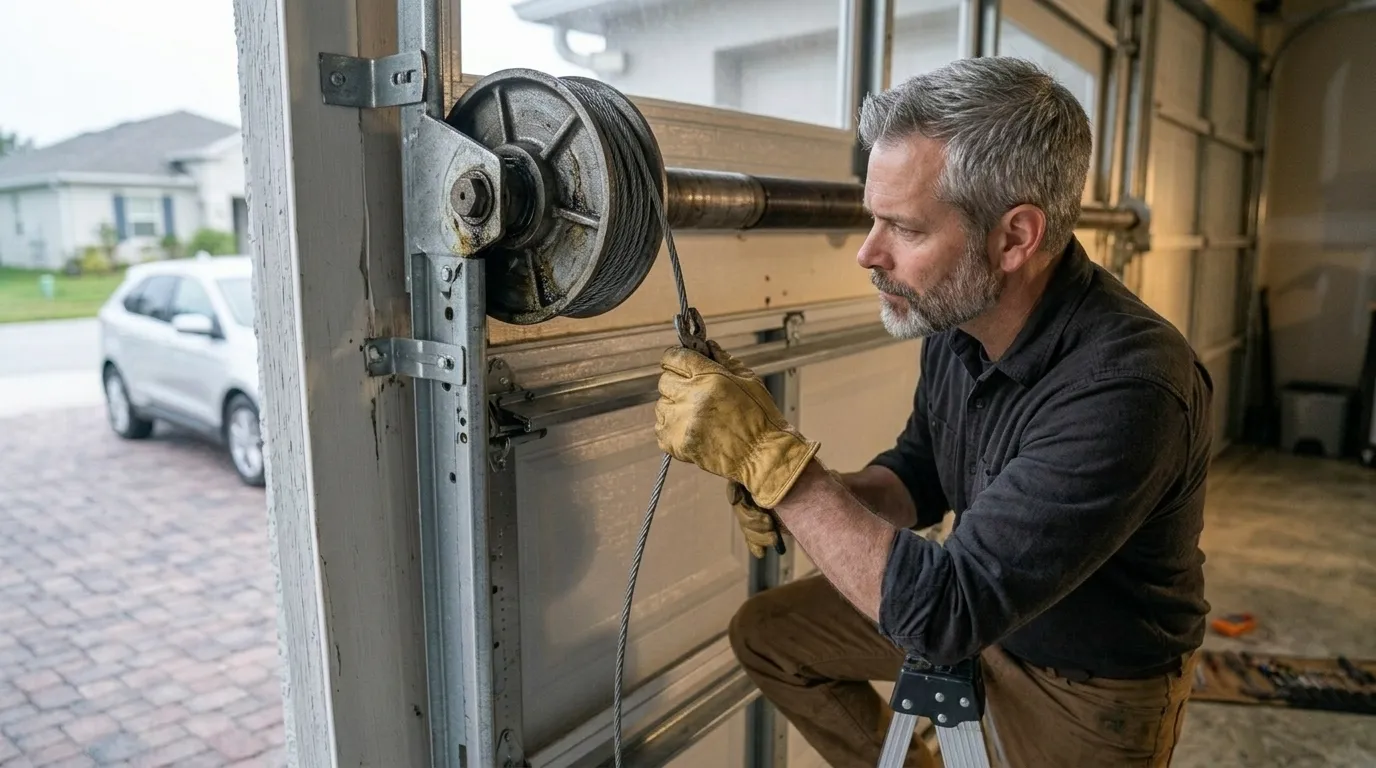
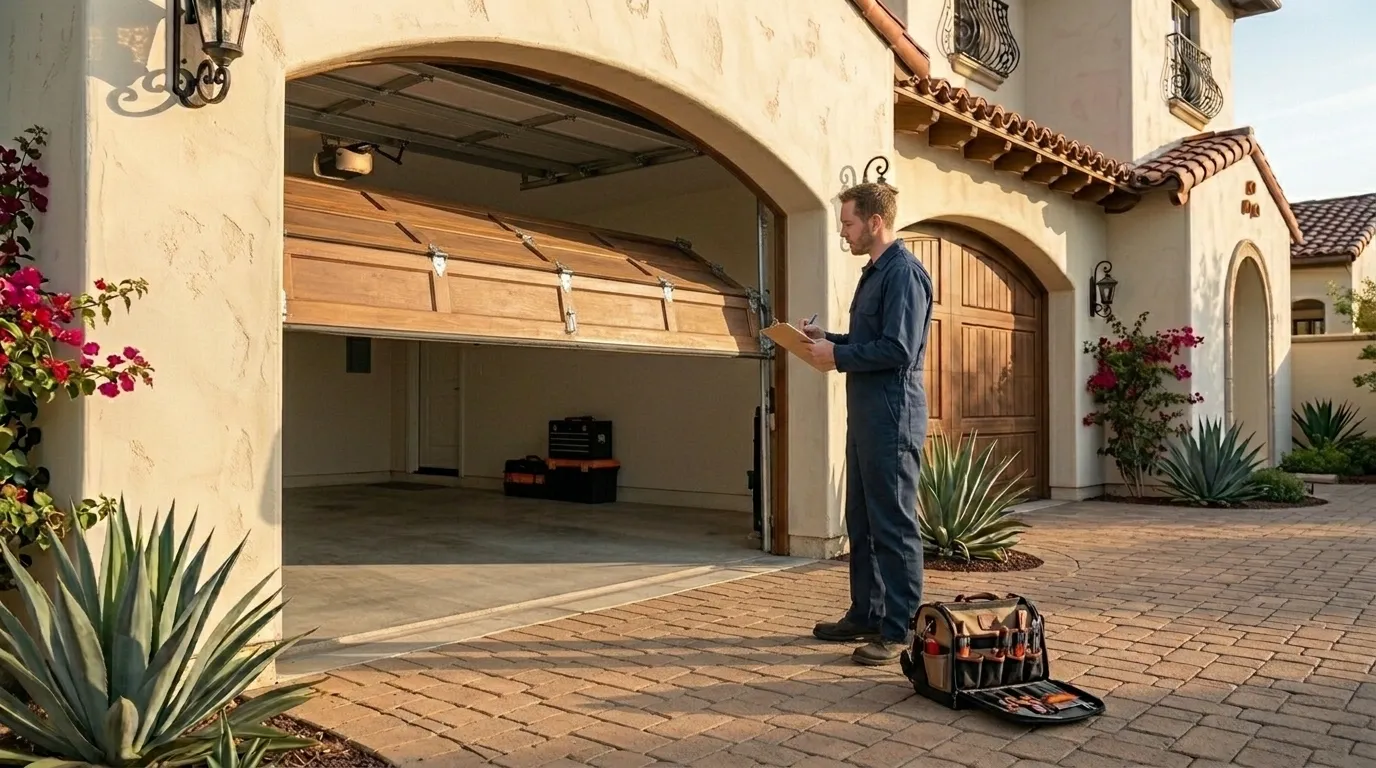
You get the fix that’s needed and what drives the cost - before any work starts.

Repaired & tested - West Bend garage door service

Repaired & tested

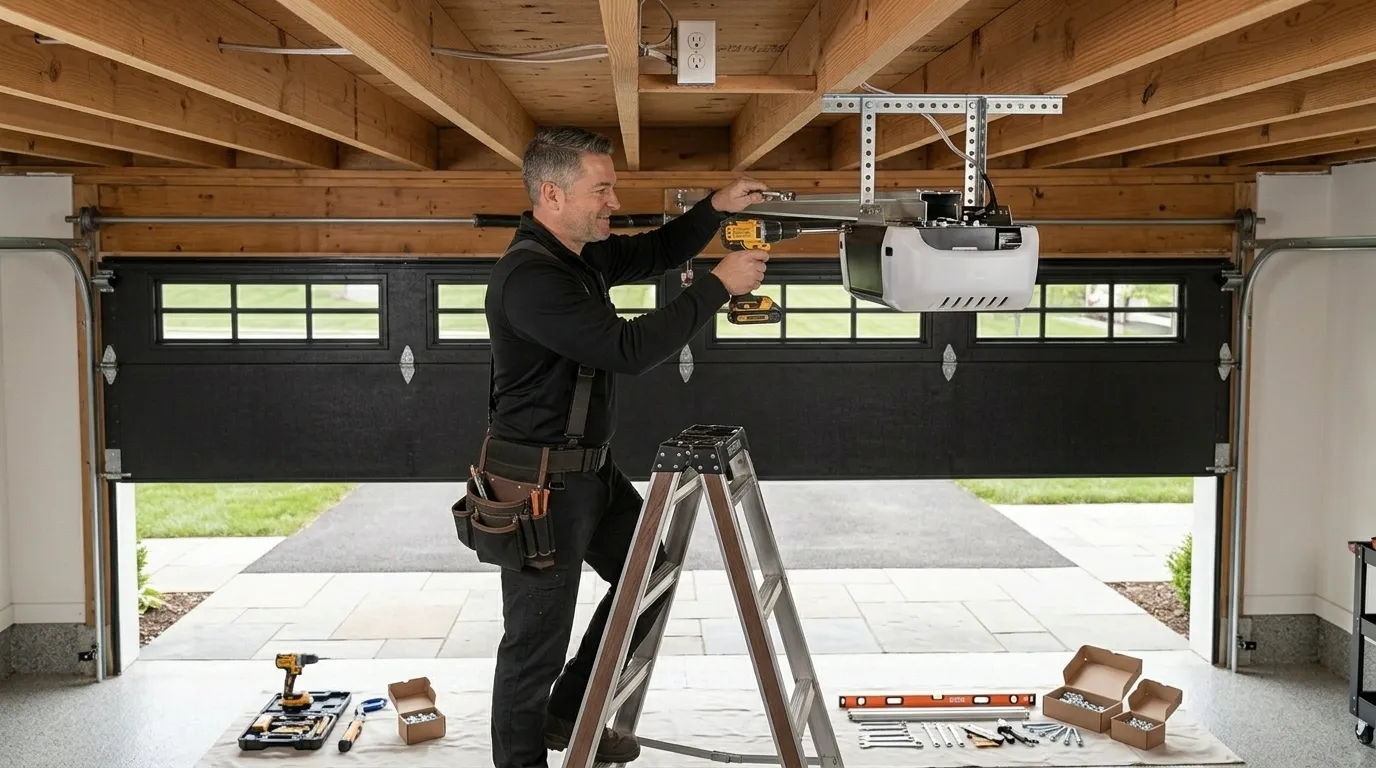
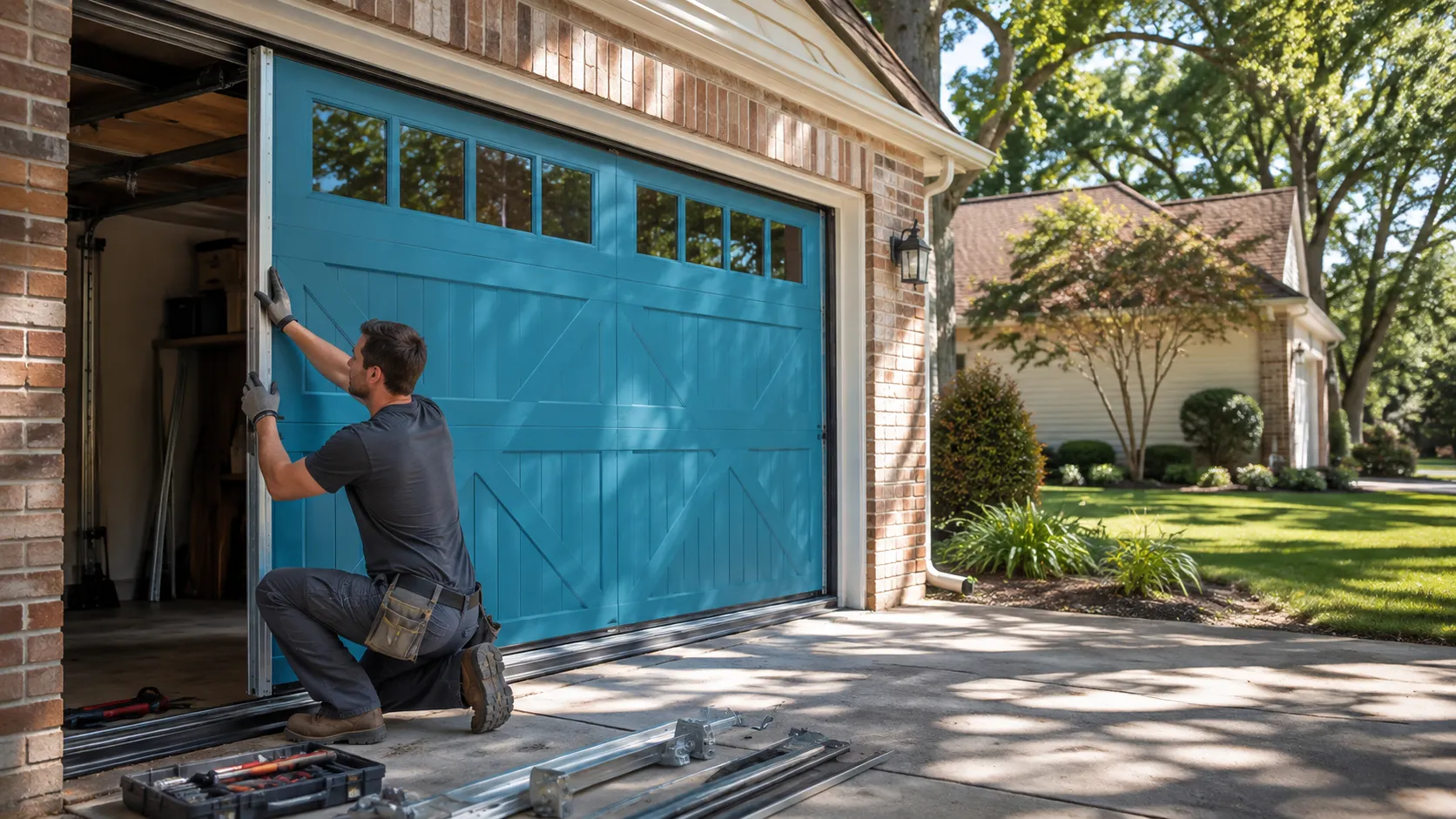
The repair is done, the door is set true and tested, and the work area left clean.

Serving West Bend, WI - tell us what your door’s doing and we’ll take it from there.

How we work

What to expect

Diagnosis firstEvery visit starts by finding what actually failed - not a pre-written parts list.
The right part for the doorSprings and openers matched to the door’s weight and age, so the fix holds up.
Straight answersWhen a repair makes more sense than a replacement - or the reverse - you hear it plainly.
Clean, careful workTension released safely, hardware set true, the door tested under power before we leave.
Questions

Frequently asked

Straight answers about garage door repair in West Bend. Still unsure? Ask us directly.

Why did my spring break in the middle of winter and not some other time?

Cold makes steel contract, and a torsion spring that's already worn from years of cycling loses tension faster once temperatures drop hard. In this climate, the first real cold snap of the season is when fatigued springs tend to let go. It's not bad luck, it's the metal finally giving out under conditions it couldn't handle anymore.

Is it worth replacing an original door from the 1970s or just fixing what breaks?

Depends what else is going. If the spring, track, and cable are all near the end of their life at the same time, patching each one separately usually costs more over a few years than one replacement. If it's just one part failing and the rest checks out solid, repair is the right call. We tell you which situation you're in before quoting anything.

Do you charge extra to diagnose the problem before fixing it?

We check balance, cable wear, and opener force settings against the door's actual weight before we say what's wrong, because on older hardware the visible symptom and the real cause are often different things. That inspection is part of the call, not an upsell.

Ready to get your garage door sorted?

Tell us what it’s doing and where you are in West Bend - we’ll take it from there.

Request a QuoteCall