What Was Built Here
Ashippun's houses skew newer than a lot of the towns around West Bend. The median year built here is 1986, roughly a decade past the 1976 median across the wider service area, and with only 873 households in the area, this is a smaller, later wave of construction than what you'll find in the older village cores nearby. That matters for garage doors because a house built in 1986 came with a different door, opener, and track setup than one built in the 1960s.
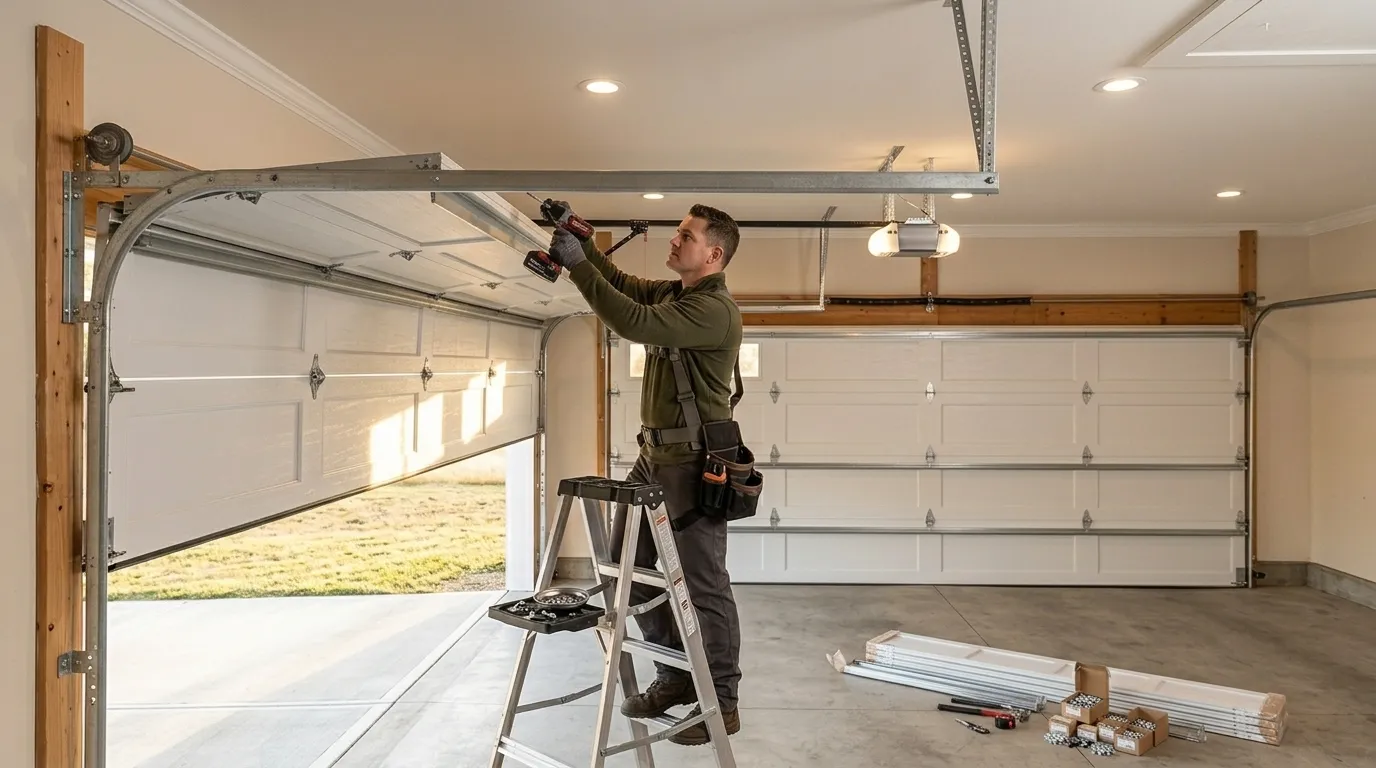
By the mid-1980s, builders had mostly moved off the heavy one-piece slab doors and onto sectional doors with roller track and extension or torsion springs closer to what's still sold today. Chain-drive openers were becoming standard equipment rather than an add-on. So if your house here dates to that era, you're generally not fighting obsolete hardware - you're fighting age and wear on parts that were reasonably modern when installed but are now pushing 35-40 years old.
Household income in this area runs higher than the broader service area average, at $105,848 versus $88,634 region-wide. That tends to show up as more owners opting to replace an aging opener or insulated panel set outright rather than patching a door that's near the end of its service life.
How That Shows Up in the Door
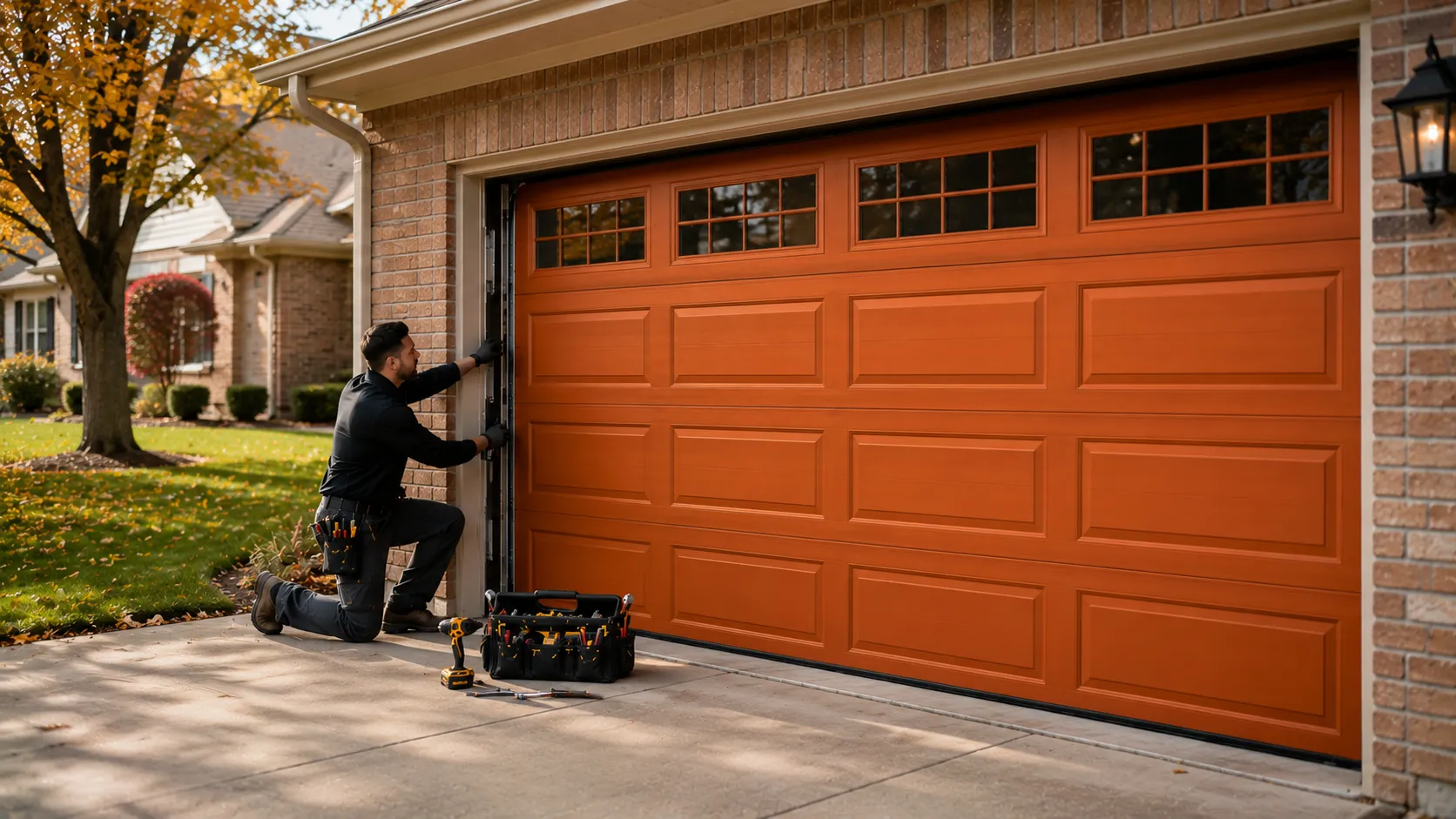
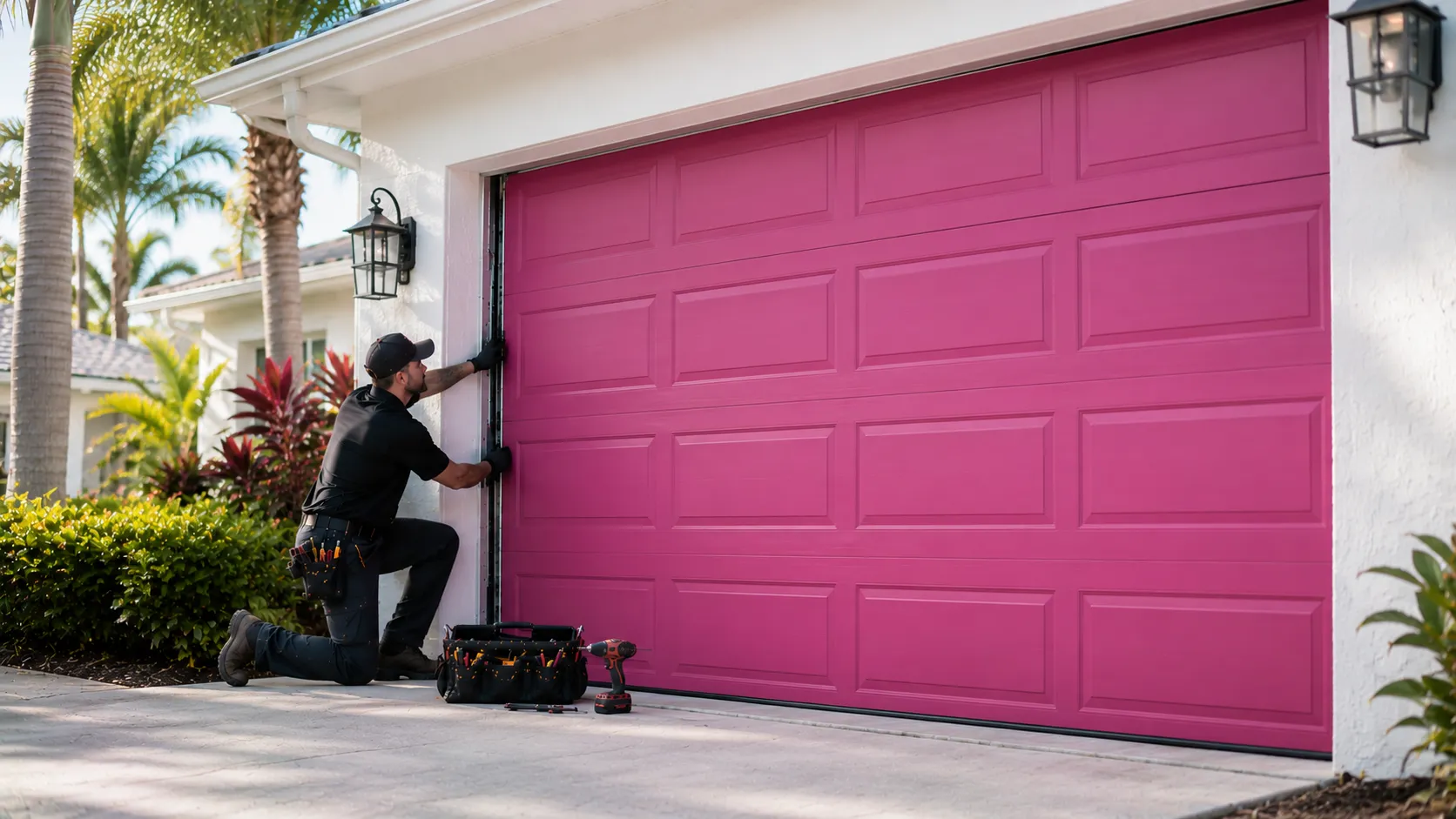
Because most of Ashippun's stock is 1980s-and-later, the common failure points are different from what you'd see chasing calls in an older village. You're less likely to find hand-me-down doors with mismatched hardware, and more likely to find original torsion springs that have simply cycled out after decades of daily use, or a chain-drive opener whose gear kit and capacitor are original to the house.
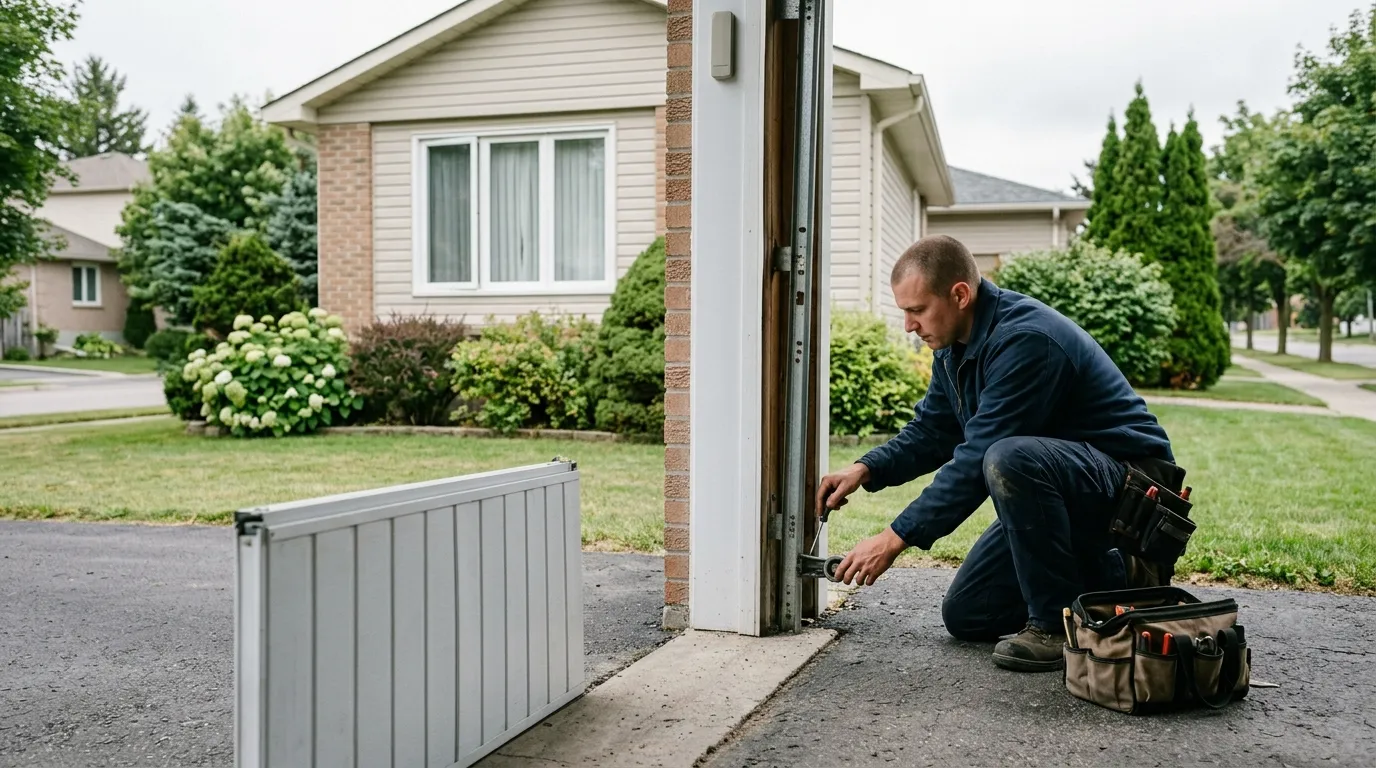
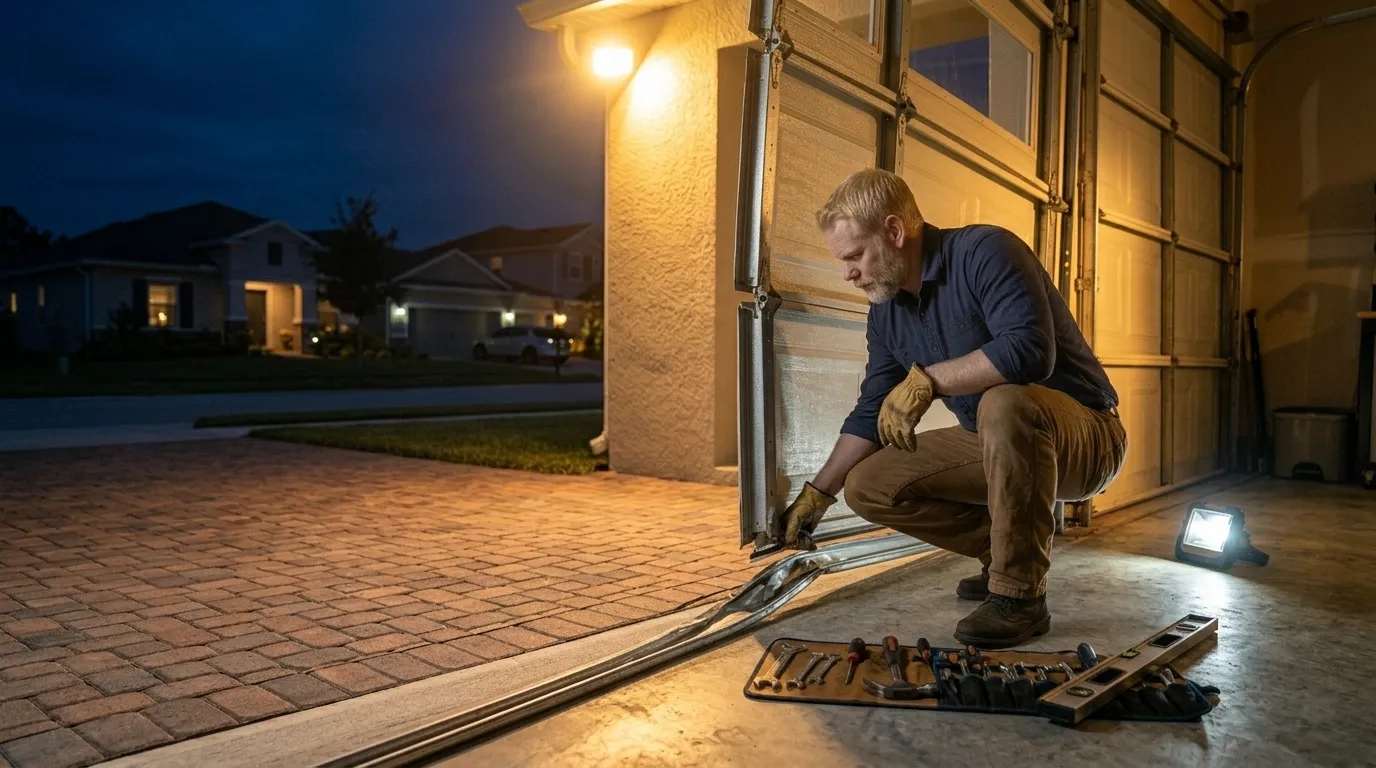
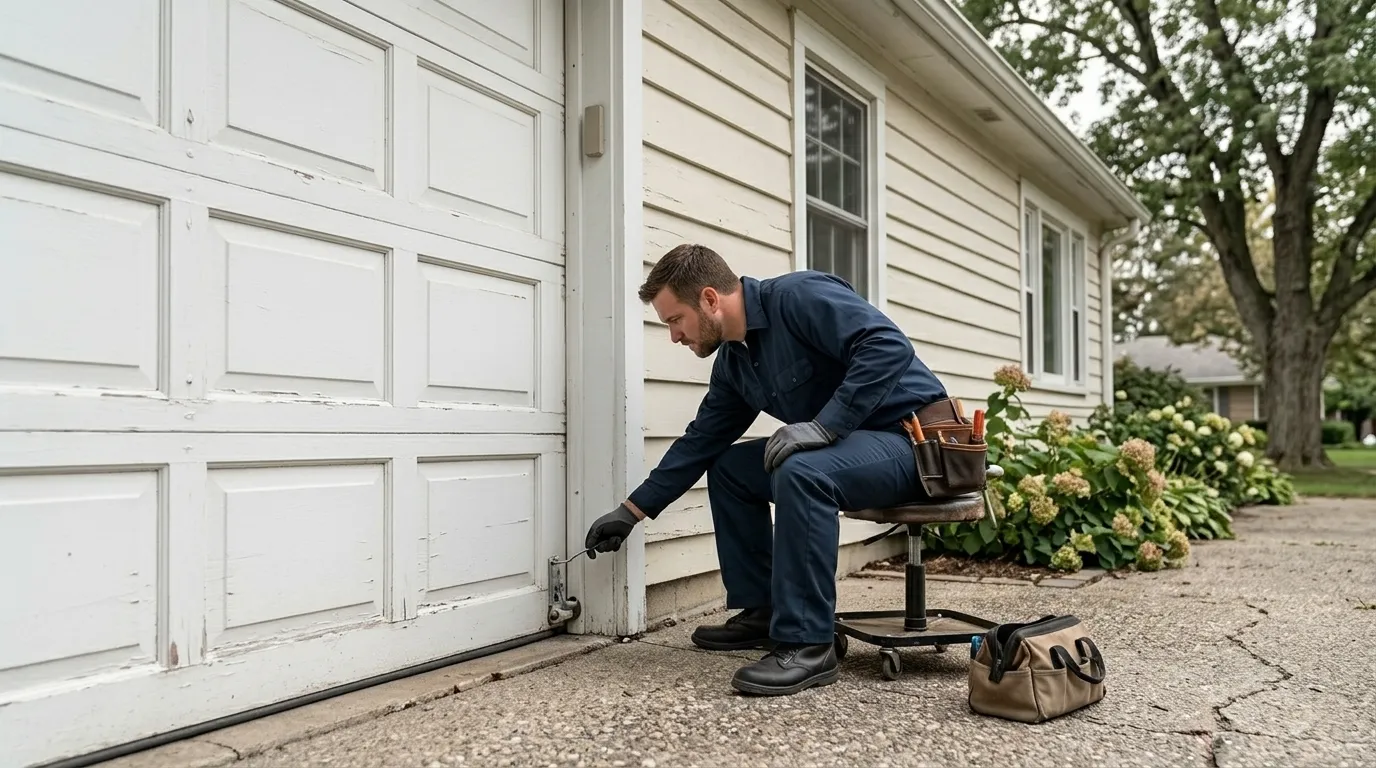
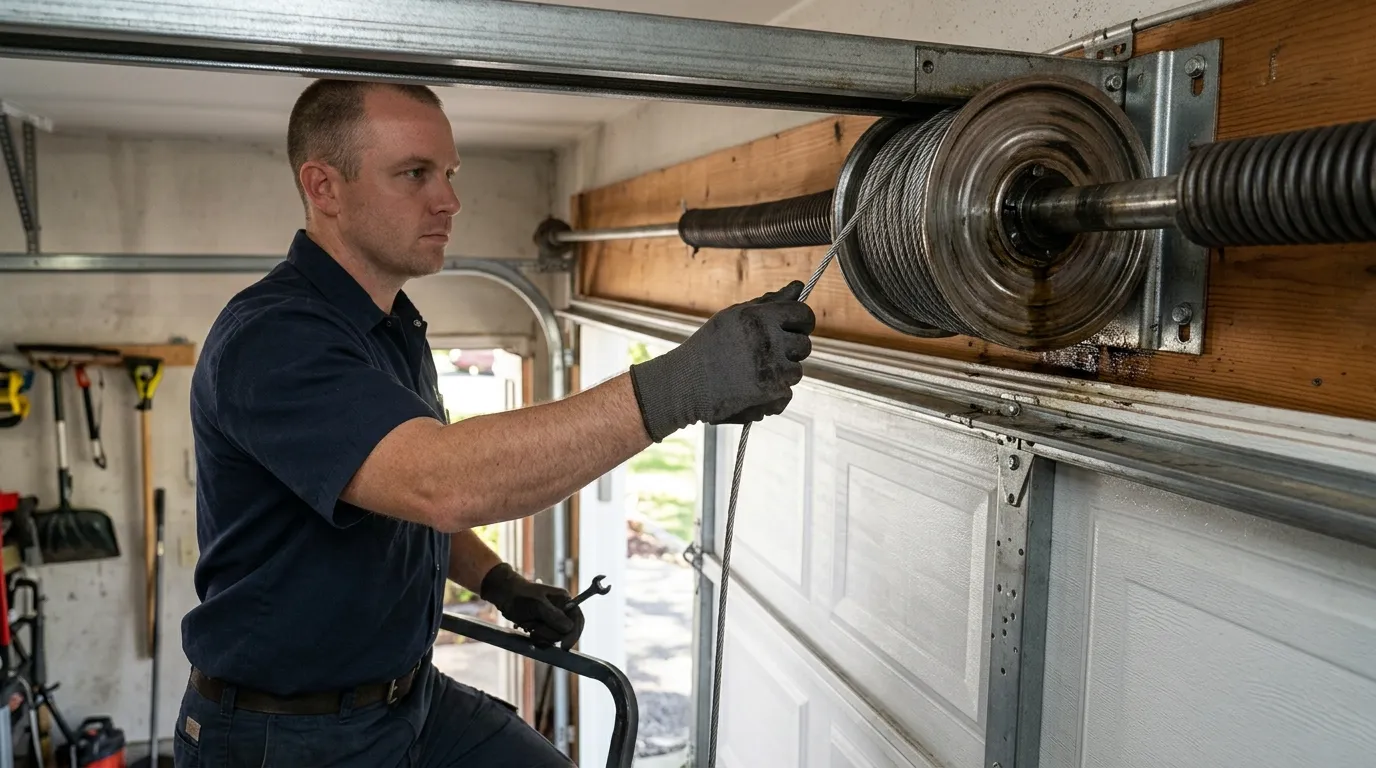
The region sits in a cold, severe winter climate, and that's the other half of the picture regardless of when a house was built. Cold snaps stiffen steel springs and grease, and they make marginal rollers and worn cables more likely to fail on the coldest morning of the year rather than a mild one. On a 1980s-era door, that usually means a torsion spring finally letting go, an opener that stalls trying to lift a door that's gotten heavier to move as its rollers wear, or a bottom panel edge showing seal wear from repeated freeze-thaw at the slab.
We don't guess at this before we're on site - every house is a little different even within the same building era - but the age bracket tells us what to bring on the truck before we leave West Bend.
Timing on This Area
Ashippun sits about 19 miles from our shop in West Bend, which is farther than most of the towns we cover close in. We don't keep a depot or crew stationed here, so a same-day call depends on how the schedule is already routed that day rather than on proximity alone. For a spring that's already broken and a door that won't move, we treat that as the priority call it is and work it into the day's route as soon as we can.
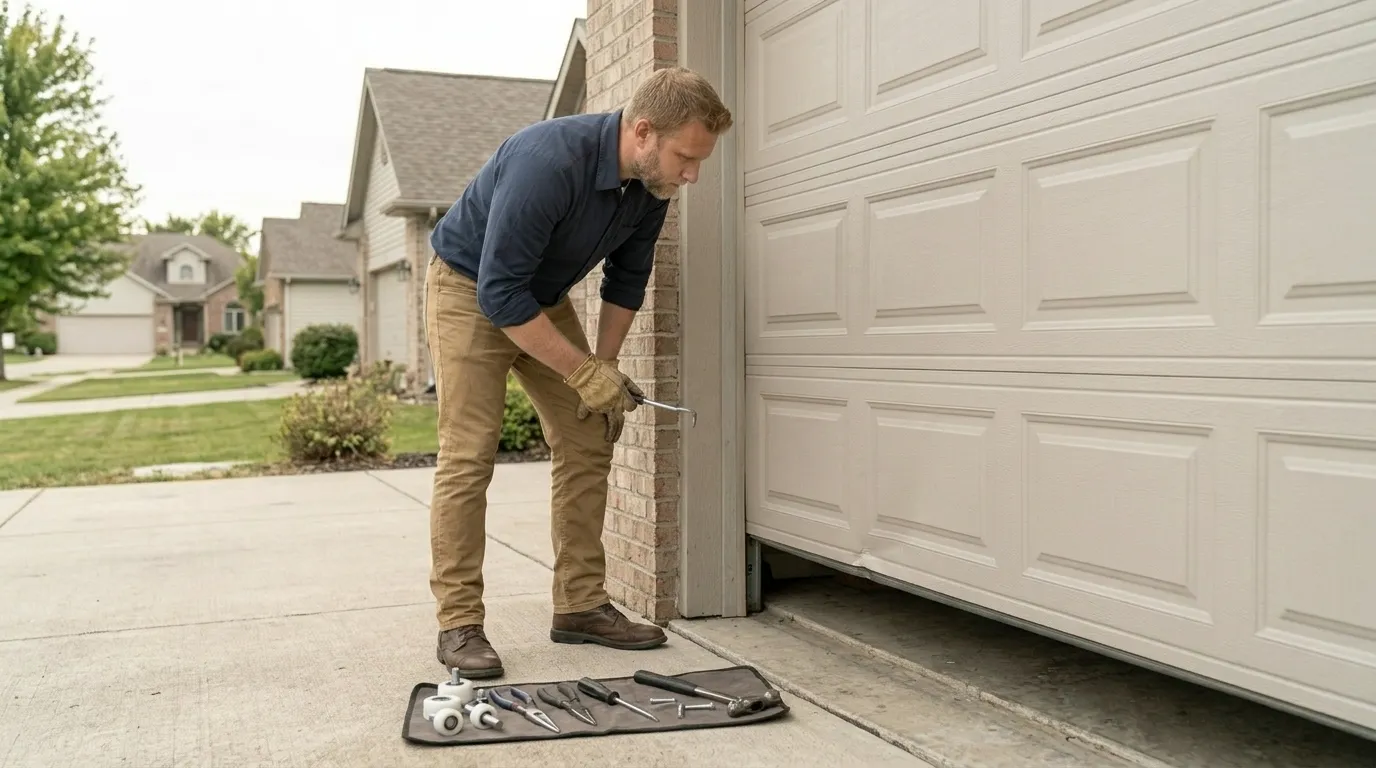
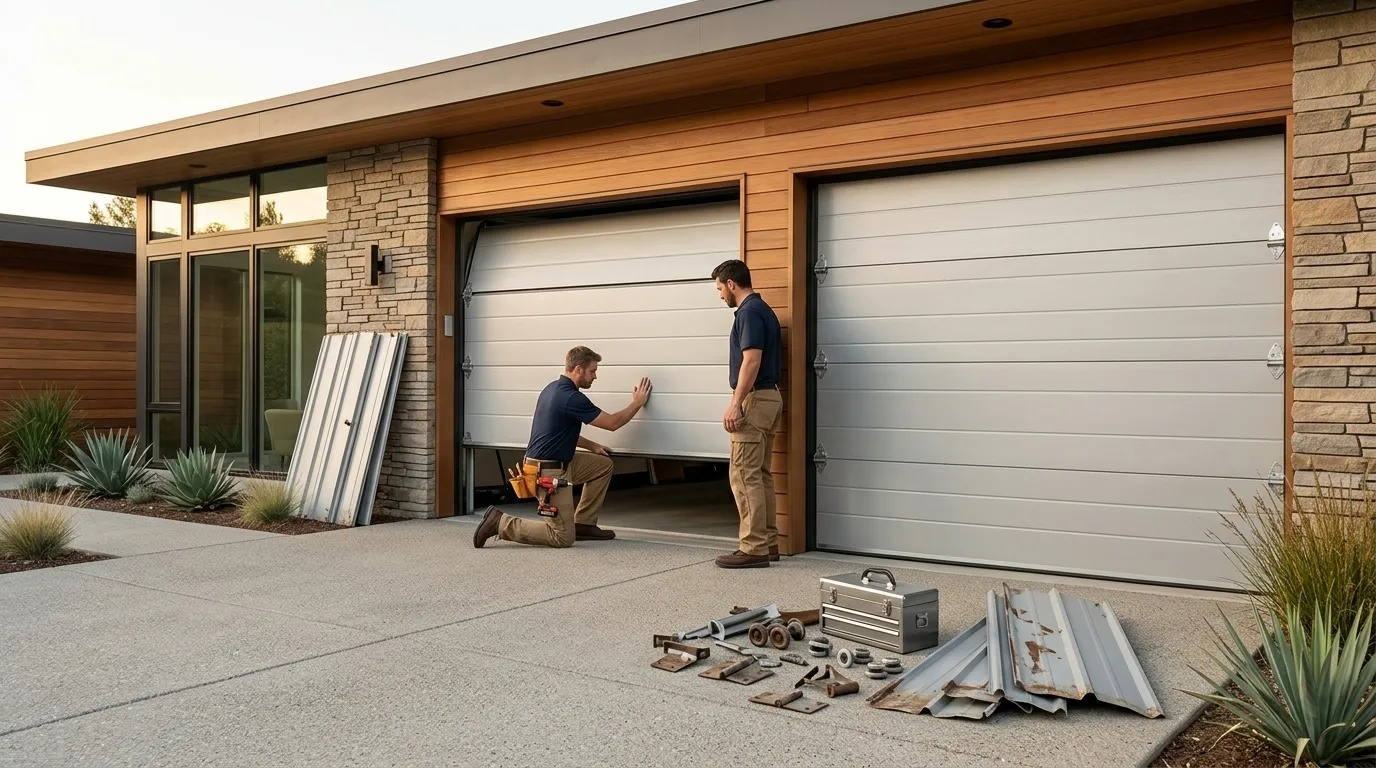
For planned work - an opener swap, a panel replacement, a seasonal tune-up before the cold sets in - it's worth booking ahead rather than expecting a same-day slot, simply because of the distance from West Bend. Given the newer housing stock here, we also tend to have the parts for 1980s-and-later sectional doors and standard chain or belt-drive openers already on the truck, which cuts down on the need for a second trip.