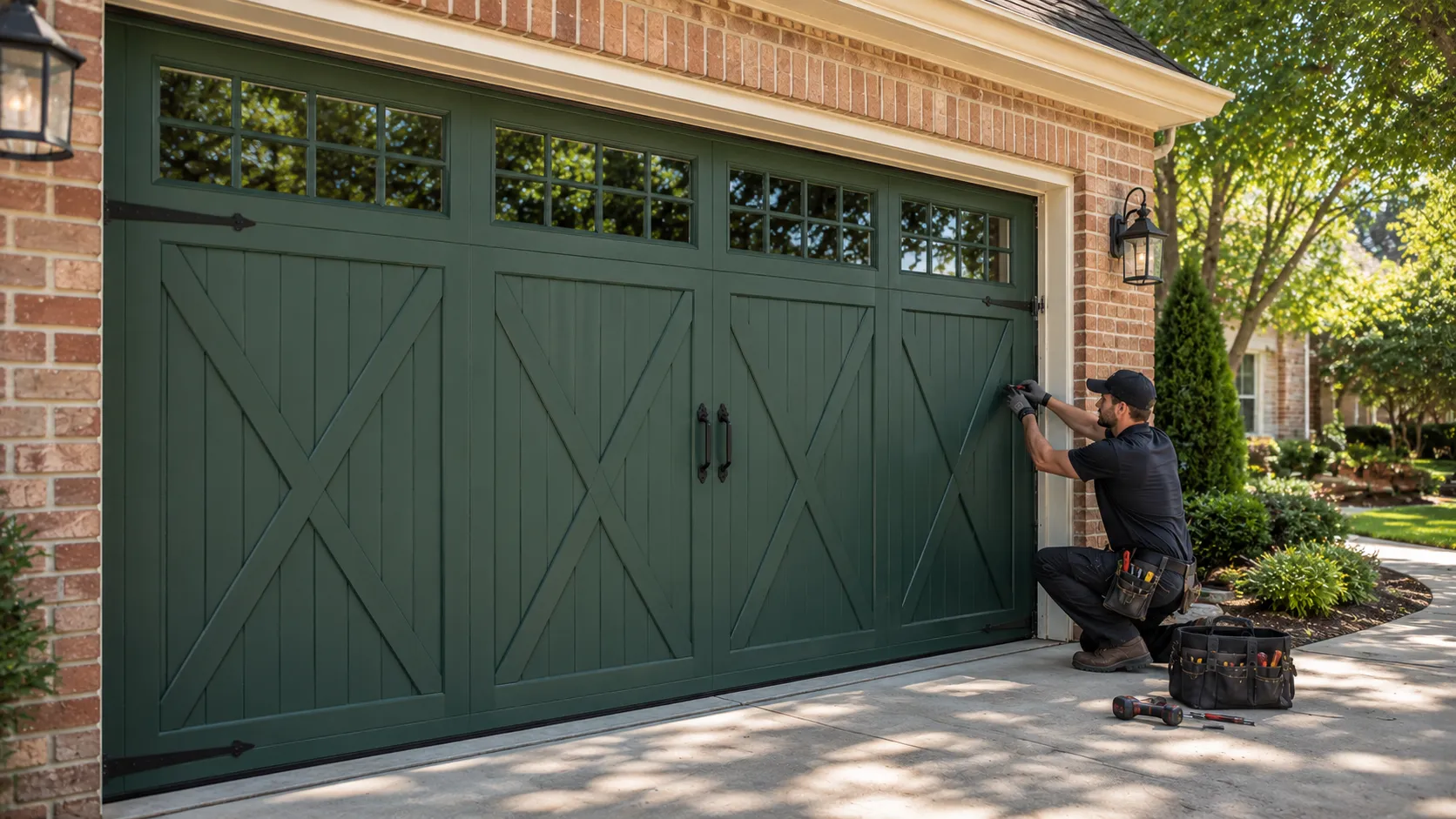
What Was Built Here
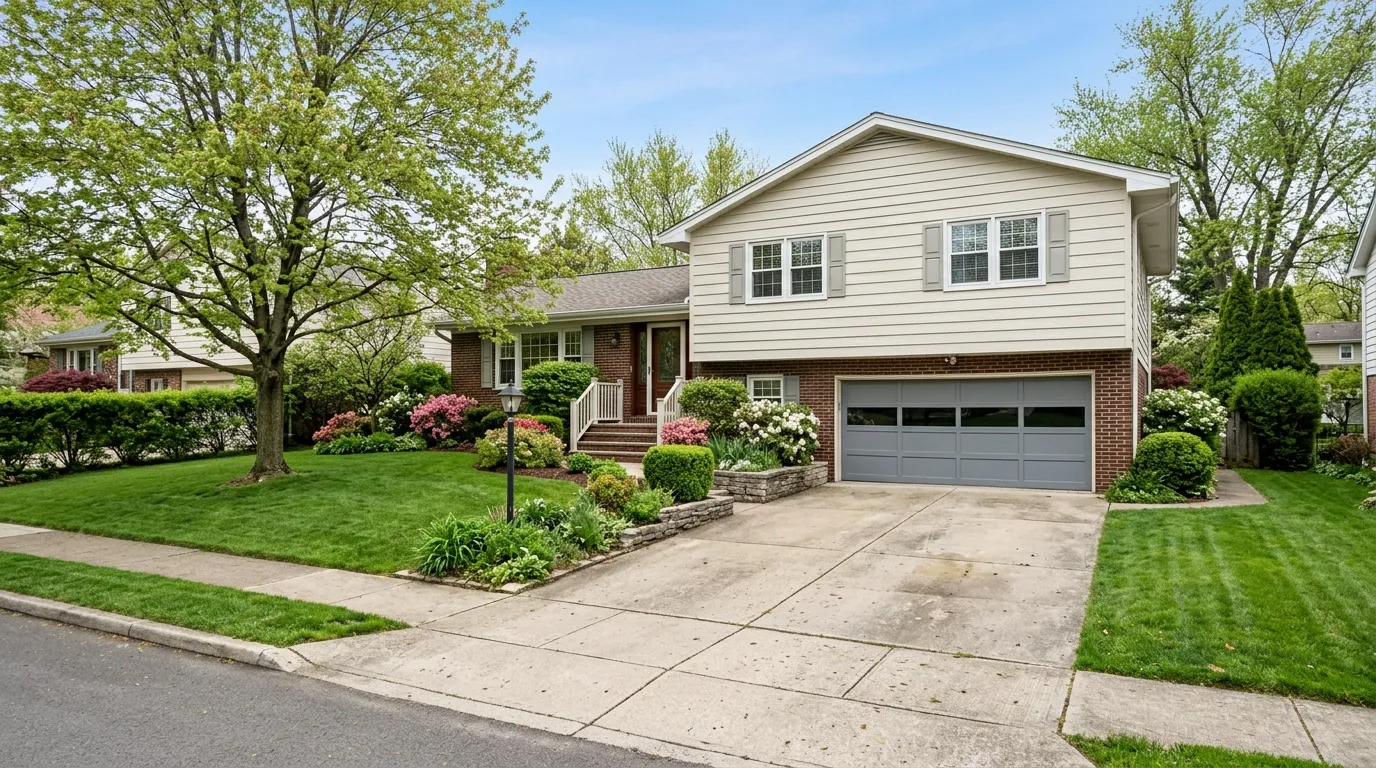
Campbellsport's housing stock centers on 1959, which puts it well ahead of the wider service area's overall median build year of 1976. That's not a small gap - it's the difference between a door installed when steel torsion springs were just becoming standard and one installed after garage doors had already gone through a couple of design generations. A lot of what's on these garages now is either original hardware that's outlived its intended life, or a replacement door bolted onto a much older frame and track setup. With 822 households in the area, it's a small enough pocket that this pattern shows up consistently rather than as scattered exceptions.
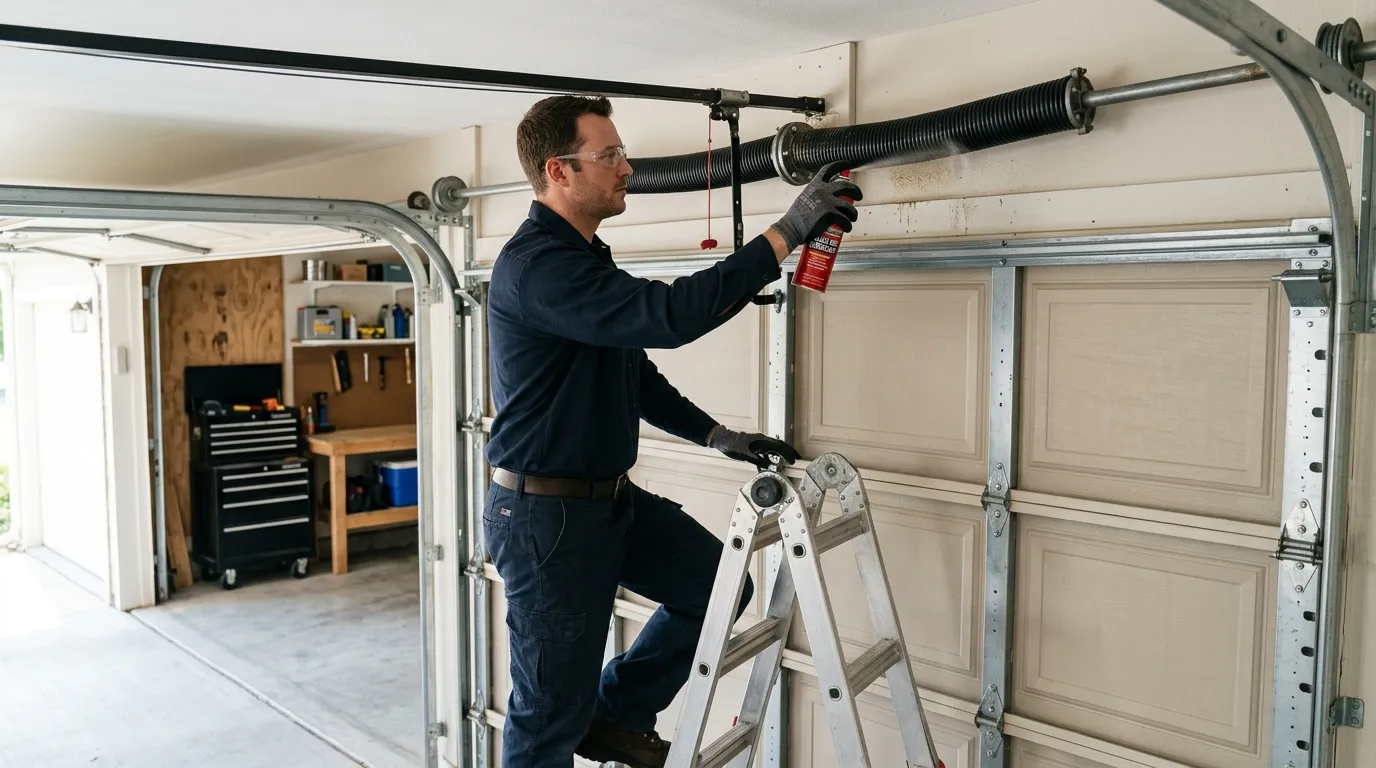
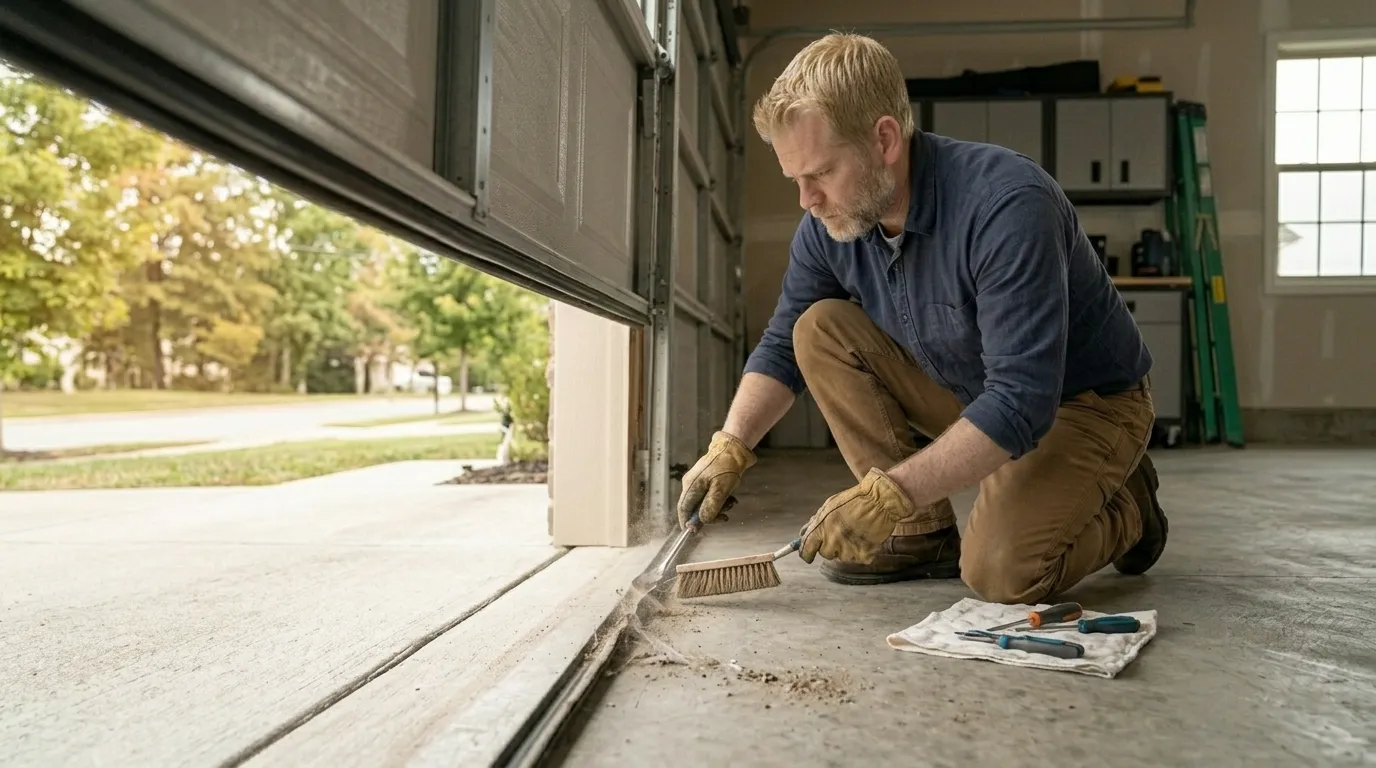
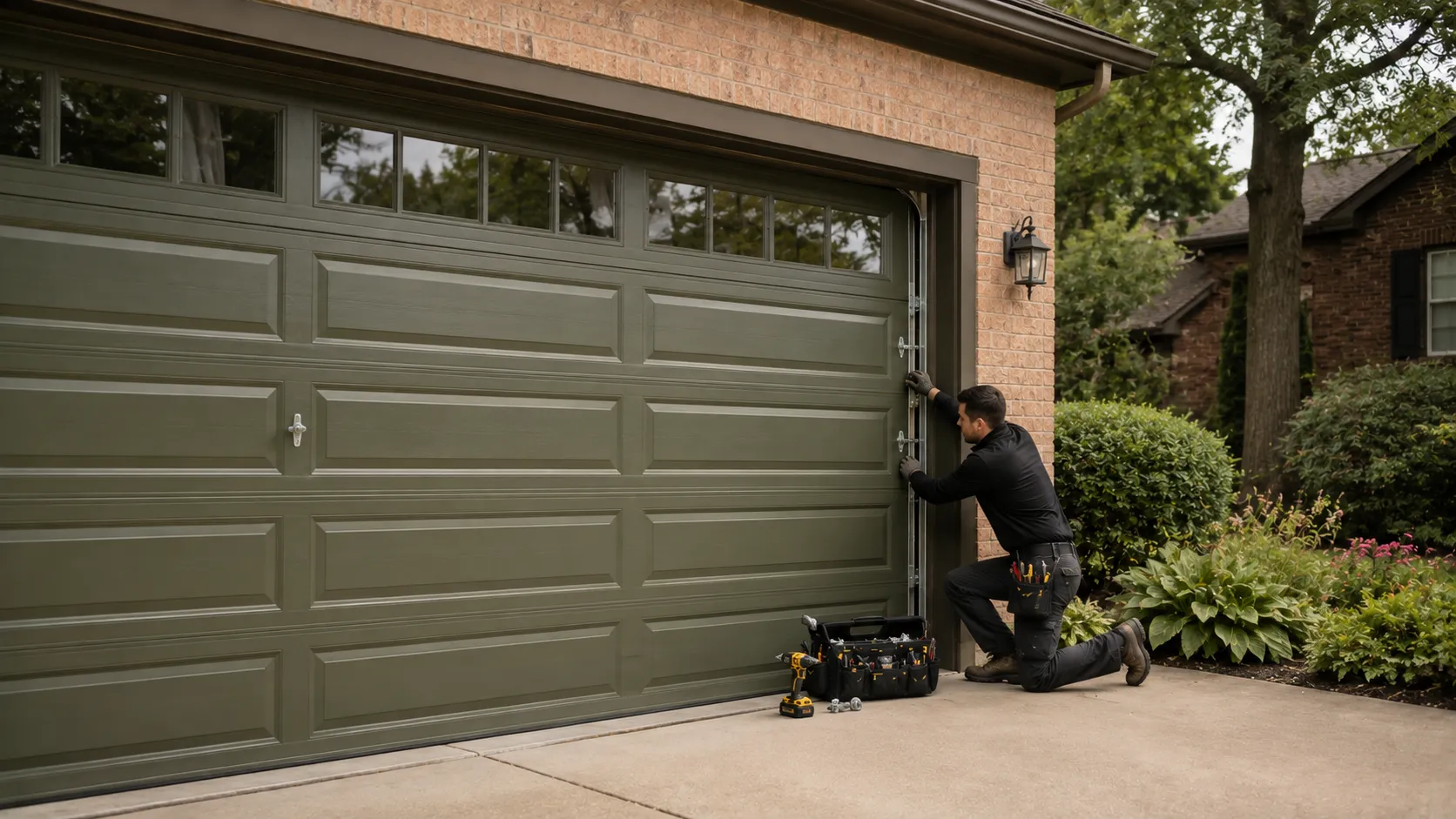
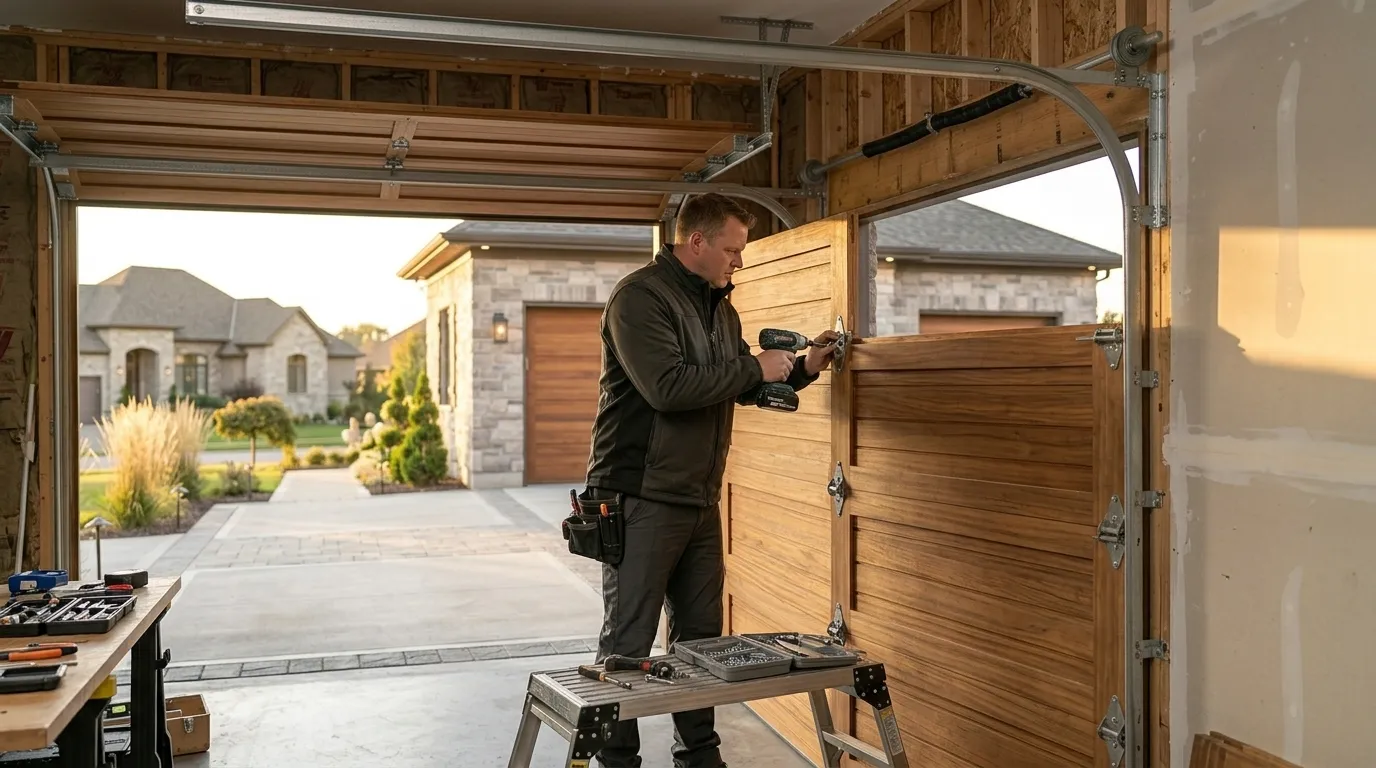
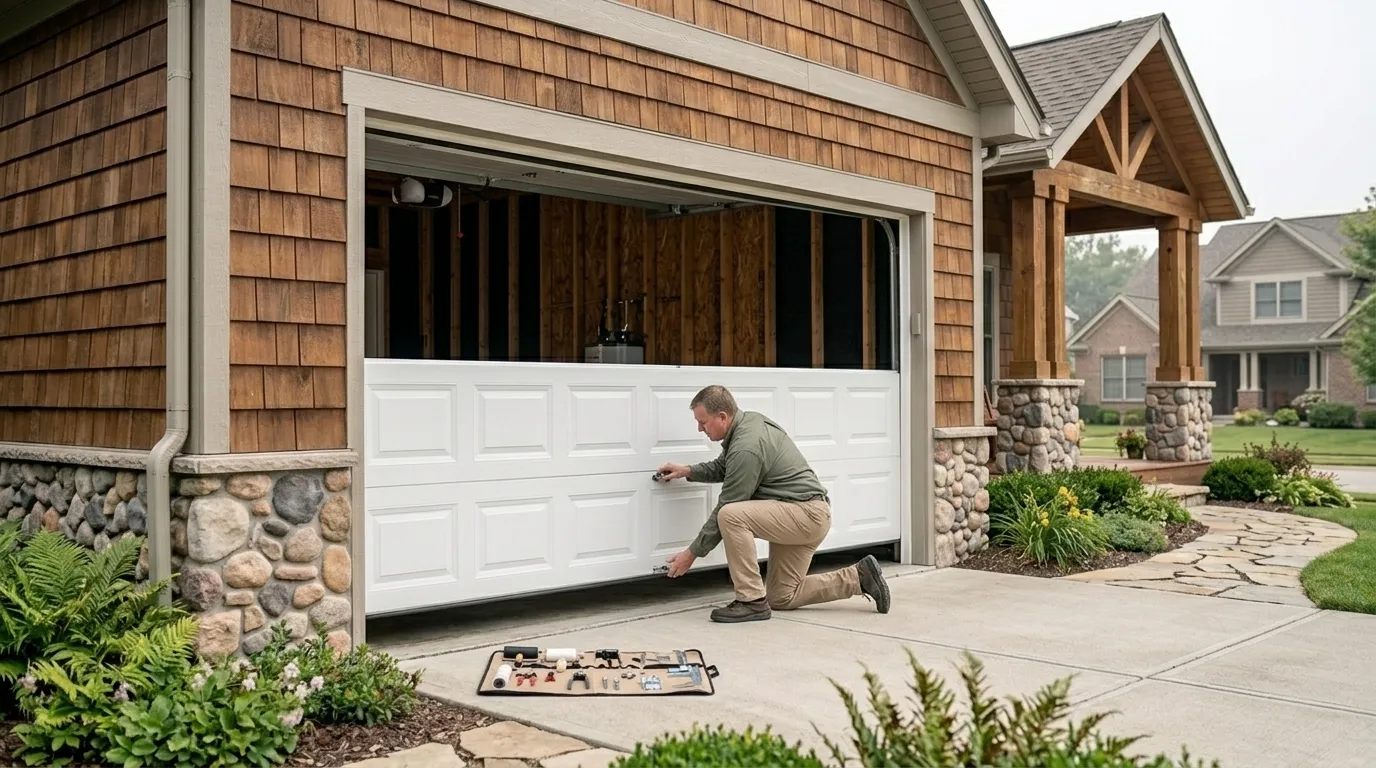
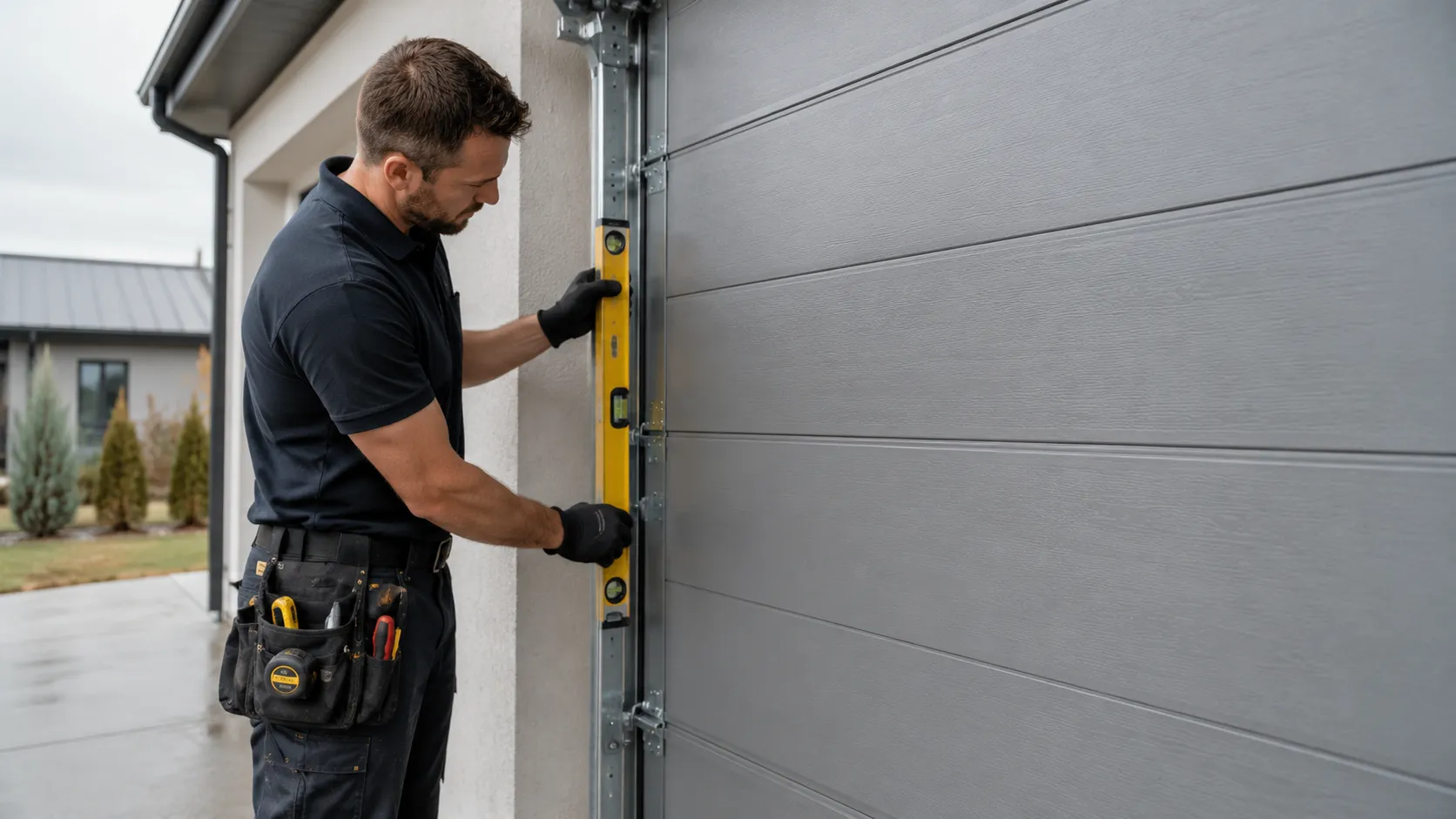
We mention this because it changes what a service call actually looks like. On a house from 1959, we're rarely just swapping a remote sensor. We're often looking at track that's been re-shimmed more than once, hinges worn oval instead of round, and springs sized for a door that's heavier or lighter than what's currently hanging.
How That Shows Up in the Door
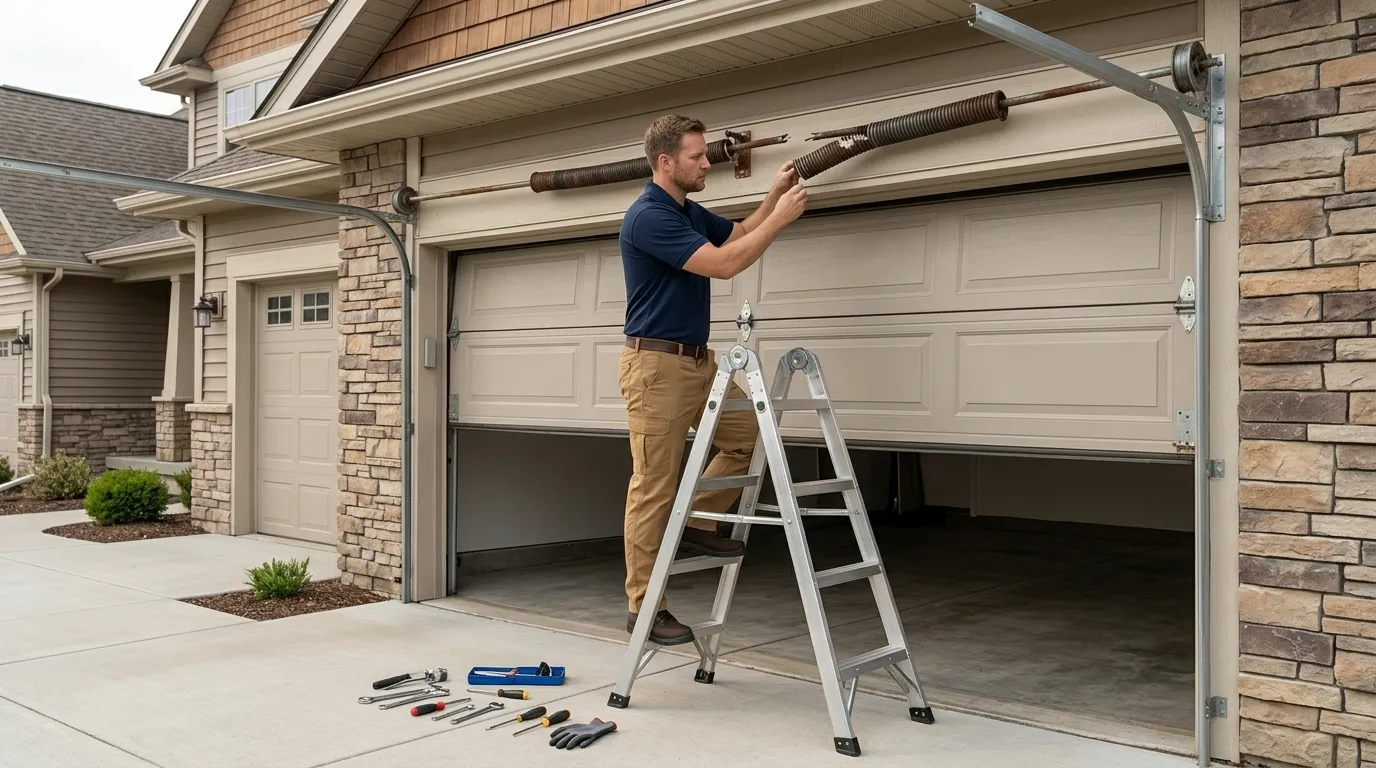
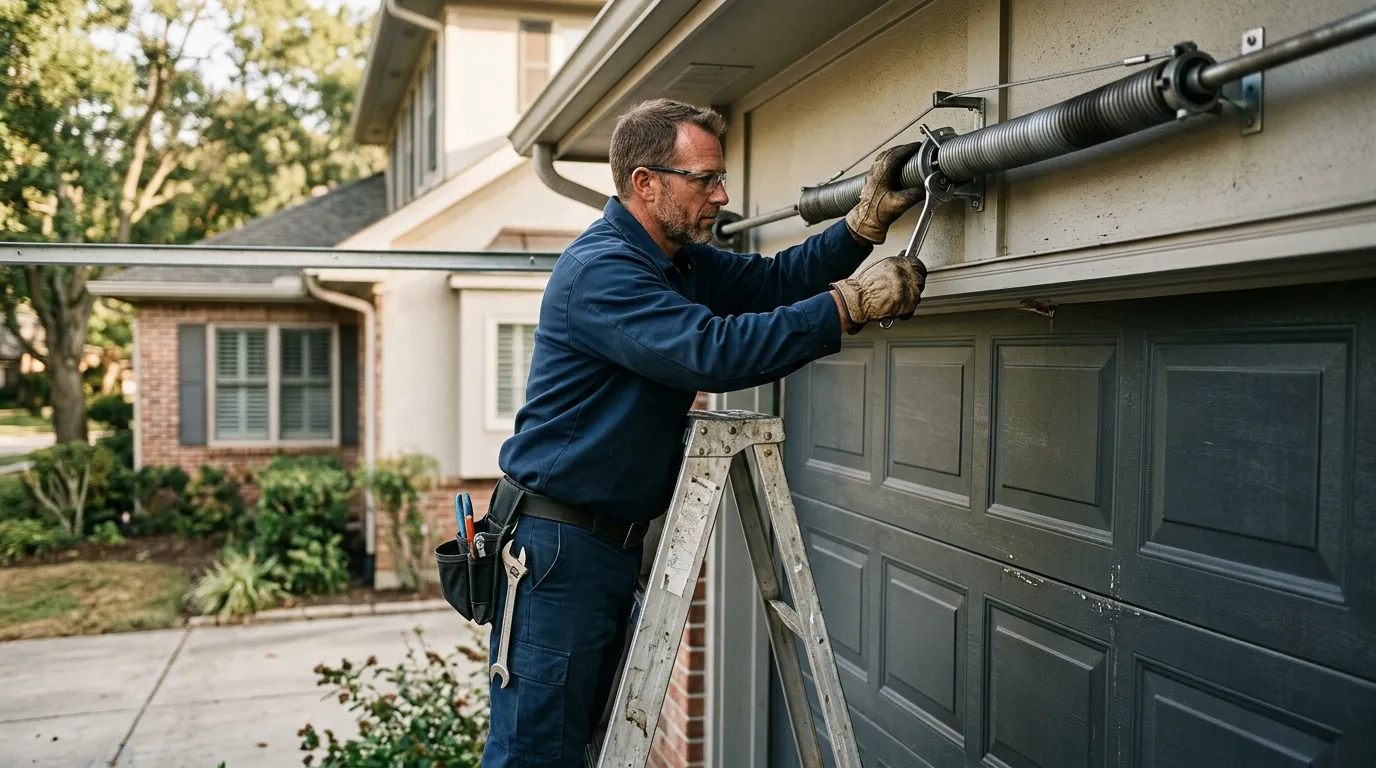
Older stock means older habits baked into the hardware. Side-mounted torsion springs were common practice through this era, and they don't fail the same way center-mounted setups do - the mounting brackets take more stress, and the drums wear differently. One-piece doors, if they haven't been replaced, use a completely different track geometry than sectional doors, and parts for them are not something we carry off a shelf; that's the kind of job where we tell you up front if we need to source a part rather than promise a same-visit fix.
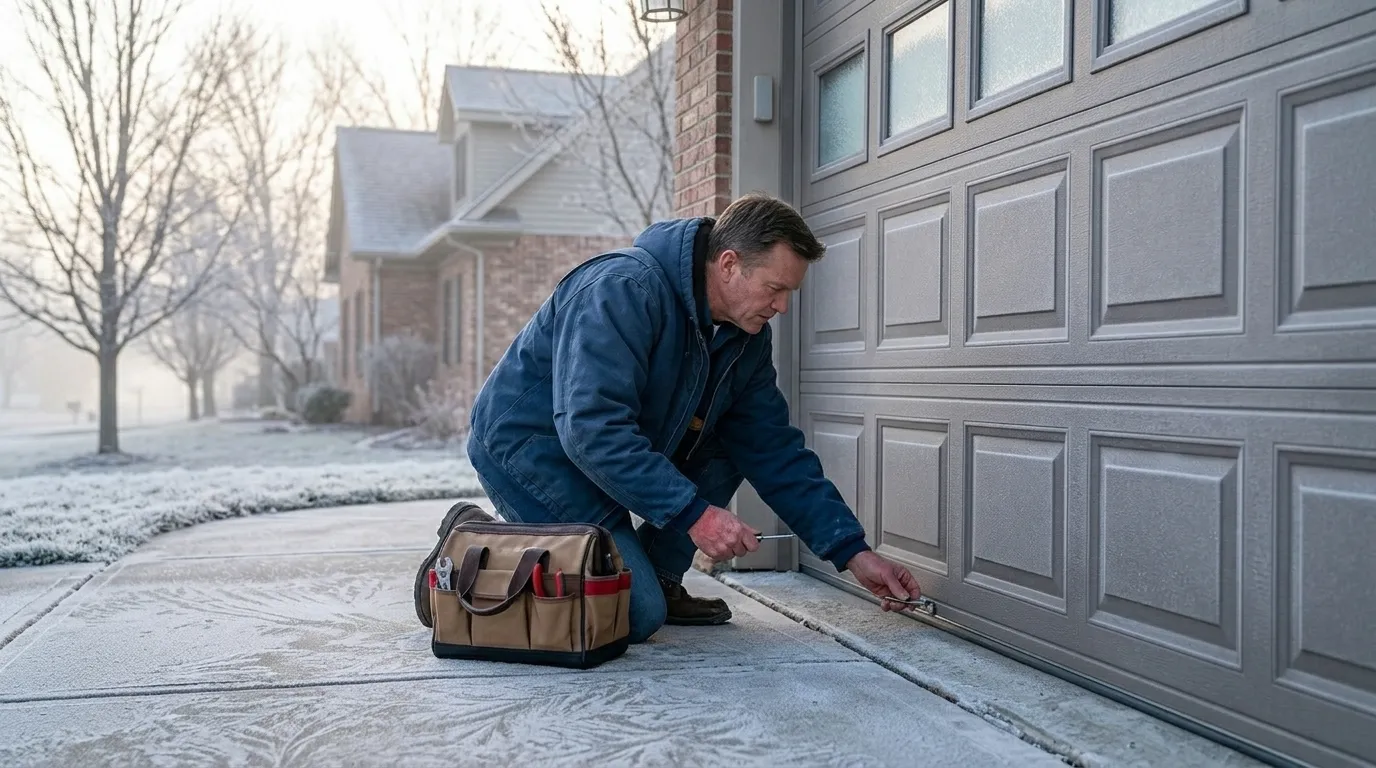
The cold winters this area sits in (a severe cold climate band) put extra strain on hardware that's already decades past its design life. Steel contracts, lubricant thickens, and a spring that's marginal in October can snap in January. On a 1976-median house that's less of an issue because the hardware is a generation newer. On a 1959 house, it's the difference between a routine tune-up and an emergency call.
Timing on This Area
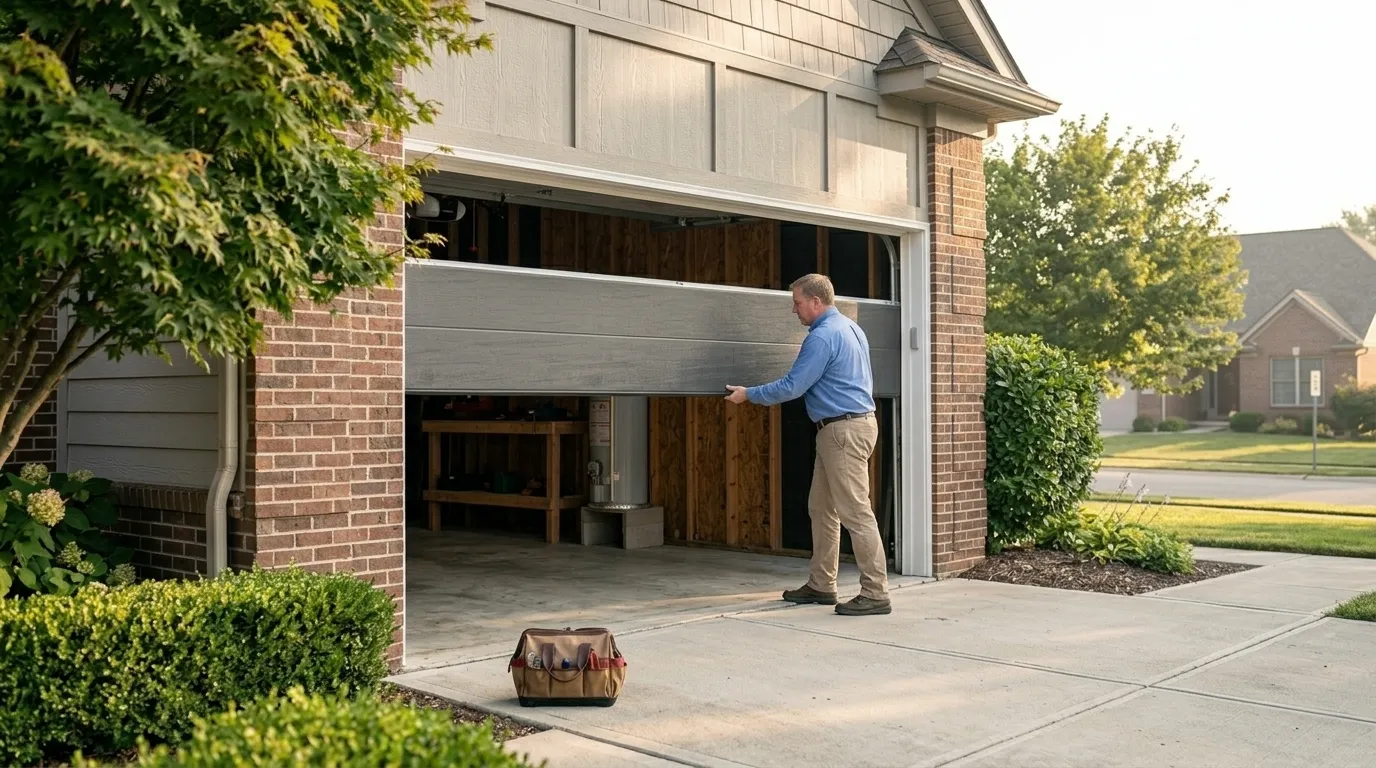
Campbellsport sits about 13 miles from our shop in West Bend, which puts it toward the farther edge of the area we cover. We don't keep a depot here and we're not promising a fixed response window - we travel out from West Bend for every call, and that drive time is part of how we schedule the day. If you're calling about a spring that's already snapped, say so; that's the kind of job we try to work into the route the same day rather than the next one.
For anything that isn't an emergency - a noisy roller, a door that's started sticking on the track - there's no penalty for waiting a day or two while we group it with other stops out this direction. That's just honest about how a 13-mile trip fits into the schedule.