What Was Built Here
Jackson's median home was built around 1999, which puts it well past the 1976 median for the wider service area we cover out of West Bend. A lot of the 37 named areas we work in are still full of 1960s and 70s construction, but Jackson skews newer. That matters because a door installed on a house built in the late 90s is a different animal than one from the 60s: different opening widths, different header clearance, different opener mounting.
With roughly 3,509 households in Jackson and a median income of $95,960, this is a market where a fair number of garages still have their original opener from the build, especially on homes going up in the late 90s and early 2000s. Chain-drive openers from that period are aging out now - not broken yet, but getting close, and parts for some of those older motor units are getting harder to source. We don't stock every obsolete gear kit, and sometimes the honest call is a new opener rather than chasing down a part for a 25-year-old unit.
The housing stock here isn't uniform, but the shift toward newer construction compared to the rest of the area is the thing to know before you decide whether a repair or a swap makes more sense.
How That Shows Up in the Door
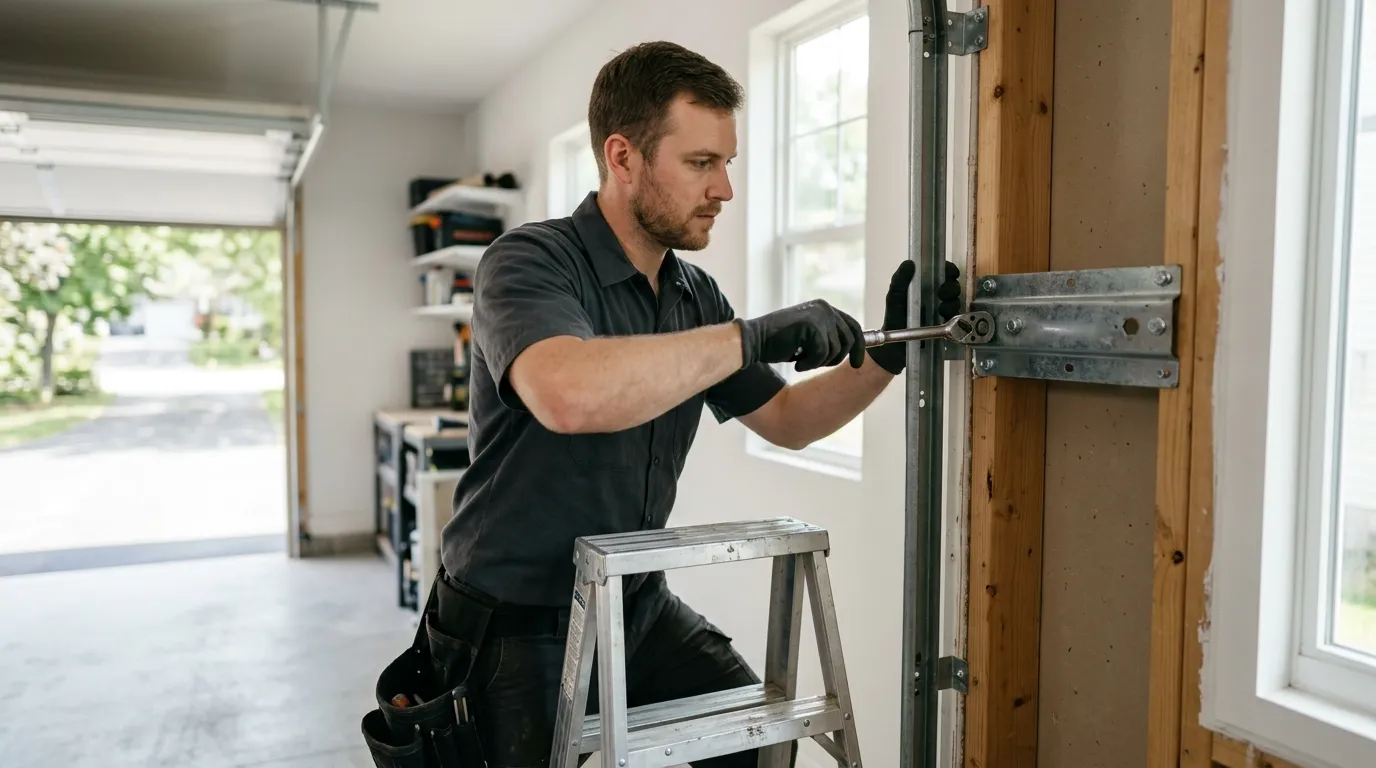
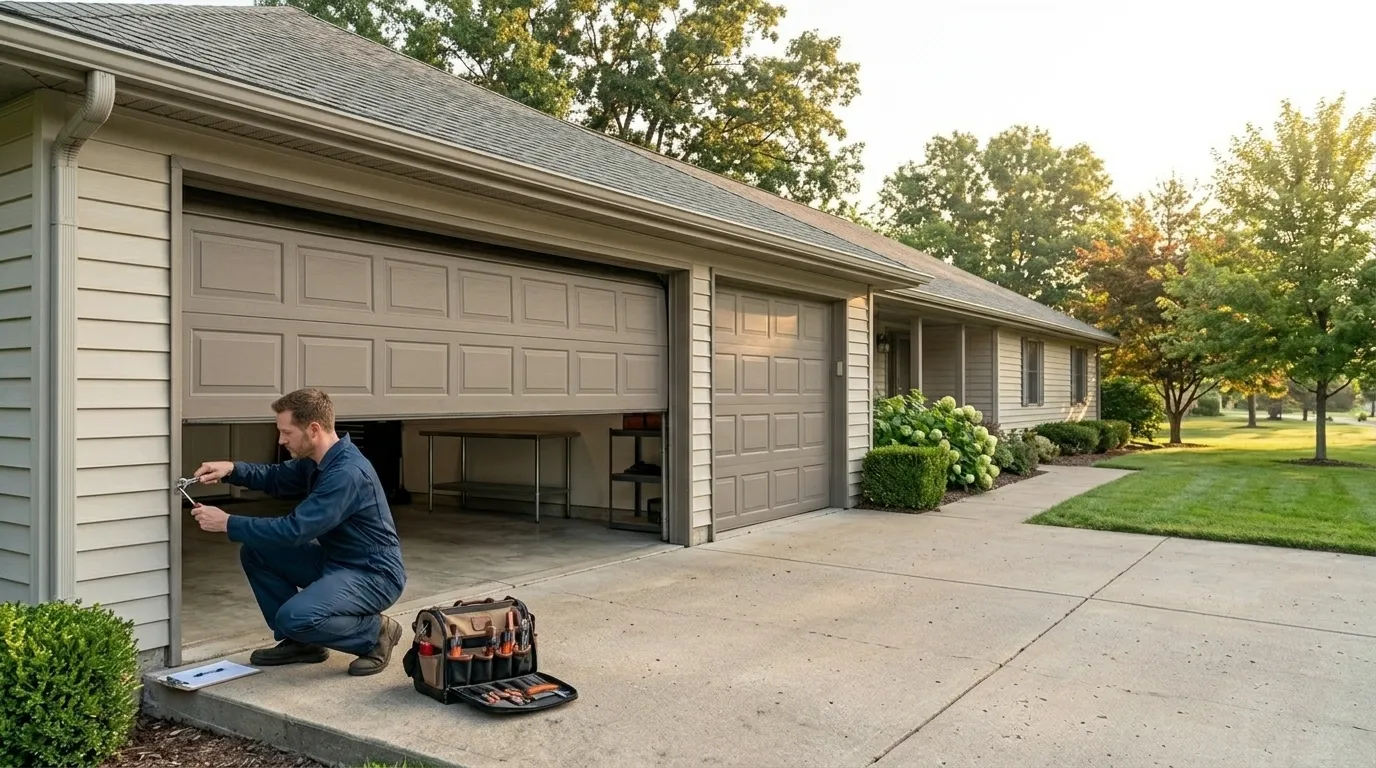
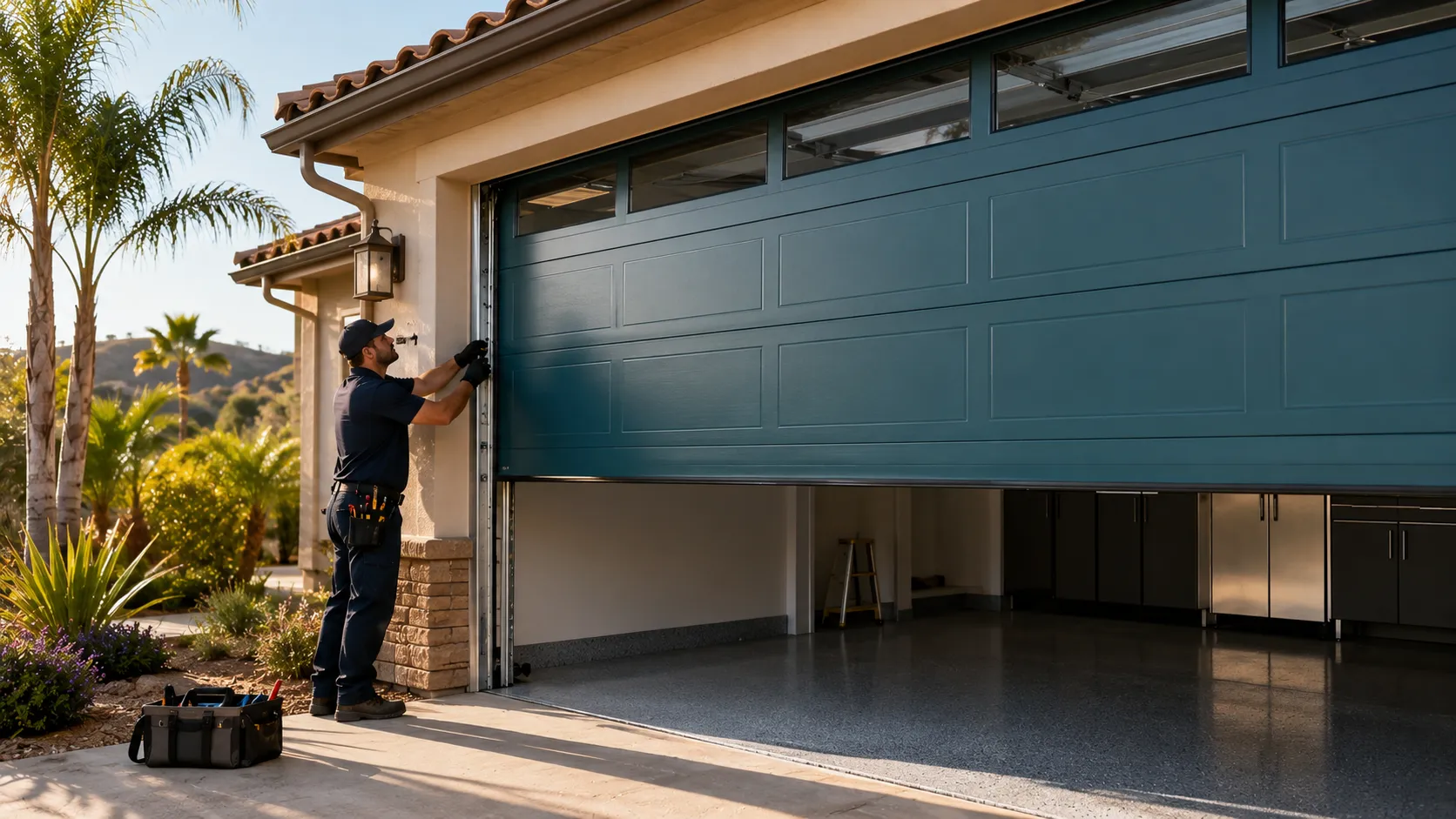
A door and track set installed in the late 90s is usually steel panel, torsion spring mounted, with a garage door opener bolted to the ceiling on a rail - pretty standard for that build era. Compare that to a house from the 60s in some of the older towns nearby, where you're more likely to find side-mounted torsion hardware and a heavier, thinner-gauge original door that was never meant to run an opener at all.
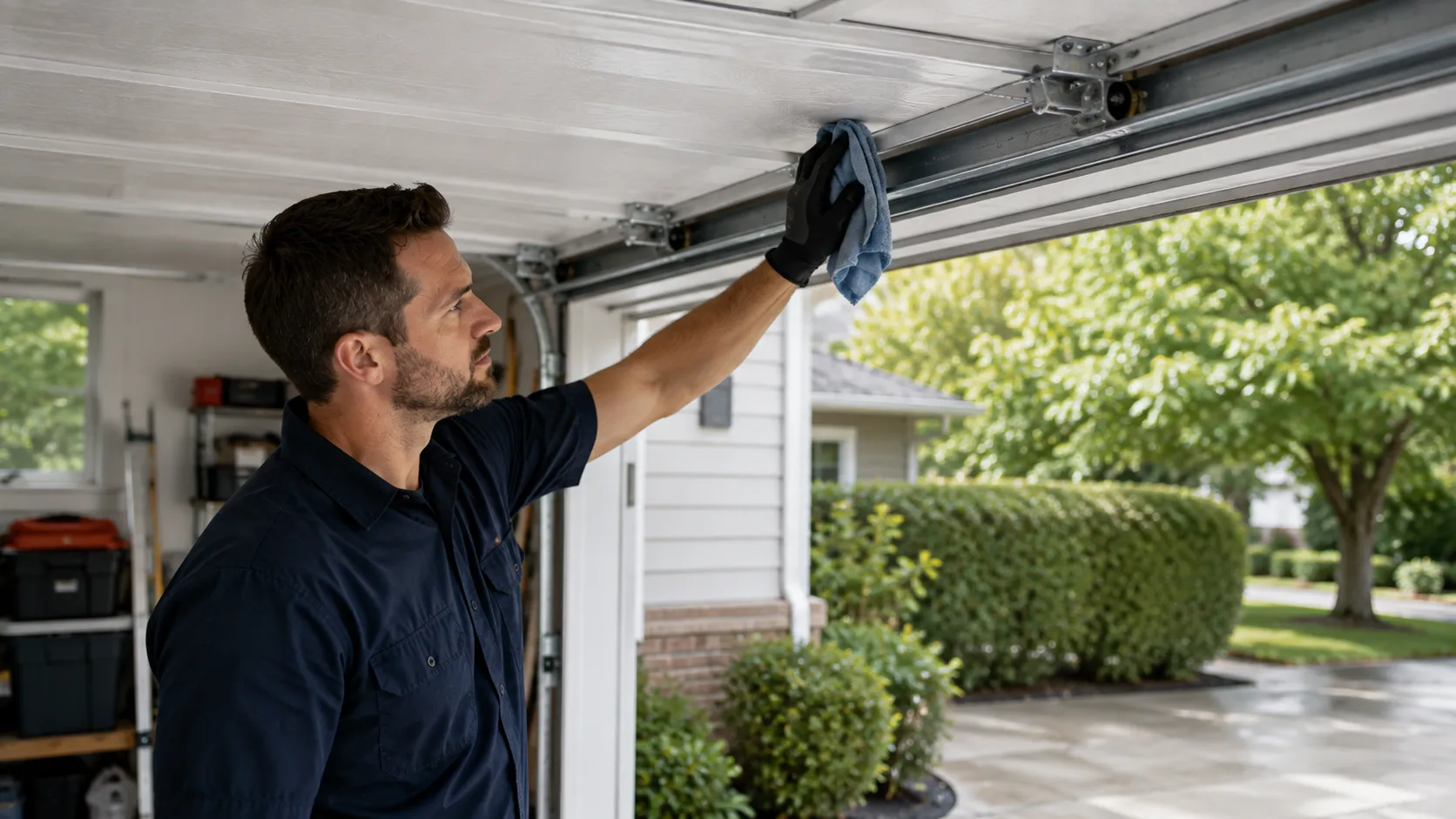
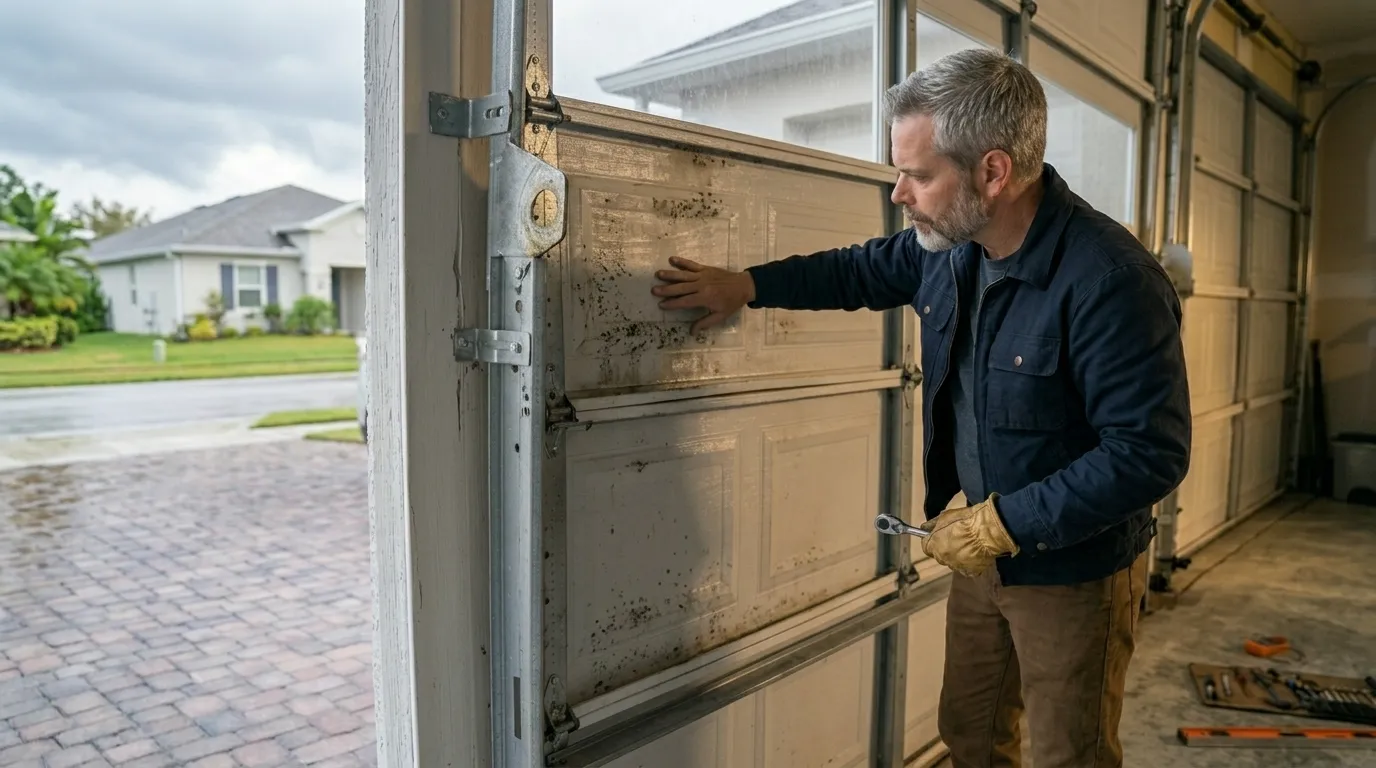
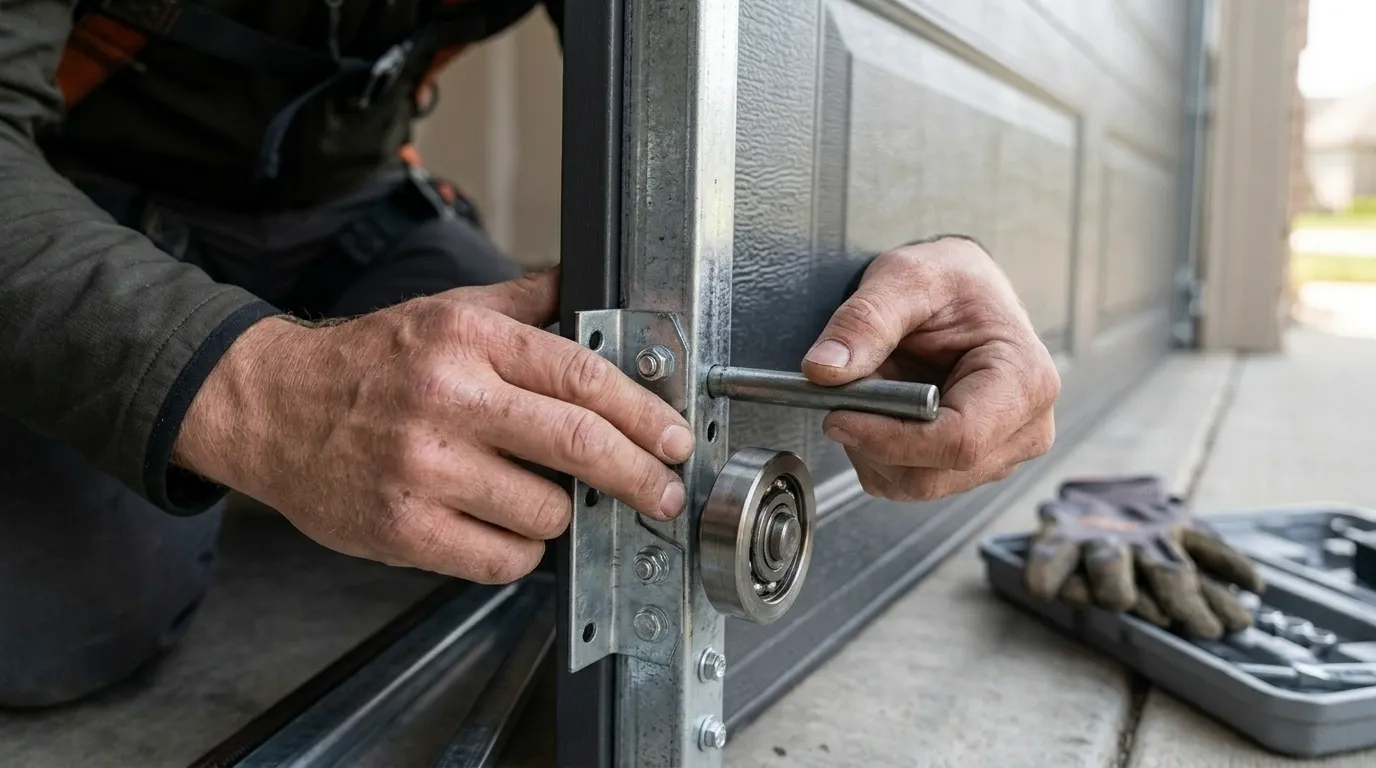
In Jackson, the failures we see tend to be wear-based rather than compatibility-based: torsion springs finally giving out after 15-25 years of cycles, rollers going bad, and openers with worn gears or dying circuit boards. It's less about retrofitting old hardware and more about maintenance catching up with a house that's now old enough for its original garage door components to be at end of life.
Winters here fall in the cold, severe climate band, and cold makes worn springs and dry track more likely to fail on a cold morning than they would in a mild season - the metal contracts, lubricant stiffens, and a spring that had one cycle left goes on the coldest day of the year, not a random Tuesday in July.
Timing on This Area
Jackson sits about 7 miles from our shop in West Bend, which is a short run most days. We don't promise a same-day arrival window here in writing, but it's close enough that scheduling a visit doesn't usually mean a long wait compared to some of the farther towns in our coverage, like Grafton or Mequon at 14 and 16 miles out.
Cold-season calls spike here the same way they do across the rest of our cold-climate coverage area - a spring that's been fraying all year tends to snap on the first hard freeze, not before. If you've got a door that's been groaning, sagging, or slow to close, getting it looked at before a cold snap is cheaper than an emergency call once it's stuck shut on a 10-degree morning.
Parts availability is the one thing we can't fully control. Some opener models, especially older ones from the initial 90s building wave here, are on longer lead times from the manufacturer, and we'll tell you that up front rather than guess at a delivery date.