What Was Built Here
Lisbon's housing stock centers on 1983, which puts it a good seven years newer than the 1976 median across the rest of the West Bend service area. That gap matters more than it sounds. Homes built in the early-to-mid 1980s came with different garage door packages than the ones from the 1960s and 70s that make up most of the surrounding towns. You're less likely to find the old flush wood-panel doors on side-mounted hardware, and more likely to find steel sectional doors with the extension or early torsion spring setups that were standard through that decade.
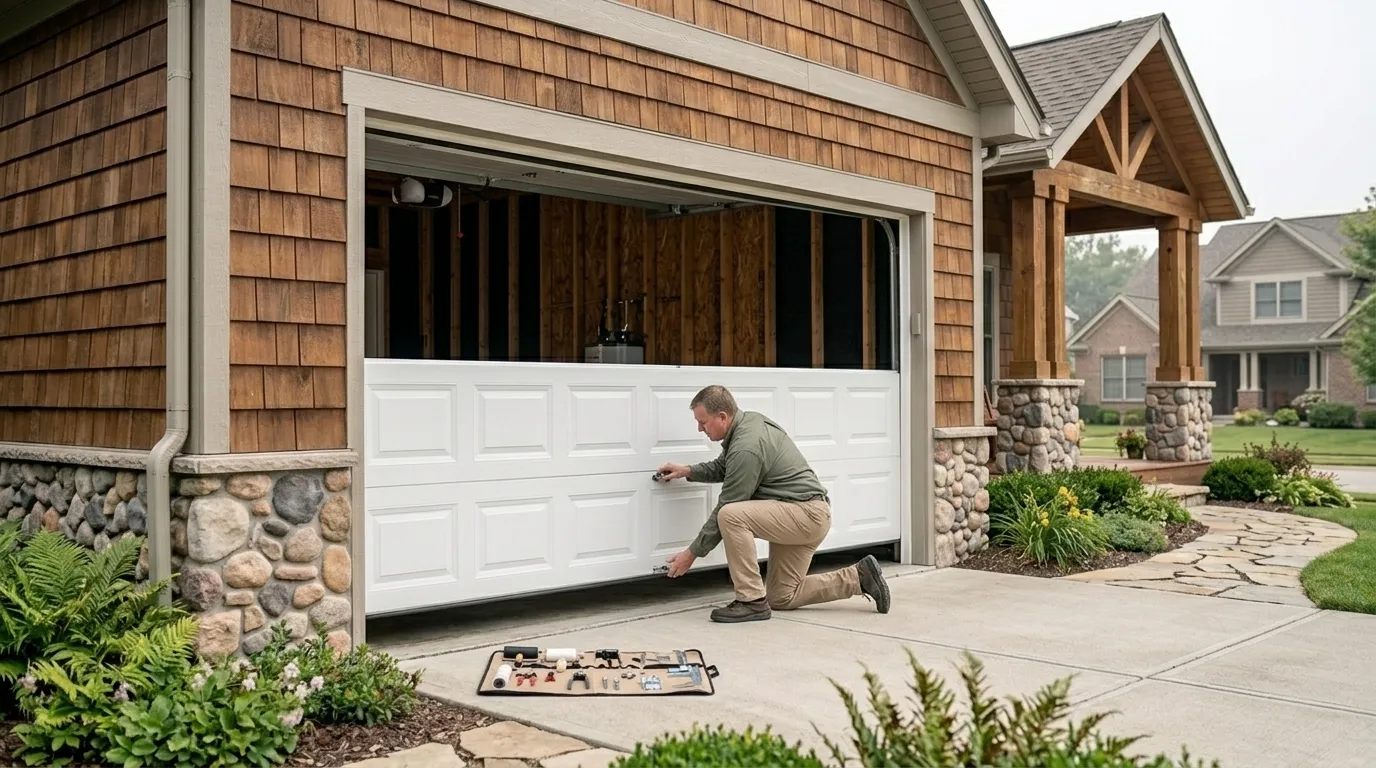
With 3,883 households in Lisbon, and a median income of $127,250 - well above the $88,634 figure for the wider service area - a fair number of these original doors have already been swapped out once for a nicer steel or insulated model somewhere along the way. That means the mix here isn't uniform: some houses still run the door that came with the build, others got a mid-2000s replacement, and a few have gone newer still. It's worth knowing which one you've got before you call anyone out, since the fix and the part cost can differ a lot.
How That Shows Up in the Door
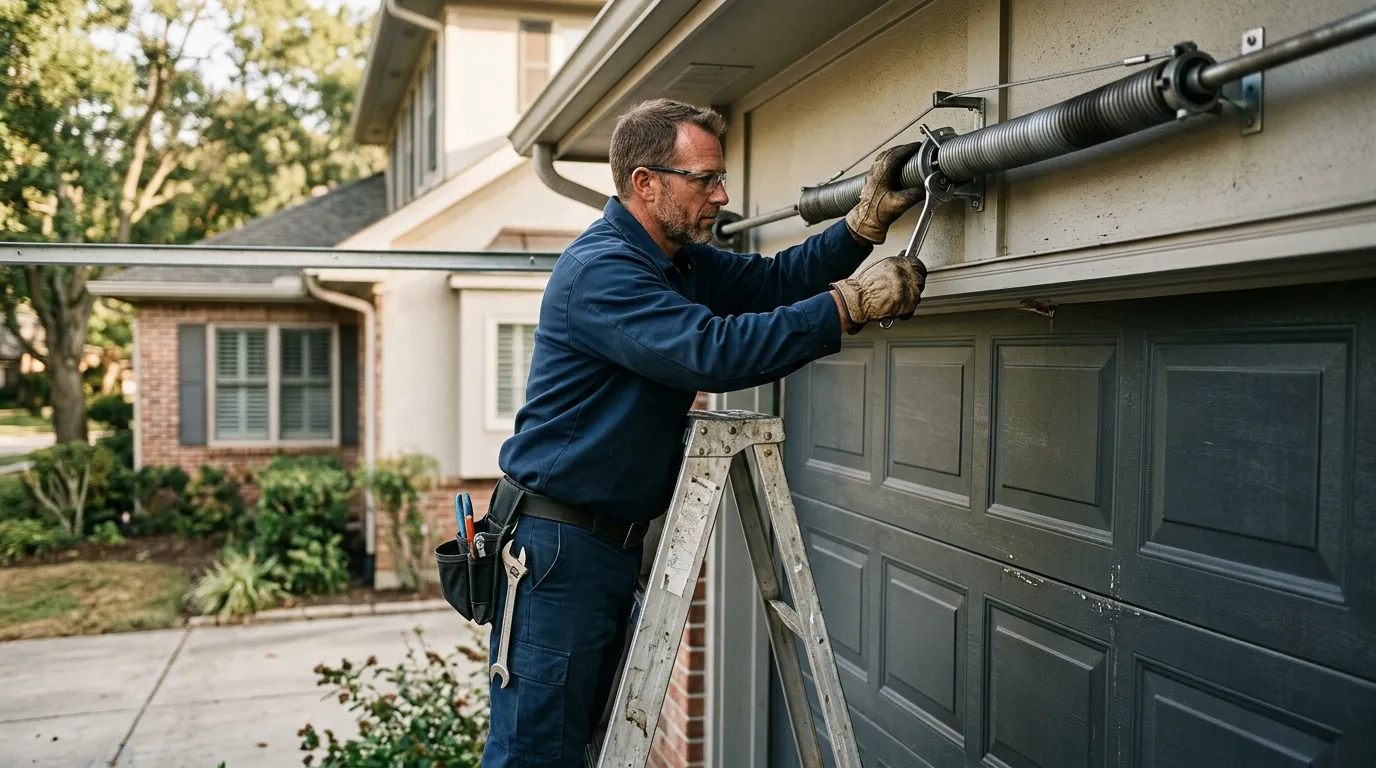
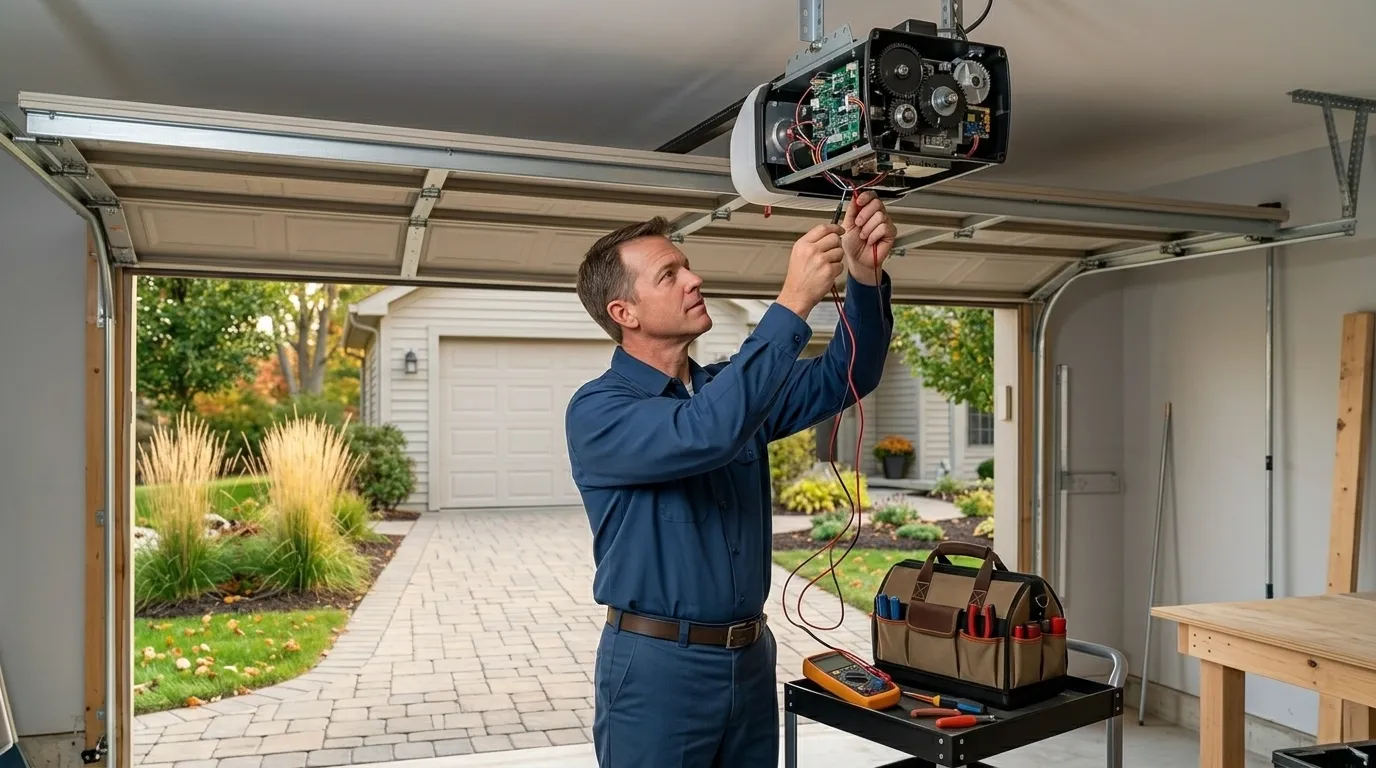
A door built to early-1980s spec usually has torsion spring hardware mounted overhead rather than the side-mounted setup you'd find on an older house. That's a more standard, more serviceable system, but it still ages the same way everywhere: springs lose tension after years of cycles, especially with the swings of a cold-climate winter putting extra strain on the steel. Original openers from that build era, if they're still running, are almost always chain-drive units well past any reasonable service life, and parts for them are getting hard to source.
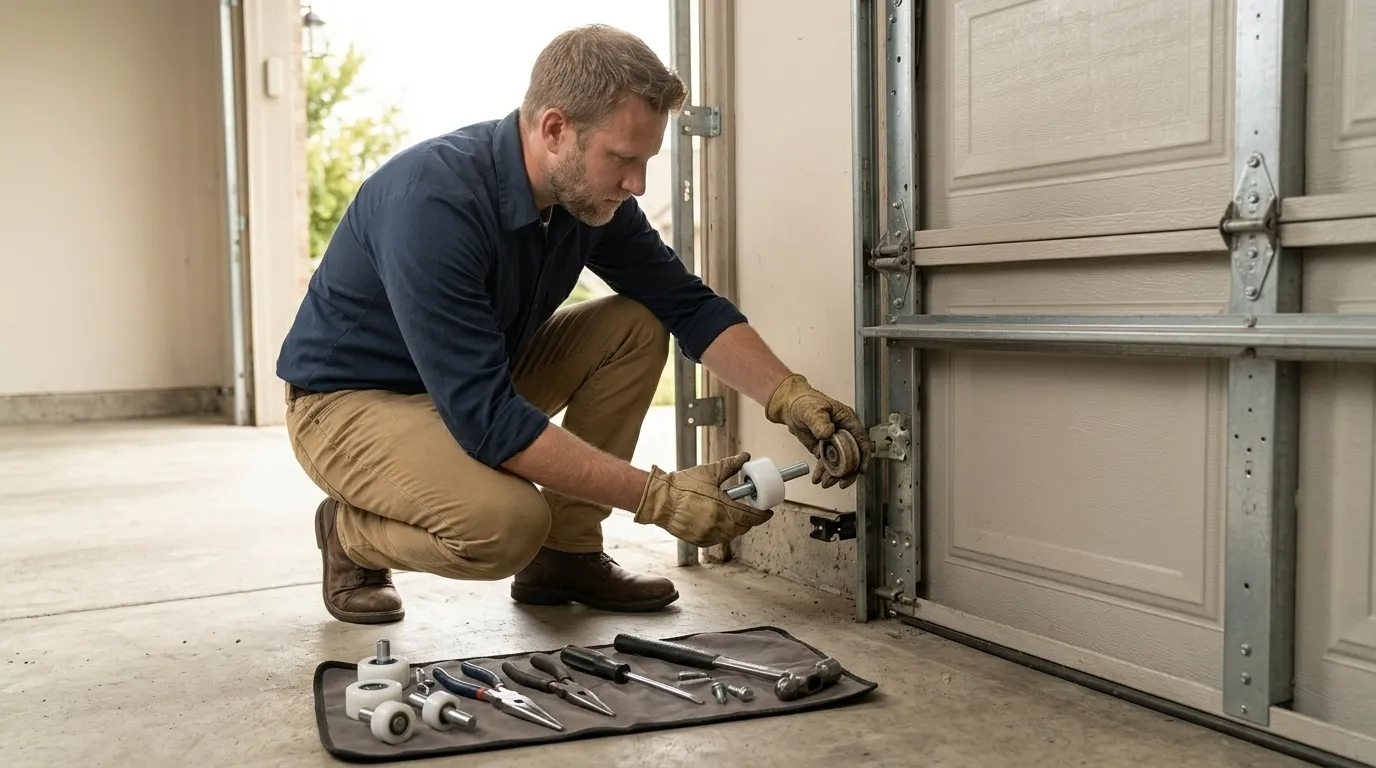
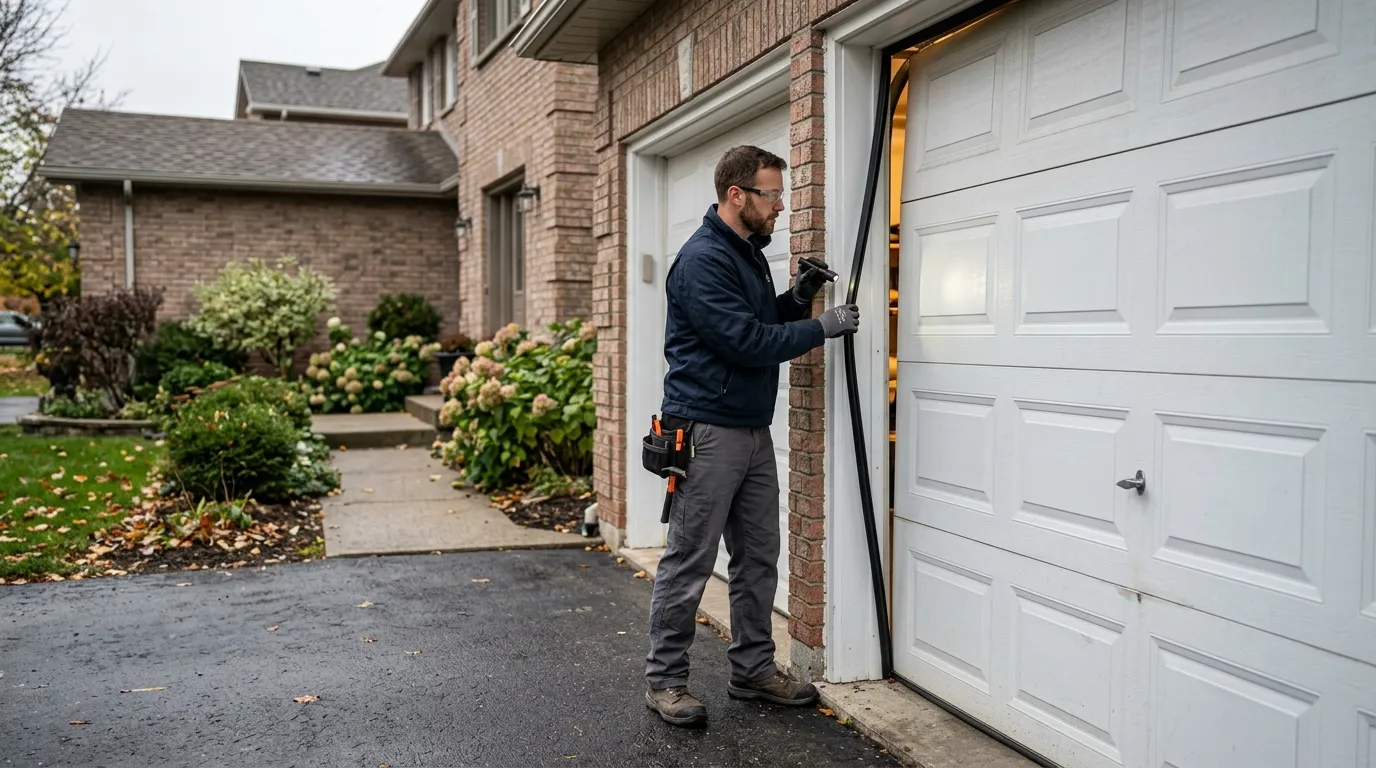
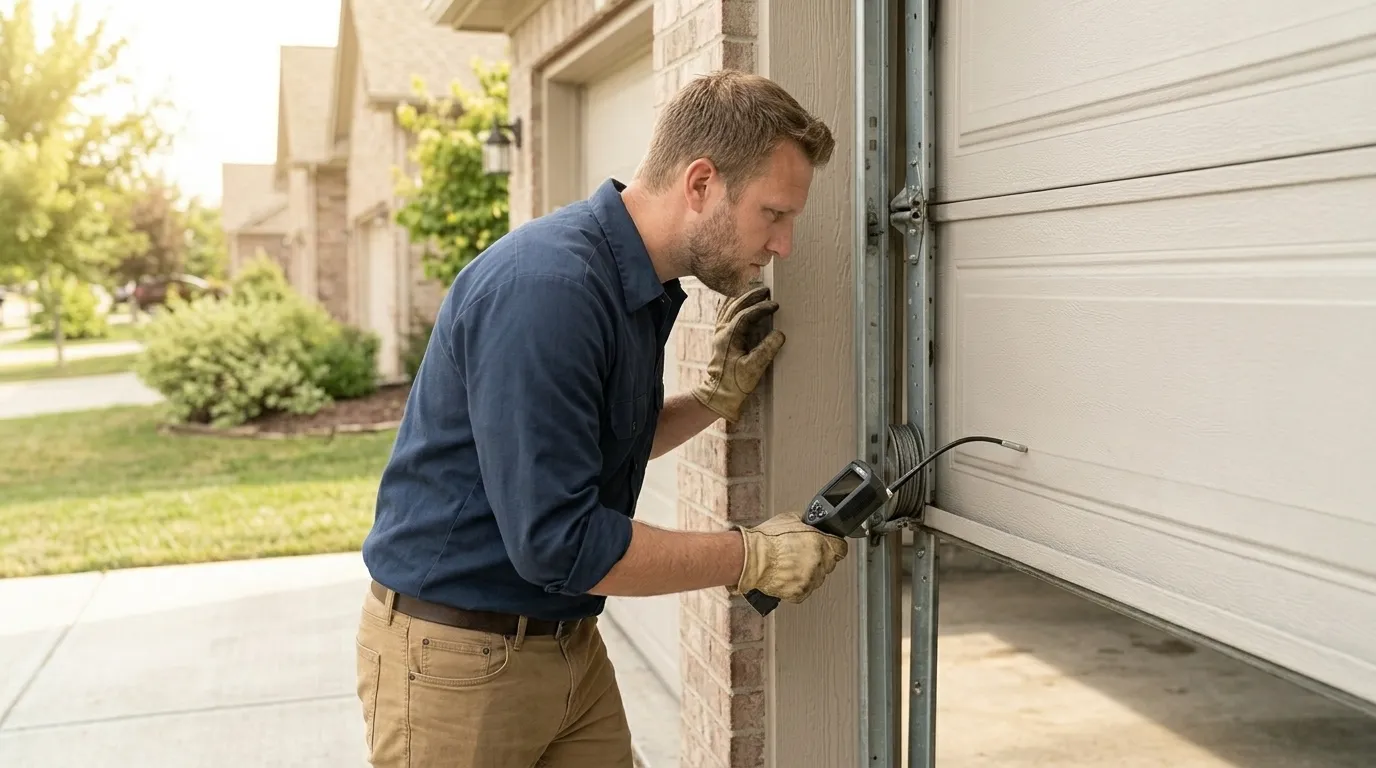
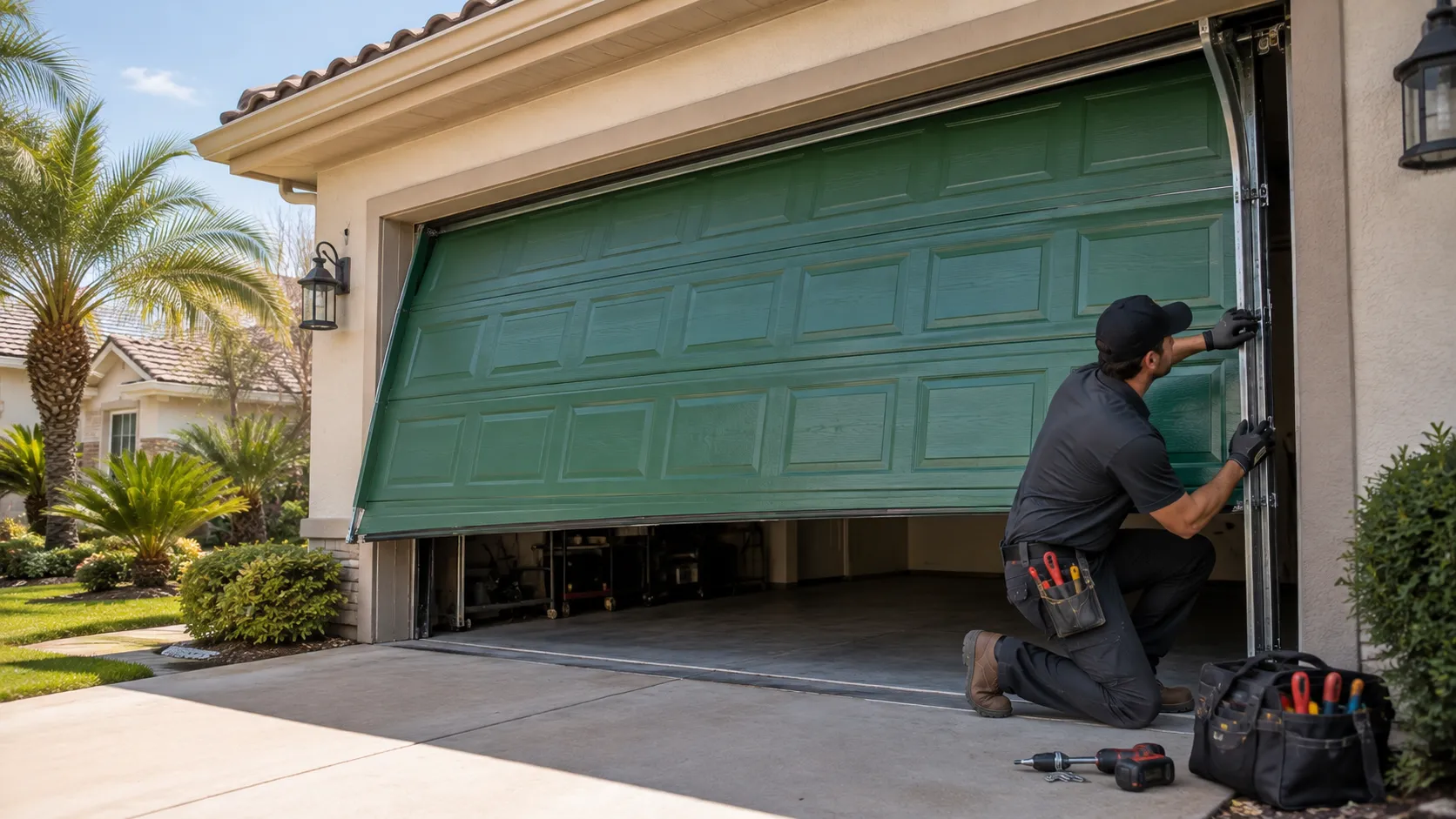
The severe cold this region sees each winter is hard on any door regardless of build year, but it hits differently depending on the hardware. Doors with steel rollers rather than nylon tend to seize or bind faster in deep cold, and older galvanized cable can go brittle. If your Lisbon home still has its 1980s-era opener, replacing it before it fails on a January morning is usually cheaper than an emergency call once it does.
Timing on This Area
Lisbon sits 18 miles out from West Bend, on the far edge of the routes we run day to day. We don't keep a location or staff in Lisbon itself - every job here means a truck coming out from West Bend, so we schedule the trip rather than promise a same-hour arrival. If a spring breaks on a Tuesday morning, plan for a scheduled visit rather than a drop-in.
One honest limitation: because of the distance, we can't always slot in a Lisbon call between two closer jobs on short notice. If timing is critical - a door stuck open overnight, for instance - say so when you call and we'll do what we can, but we're not going to promise a response window we can't back up from 18 miles away.