What Was Built Here
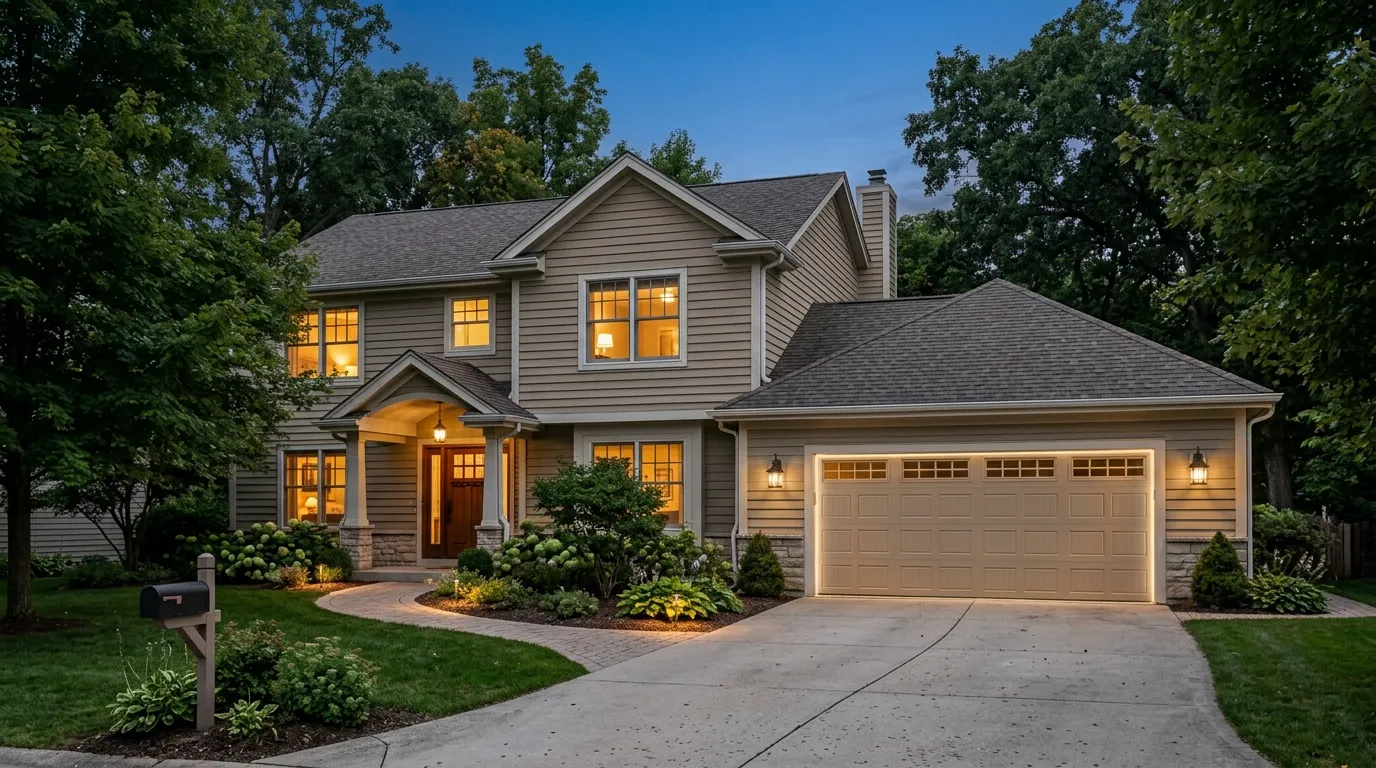
Port Washington sits about 15 miles from our shop in West Bend, and the housing stock here lines up closely with the median for the wider service area: 1975, right in the middle of the 1958-1999 range we see across all 37 communities we cover. That means most garage doors here are original or first-replacement units installed sometime in the 1970s and 80s, before insulated steel doors became standard and before openers had rolling-code safety sensors built in.
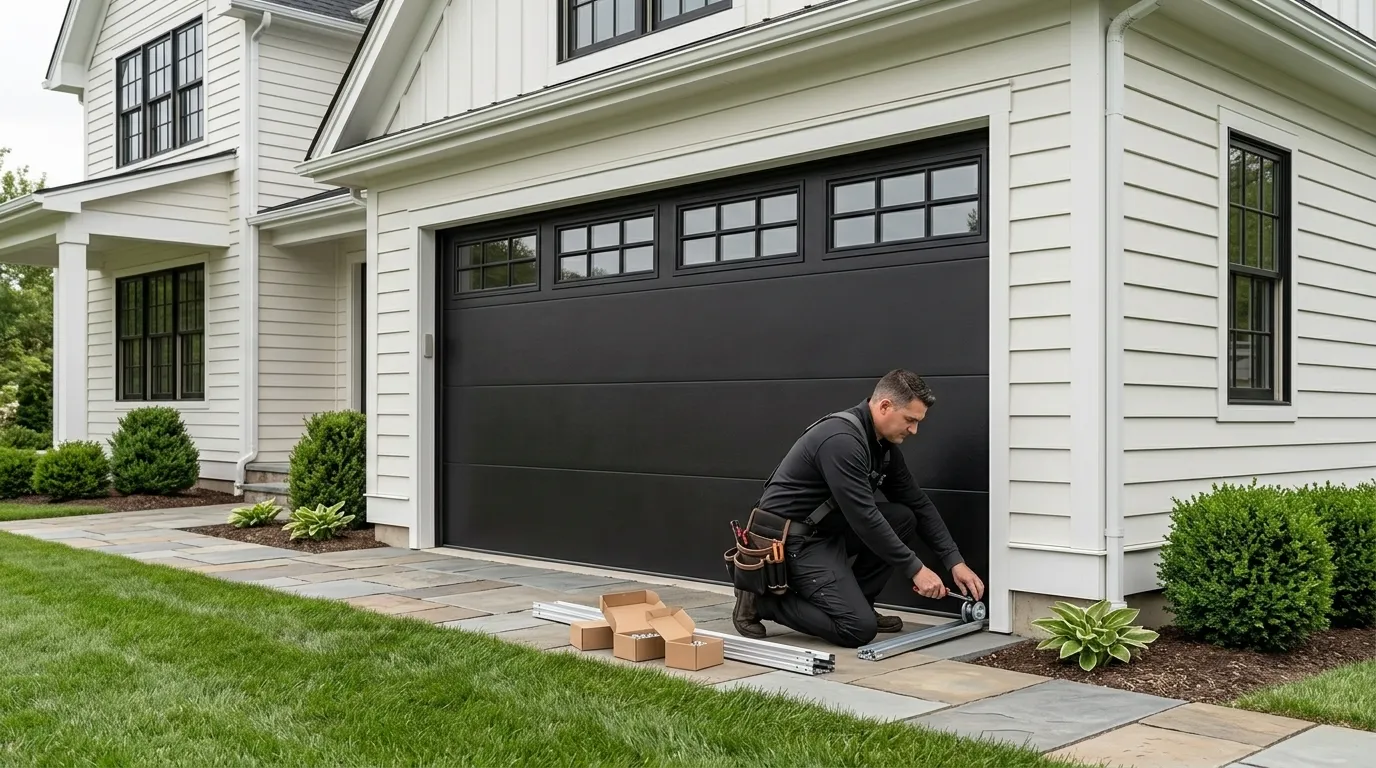
With 5,374 households in this area and a median income of $81,582, a good share of these are owner-occupied houses where the garage door has never been touched since the builder hung it - or it was swapped once in the 90s with whatever was cheap at the time. That's a door pushing 30 to 50 years old on a track system nobody manufactures new anymore. It still works. Until the day it doesn't, and the fix isn't a five-minute adjustment - it's sourcing a part or rebuilding the whole opening.
How That Shows Up in the Door
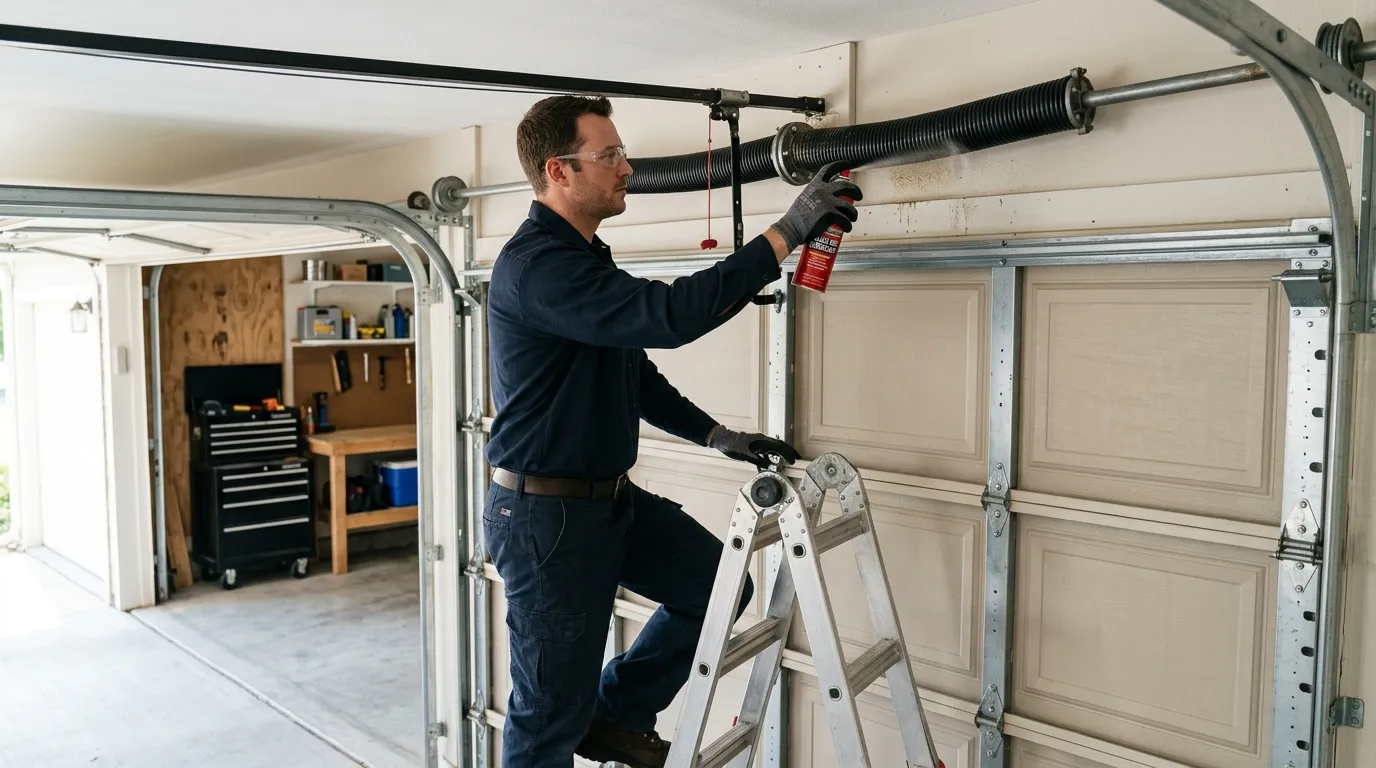
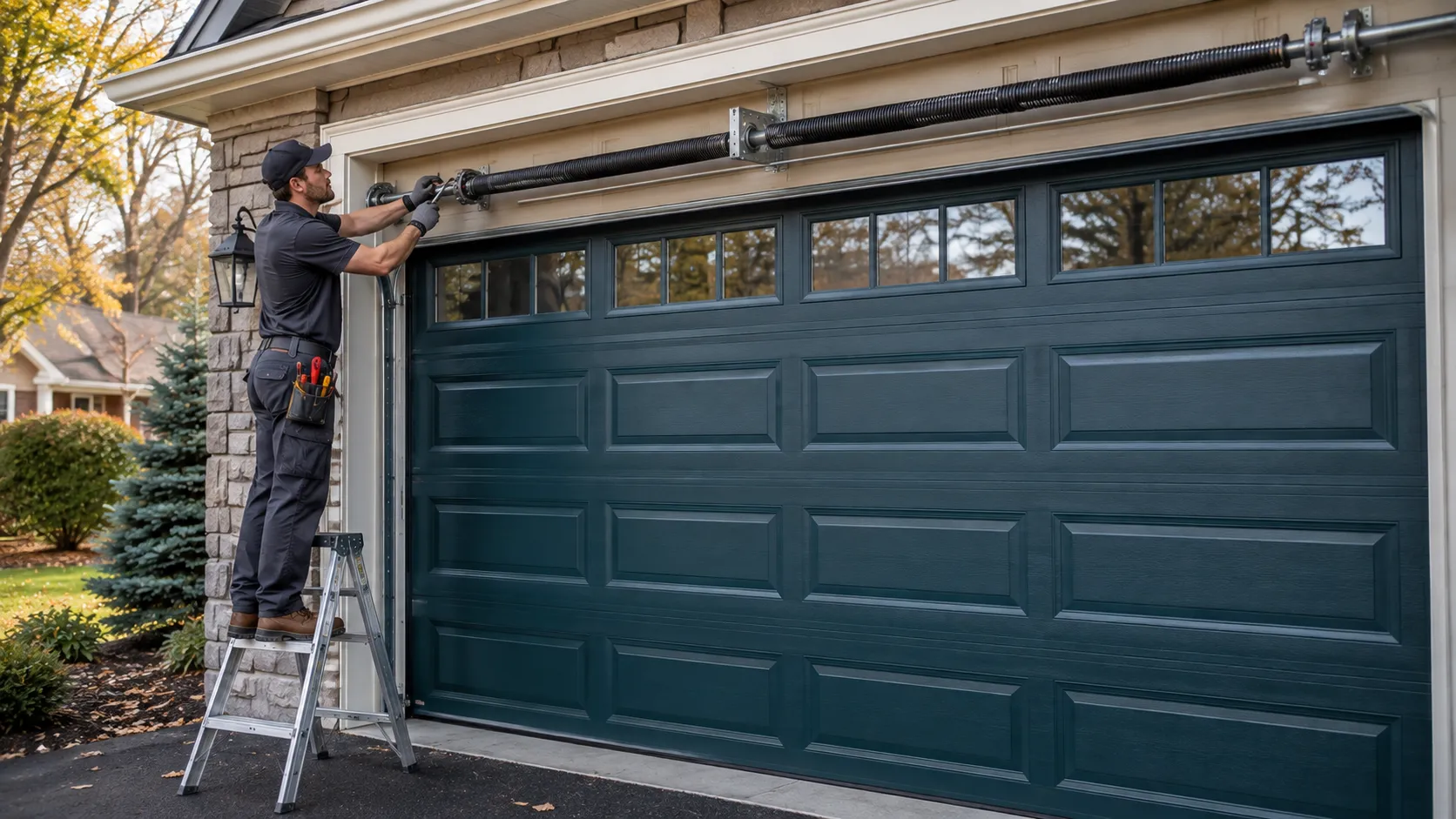
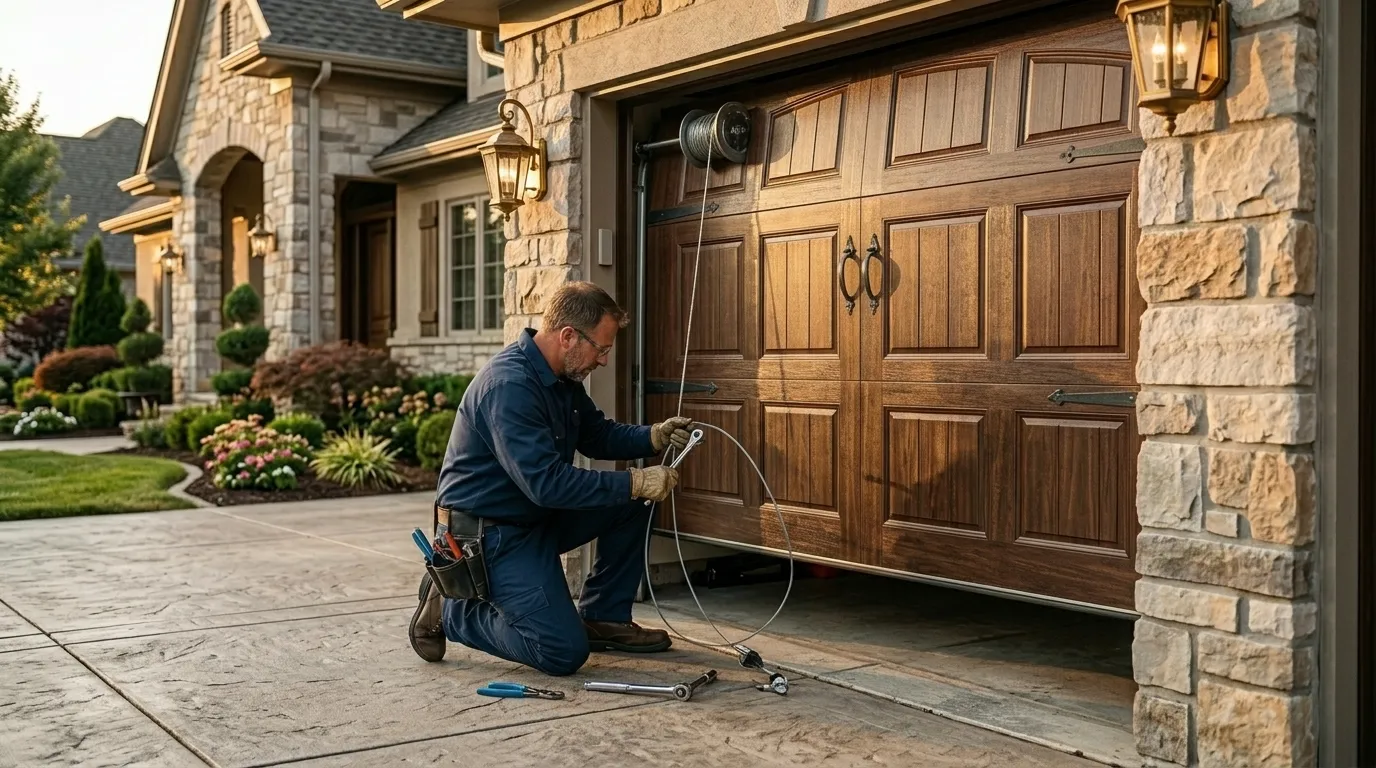
A door from this era is usually a single steel skin with little or no insulation, hung on a torsion spring sized for weight standards that don't match today's replacement panels. When one spring goes on these, the door won't behave like a newer double-torsion setup - it slams or won't budge, and the cable often frays before the homeowner notices.
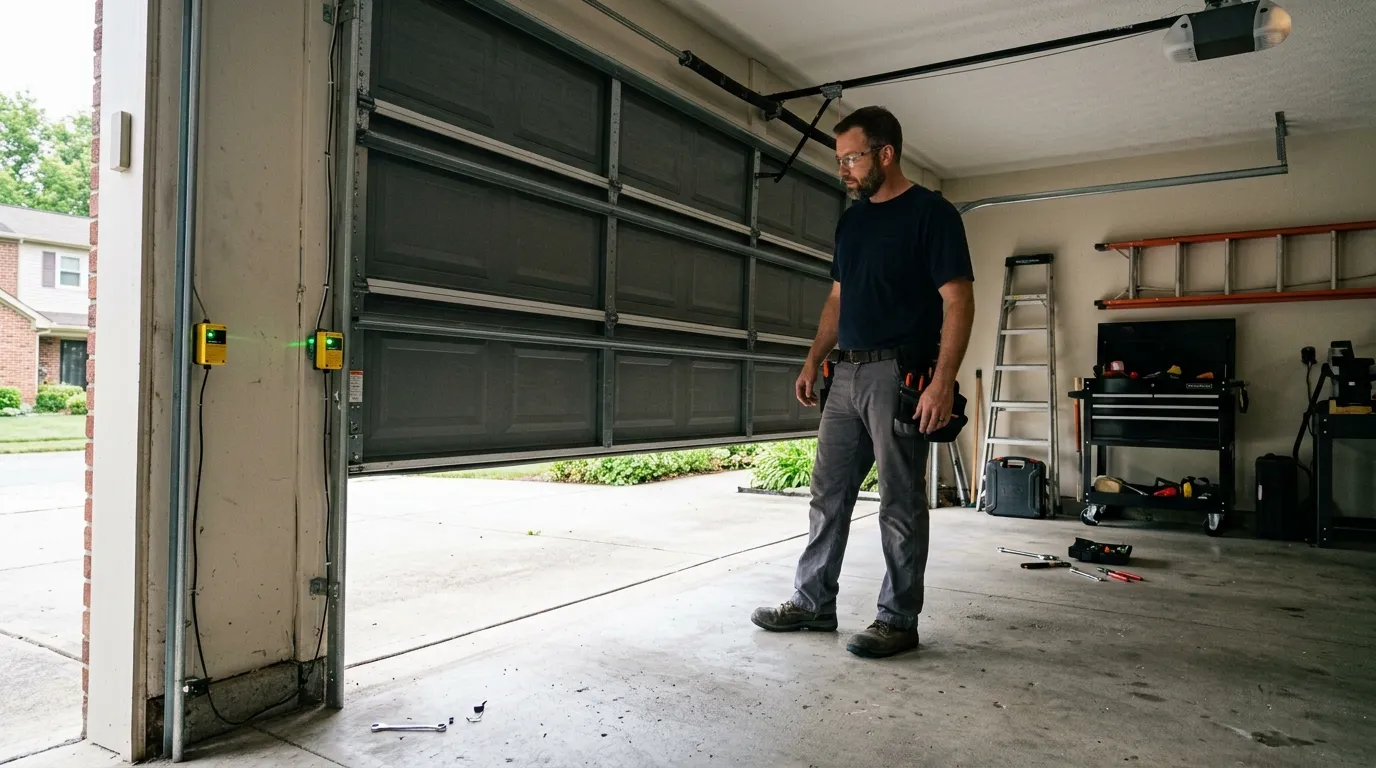
Winters here fall into the cold-severe climate band, and that matters more on 1970s hardware than on newer doors. Steel contracts, lubricant left over from decades of DIY grease jobs gums up and stiffens, and rollers that were fine in August bind hard in January. On a door this age, that stiffness puts extra load on an opener that was never built for it, and the gear set inside strips faster than it would on a newer unit.
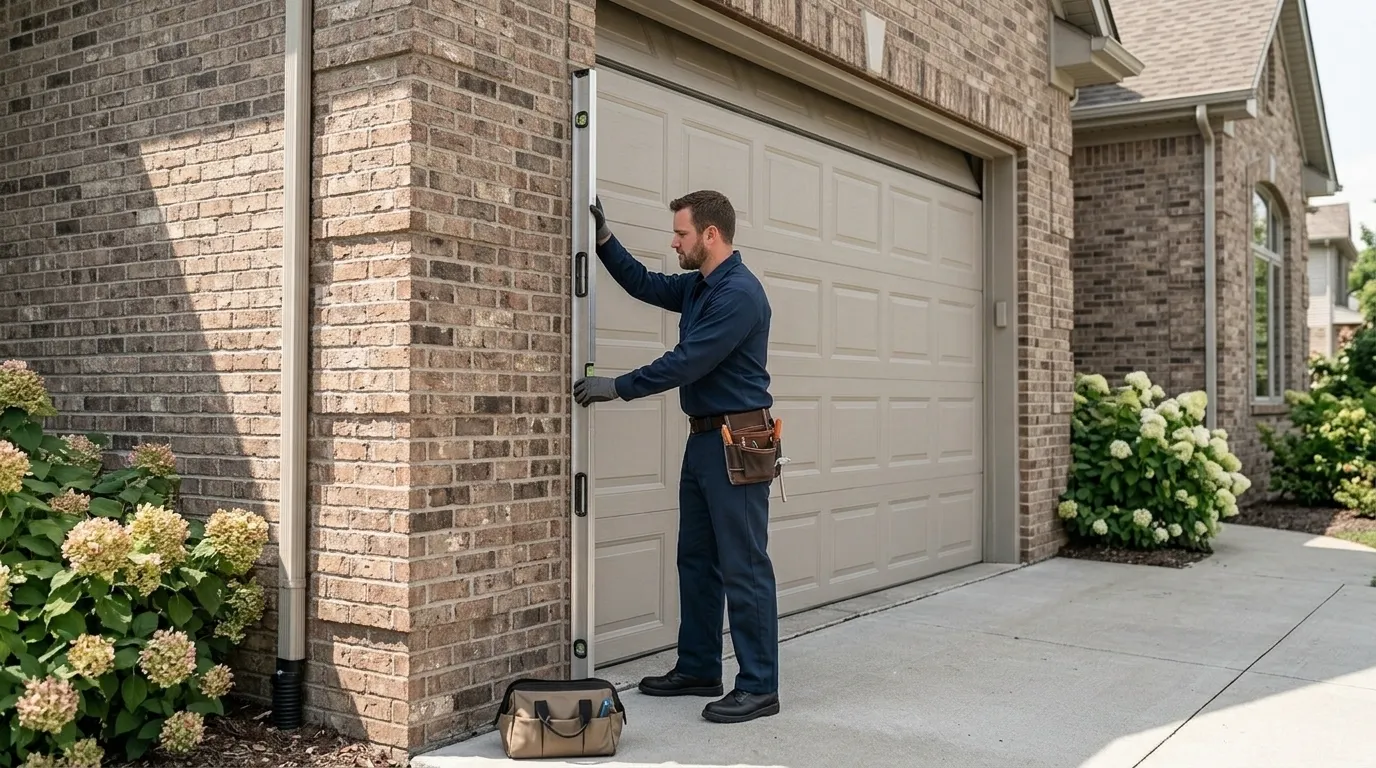
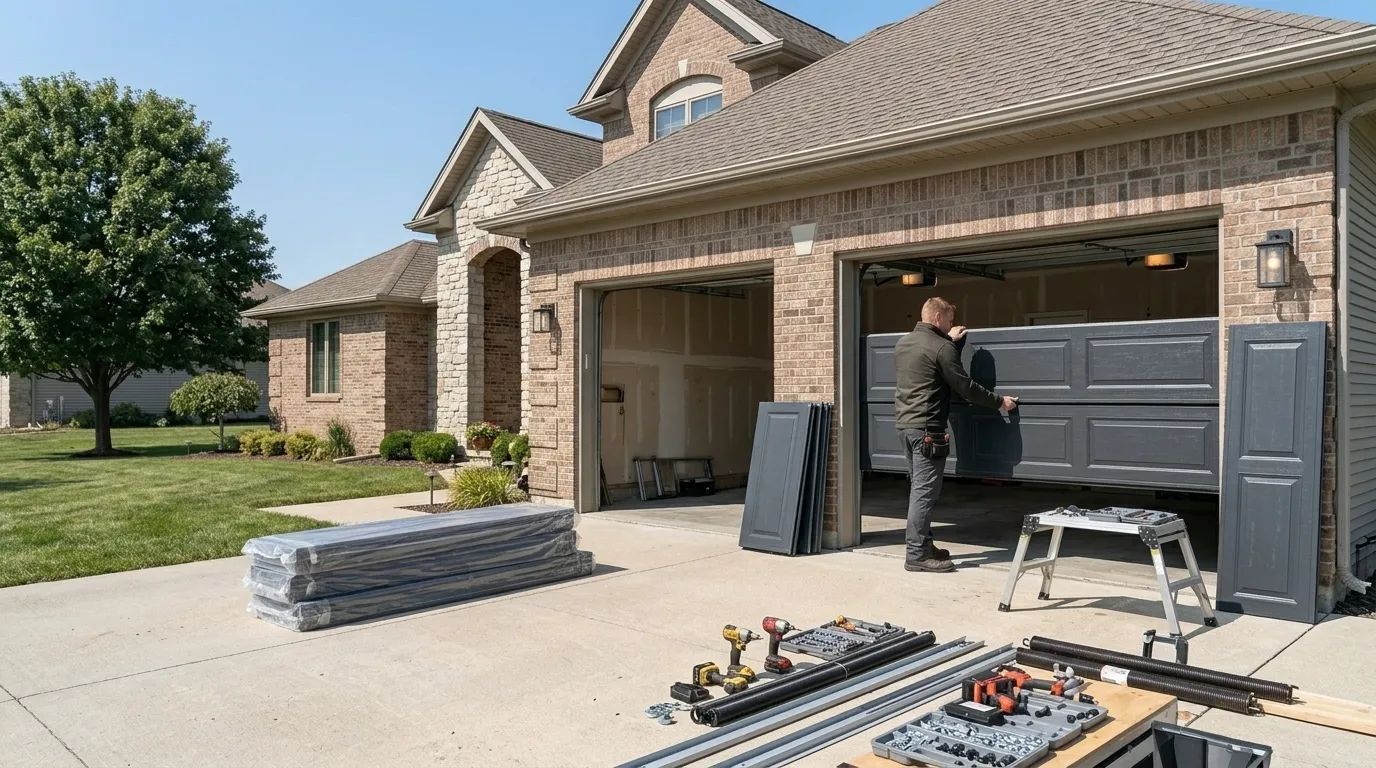
We don't guess at what's original versus replaced without seeing the door. Some houses here have already been through one panel swap, some haven't - and mixed-era hardware on the same door is common enough that we check before quoting anything.
Timing on This Area
We travel to Port Washington from West Bend, about 15 miles out, so we're not sitting in town waiting on a call - we schedule the trip in with other work in the area. That's not a promise of same-day arrival; it's a fact about how the route works, and we'd rather say that plainly than guess at a response time we can't back up.
Cold-severe winters push more spring and cable failures into December through February, when steel is stiffest and load on old hardware is highest. If your door is original to a 1970s build and it's starting to sound different - a grinding roller, a slower close, a spring that looks stretched - that's usually the season it decides to go. Booking before it fails completely gives us more room to plan the trip out and source parts if the hardware turns out to be obsolete.