What Was Built Here
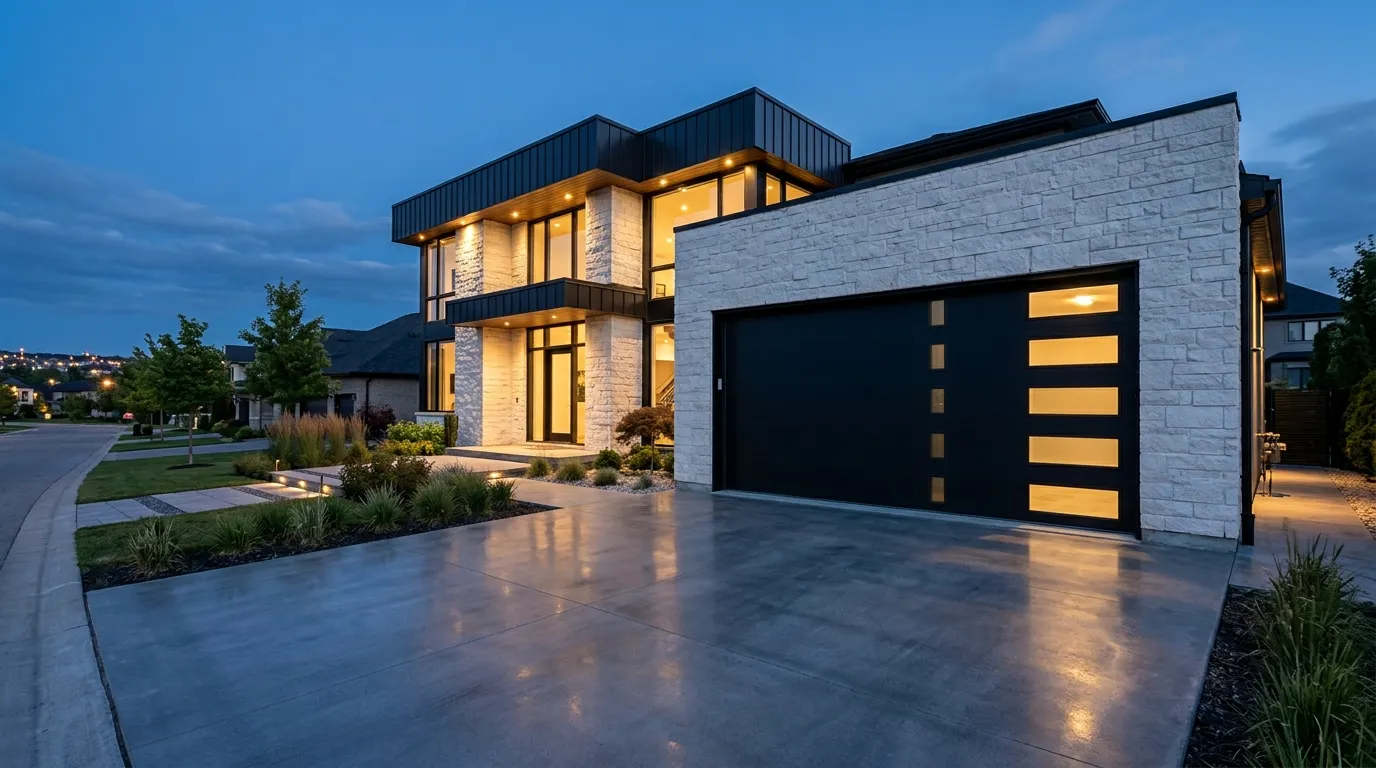
Sussex skews newer than most of the towns we cover out of West Bend. Across the wider service area the typical house went up somewhere between 1958 and 1999, with a median around 1976 - a lot of original hardware from the Carter and Reagan years still bolted to the studs. Sussex is different. The median year built here is 1993, which puts most garage doors and their openers into a later generation of construction than what we see in the older river towns closer to West Bend.
That matters more than it sounds like it should. A door installed in 1976 and a door installed in 1993 are not the same product. Steel gauges changed, track profiles changed, and the openers that went in during the early-to-mid '90s were a different breed than the chain-drives bolted into houses built two decades earlier. With roughly 4,679 households in this area, we're mostly looking at a fairly consistent window of construction rather than the mixed bag of eras you find elsewhere on our route.
We don't have a breakdown of exactly which subdivisions went up first, so we won't pretend to know your street's build year down to the year. But the area-wide number is real, and it tells you what's likely behind your door panel before we even open the truck.
How That Shows Up in the Door
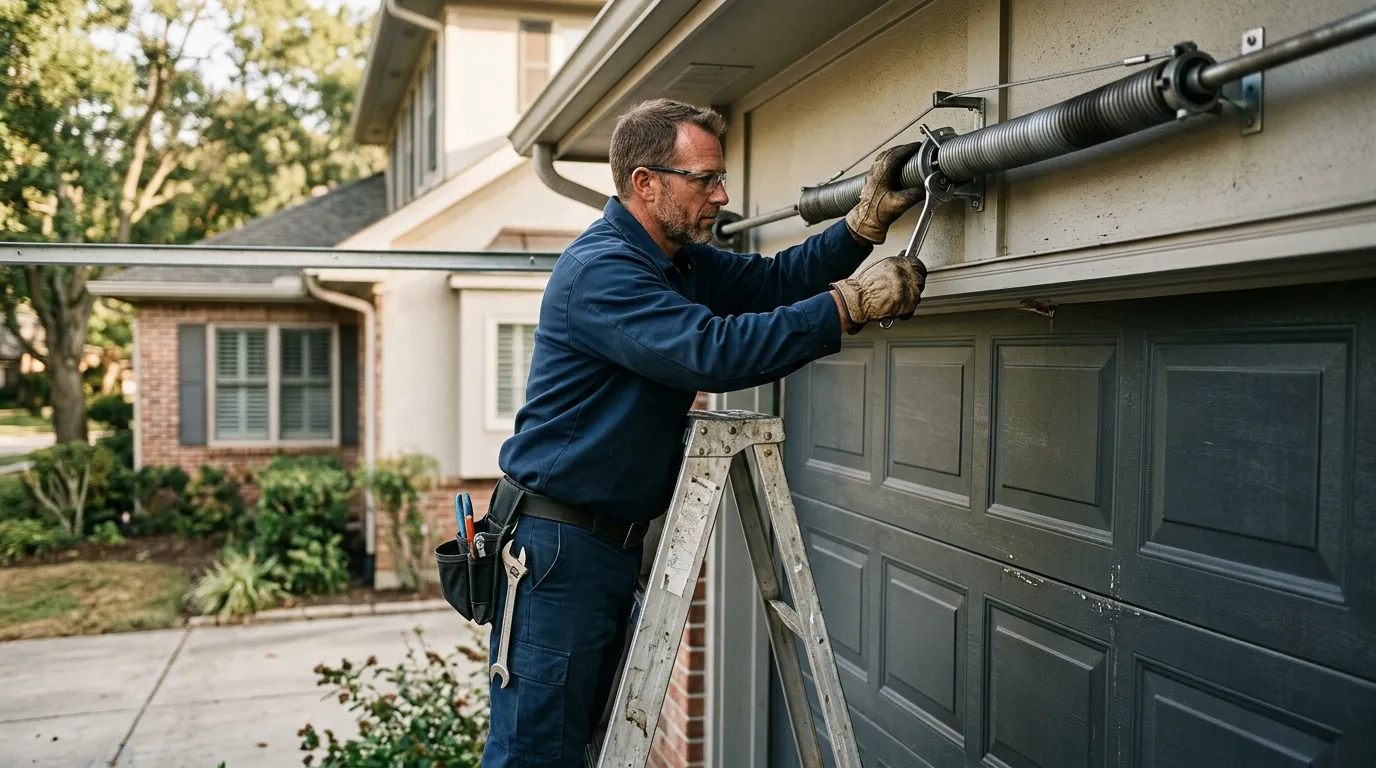
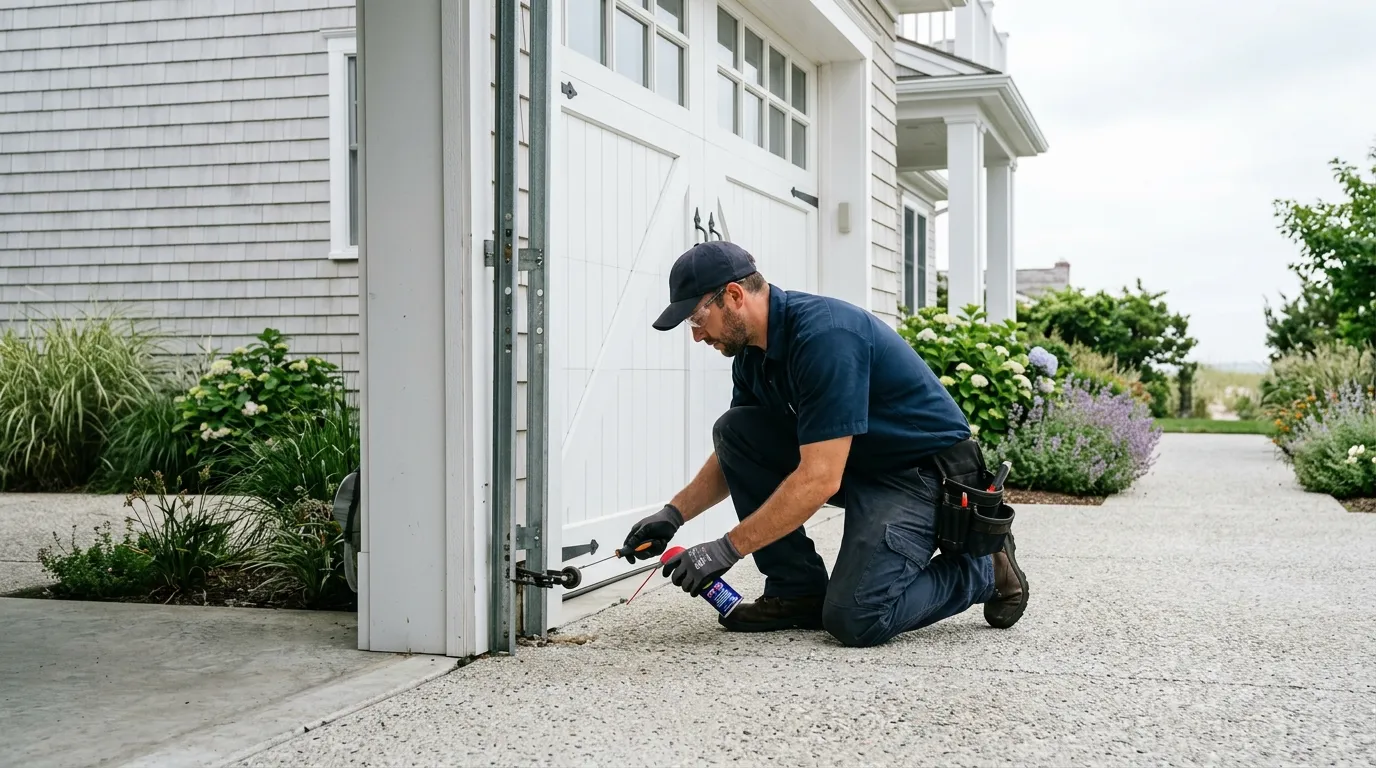
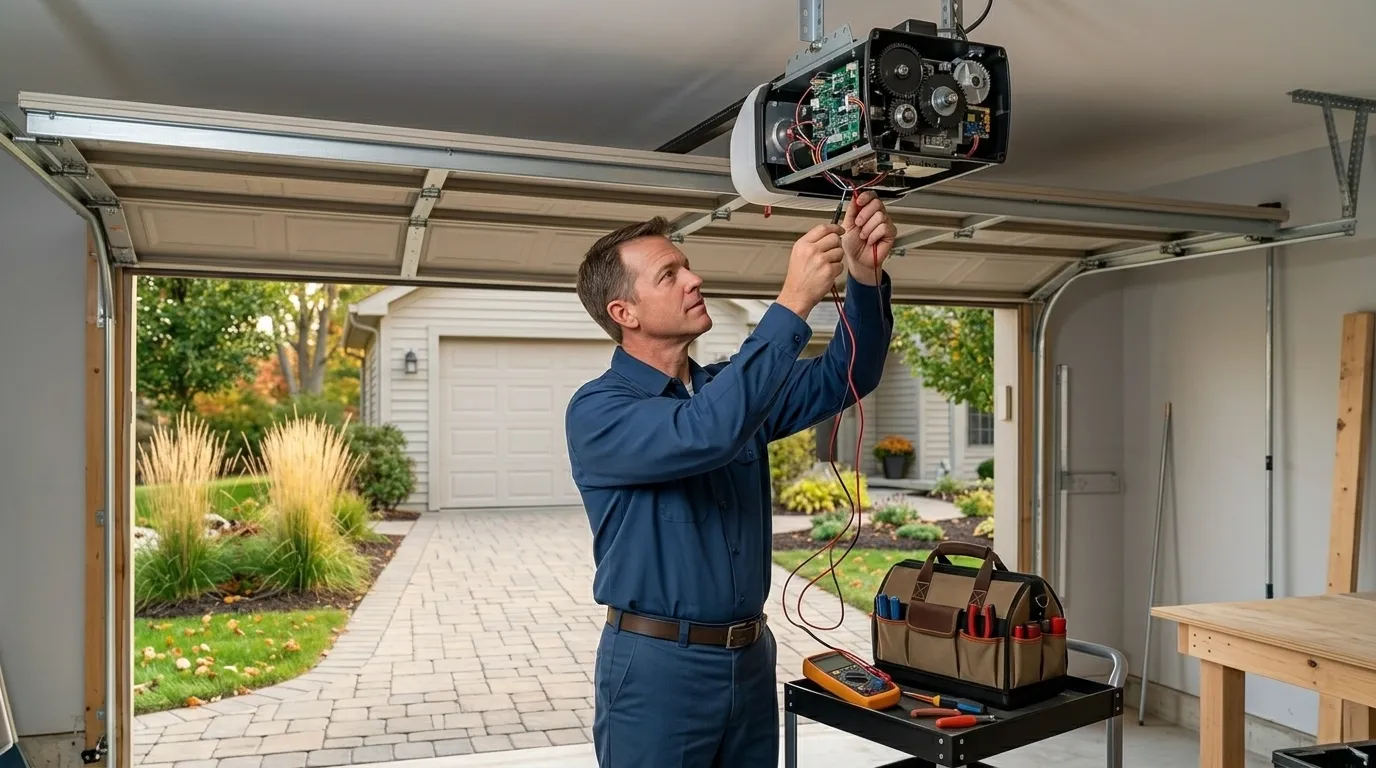
A door and opener from the early '90s is now over thirty years old, whether the house is in Sussex or anywhere else with that build era. That's old enough for the torsion spring to be well past its rated cycle count, for nylon rollers to have gone brittle, and for the opener's drive gear or logic board to be the kind of part that's harder to source new. It's not old enough, usually, to have the single-panel, non-insulated doors you still find on some of the 1960s stock closer to West Bend.
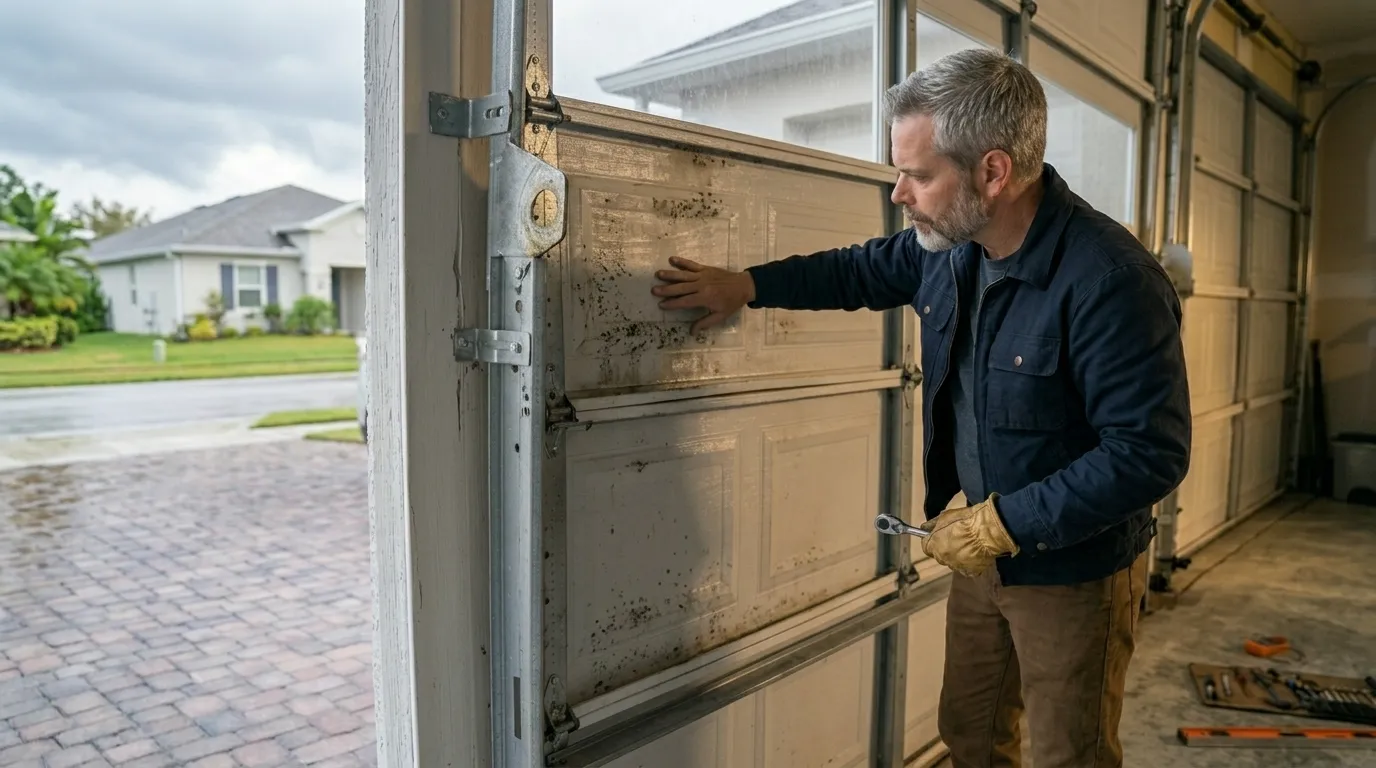
So the failure pattern here tends to be: spring fatigue, worn rollers, and opener electronics giving out, rather than whole-door replacement because the door itself is structurally shot. The panels from that era were generally decent steel and often already insulated, so a lot of the Sussex jobs are repair-and-keep-the-door rather than tear-out-and-replace.
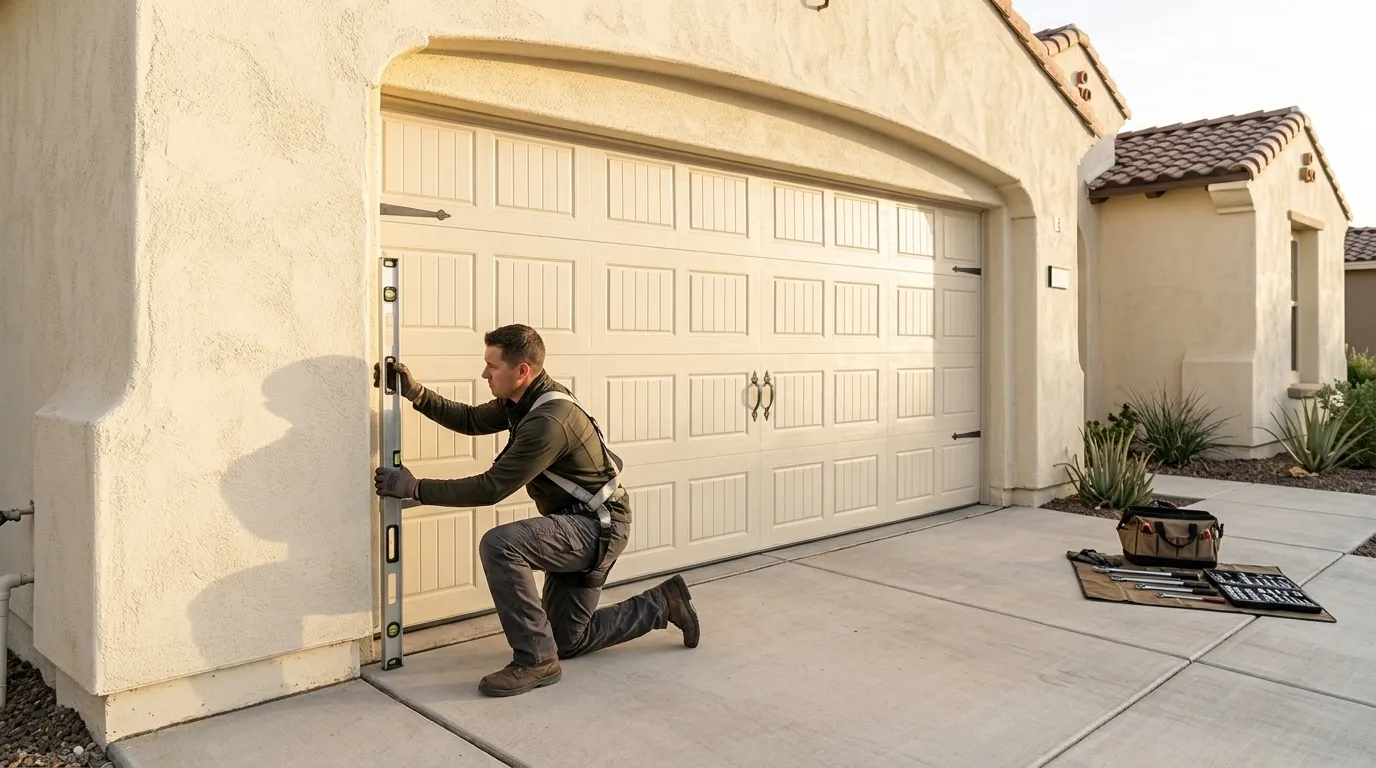
One honest limitation: we can't tell you from a home's build year alone whether a given door has been replaced since. Plenty of houses from 1993 have had a door swapped in the last ten years, and plenty haven't. What the number tells us is the base rate for the neighborhood, not the specifics of your garage - that part we confirm on site.
Timing on This Area
Sussex is about 20 miles from our shop in West Bend, farther than most of the towns we run to routinely - Trenton, Jackson, and Newburg are all inside 7 miles, for comparison. We don't keep a truck stationed in Sussex and we won't claim a local response time we can't back up; every job here means a drive out from West Bend first.
The winters matter too. This whole service area sits in a cold, severe climate band, and a torsion spring that's already fatigued from thirty years of cycling is more likely to snap on the coldest mornings, when steel is least forgiving and homeowners most want the door working before they leave for work. If your Sussex opener has been struggling in cold snaps, that's consistent with what we see elsewhere in the area, not a Sussex-specific quirk.
Parts availability is the other honest constraint: some opener boards and gear kits from the early '90s are no longer stocked new, so a same-day fix on an original opener isn't always possible - sometimes the practical answer is a modern replacement unit rather than a repair, and we'll tell you when that's the case instead of stringing out a repair that won't hold.